Badlands
"A nursery rhyme written in gunpowder and dust."
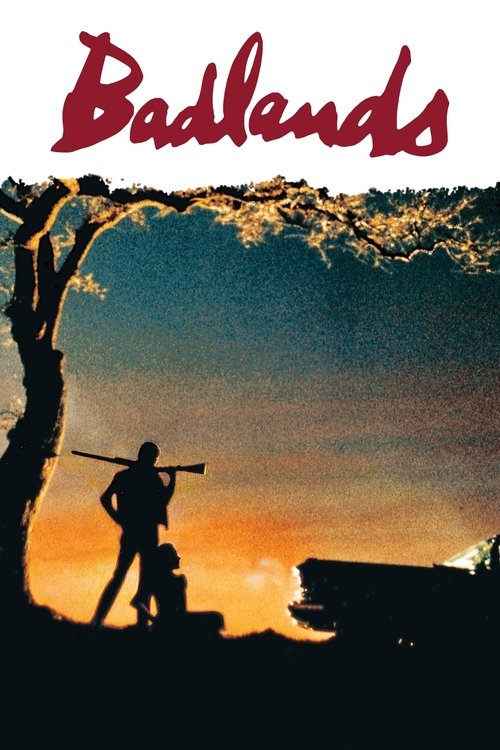
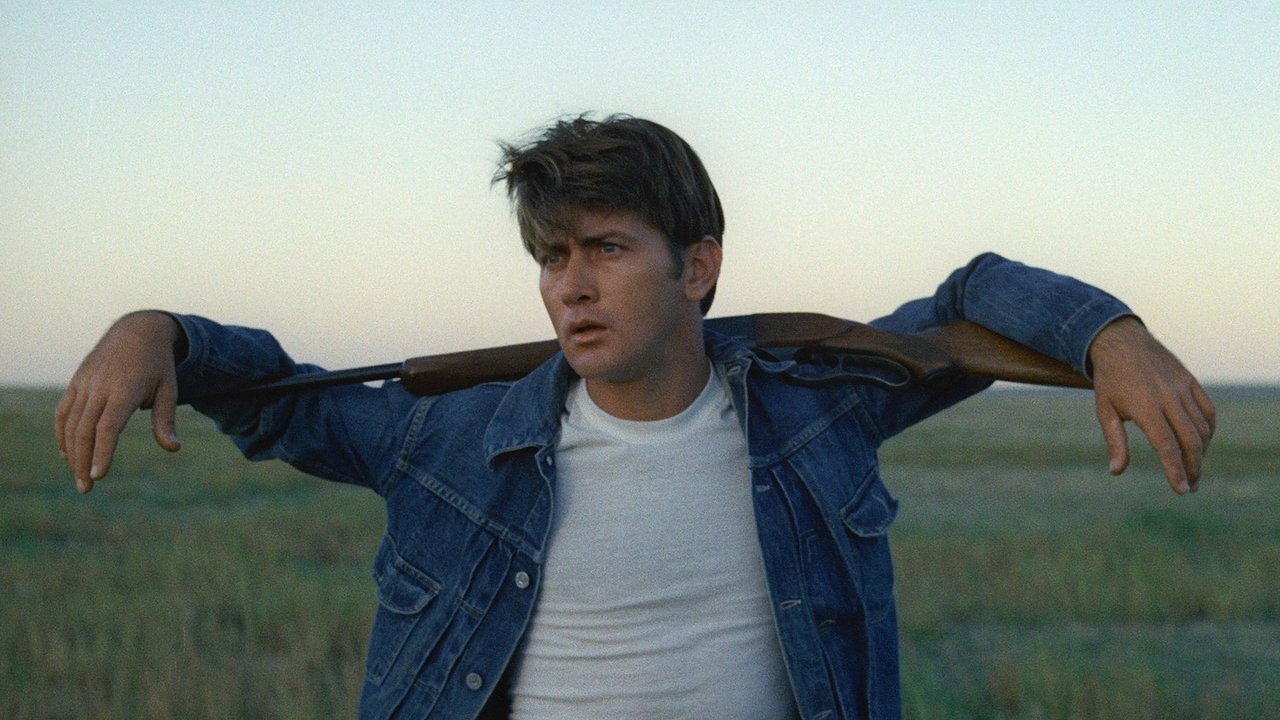
The first time Kit Carruthers appears on screen, he’s tossing a dead dog onto a garbage pile, yet he carries himself with the practiced coolness of a man who thinks the cameras are always rolling. He’s 25, a trash collector with a James Dean pompadour and a soul that seems to have been replaced by a stack of movie magazines. When he meets Holly, a 15-year-old baton twirler with the flat, Midwestern affect of someone who has already given up on life, the explosion isn't one of passion. It’s more like a chemical reaction that just happens to leave a trail of bodies across the South Dakota plains.
The Banality of the Boom
While I was rewatching the sequence where Kit casually burns down Holly’s house—the flames licking the wallpaper while a music box tinkles in the background—I realized I was mindlessly eating a slice of cold, congealed pepperoni pizza. That odd disconnect, the mundane meeting the monstrous, is exactly what Terrence Malick captures here. Most "couples on the run" movies feel like they’re fueled by high-octane adrenaline and sexual heat. Badlands feels like it’s fueled by boredom and a vague desire to be famous for something, even if that something is murder.
Martin Sheen is a revelation as Kit. He plays the role with a terrifying lack of interiority. He isn't a "misunderstood rebel"; he’s a homicidal dweeb with a great haircut who thinks that leaving a recorded message on a Dictaphone makes his rambling thoughts historical. Opposite him, Sissy Spacek provides the film’s heartbeat, though it’s a slow, thumping one. Her narration is one of the most brilliant choices in 70s cinema. She speaks about their "grand adventure" in the language of cheap romance novels, even as Kit is shooting her father (Warren Oates) or cold-bloodedly executing a friend in a shack.
A Masterclass in Scrounging
It is almost impossible to believe this was a directorial debut. At the time, Terrence Malick was a philosophy student and AFI dropout who managed to scrape together about $300,000 to make this. This was the "New Hollywood" era at its most defiant—independent, artistically arrogant, and unwilling to follow the rules of the old studio system. Because the budget was so tight, the production was a nightmare of revolving-door crew members and DIY fixes.

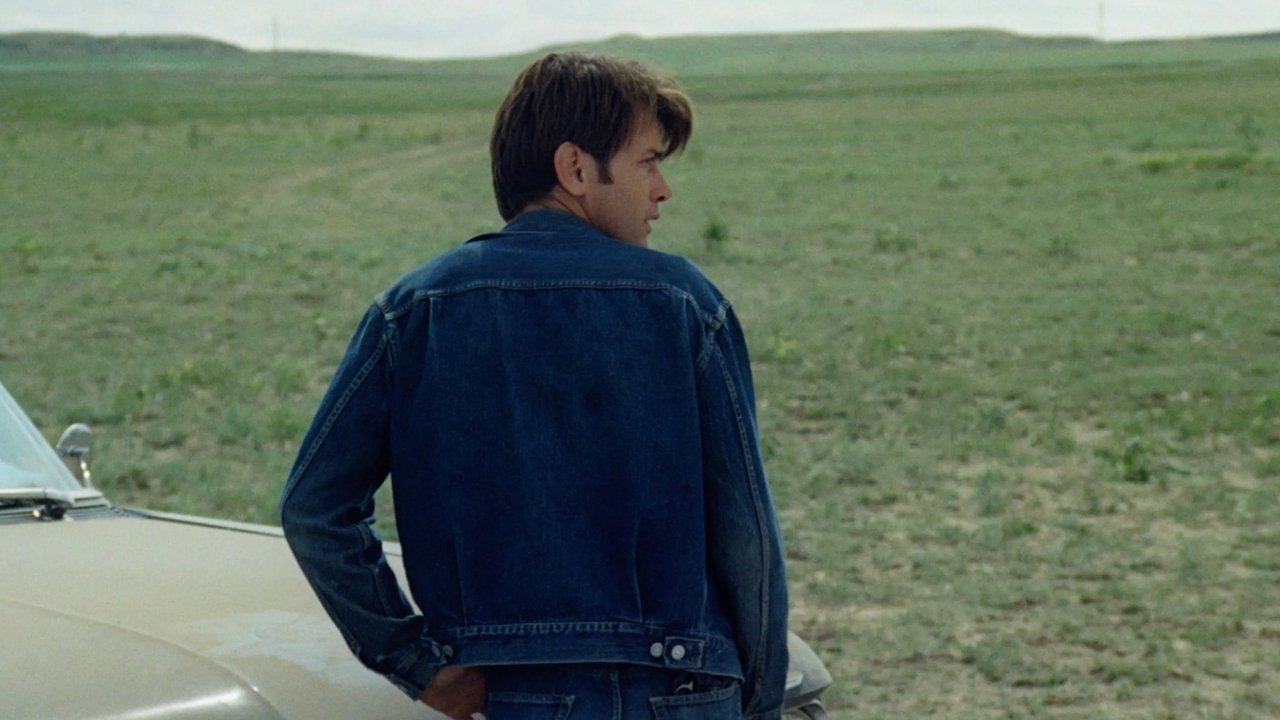
The film's look, courtesy of cinematographers like Tak Fujimoto, doesn't look cheap, though. It looks like a painting. They used natural light and long shots of the empty horizons to make the characters look small and insignificant. When the money ran out, Terrence Malick reportedly sold his own car and some of his furniture to keep the cameras rolling. That kind of "by any means necessary" hustle is what gives the film its raw, unpolished edge. It doesn't have the glossy sheen of a blockbuster; it has the texture of real dirt and real wind.
The Home Video Haunt
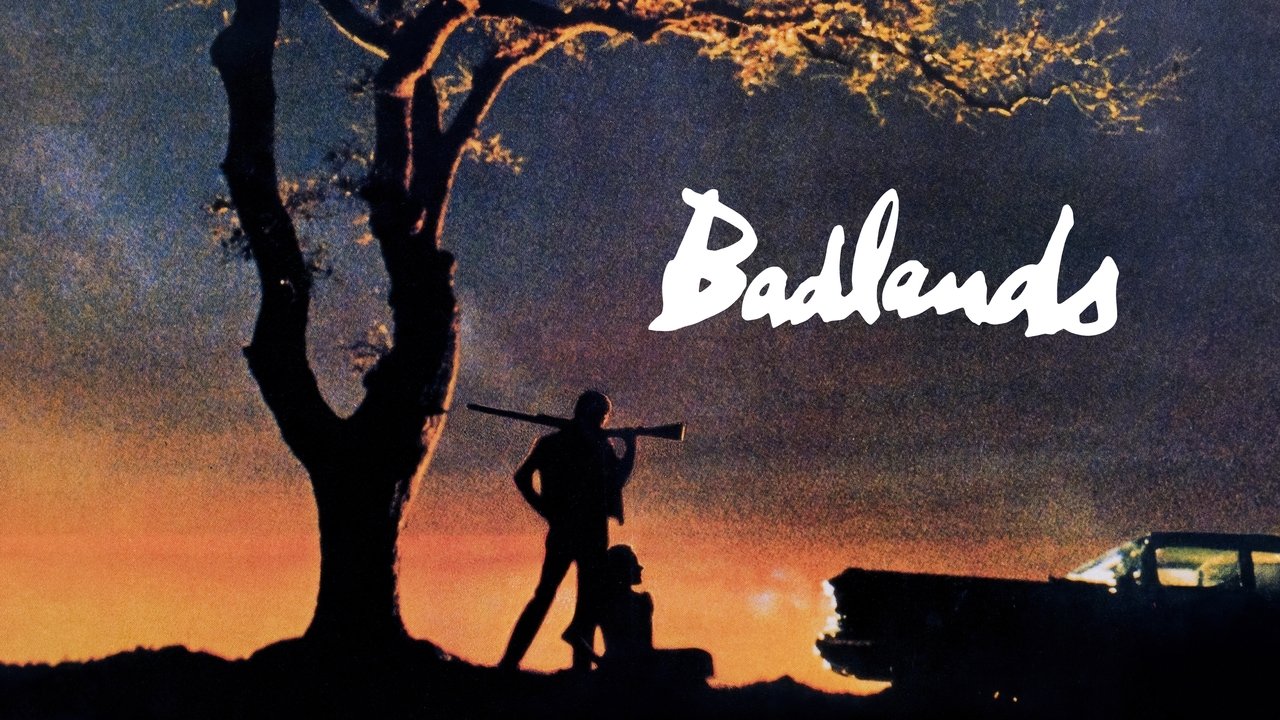
For many of us, Badlands wasn't a theatrical discovery but a "back shelf" find at the local video store. In the late 80s, the Warner Home Video clamshell case was iconic—it featured a moody shot of Kit and Holly that made it look like a standard action-thriller. People would rent it expecting Rambo and end up with a poetic, disturbing folk tale. It became a cult staple because it’s a film that rewards the pause button. You want to stop and look at the way the light hits the trees or re-listen to the strange, nursery-rhyme score by George Aliceson Tipton.
There is a specific scene where Kit and Holly dance in the headlights of their car to Nat King Cole’s "A Blossom Fell." It is one of the most beautiful things I’ve ever seen on screen, and yet, it’s preceded and followed by such casual cruelty that it makes your skin crawl. That’s the magic trick Terrence Malick performs: he makes the monsters look like us, or at least like the versions of us we see in the mirror when we’re practicing our "cool" face.
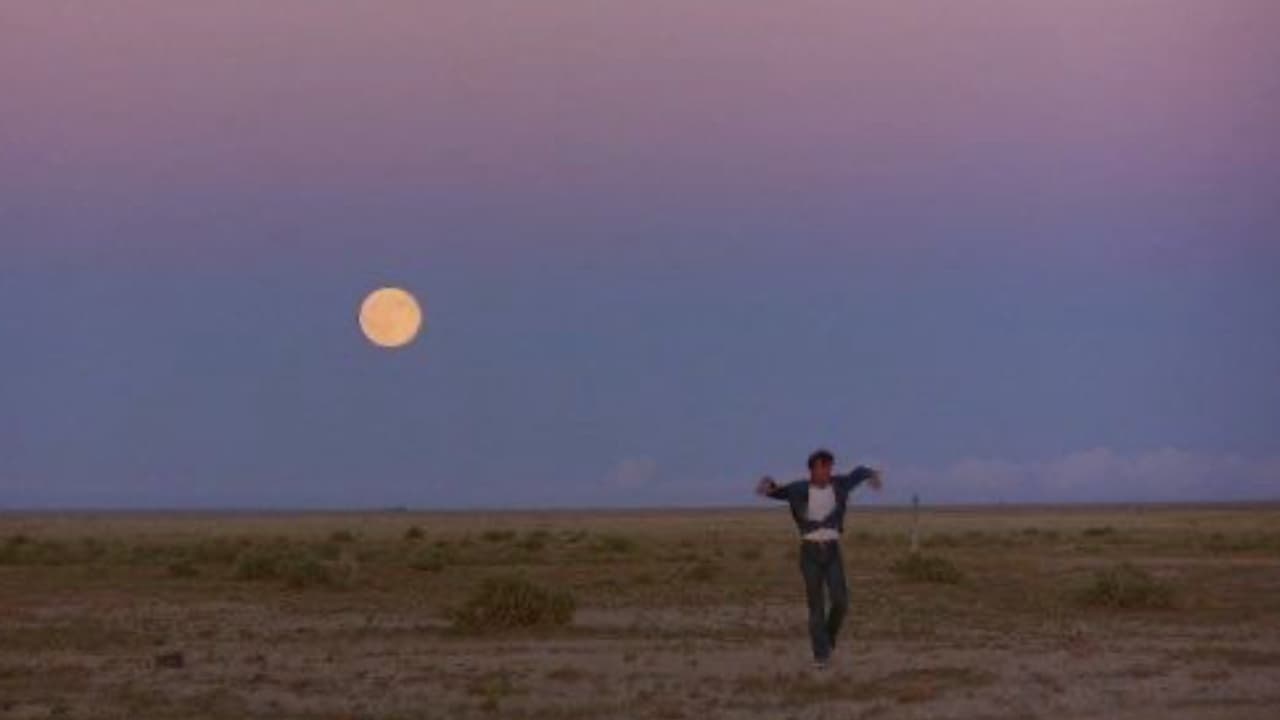
The film doesn't offer a moral. It doesn't tell you that Kit is a victim of society or that Holly was brainwashed. It just shows you two people drifting across a landscape that doesn't care if they live or die. By the time the credits roll, you aren't left with a sense of justice—just the lingering image of a cloud reflected in a car window and the realization that the most dangerous person in the world is the one who kills you just to have something to do on a Tuesday.
Badlands is a singular piece of American art that feels as fresh today as it did in 1974. It’s a movie that stares into the abyss and finds it surprisingly scenic. If you haven’t taken this trip into the South Dakota sun, find the best screen possible, turn off your phone, and let the quiet horror wash over you. It’s a haunting reminder of why we fell in love with movies in the first place—not for the easy answers, but for the beautiful, terrible questions they leave behind.
Keep Exploring...
-
Days of Heaven
1978
-
Pierrot le Fou
1965
-
Mean Streets
1973
-
Serpico
1973
-

The Conversation
1974
-
In the Heat of the Night
1967
-
Straw Dogs
1971
-
Midnight Express
1978
-
West Side Story
1961
-
Witness
1985
-

On the Waterfront
1954
-

Breathless
1960
-
High and Low
1963
-
Dog Day Afternoon
1975
-

Taxi Driver
1976
-
Cabaret
1972
-
Death Wish
1974
-
Annie Hall
1977
-
Butch Cassidy and the Sundance Kid
1969
-

Magnum Force
1973