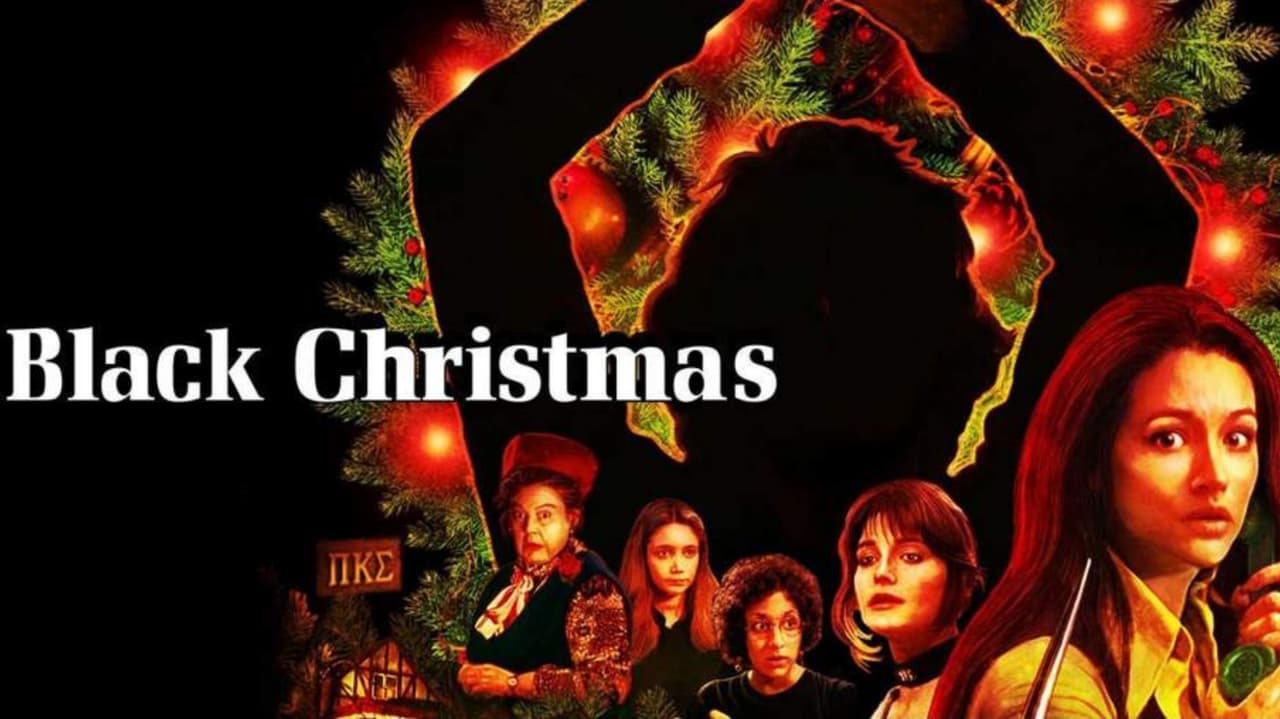
Black Christmas
"The calls are coming from inside the house."
The most unsettling sound in 1970s cinema isn’t a chainsaw or a shark’s theme; it’s a high-pitched, guttural screech coming through a landline telephone. Long before Michael Myers tilted his head at a corpse or Ghostface asked about favorite scary movies, there was "Billy." He didn’t need a mask or a motive—just a crawlspace and a direct line to the Pi Kappa Sigma sorority house. While I sat down to rewatch this for the hundredth time, I was distracted by a particularly persistent moth fluttering against my lampshade, and honestly, the frantic thumping of its wings against the bulb felt like the perfect rhythmic accompaniment to the movie’s mounting dread.
Directed by Bob Clark—the same man who, in a feat of cinematic whiplash, would later give us the wholesome A Christmas Story—1974’s Black Christmas is the undisputed architect of the slasher genre. But unlike the hulking, supernatural killers that would dominate the 80s, the threat here is agonizingly human and terrifyingly close. It’s an independent Canadian production that feels lean, mean, and remarkably sophisticated for its era.
The POV of a Madman
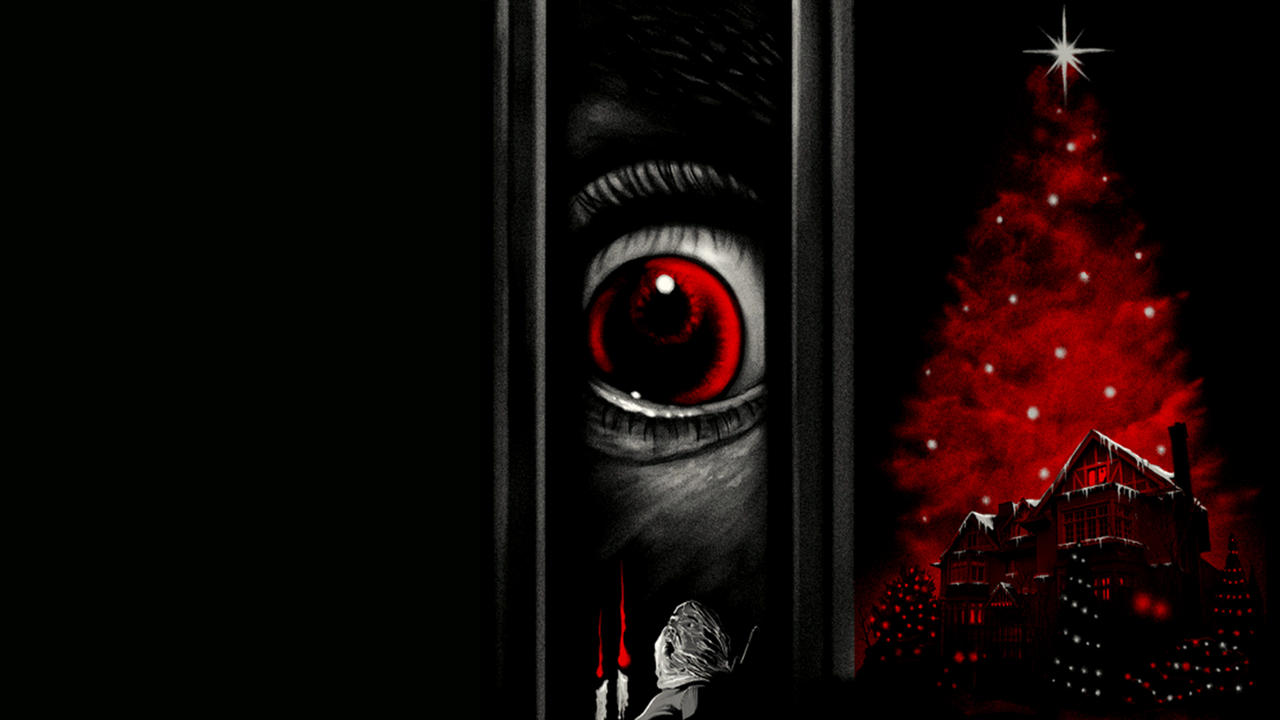
What struck me most this time around was the camerawork by Reginald H. Morris. We spend an enormous amount of time looking through the killer's eyes. This wasn't just a stylistic whim; the crew actually rigged a specialized camera mount that sat on the operator's shoulder, allowing them to use both hands to mimic the killer's movements—climbing trellises or parting curtains. It creates this uncomfortable intimacy with a predator we never fully see.
The film's low budget ($686,000, roughly the catering budget for a modern Marvel flick) forced a kind of ingenuity that big studios usually polish away. Most of the movie takes place within the confines of the sorority house, and Bob Clark uses that space like a weapon. Every shadow in the background feels heavy. When the girls are downstairs decorating or drinking, you’re constantly glancing at the top of the frame, waiting for a door to creak open in the attic. The police in this movie are so spectacularly useless they make the Keystone Cops look like Seal Team Six, which only heightens the feeling that these women are trapped in a cage with a tiger.
Lois Lane and the Scream Queens

The cast is a "who’s who" of 70s talent that grounds the horror in genuine character work. Olivia Hussey (fresh off her turn as the definitive Juliet) plays Jess with a quiet, steely resolve. It’s incredibly rare for a 1974 horror film to feature a protagonist dealing with an unplanned pregnancy and a boyfriend (Keir Dullea of 2001: A Space Odyssey fame) who is essentially a walking red flag. Keir Dullea’s Peter is the most suspicious man to ever play a piano, and I’m 90% sure his hair has its own SAG card.
But the real MVP is Margot Kidder as Barb. She’s cynical, perpetually drunk, and armed with a razor-sharp wit that cuts deeper than the killer’s glass unicorn. Margot Kidder brings a messy, human energy that makes her eventual fate feel like a genuine loss rather than just another body count statistic. Watching her trade barbs with the housemother, Mrs. Mac (played with hilarious, boozy charm by Marian Waldman), provides a much-needed levity before the floor drops out. Mrs. Mac hiding booze in the fire extinguishers and hollowed-out books is a level of holiday preparation I can personally get behind.
The Sound of Schizophrenia
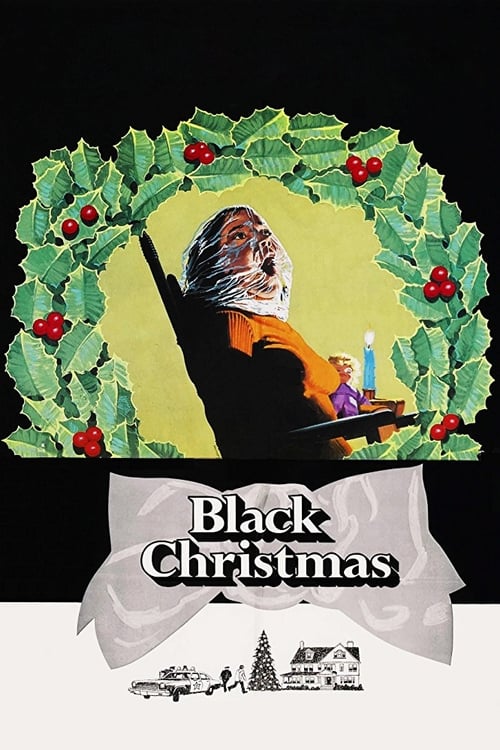
We have to talk about the phone calls. If you first discovered this on a Media Home Entertainment VHS—the kind with the grainy, high-contrast cover art of the girl in the rocking chair—you know that the tape hiss actually enhanced the experience. The audio design by Carl Zittrer is the stuff of nightmares. To create the "Billy" voice, Bob Clark didn’t just use one actor; he used five different performers, including himself, all screaming and whispering different lines simultaneously to create a "schizophrenic" soundscape.
It’s an assault on the ears. It’s foul, nonsensical, and deeply perverted. It’s also a reminder of why landlines were inherently scarier than cell phones. You couldn't just "block" the number; you had to listen to the person on the other end breathe until you had the courage to hang up. The way John Saxon (playing the quintessential 70s lieutenant) tries to trace the calls using those old mechanical switching stations adds a level of analog tension that modern tech just can’t replicate.
Black Christmas is that rare horror film that gets more disturbing as it ages. It avoids the easy out of a "why" or a "how," leaving us with an ending that is famously, frustratingly bleak. It’s a masterclass in how to use limited resources to create unlimited anxiety. Whether you’re a slasher devotee or just someone who appreciates a well-shot mystery, this is the gold standard. Just maybe keep your phone on silent while you watch.
There’s a specific kind of magic in how Bob Clark balanced the sleaze of the burgeoning slasher genre with the prestige of a psychological thriller. It doesn't rely on gore—though the "glass unicorn" scene remains iconic—but rather on the violation of a safe space. It’s the ultimate "home alone" nightmare, wrapped in tinsel and doused in gin. If you haven't seen it, find the best copy you can (the recent 4K scans are gorgeous, though I still have a soft spot for the fuzzy 1980s TV broadcasts) and turn the lights way down. Just don't blame me if you start eyeing your attic door with suspicion.
Keep Exploring...
-

The Conversation
1974
-
In the Heat of the Night
1967
-

Day of the Dead
1985
-
Porky's
1981
-
Frenzy
1972
-

Invasion of the Body Snatchers
1978
-
The Amityville Horror
1979
-

A Christmas Story
1983
-
Soylent Green
1973
-
Chinatown
1974
-
Deep Red
1975
-

Murder by Death
1976
-
Dirty Harry
1971
-
Straw Dogs
1971
-
The Way of the Dragon
1972
-
Don't Look Now
1973
-
Mean Streets
1973
-
Serpico
1973
-
The Wicker Man
1973
-
Badlands
1974