Chinatown
"In a city of thirst, the truth is poison."
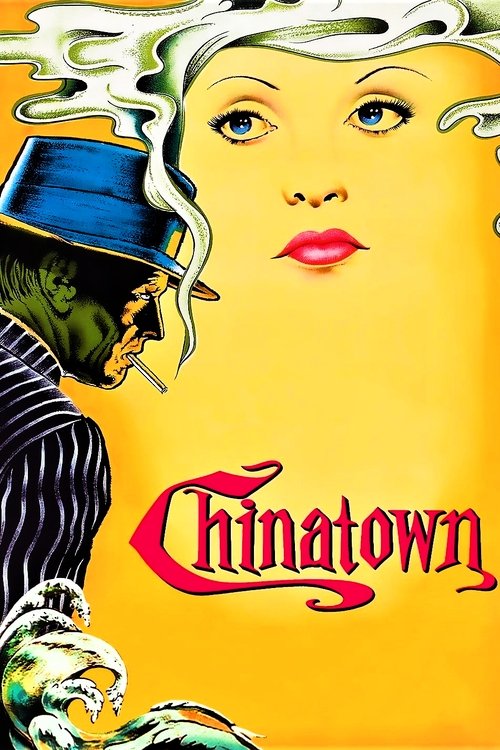
The heat in 1930s Los Angeles isn't just a weather report; it’s a character that sticks to your skin like a cheap suit. I most recently rewatched Chinatown while nursing a spectacular case of sunburn—the kind where your skin feels two sizes too small—and I realized the film actually feels exactly like that. It’s parched, irritating, and eventually, it blisters. While the 1940s gave us the slick, rain-slicked shadows of Bogart, the 1970s decided to drag the noir genre out into the blinding, unforgiving California sun, and the result is arguably the most perfect script ever put to paper.
The Parched Heart of Los Angeles
We meet Jack Nicholson as J.J. 'Jake' Gittes, a high-end "matrimonial" detective who thinks he’s much smarter than he actually is. When a woman claiming to be Evelyn Mulwray hires him to spy on her husband—the city’s water commissioner—Jake thinks he’s just chasing a standard case of adultery. He’s wrong. He’s actually stepped into a massive conspiracy involving land grabs, drought, and the very lifeblood of the city.
The film arrived during that incredible "New Hollywood" peak where directors were finally allowed to be cynical. You can feel the post-Watergate exhaustion in every frame. It’s a detective story where the detective doesn't really "solve" anything so much as he survives long enough to see how truly rotten the foundations of his world are. Jack Nicholson is a revelation here; he balances a cocky, wisecracking exterior with a growing sense of horrified realization. He’s the only guy in town wearing a three-piece suit who still looks like he’s about to get his lunch money stolen by the elites.
The Script That Changed Everything
If you’ve ever sat through a screenwriting class, you’ve heard Robert Towne’s name whispered like a secular saint. His screenplay for Chinatown is the gold standard of "plant and payoff." Every mention of an almond grove or a pair of bifocals in a pond isn't just flavor; it's a gear turning in a massive, clockwork tragedy.
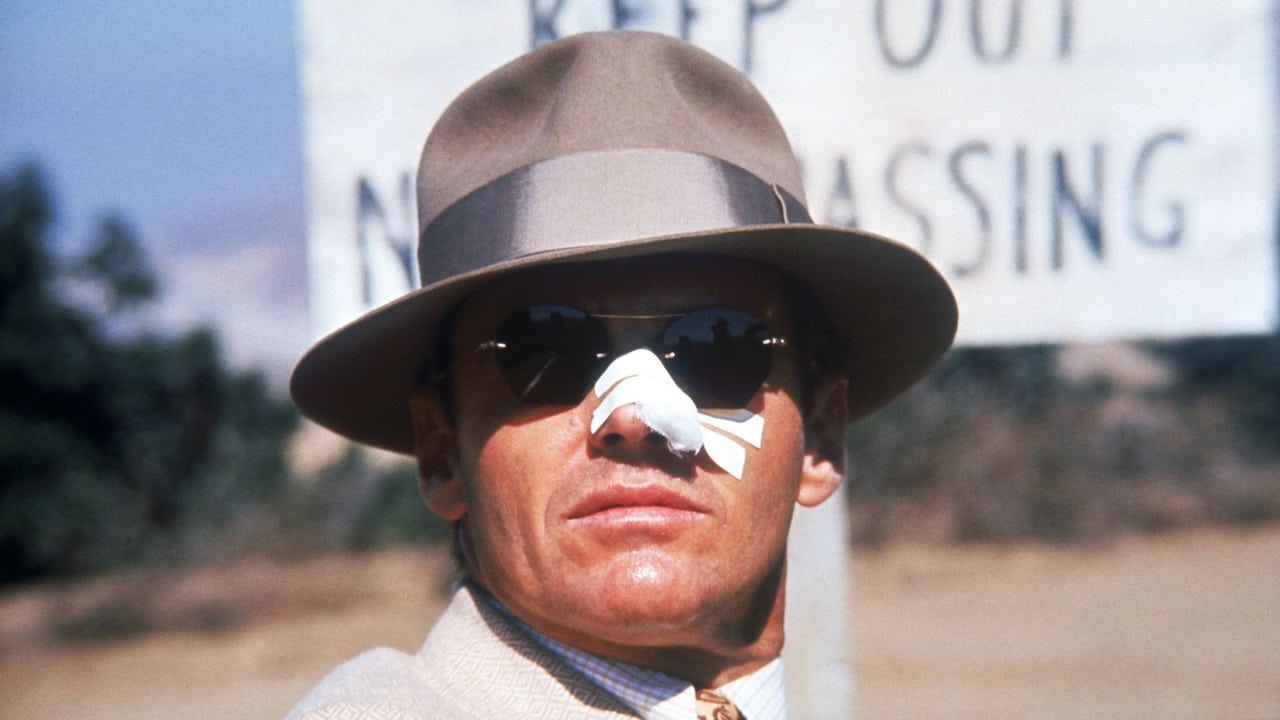
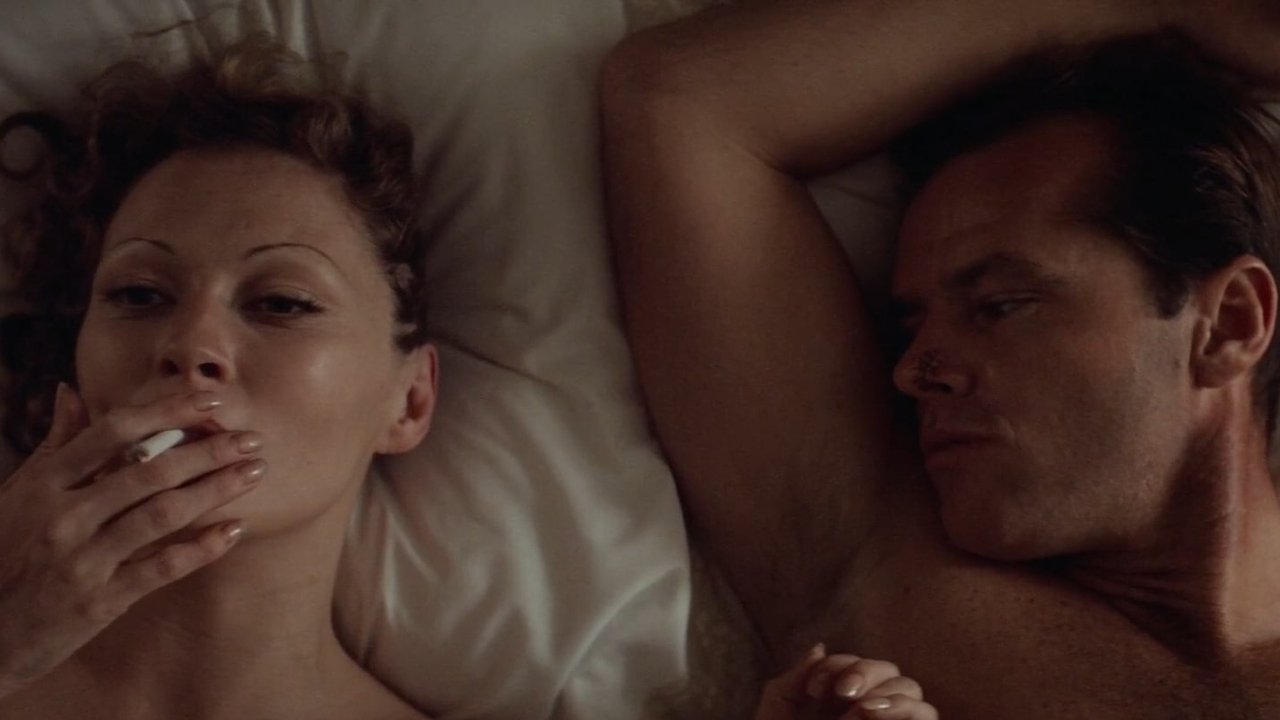
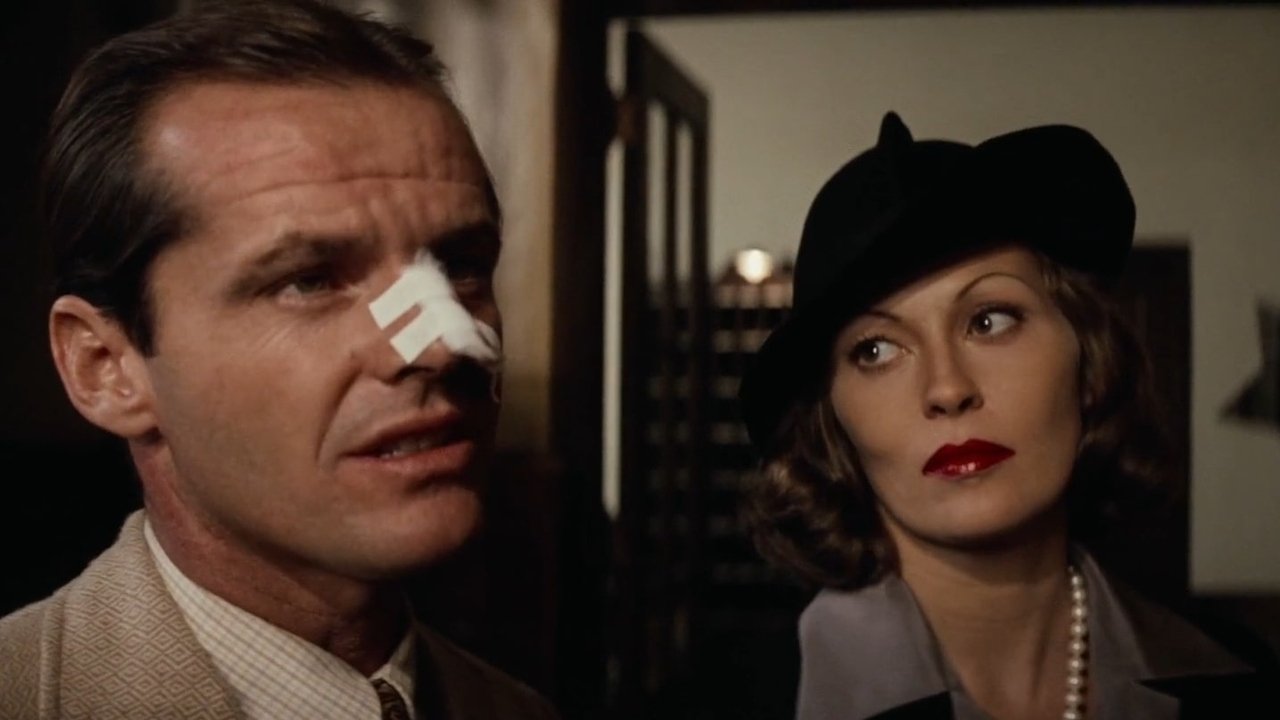
I remember finding an old VHS copy of this in the "Jake Gittes Collection" back when video stores had those specific filmmaker or actor-focused shelves. The box art featured Nicholson with that iconic bandage on his nose—a result of a director’s cameo where Roman Polanski himself shows up to slit Jake’s nostril with a switchblade. That bandage stays on for a huge chunk of the movie, a constant, physical reminder that curiosity in this town doesn't just kill the cat; it mutilates it. It was such a bold choice for a leading man to spend half the movie looking like a battered clown, but it grounds the film in a reality that 1940s noir never quite touched.
Shadows in the Sun
While the writing is legendary, the atmosphere is sustained by Jerry Goldsmith’s score. Fun fact: Goldsmith was brought in at the eleventh hour after the original score was tossed out, and he wrote the entire thing in just ten days. It’s haunting, led by a lonely trumpet that sounds like it’s echoing through an empty storm drain. It perfectly complements the cinematography of John A. Alonzo, who ditched the high-contrast "black and white" style for a palette of sepia, dust, and scorched earth.
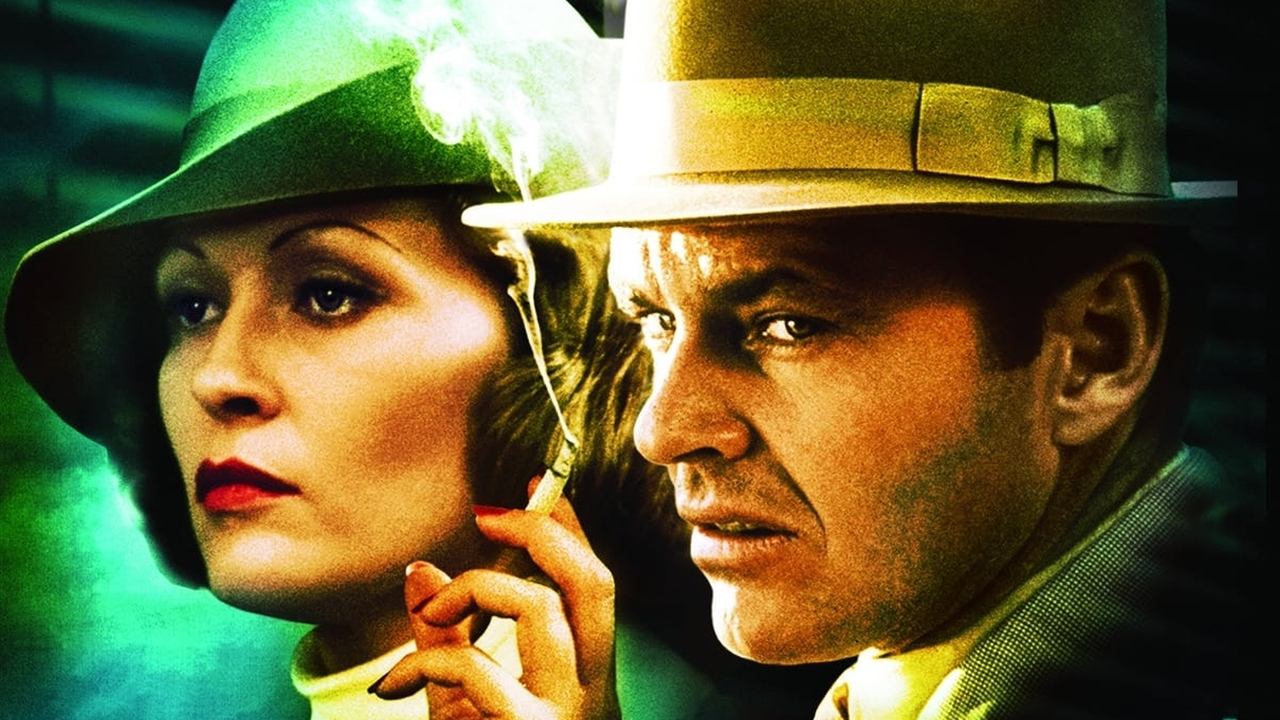
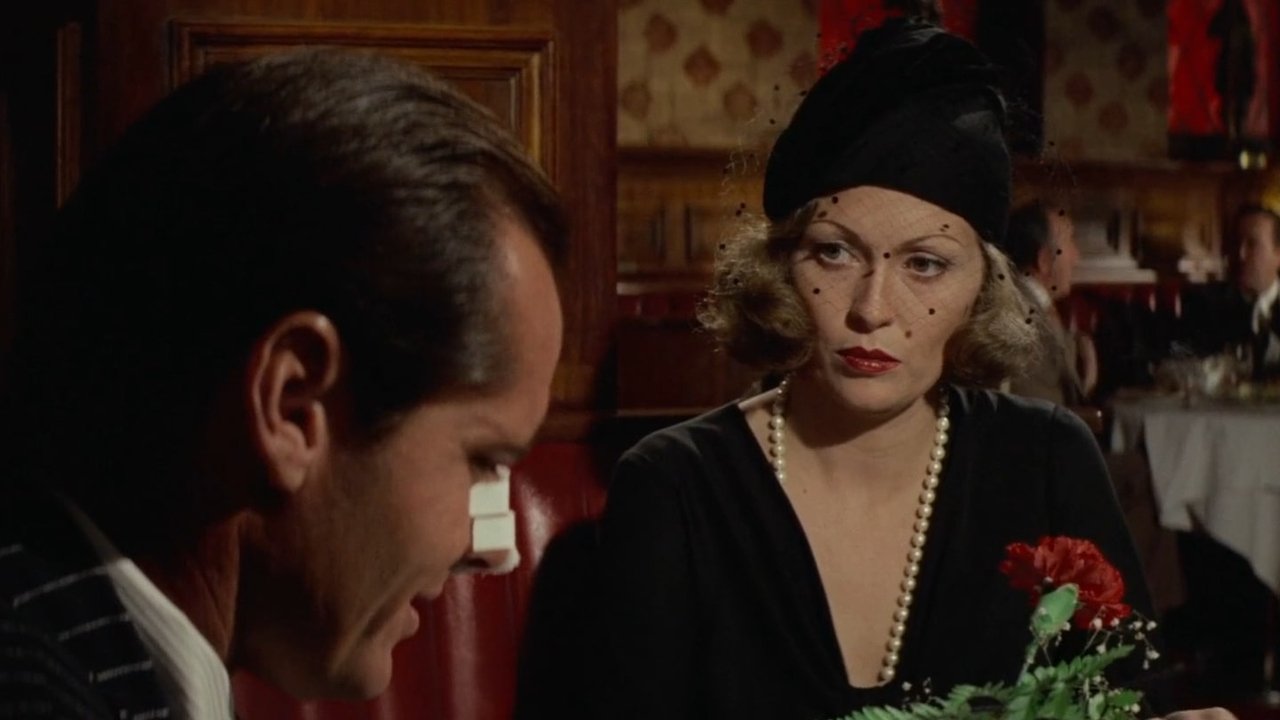
Then there is the cast. Faye Dunaway as the real Evelyn Mulwray is magnificent. She plays Evelyn with a brittle, nervous energy that makes you want to protect her and suspect her all at once. Her chemistry with Nicholson is magnetic because it feels so earned—they aren't "movie stars" falling in love; they are two traumatized people trying to find a life raft in a sea of corruption. And standing over them both is John Huston as Noah Cross. Huston, a legendary director himself (The Maltese Falcon), gives us a villain who is terrifying precisely because he is so charming and grandfatherly. Noah Cross is a more realistic monster than anything you'll find in a slasher flick, because he doesn't want to kill you; he wants to own the future you're standing on.
The Legacy of the Bitter End
Chinatown was a massive critical darling, racking up 11 Oscar nominations. However, it ran headfirst into The Godfather Part II at the 1975 Academy Awards, which is basically the cinematic equivalent of a high-speed collision between two freight trains. Robert Towne took home the lone win for Best Original Screenplay, which was a just reward for a script that remains studied by every aspiring writer in Hollywood today.
The film is famous for its ending—a bleak, crushing finale that was famously debated between Polanski and Towne. Towne wanted something more hopeful; Polanski, having lived through his own share of real-world trauma, insisted that the darkness should win. History proved the director right. That final line—the one everyone knows, even if they haven't seen the film—is the perfect punctuation mark for an era of cinema that refused to lie to its audience. It tells us that sometimes the bad guys don't just win; they buy the police department and build a fountain over the truth.
Chinatown is a rare beast: a "prestige" film that is also a gripping, visceral mystery. It rewards repeat viewings because the clues are all there, hidden in plain sight, just waiting for you to be as smart (or as foolish) as Jake Gittes. It’s a reminder of a time when Hollywood trusted its audience to handle a story with no easy answers. If you haven't seen it, find the best screen you can, turn off the lights, and prepare to get very, very thirsty. Just don't expect a happy ending.
Keep Exploring...
-
The Tenant
1976
-
Rosemary's Baby
1968
-
Mississippi Burning
1988
-
Dog Day Afternoon
1975
-
In the Heat of the Night
1967
-
All the President's Men
1976
-
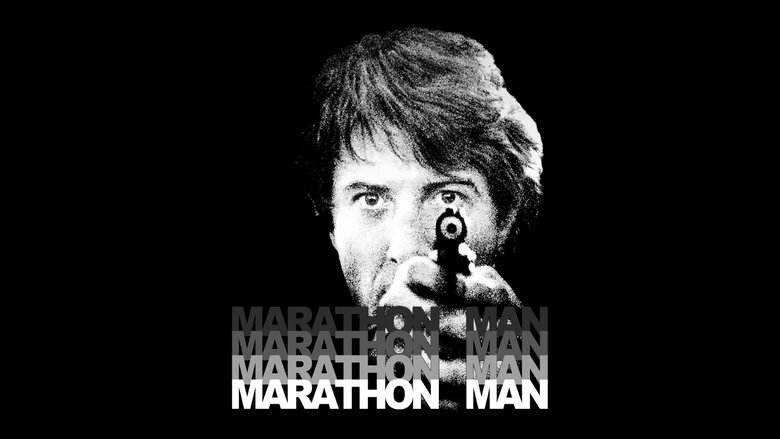
Marathon Man
1976
-
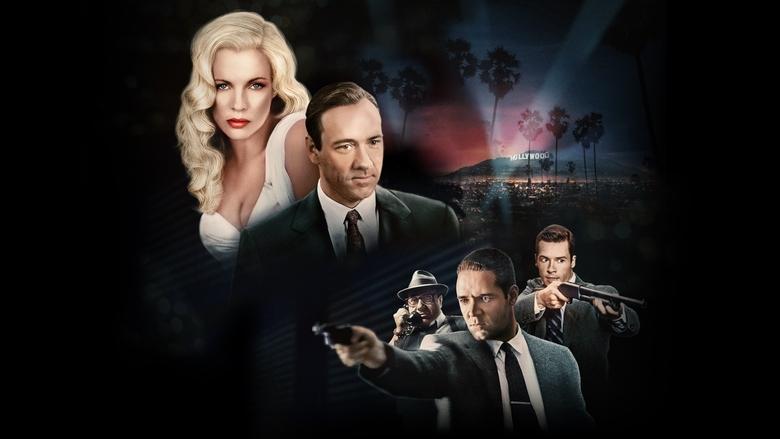
L.A. Confidential
1997
-

Repulsion
1965
-

The Conversation
1974
-

Murder by Death
1976
-
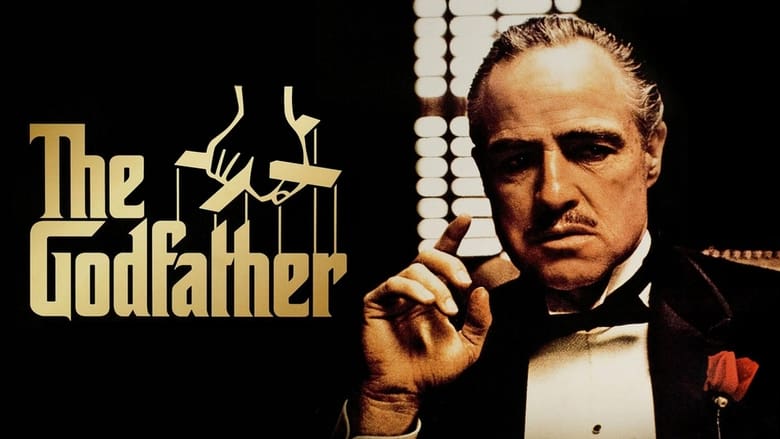
The Godfather
1972
-
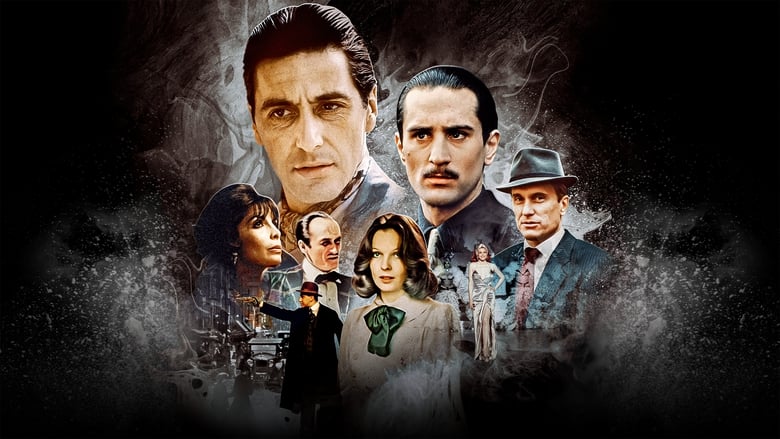
The Godfather Part II
1974
-
Blow Out
1981
-
Clue
1985
-
Witness
1985
-
Blue Velvet
1986
-
Straw Dogs
1971
-
Murder on the Orient Express
1974
-

Taxi Driver
1976