Death Wish
"Vengeance is a cold barrel in a dark alley."
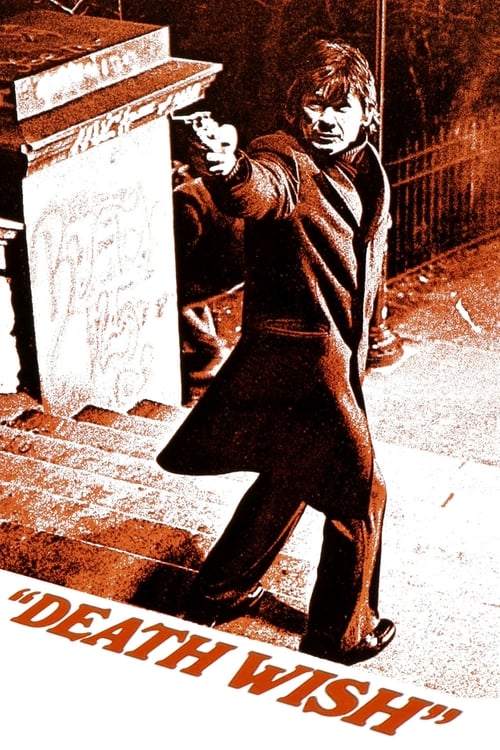
New York City in the mid-seventies didn't just look dangerous; it looked like a city that had been left out in the rain to rot. When you watch Michael Winner’s Death Wish, you aren’t seeing a Hollywood set or a polished backlot. You’re seeing the actual, sweat-soaked, graffiti-covered reality of a Manhattan that was teetering on the edge of bankruptcy and social collapse. I once dropped a slice of pepperoni pizza face-down on my rug while watching the subway scene in this film, and I was so genuinely tense that I just left it there for twenty minutes. That’s the kind of movie this is—it demands your attention by making you feel like you’re walking home alone at 2:00 AM.
The Concrete Jungle of 1974
Long before the vigilante genre became a playground for high-tech gadgets and bullet-ballet choreography, Death Wish arrived as something much more grounded and, frankly, uglier. It’s the story of Paul Kersey, played with a legendary, stone-faced stoicism by Charles Bronson (The Great Escape, Once Upon a Time in the West). Kersey isn't a retired special forces operator or a martial arts expert; he’s an architect. He’s a self-described "bleeding-heart liberal" who believes in the system until the system fails him in the most horrific way imaginable.
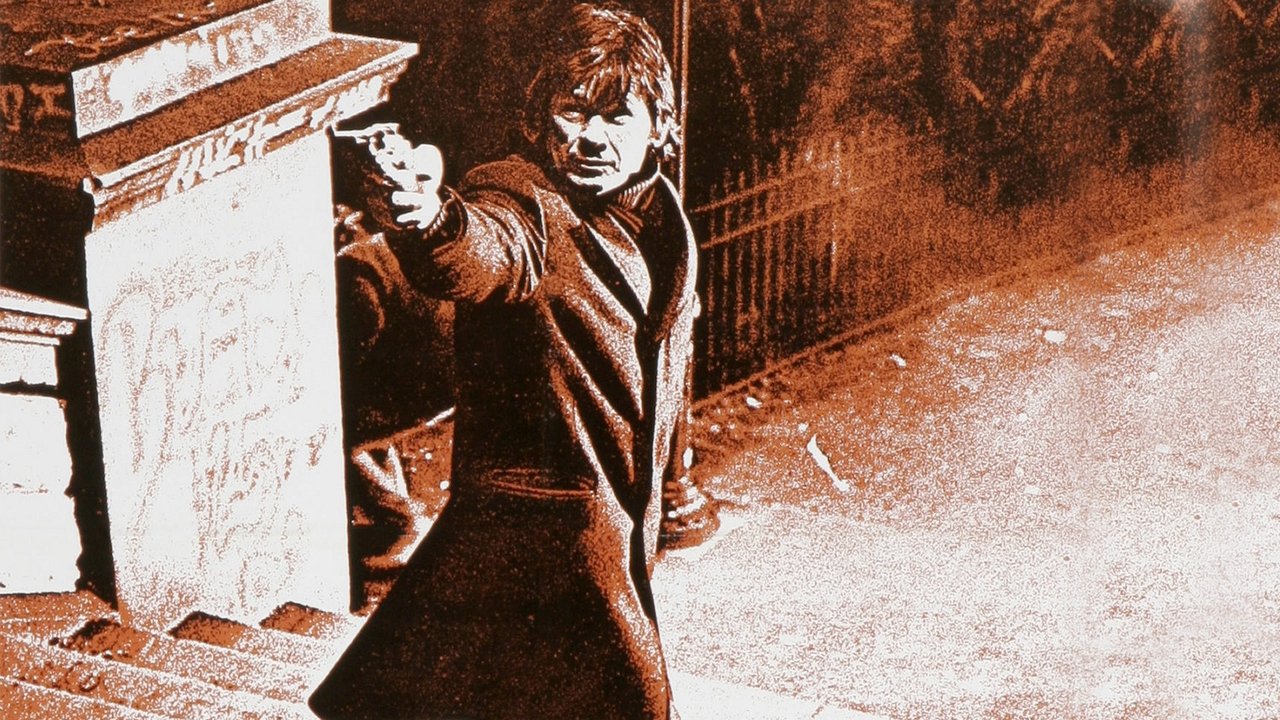
The attack on his wife (Hope Lange) and daughter is notoriously difficult to watch. It’s staged with a jarring, handheld messiness that makes it feel less like a movie scene and more like a police report. This isn't the "cool" violence of a modern blockbuster; it’s mean, senseless, and designed to make you want blood. The most terrifying thing in 1974 wasn't a movie monster; it was a guy in a trench coat with a .32 Colt. When Kersey eventually snaps, it doesn't happen overnight. He starts with a sock full of quarters—a low-budget, DIY weapon that perfectly encapsulates the film's gritty, practical vibe.
Bronson, Bullets, and a Very Young Goldblum
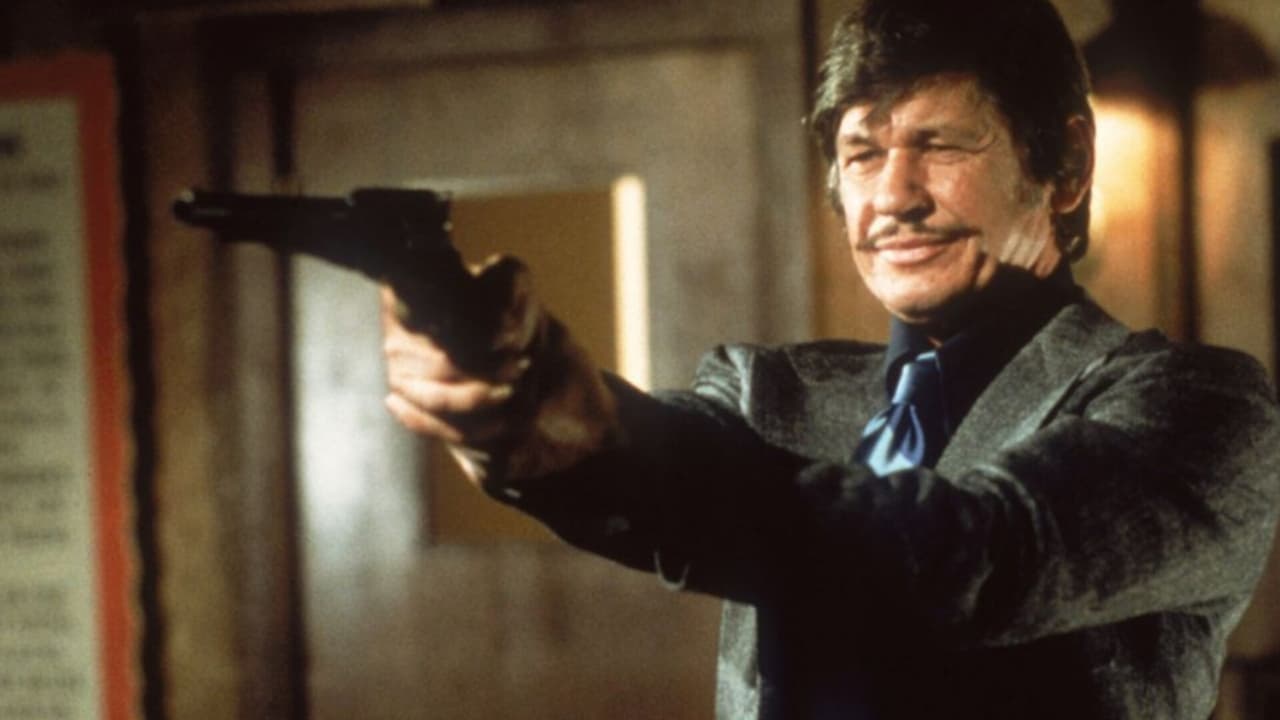
Charles Bronson's mustache has more emotional range than most modern action leads. Seriously, there is something about his face that just fits the era. He looks like he’s made of leather and regrets. Watching his transformation from a grieving husband to a predatory hunter is fascinating because he doesn't become a superhero. He’s still a middle-aged guy who gets winded and makes mistakes. He’s just a guy who stopped caring about the rules.
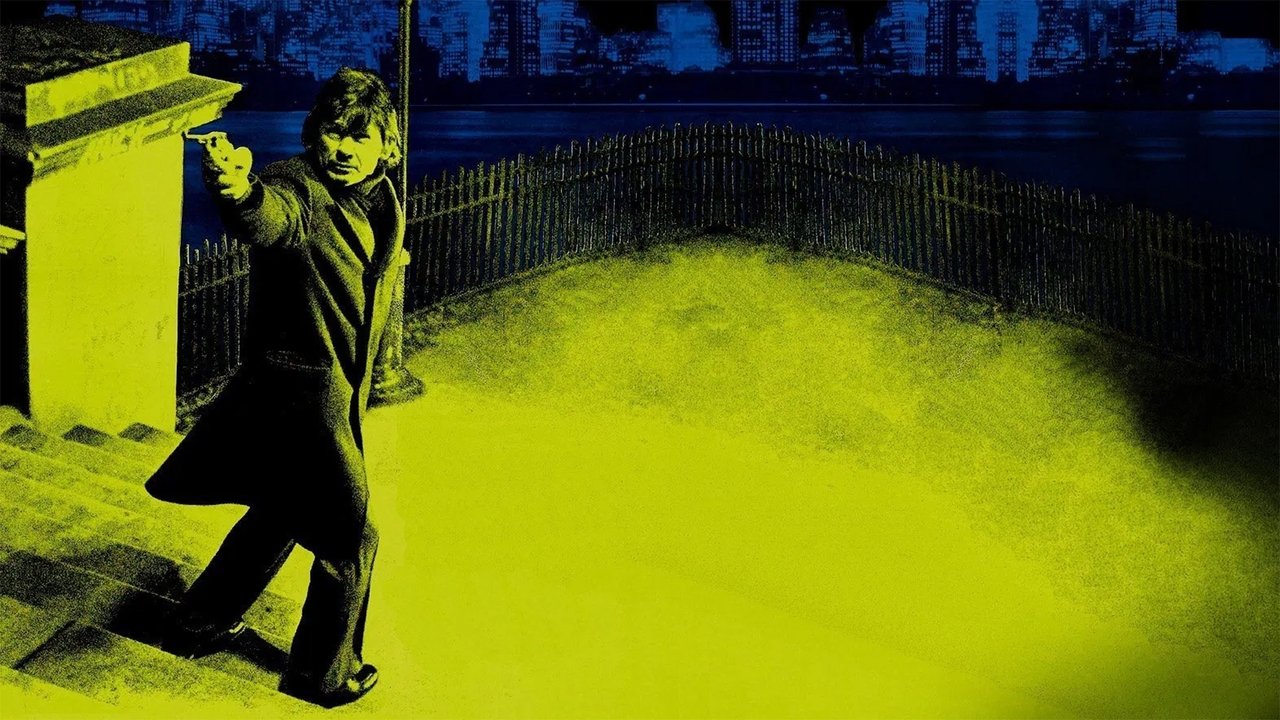
One of the wildest things about revisiting Death Wish today is seeing a very young, very manic Jeff Goldblum in his film debut as "Freak #1." Long before he was explaining chaos theory in Jurassic Park, he was playing a twitchy, terrifying street punk in a ridiculous hat. It’s a small role, but it highlights the film’s "street-casting" feel. Director Michael Winner famously prioritized authenticity, shooting on location in the darkest corners of Riverside Park and the subway system. There are no fancy lighting rigs here—just the yellow, sickly glow of streetlamps and the deep shadows of an un-gentrified New York.
The film's score is another weirdly brilliant choice. Instead of a traditional orchestral thriller soundtrack, we get a funky, discordant, jazz-fusion score by the legendary Herbie Hancock. It’s jarring at first—hearing those slick 70s grooves while Kersey is prowling for muggers—but it adds to the disorienting, urban-nightmare atmosphere. It feels like the city itself is vibrating.
The Indie Hustle and the Home Video Boom
While Death Wish became a massive franchise for Cannon Films later in the 80s, the original 1974 film was a much more personal, controversial project. It was actually based on a novel by Brian Garfield, who famously hated the movie. Garfield wrote the book as a warning against vigilantism, showing how it destroys the soul of the man seeking revenge. Michael Winner and Charles Bronson, however, leaned right into the wish-fulfillment aspect. They knew exactly what the terrified audiences of the 1970s wanted: someone to fight back.
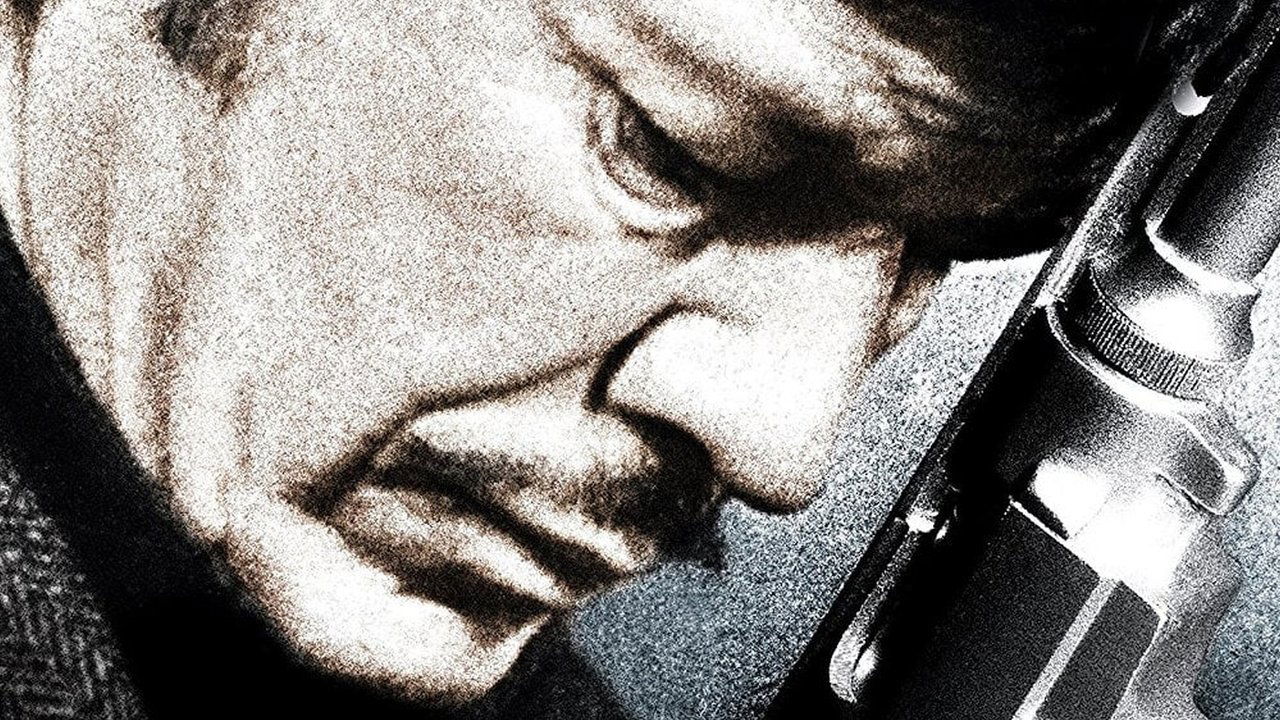
Made for a relatively modest $3 million, the film was a massive hit, eventually grossing over $22 million in its initial run. But for many of us, the real life of Death Wish began on the shelves of the local video store. This was a staple of the early VHS era. I remember the iconic box art—Bronson’s weathered face, the gun, the city skyline. It was the kind of tape that was always "out," and when you finally snagged it, the tracking was usually a mess from a thousand previous viewings. The grain of the film and the grain of the magnetic tape seemed to merge, creating a viewing experience that felt like you were watching something you shouldn't be allowed to see.
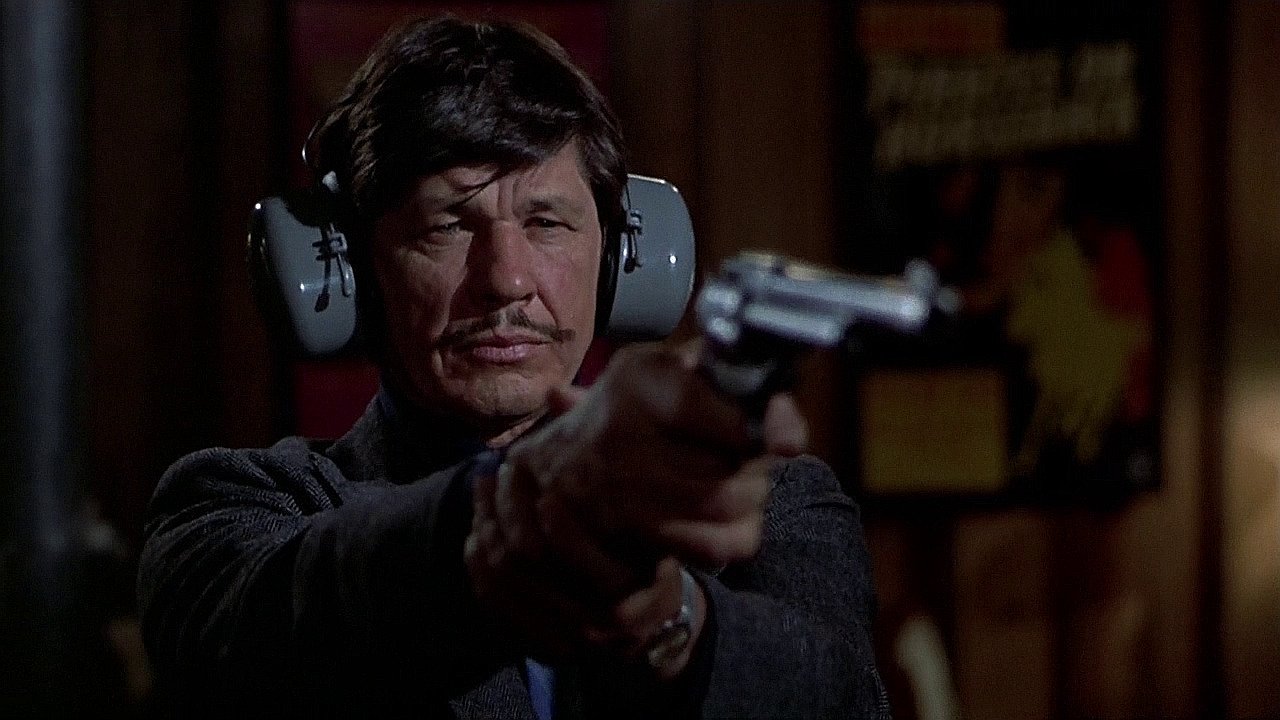
The practical effects here are simple but effective. When a gun goes off, it’s loud and messy. There’s a weight to the action that CGI just can’t replicate. When Kersey fires that revolver, you feel the kick. It’s a tactile, physical piece of filmmaking that reminds us why the 70s were the gold standard for "tough guy" cinema.
Death Wish is more than just an action movie; it’s a time capsule of a city in crisis and a star at the absolute peak of his "tough-as-nails" era. It’s uncomfortable, politically complicated, and undeniably effective. Whether you’re a fan of the later, more over-the-top sequels or you’re coming to the original for the first time, there’s no denying the raw power of Charles Bronson walking into a dark alley and waiting for the world to give him an excuse. Just make sure you finish your pizza before the subway scene starts.
Keep Exploring...
-

Magnum Force
1973
-
Marathon Man
1976
-
Dirty Harry
1971
-
Mean Streets
1973
-
Serpico
1973
-
Badlands
1974
-

The Conversation
1974
-
Assault on Precinct 13
1976
-
Straw Dogs
1971
-
Fist of Fury
1972
-
The Way of the Dragon
1972
-
Midnight Express
1978
-
Lock Up
1989
-
Tango & Cash
1989
-
In the Heat of the Night
1967
-

Kickboxer
1989
-
The Killer
1989
-

Breathless
1960
-
Pierrot le Fou
1965
-
The French Connection
1971