Murder on the Orient Express
"Twelve passengers, one victim, and a train full of ghosts."
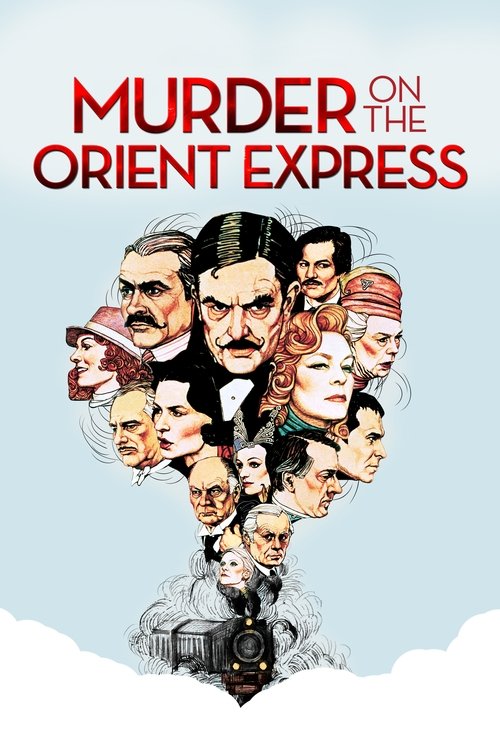
Before Sidney Lumet stepped onto the tracks of the Orient Express, he was the king of the New York concrete jungle. He was the guy you called for sweat-drenched, gritty realism—the man behind the frantic energy of Serpico and the claustrophobic tension of 12 Angry Men. So, when he decided to adapt Agatha Christie’s most famous puzzle, people expected a collision of styles. What they got was perhaps the most elegant, star-studded funeral procession ever captured on 35mm.
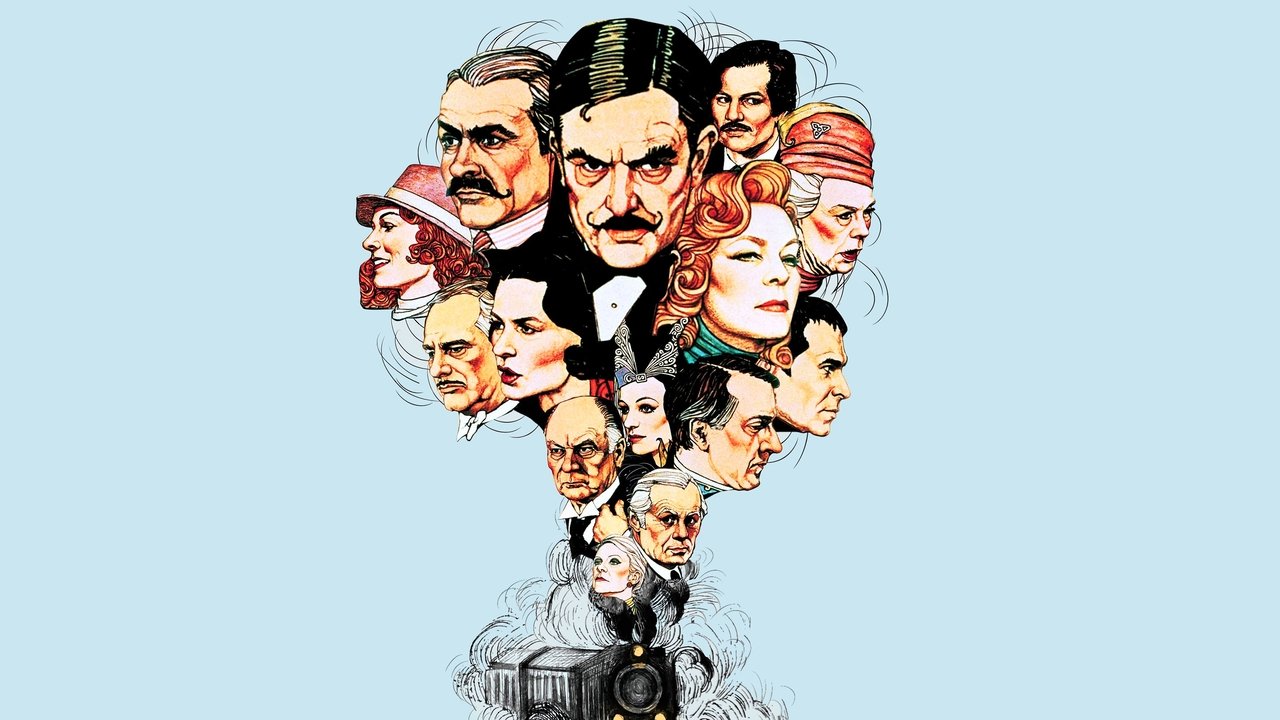
I watched this most recent time on a grainy digital rip while my neighbor was loudly practicing the tuba, and weirdly, the Oompah-pa rhythms actually matched the mechanical chugging of the steam engine perfectly. It’s a film that demands your full attention, not because the plot is impossibly dense—though it is a Christie, so keep your notepad handy—but because the sheer density of talent on screen is bordering on illegal.
The Gilded Cage of the Calais Coach
The 1970s was a strange decade for the "Old Hollywood" spectacle. While the "Movie Brats" like Spielberg and Scorsese were reinventing the wheel with sharks and taxi drivers, Lumet decided to look backward. He treated Murder on the Orient Express not as a dusty relic, but as a high-stakes psychological drama trapped in a velvet-lined box.
The premise is a masterclass in economy: A train is trapped in a snowdrift somewhere in Yugoslavia. A man is found dead, stabbed twelve times in a locked compartment. Luckily (or unluckily, depending on which side of the knife you’re on), the world’s greatest detective is in the next car over.
Lumet and cinematographer Geoffrey Unsworth don’t just film a train; they film a dream of 1935. The lighting is soft, almost pearlescent, making the silver sets and silk gowns pop with a nostalgic glow that feels like looking at a hand-tinted postcard. It creates a fascinating tension. Everything looks so beautiful, so civilized, yet we are constantly reminded that a man was slaughtered just a few feet away. It’s a "Dark Drama" disguised as a dinner party.
A Masterclass in High-Caliber Posturing
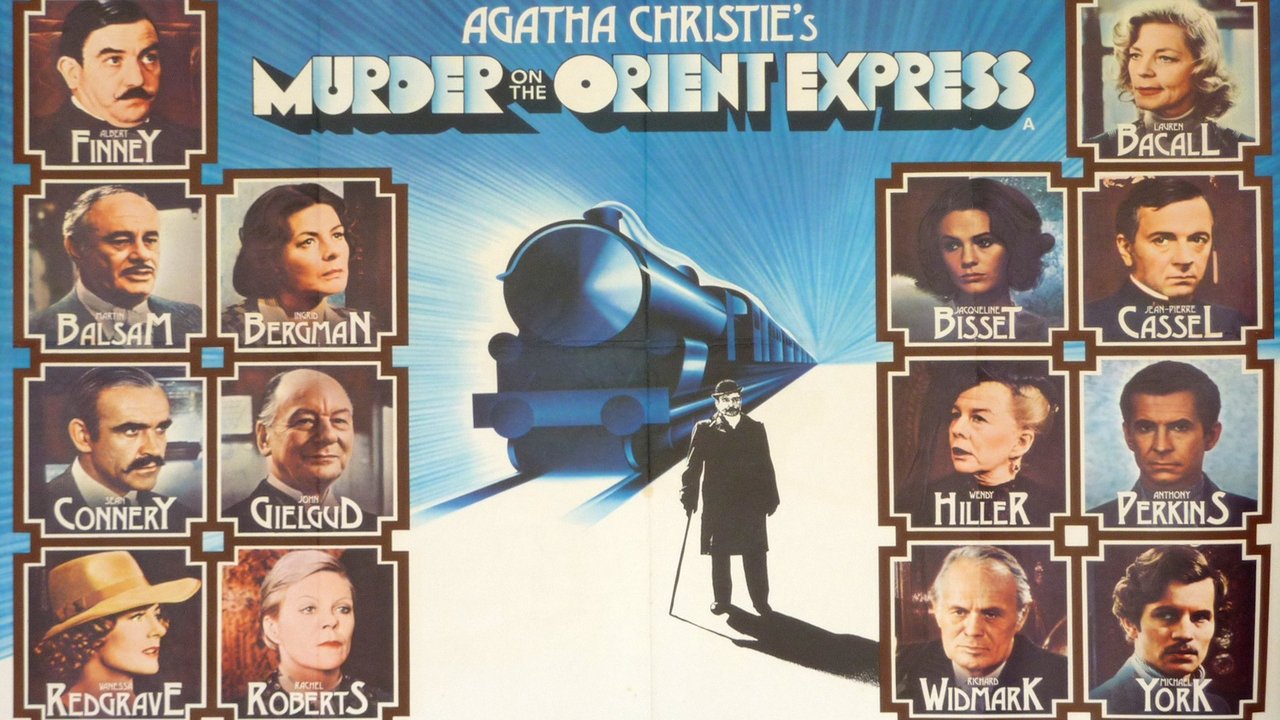
Then, there is the cast. This isn't just an ensemble; it’s a hostage situation of A-list egos, and Lumet manages them like a symphony conductor. Lauren Bacall is a force of nature as the talkative Mrs. Hubbard, practically weaponizing her dialogue. Sean Connery, fresh off his Bond years and sporting a formidable mustache, brings a quiet, simmering steel to Colonel Arbuthnot.
But the real shock to the system is Ingrid Bergman. She won an Oscar for her role as the mousey, stuttering missionary Greta Ohlson, and watching it now, you can see why. In one five-minute unbroken take, she deconstructs a character’s entire soul through nervous tics and downward glances. It’s a reminder that even in a "blockbuster" mystery, the 1970s prioritized the actor over the set-piece.
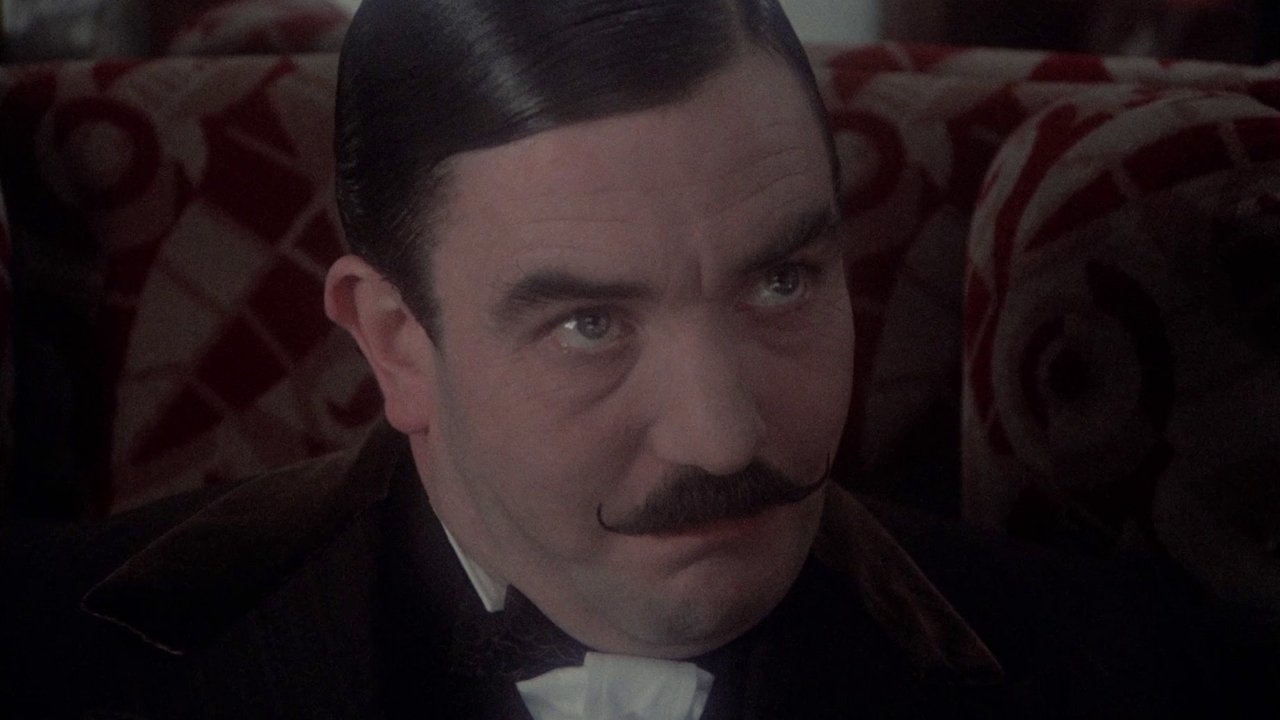
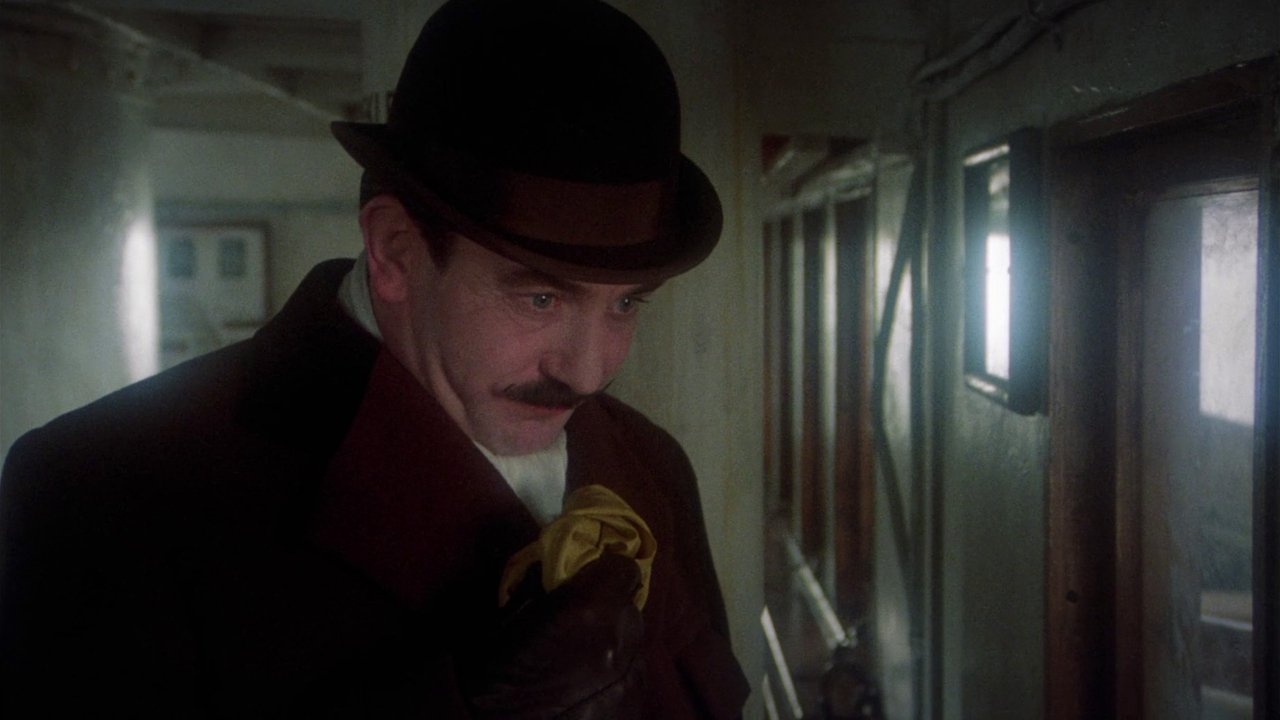
Then we have Albert Finney. His Hercule Poirot is... well, he’s a lot. If you grew up on the polite, fastidious David Suchet version, Finney will hit you like a freight train. He’s padded, hunched, and screams his deductions with the intensity of a man having a very stylish nervous breakdown. Finney plays Poirot like a man who has consumed twelve espressos and a handful of amphetamines. It’s a polarizing performance, but I love it. He makes the detective feel alien, a creature of pure logic who has no patience for the "human" messiness surrounding him.
The Weight of the Final Whistle
What separates the 1974 version from its many remakes—including the glossy, CGI-heavy 2017 take—is the ending. Lumet doesn't play the reveal for cheers or "gotcha" moments. Instead, he leans into the "Intense Treatment" required by Christie’s darker themes. As the truth comes out, the film shifts from a fun parlor game into a somber meditation on grief, vengeance, and the failure of the legal system.
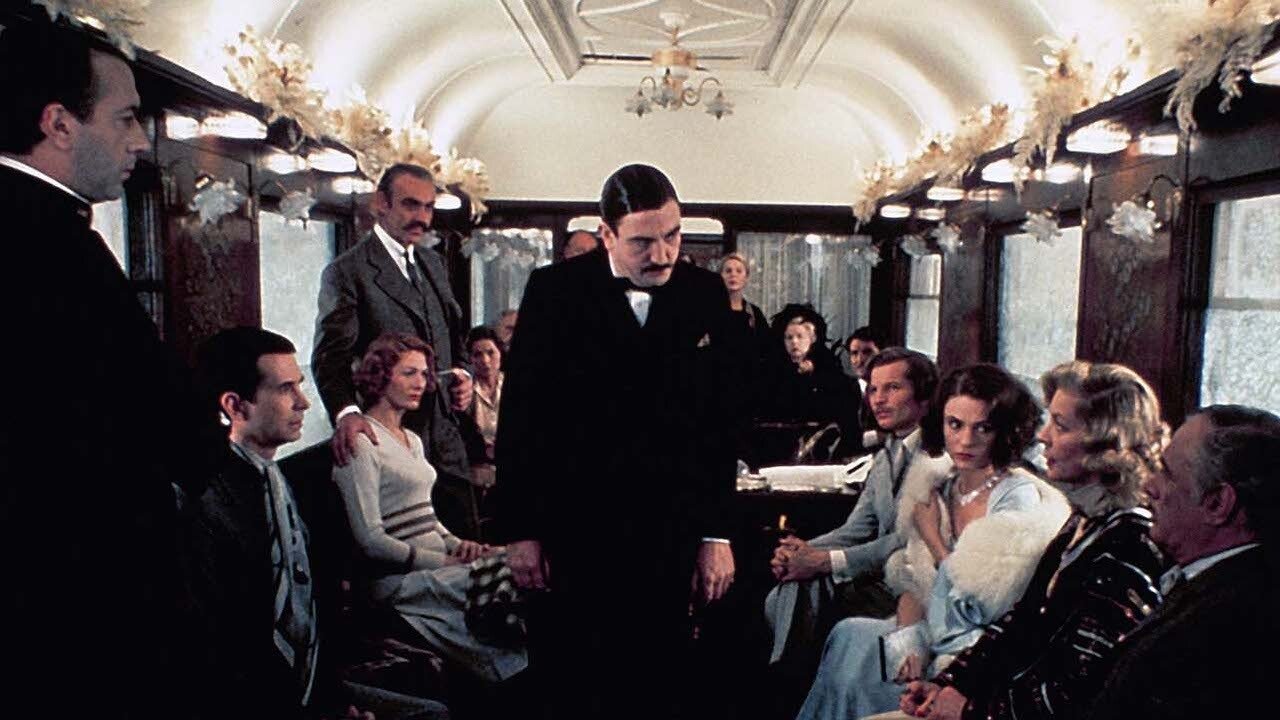
The final tableau, with the suspects gathered in the dining car while the snow glows blue outside the windows, is haunting. There is no triumph in Poirot’s eyes. There is only the realization that some crimes are too large for a courtroom to contain.
Behind the scenes, the production was just as focused. Because the train cars were built to actual scale, the crew had to constantly dismantle the walls to fit the cameras. There were no green screens here; that snow was real, and the heat inside the studio was reportedly stifling, which probably helped Anthony Perkins lean into his trademark twitchy energy as the victim's secretary.
The film was a massive hit, proving that even in the era of the "New Hollywood" rebel, audiences still hungered for the "Who’s Who" of the old guard. It’s a film that feels like a heavy, expensive wool coat—it’s warm, it’s expertly tailored, and it has a bit of a bite to it when the wind catches you.
If you only know Poirot through modern iterations, you owe it to yourself to see the 1974 version. It’s a rare beast: a commercial "event" movie that treats its audience like adults and its characters like complicated, broken human beings. It’s the kind of film that lingers in your mind long after the engine finally pulls out of the snowdrift. Don’t just watch it for the mystery—watch it for the way Albert Finney shouts "The twelve stabs!" like it's a Shakespearean curse.
Keep Exploring...
-
Blow-Up
1966
-
Dog Day Afternoon
1975
-
Serpico
1973
-
In the Heat of the Night
1967
-
All the President's Men
1976
-
Straw Dogs
1971
-
Chinatown
1974
-
The Tenant
1976
-
Fist of Fury
1972
-

The Conversation
1974
-
Peeping Tom
1960
-

Repulsion
1965
-
Network
1976
-
The Name of the Rose
1986
-
Mississippi Burning
1988
-
What Ever Happened to Baby Jane?
1962
-
After Hours
1985
-

Day of the Dead
1985
-
Deliverance
1972
-
Pi
1998