The Conversation
"The hunter becomes the haunted by his own tapes."
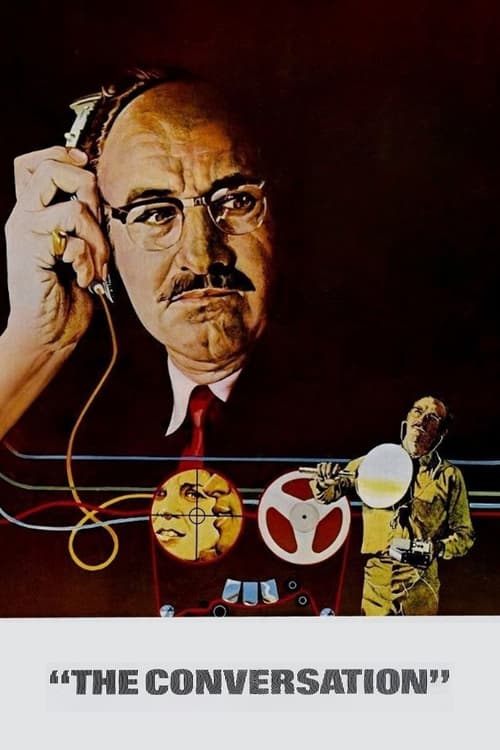
I watched The Conversation last Tuesday while my neighbor was outside operating a particularly aggressive leaf blower, and honestly, the intrusive, grating drone of that machine only made the movie better. It put me in exactly the right headspace for Harry Caul—a man who spends his entire life trying to filter out the noise of the world to find the one truth hidden in the static.
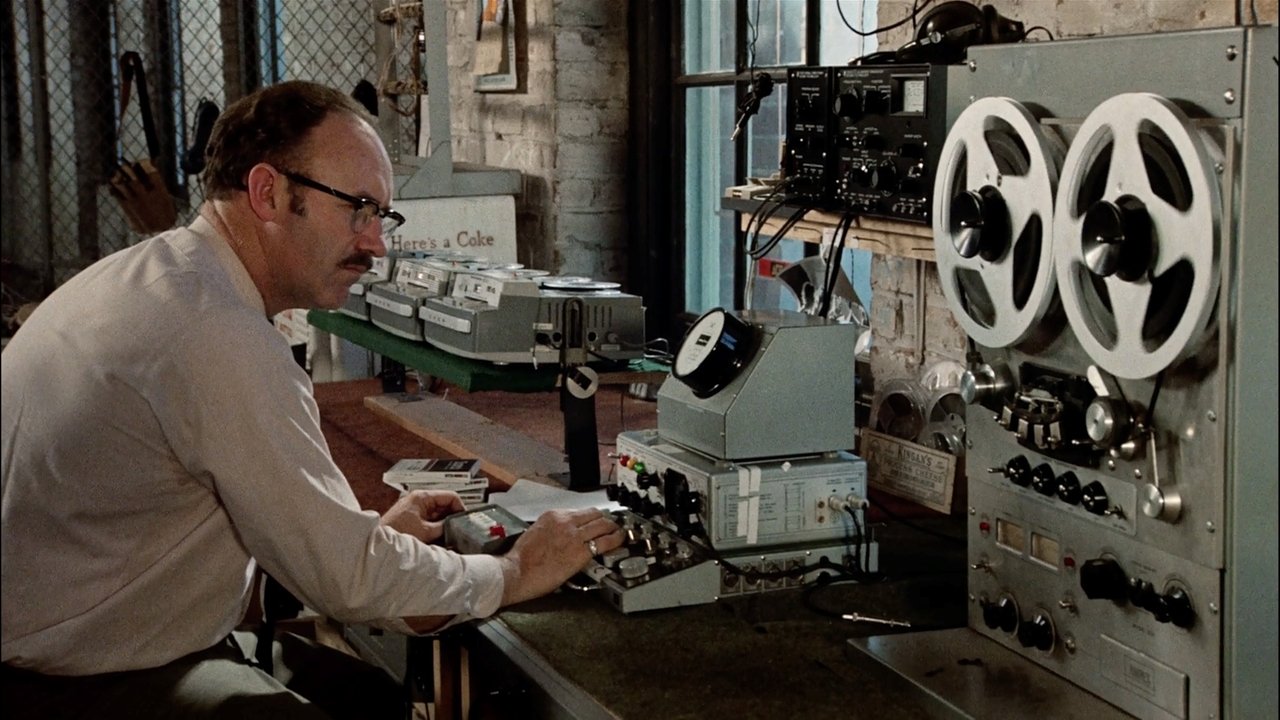
Coming off the massive, operatic success of The Godfather, Francis Ford Coppola could have done anything. He chose to go small, gray, and intensely private. This isn't a film that demands your attention with explosions; it’s a film that earns your attention by whispering secrets and then making you wonder if you’re the next person being recorded.
The Man in the Plastic Raincoat
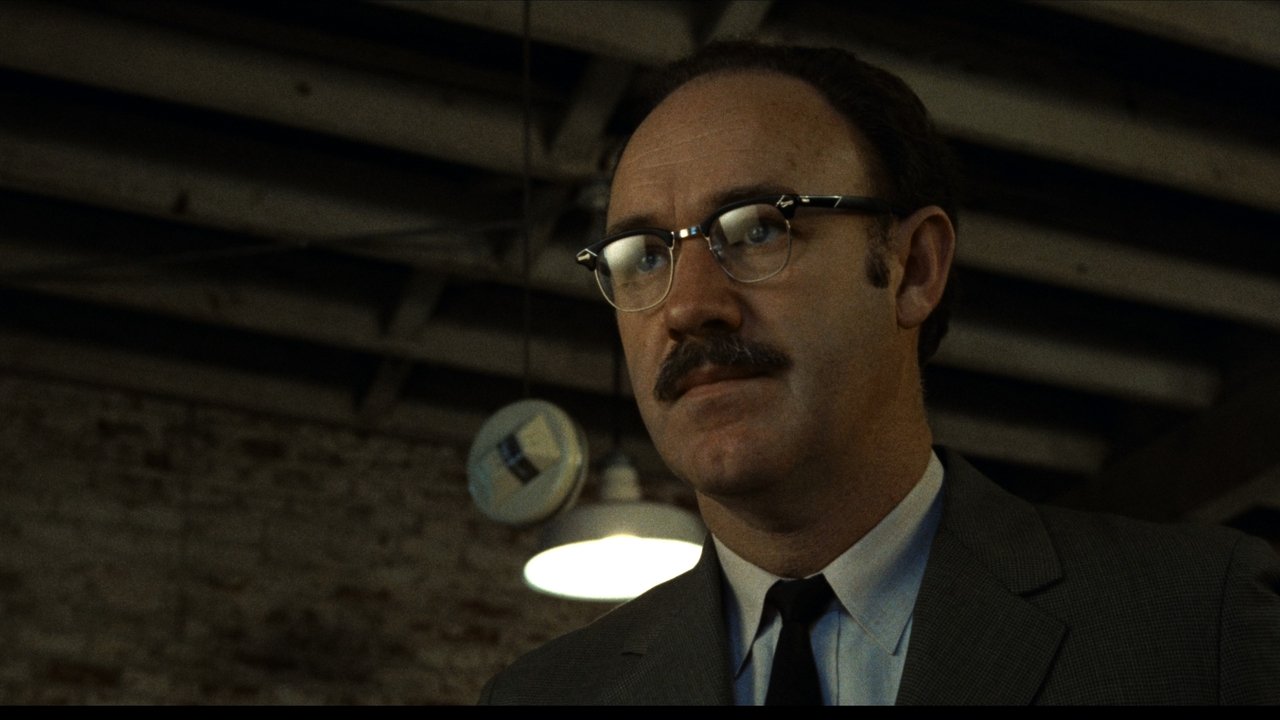
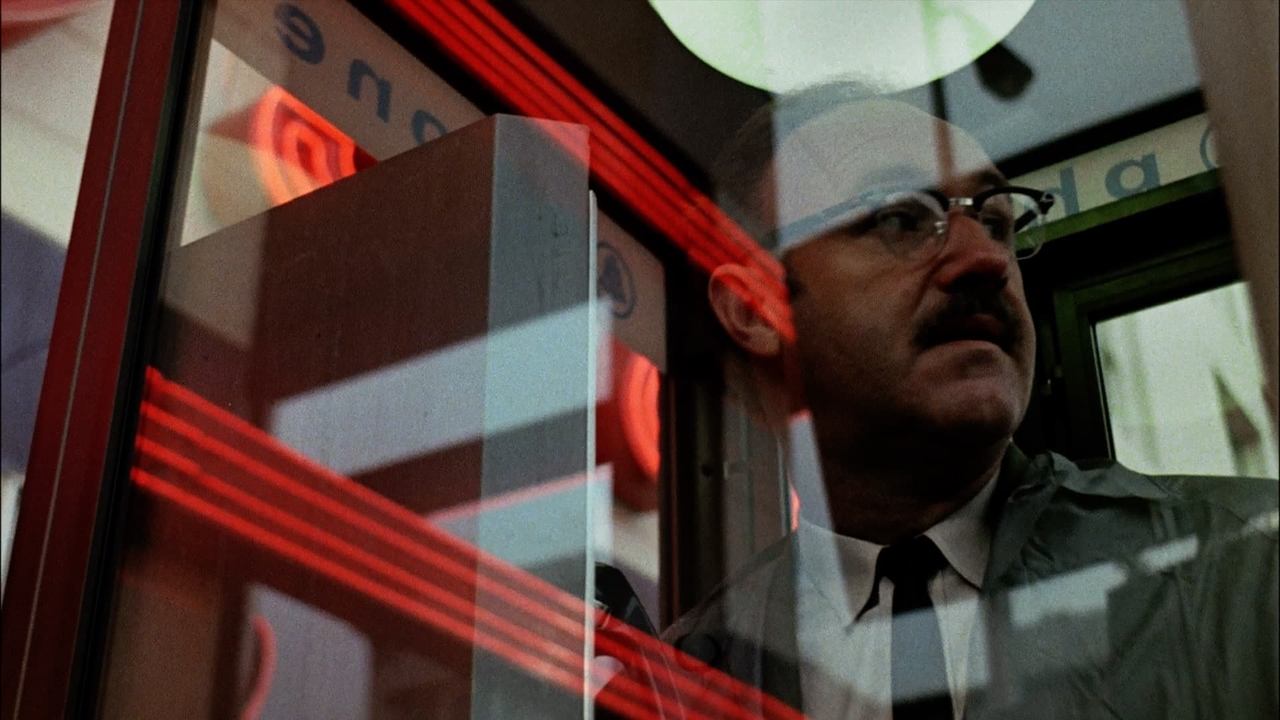
At the center of this spiral is Gene Hackman as Harry Caul. If you only know Hackman from his more boisterous roles, his work here is a revelation. He plays Harry like a man who is trying to apologize for his own existence. He wears a translucent plastic raincoat even when it isn't raining, a literal second skin to keep the world from touching him. Harry is the best surveillance "wire-tapper" in the business, a professional ghost who lives in a room with three locks on the door and no furniture to speak of.
Gene Hackman delivers a performance of such profound loneliness that it’s almost painful to watch. He has no friends, only competitors like the sleazy, boastful Bernie Moran (played with wonderful grease by Allen Garfield). Even his relationship with his assistant, Stan—played by the incomparable John Cazale, who brings that same nervous, soulful energy he had as Fredo—is strictly professional. Harry is a man who knows too much about everyone else to ever let anyone know anything about him. He’s basically a human firewall in a cheap suit.
The plot kicks off with a technical masterpiece: a surveillance job in San Francisco’s Union Square. Harry and his team are recording a young couple walking through the crowd. On the surface, it’s a mundane conversation. But as Harry obsessively filters and layers the tapes back at his lab, he hears a phrase that suggests the couple is in mortal danger. Suddenly, the professional wall he’s built around his conscience starts to crack.
Analog Anxiety and the Death of Privacy
What makes The Conversation so gripping in our era of digital footprints is how tactile and physical the paranoia feels. There are no cloud servers or satellite hacks here. This is the era of magnetic tape, reel-to-reel recorders, and soldering irons. When Harry sits at his workbench, meticulously syncing three different recordings to catch a single whispered word, you feel the weight of the technology.
This was a "New Hollywood" indie at heart, produced by The Directors Company—a short-lived experiment where Coppola, Peter Bogdanovich, and William Friedkin were given a few million bucks to make whatever they wanted. You can feel that creative freedom in the way the film lingers on the technical process. It’s a movie about the craft of spying.
The sound design is the real co-star here. David Shire’s piano score is lonely and dissonant, frequently interrupted by the distorted, electronic "chirp" of the surveillance equipment. It’s an immersive experience that makes you lean toward the screen, much like Harry leans toward his speakers. It turns the act of listening into a high-stakes contact sport. By the time Harry starts ripping his own apartment apart in the finale, searching for a bug he can’t find, you’ll be looking at your own smoke detector with a healthy dose of suspicion.
The VHS Grime and the Watergate Ghost
I remember seeing the old VHS box for this in the "Drama/Thriller" section of a local rental shop back in the late 80s. The cover art usually featured Gene Hackman looking through a lens or holding a headset, framed in high-contrast shadows. It looked like a spy movie, but people who rented it expecting James Bond probably ended up very confused. This is a slow-burn character study that feels like a cold sweat.

The film's legacy is tied inextricably to its timing. Though Coppola wrote the script years earlier, it was released right as the Watergate scandal was dismantling American trust in government. It captured a specific 1970s flavor of cynicism—the realization that "The Director" (a chilling, uncredited Harrison Ford appears as a corporate lackey) is always listening.
Interestingly, the film was made on a relatively lean budget of $1.6 million. Coppola used his Godfather clout to protect this small, personal vision, and it paid off with a Palme d'Or at Cannes. It proves that you don't need a massive budget to create world-ending stakes; you just need a man, a tape recorder, and a guilty conscience.
The Conversation is a rare bird: a thriller that is as intellectually demanding as it is emotionally devastating. It’s a film that demands silence while you watch it, because every audio pop and hiss matters. It captures a moment in time when technology was becoming a tether rather than a tool, and Gene Hackman’s final scene—playing his saxophone in a gutted room—remains one of the most haunting images in cinema history. If you’ve ever felt like your phone was listening to you, this is the movie that will confirm your darkest fears.

Keep Exploring...
-

Apocalypse Now
1979
-
The Godfather Part II
1974
-
In the Heat of the Night
1967
-
The Godfather
1972
-
Mississippi Burning
1988
-
The Outsiders
1983
-
Chinatown
1974
-
Mean Streets
1973
-
Serpico
1973
-
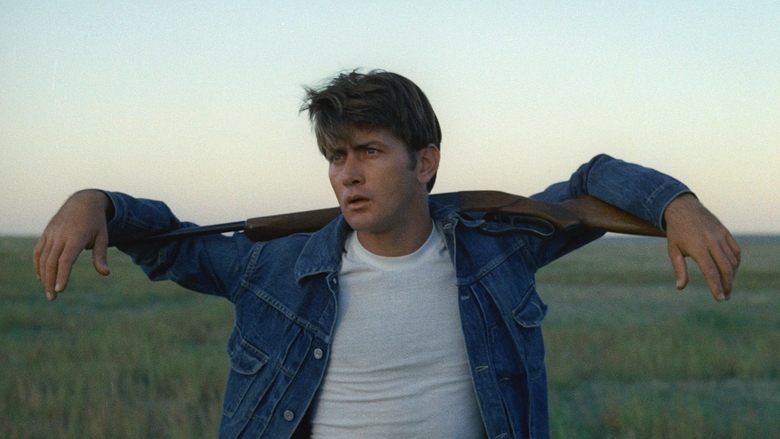
Badlands
1974
-
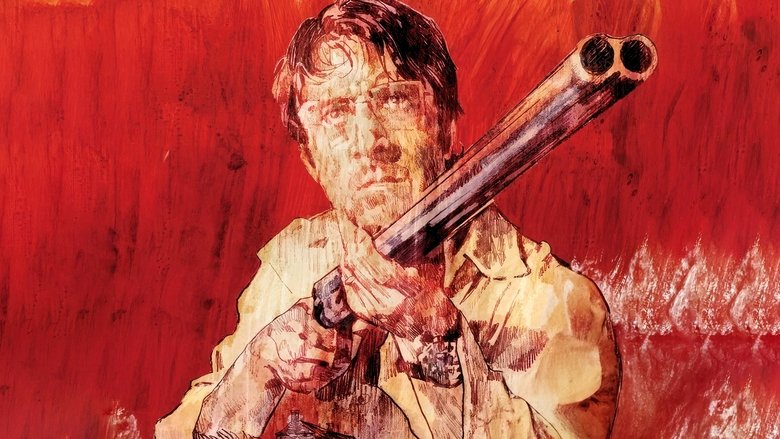
Straw Dogs
1971
-
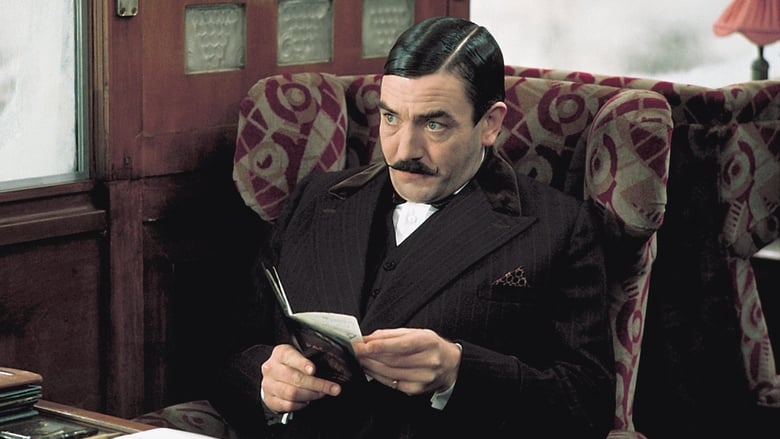
Murder on the Orient Express
1974
-
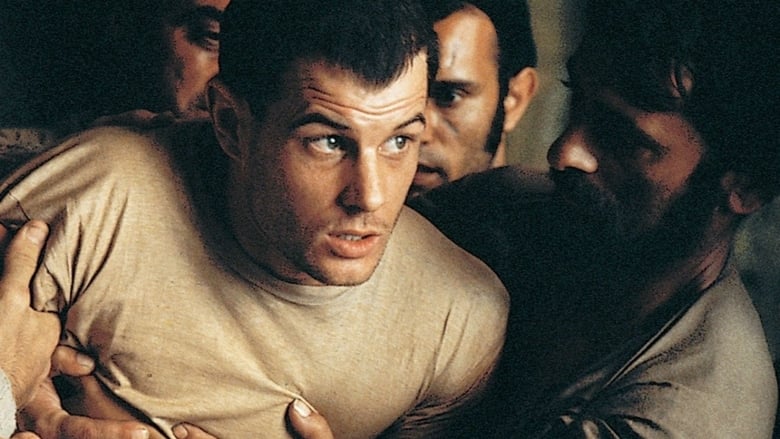
Midnight Express
1978
-
The Rainmaker
1997
-
Dog Day Afternoon
1975
-

Day of the Dead
1985
-
Witness for the Prosecution
1957
-
Anatomy of a Murder
1959
-

Breathless
1960
-
High and Low
1963