The Godfather Part II
"To protect the family, he had to destroy it."
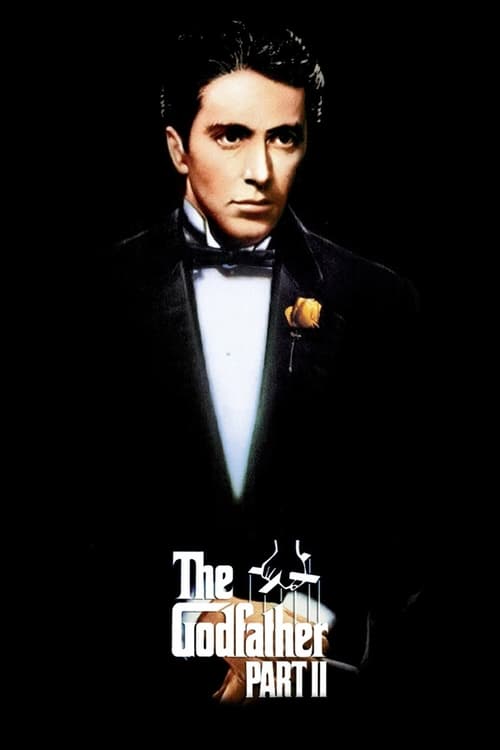
I recently rewatched The Godfather Part II on a rainy Tuesday while my radiator hissed like a disgruntled snake, and I realized something: this isn't just a sequel. It’s a 202-minute autopsy of a soul. While the first film was a Shakespearean tragedy about a son being pulled into his father’s orbit, this 1974 follow-up is a cold, clinical look at what happens when that son finally takes the throne and finds it made of ice.
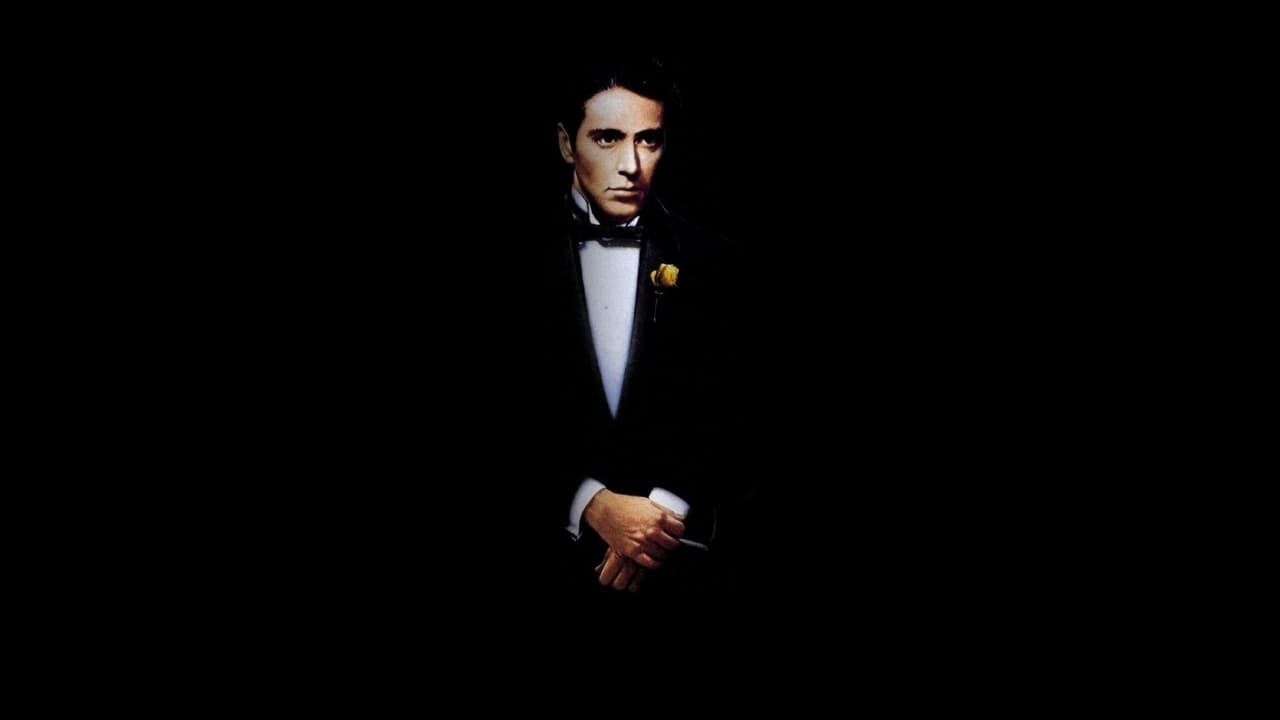
A Tale of Two Vitos
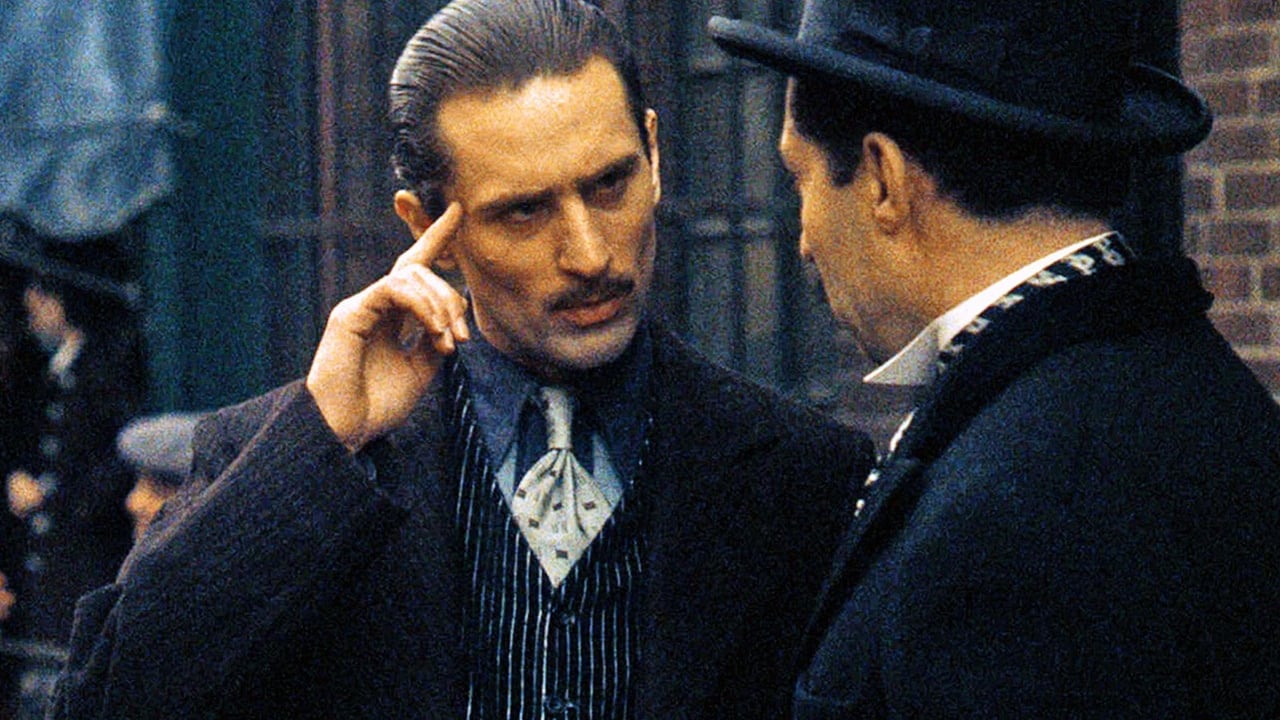
Francis Ford Coppola did something incredibly risky here by splitting the narrative between the 1950s, where Michael Corleone is consolidating power, and the 1910s, where a young Vito Corleone is surviving New York. It’s a structural gamble that pays off because it highlights the fundamental irony of the Corleone legacy. We watch Robert De Niro, playing the younger version of the character Marlon Brando made iconic, building an empire out of a necessity to protect his neighbors and his kin.
Robert De Niro is a revelation here. He doesn't do a Brando impression; he does a character study of a man who speaks softly because he knows exactly how much weight his words carry. He’s warm, community-focused, and almost justified in his violence. Then, the film cuts to Al Pacino’s Michael in the 1950s, a man who has all the power Vito ever dreamed of but has lost the very "family" he claims to be protecting. The contrast is devastating. While Vito builds a home, Michael Corleone is basically the CEO of a failing soul who thinks firing his brother will fix the quarterly earnings.
The Prince of Darkness and the Stillness of Pacino
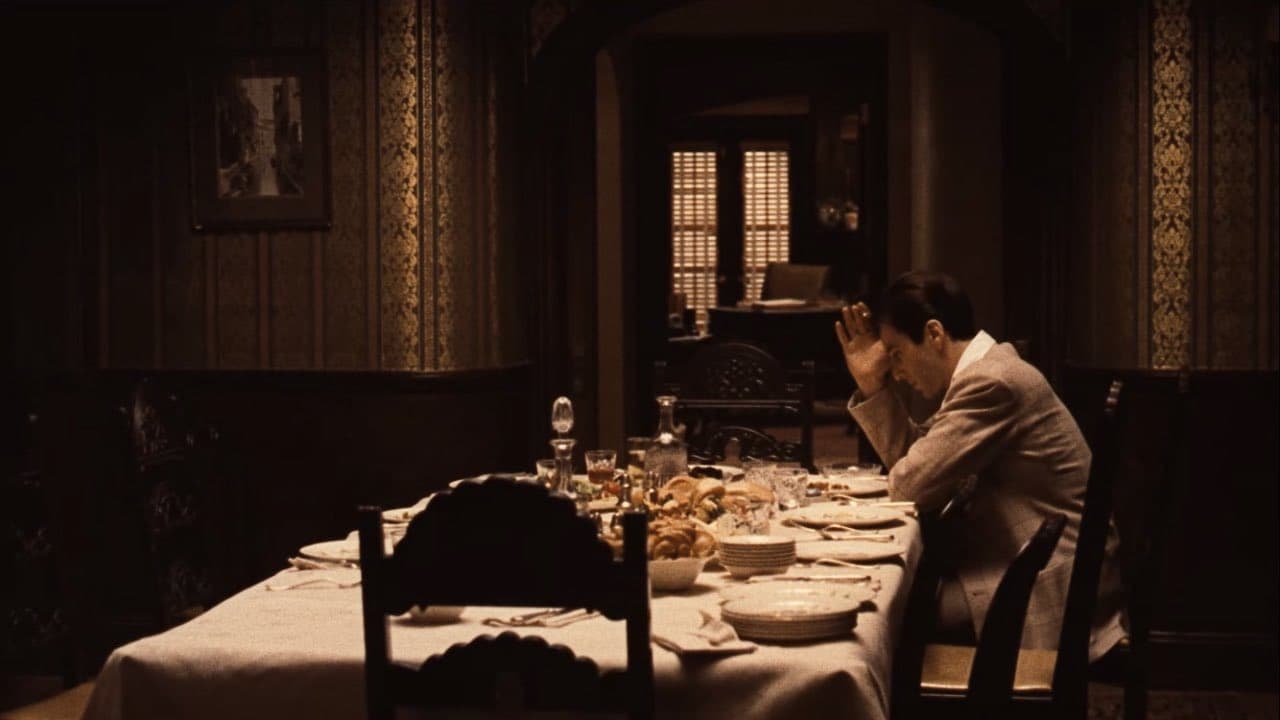
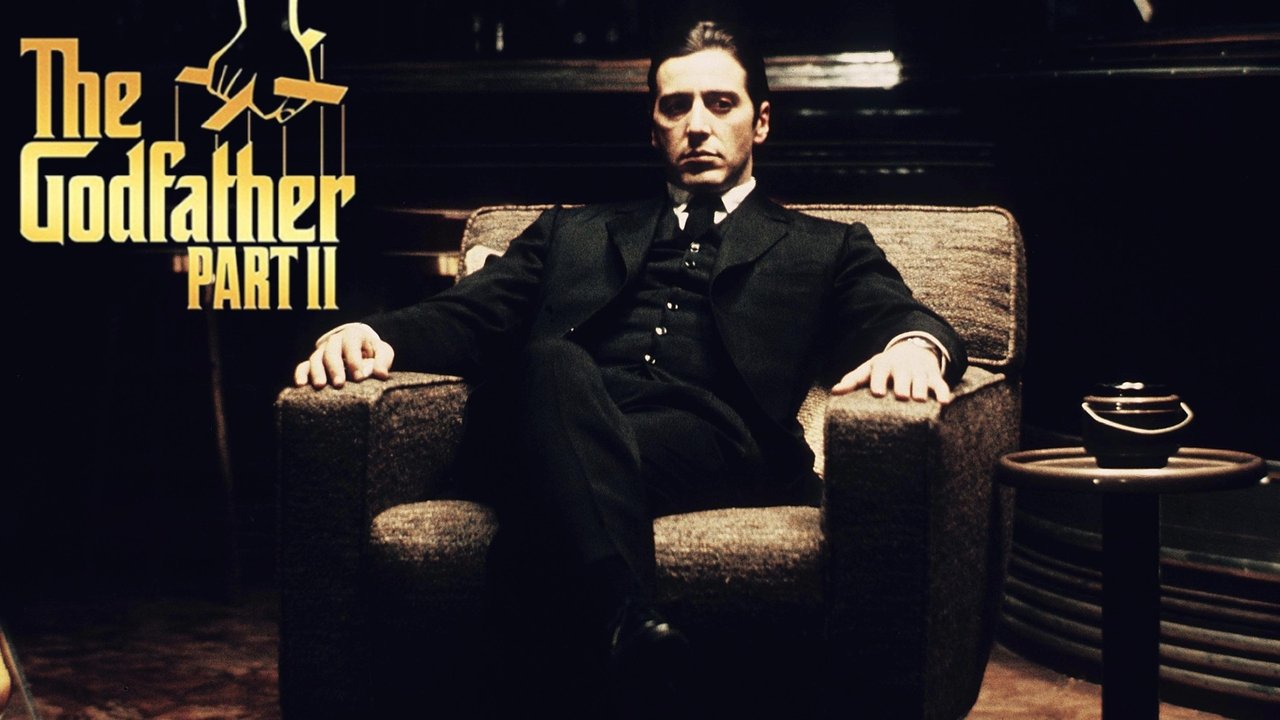
If the first film was golden and operatic, this one is shadowy and suffocating. We have to talk about Gordon Willis, the cinematographer nicknamed the "Prince of Darkness." In an era before digital sensors could "see" in the dark, Willis pushed film stock to its absolute limit. I love the way the Lake Tahoe scenes feel so frigid. The interiors are so underexposed that you can barely see Michael’s eyes—just two dark pits reflecting a man who has stopped feeling.
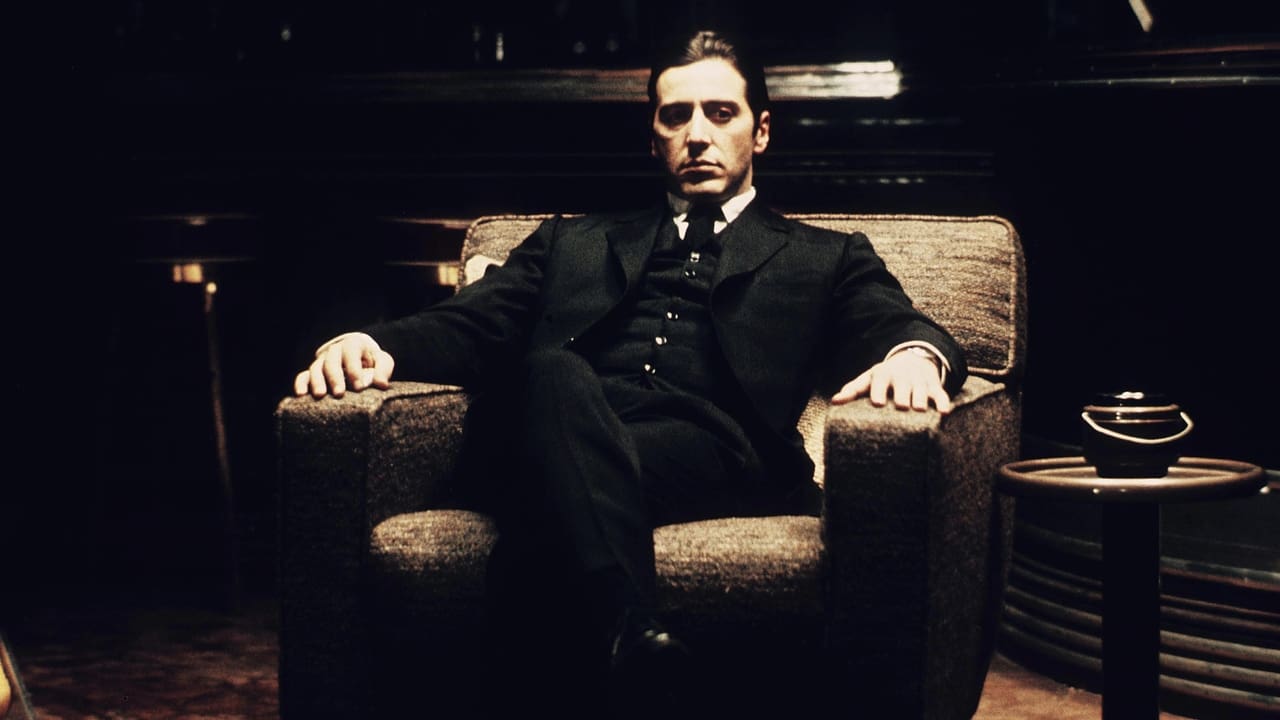
Al Pacino gives arguably the best performance of his career by doing almost nothing. In the 70s, Pacino was known for his "HOO-AH" energy, but here he is a statue. He’s terrifying because he’s so still. When he sits in that leather chair at the end of the film, he looks like a man who has won every single battle just to ensure he spends the rest of his life completely alone. John Cazale as Fredo is the perfect foil to this stillness. John Cazale might be the most underrated actor of the New Hollywood era; his vulnerability is the only thing that feels "human" in Michael’s orbit, which makes his eventual fate feel like a physical blow to the stomach.
The Prestige of the Second Act
Historically, The Godfather Part II is the gold standard for the "Prestige Sequel." It was the first sequel to ever win the Academy Award for Best Picture, and it walked away with six Oscars total. The trivia surrounding this shoot is legendary—like Robert De Niro living in Sicily for months to master the specific dialect, or the fact that Al Pacino actually got quite ill during the Dominican Republic segments of the shoot, which only added to Michael's gaunt, ghostly appearance.
By the time the credits rolled—and I was finally distracted by the fact that I’d forgotten to eat the sandwich I made three hours earlier—I was struck by how much this film benefitted from the home video revolution. This is a movie meant for the "two-tape" VHS experience. Back in the 80s, owning this on VHS felt like owning a piece of a library. Its length and density demanded the kind of repeat viewing that the rental store era encouraged. You’d catch a look between Robert Duvall’s Tom Hagen and Michael that you missed the first time, or finally realize that Diane Keaton’s Kay isn't just a victim, but the only person with the moral clarity to tell Michael what he actually is.
This is a demanding, dark, and utterly perfect piece of American cinema. It’s a film that asks if the American Dream is worth the price of entry, and then shows you the receipt written in the blood of brothers. It’s a tragedy that feels as heavy today as it did in 1974, proving that while empires fall, the shadows they leave behind never quite fade. Even if your radiator isn't hissing, you'll feel the chill.
Keep Exploring...
-
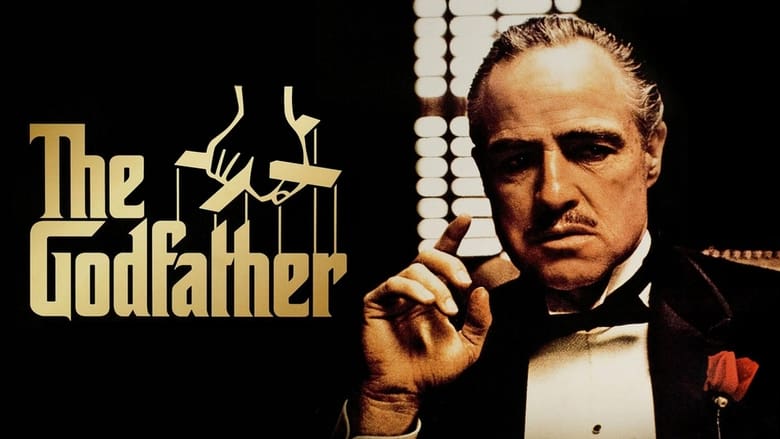
The Godfather
1972
-
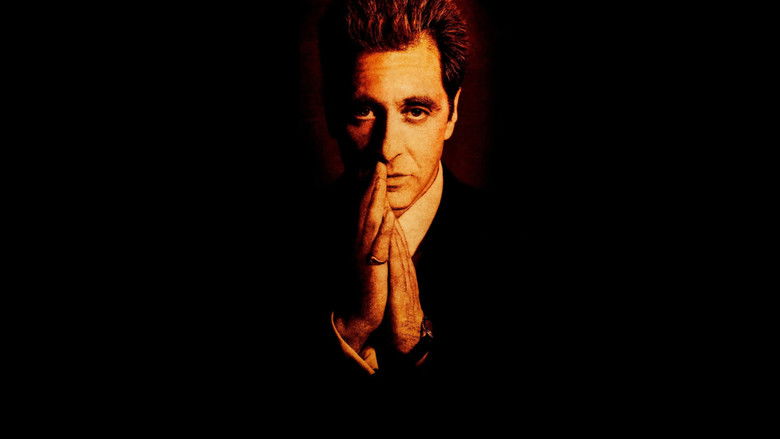
The Godfather Part III
1990
-

Apocalypse Now
1979
-

The Conversation
1974
-
Dog Day Afternoon
1975
-
Scarface
1983
-
Chinatown
1974
-

Taxi Driver
1976
-
The Outsiders
1983
-

Once Upon a Time in America
1984
-
Stand by Me
1986
-
Butch Cassidy and the Sundance Kid
1969
-
Papillon
1973
-
The Sting
1973
-
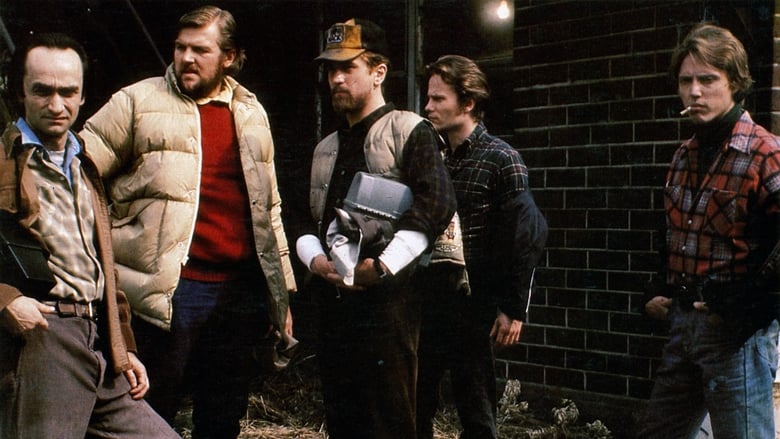
The Deer Hunter
1978
-
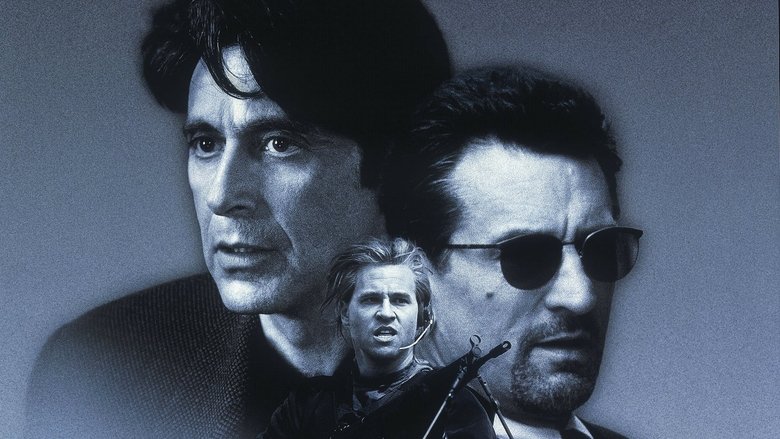
Heat
1995
-
Carlito's Way
1993
-
The Rainmaker
1997
-
Serpico
1973
-
Barry Lyndon
1975