The Man with the Golden Gun
"One bullet. One million dollars. One legendary duel."
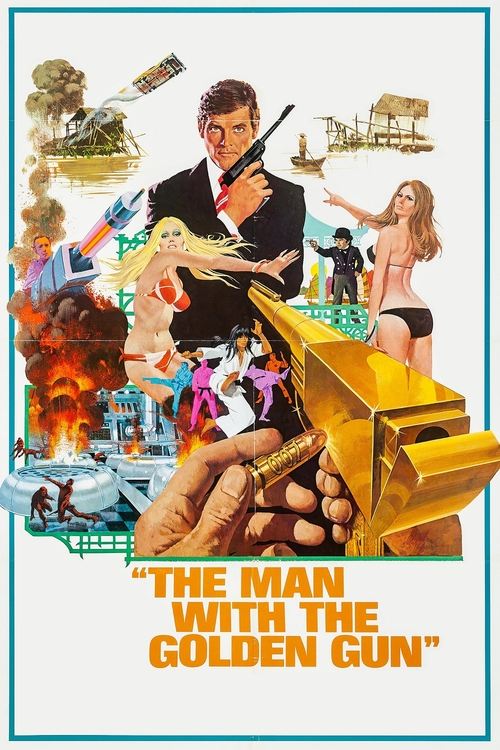
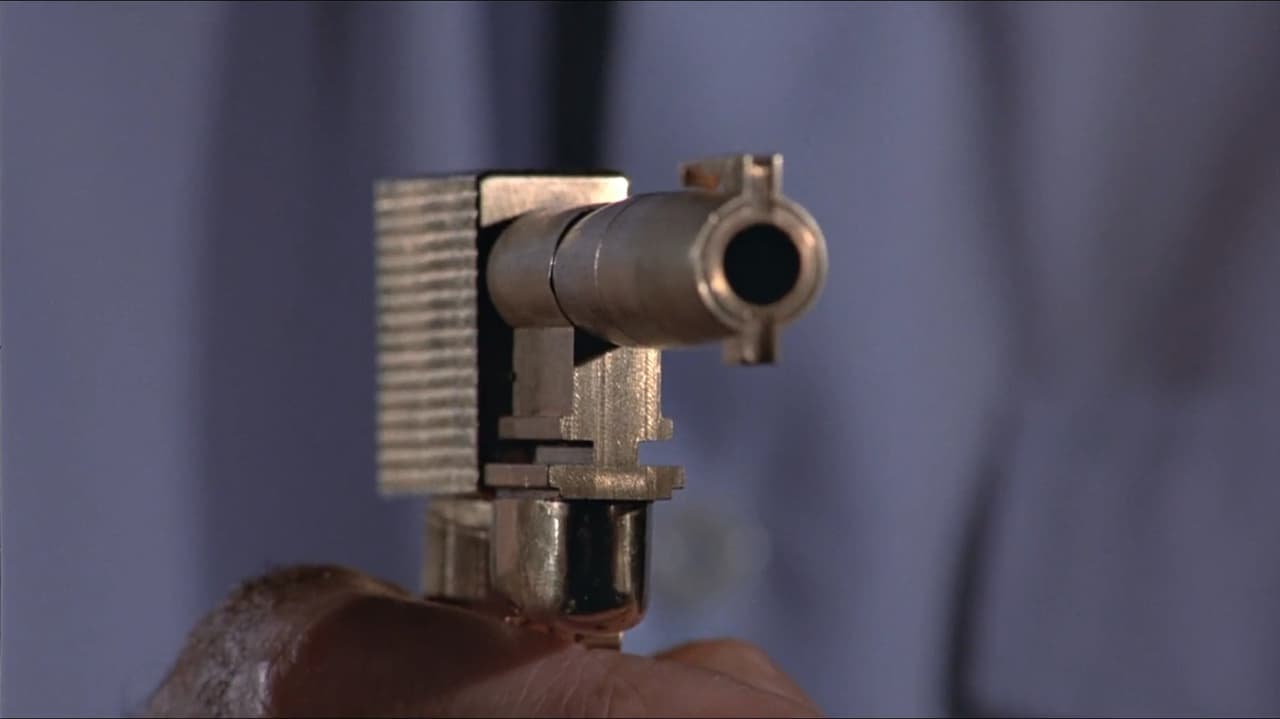
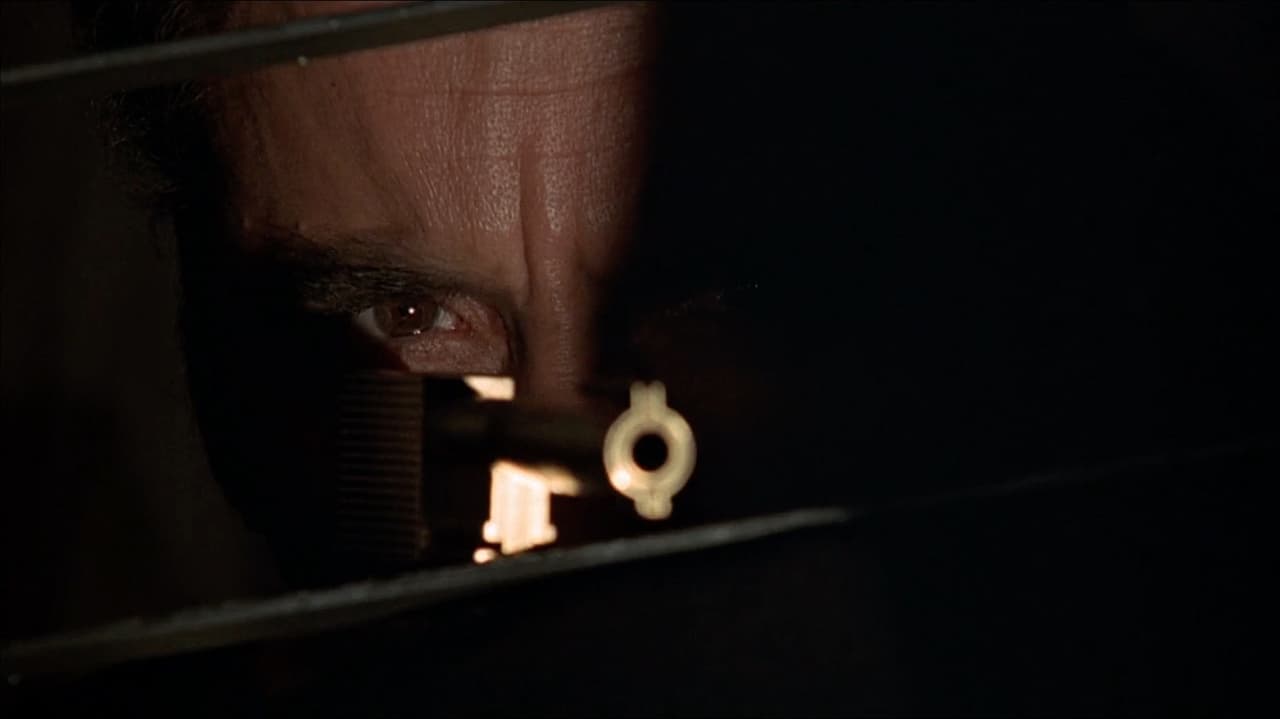
The sight of a high-end assassin assembling a lethal weapon from a gold fountain pen, a cigarette lighter, and a cufflink is the kind of tactile, gadget-obsessed imagery that defines why I love 1970s cinema. It’s practical, it’s clever, and it feels like something you could almost do yourself if you had a high enough credit limit at a boutique stationery shop. The Man with the Golden Gun isn't the best James Bond film—in fact, it’s often ranked near the bottom—but it’s a fascinating time capsule of an era where the franchise was desperately trying to figure out what it wanted to be in a post-Connery world.
I watched this most recently while nursing a mild sunburn and eating leftovers of cold pad thai, which felt geographically appropriate even if my living room lacked the tropical allure of Phuket. It’s a movie that demands a relaxed state of mind because if you think too hard about the logic, the whole thing starts to unravel like a cheap suit.
The Mirror Image Villain
The real reason to watch this movie is Christopher Lee. While Roger Moore was still finding his footing as 007—veering occasionally into a strangely mean-spirited version of the character that didn't quite suit his natural charm—Lee is absolute perfection as Francisco Scaramanga. He plays the character not as a cackling madman, but as Bond’s dark reflection. He’s sophisticated, talented, and profoundly lonely in his excellence.
The chemistry between them during the lunch scene on Scaramanga’s private island is the highlight of the film. It’s two professionals discussing their craft, and Lee brings a gravitas that the script doesn't always deserve. I’ve always felt that the movie works best when it stops trying to be a spy thriller and leans into being a character study of two ego-driven hitmen. Scaramanga's fascination with Bond feels genuine, making their eventual funhouse duel feel personal rather than just another "save the world" requirement.
A Masterpiece of Practical Stuntwork (Ruined by a Sound Effect)
We have to talk about "The Jump." The corkscrew car leap across a broken bridge is one of the most incredible practical stunts ever captured on film. It was the first stunt in history to be calculated by a computer model (at Cornell Aeronautical Laboratory), and Bumps Williard nailed it in a single take. In an era before CGI, seeing a real AMC Hornet pirouette through the air is breathtaking.
However, the slide whistle sound effect used during the jump is the single greatest act of cinematic sabotage in history. It takes a death-defying feat of engineering and turns it into a Looney Tunes gag. It’s a perfect example of the 1970s Bond era’s biggest flaw: an inability to trust the audience’s intelligence. They had the most spectacular stunt of the decade and decided it needed a "funny" noise. It makes me want to throw my remote at the screen every time.
The action choreography elsewhere is a mixed bag. The film leans heavily into the 1970s Kung Fu craze, clearly inspired by the success of Bruce Lee and Enter the Dragon. The dojo sequence is fun, but it feels like the producers were just chasing a trend rather than innovating. It’s a bit messy, but there’s a kinetic energy to the Thai boat chases that keeps the pacing from sagging too much.
The VHS Rental Staple
For those of us who grew up frequenting local video stores, the James Bond collection was a permanent fixture. I remember the specific weight of those oversized clamshell cases. This was a "pause-heavy" movie for me. As a kid, I spent an embarrassing amount of time hitting the pause button on my VCR—fighting through the tracking static—to see exactly how the golden gun fit together or to catch a glimpse of the wreck of the Queen Elizabeth in Hong Kong harbor.
The film also features the return of Clifton James as Sheriff J.W. Pepper. Why is a Louisiana sheriff on vacation in Thailand just as Bond is there? It makes no sense, and his presence is a polarizing "love it or hate it" element of the Moore era. Personally, I find his screaming-redface routine a bit much, but it’s undeniably part of the film’s specific, weird charm. It’s that "anything goes" 70s attitude where the producers figured, "People liked him in Live and Let Die, let's just teleport him to Bangkok."
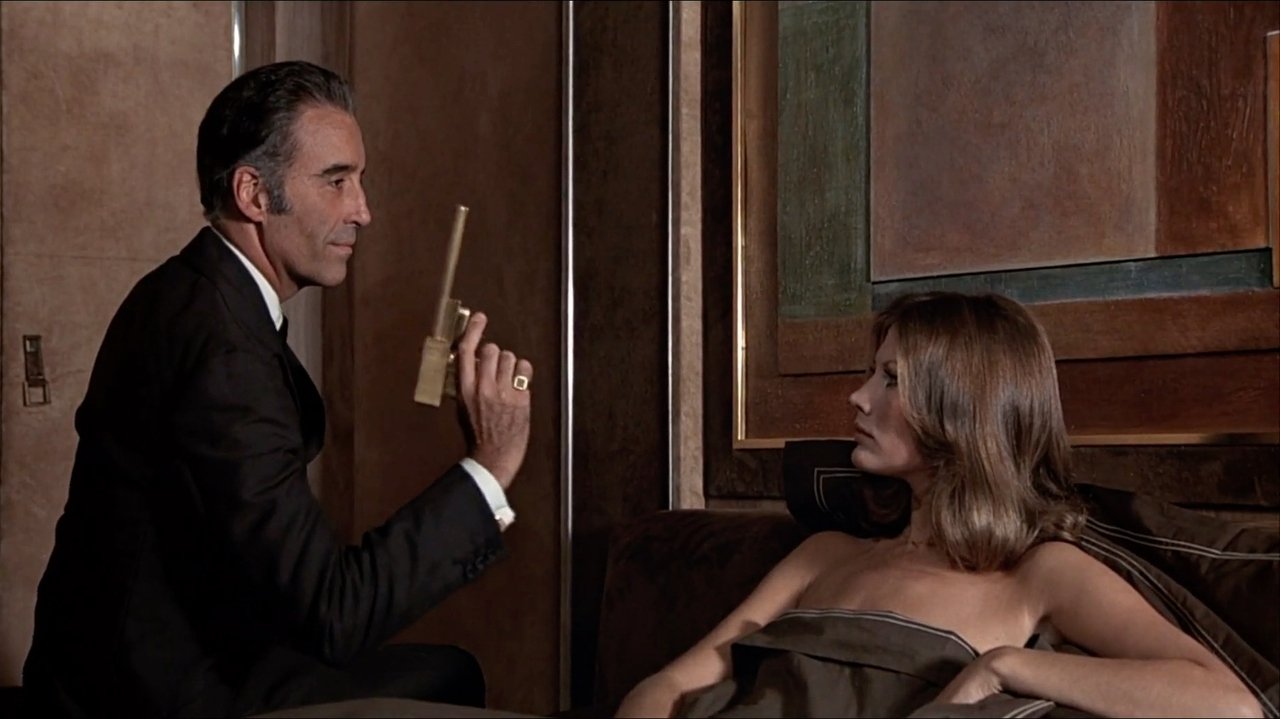
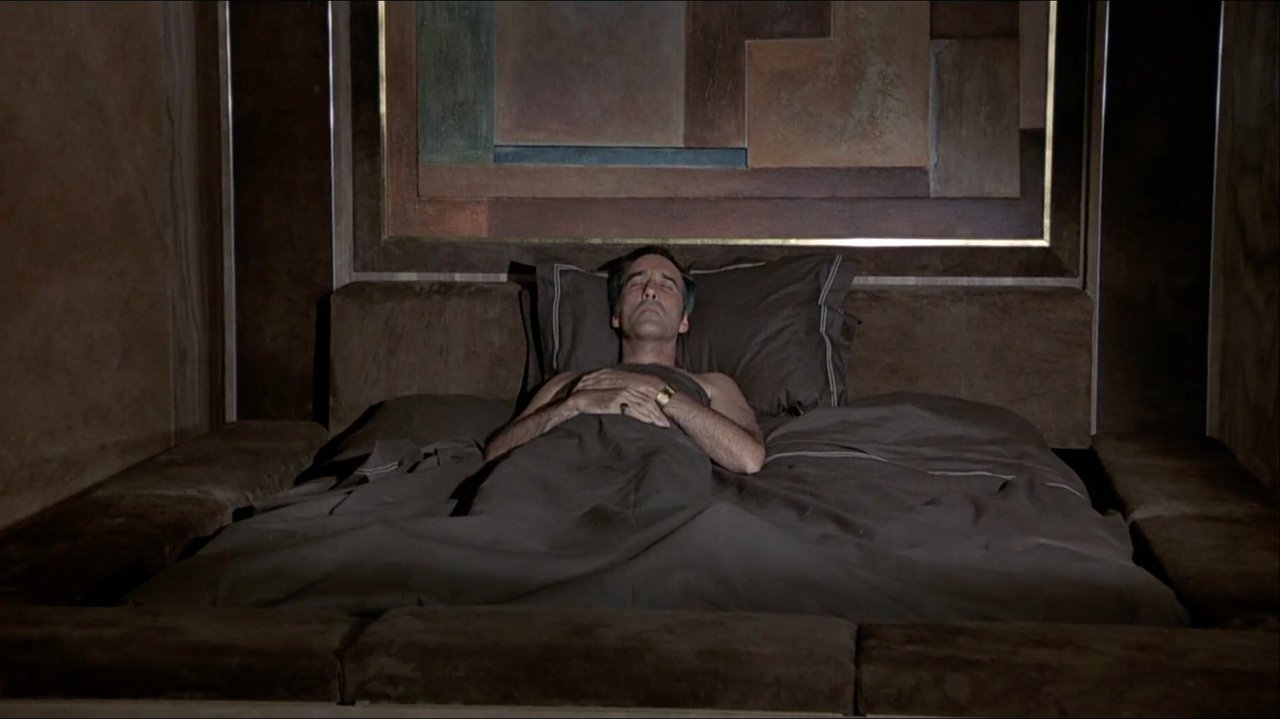
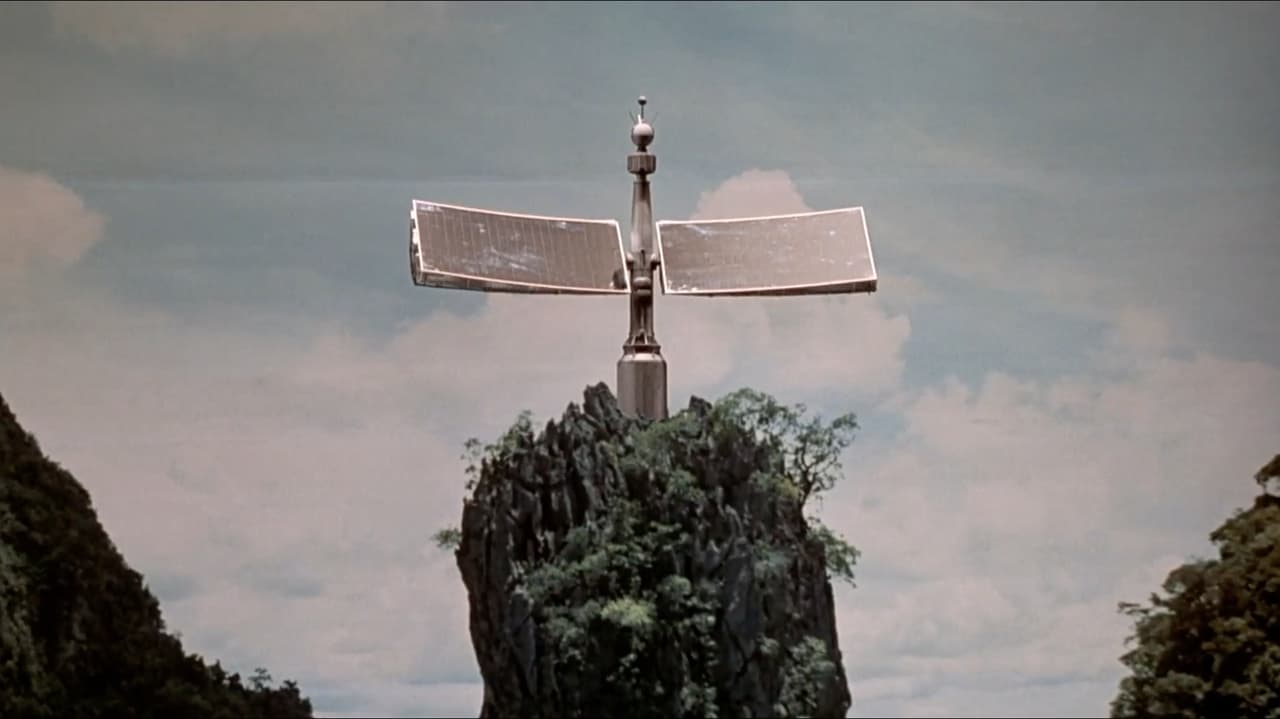
The production design by Peter Murton is also worth a shout-out. Scaramanga's solar-powered lair is a masterpiece of 70s aesthetics—all sharp angles, chrome, and hidden lasers. It’s the kind of set you just don't see anymore; everything feels heavy, metallic, and expensive.
While The Man with the Golden Gun suffers from a weak script and a truly baffling portrayal of Britt Ekland’s Mary Goodnight—who is written as a cartoonishly incompetent agent—it remains an essential watch for the villain alone. Christopher Lee elevates the material, and the location shooting in Thailand is stunningly beautiful. It’s a bumpy ride, but it’s never boring.
If you’re looking for a Bond film that captures the transitional weirdness of the mid-70s, this is the one. It’s a movie of high highs and head-scratching lows, but that’s exactly why it has maintained such a strong cult following. Just be prepared to mute the TV when the car starts to fly.
Keep Exploring...
-
Live and Let Die
1973
-
Octopussy
1983
-

Goldfinger
1964
-
Diamonds Are Forever
1971
-
The Spy Who Loved Me
1977
-
Moonraker
1979
-
For Your Eyes Only
1981
-
A View to a Kill
1985
-
On Her Majesty's Secret Service
1969
-
Thunderball
1965
-
Dr. No
1962
-
The Living Daylights
1987
-
Licence to Kill
1989
-
You Only Live Twice
1967
-
From Russia with Love
1963
-
Never Say Never Again
1983
-

The World Is Not Enough
1999
-
Quantum of Solace
2008
-
GoldenEye
1995
-
Tomorrow Never Dies
1997