The Texas Chain Saw Massacre
"Heat, meat, and the end of the road."
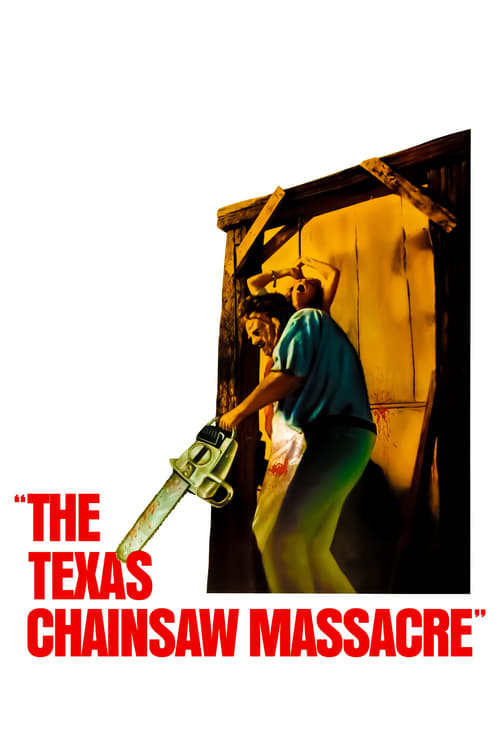
The 1970s had a specific way of making you feel like you needed a shower just by looking at a screen, and no film captures that grimy, sun-bleached despair quite like The Texas Chain Saw Massacre. It’s a movie that smells. It smells of scorched asphalt, rotting livestock, and the kind of stagnant humid air that sticks to your lungs. While other horror films of the era were playing with gothic shadows or demonic children, Tobe Hooper went into the Texas wild with a shoestring budget and came back with something that felt less like a movie and more like a police evidence tape recovered from a nightmare.
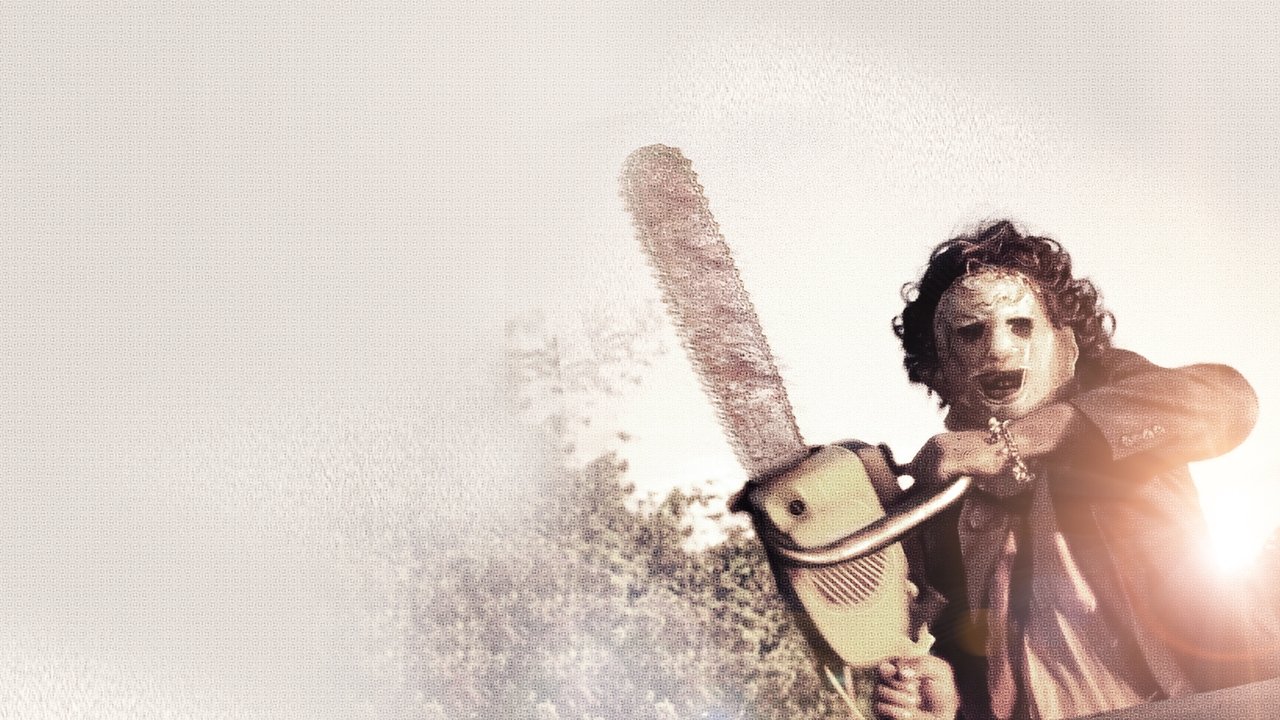
I once made the mistake of trying to watch this while eating a plate of slow-cooked pork ribs, and I haven’t touched a rib since 2014. There is something about the way Daniel Pearl’s cinematography captures the raw, meaty textures of the Sawyer household that bypasses the "it's just a movie" filter in the brain and goes straight to the gag reflex.
The Art of the Implied Atrocity
There is a massive misconception that this film is a gore-soaked bloodbath. In reality, it’s remarkably bloodless. Because of the title, our minds fill in the gaps with imagined carnage, but Hooper was actually aiming for a PG rating (he didn't get it, obviously). The horror here isn't about seeing limbs fly; it’s about the relentless, cacophonous assault on the senses. The sound design is a masterpiece of industrial dread—a constant, low-frequency hum punctuated by the high-pitched screech of the saw and the frantic, rhythmic chirping of cicadas.
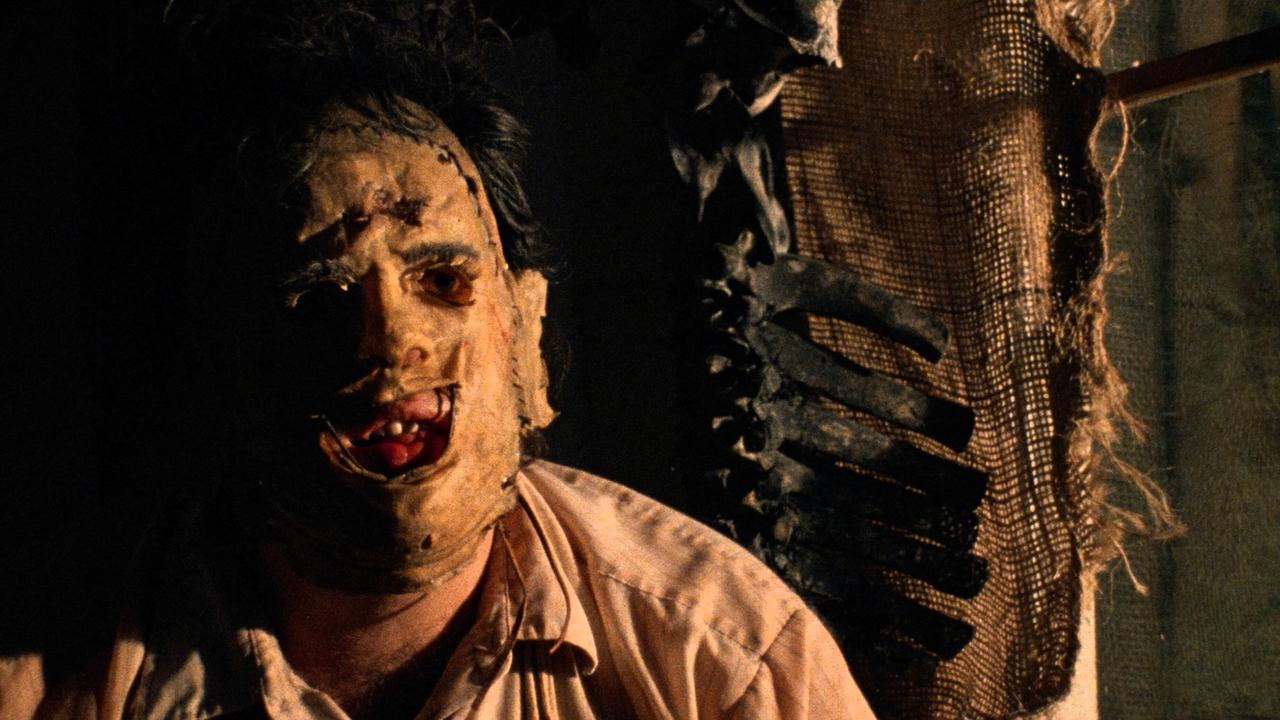
The plot is deceptively simple: five kids in a van run out of gas and luck in the middle of nowhere. But the execution is anything but standard. When William Vail as Kirk first stumbles into the house, there’s no suspenseful music, no jump scare, just a sudden, blunt-force trauma that feels sickeningly real. The introduction of Leatherface (played with terrifying, bovine physicality by Gunnar Hansen) remains one of the most effective character reveals in cinema history. He isn't a supernatural slasher; he’s just a big, panicked man in a skin mask who treats humans like cattle.
A Masterclass in Indie Ingenuity
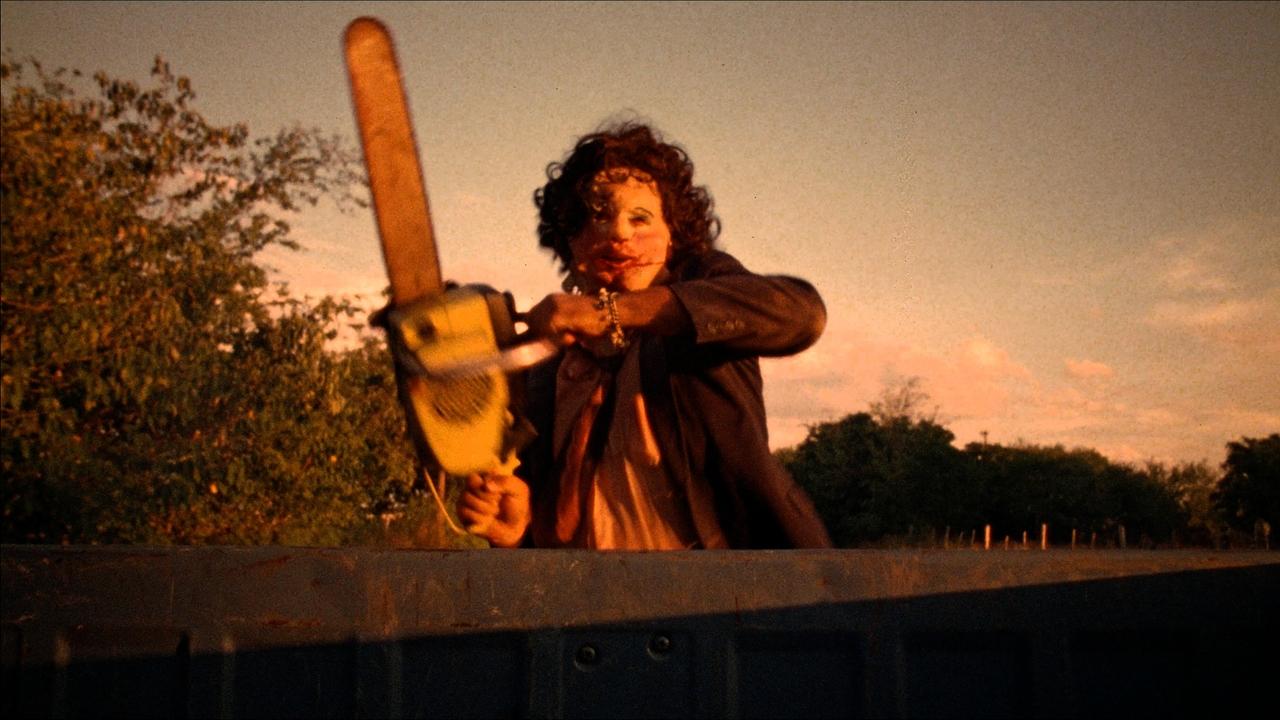
Watching this through the lens of its production makes the intensity even more impressive. This was independent filmmaking at its most grueling. With a budget of only $140,000, the cast and crew were subjected to 100-degree Texas heat, working 16-hour days inside a house filled with actual rotting animal carcasses and feathers. The "dinner scene" at the end of the film was shot in a single marathon session that lasted over 24 hours. By the time Marilyn Burns is screaming for her life, she isn't just acting; she’s reacting to the genuine misery of that set.
Edwin Neal, who plays the Hitchhiker, delivers a performance so twitchy and unpredictable that it sets the tone for the entire film's instability. His opening scene in the van is a clinic in building unease. You can see the confusion on the faces of Allen Danziger and Teri McMinn as the situation escalates from "weird local" to "immediate threat." That sense of being trapped with someone who operates on a completely different logic than you is where the true terror of the film lives. It’s the death of the hippie dream, buried in a shallow grave in the middle of a sun-scorched field.
The VHS Legend and the Final Girl
For many of us, the legend of this film grew in the aisles of local video stores. The box art for the early VHS releases was iconic, usually featuring Leatherface looming over a victim. It was the kind of tape parents warned you about, which of course made it the most requested rental at every sleepover. On a grainy CRT television, the film's 16mm grain looked even more like a snuff film, cementing its status as a cult object that felt "forbidden."
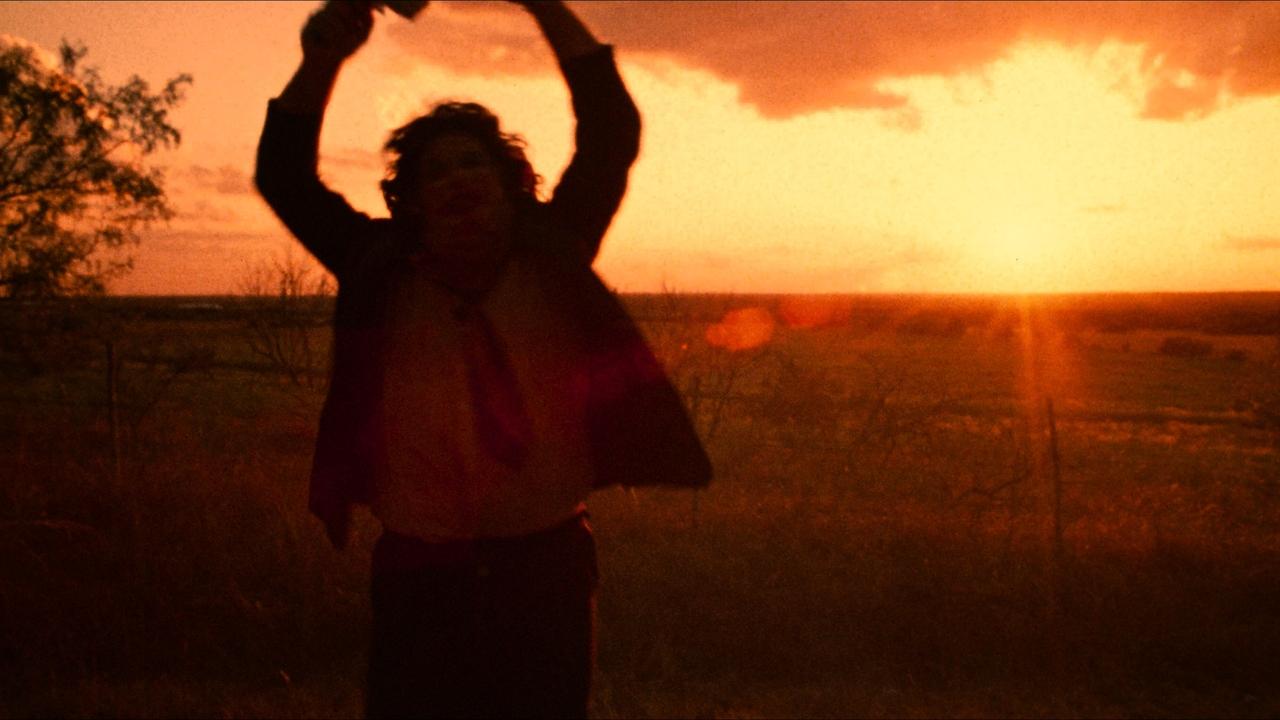
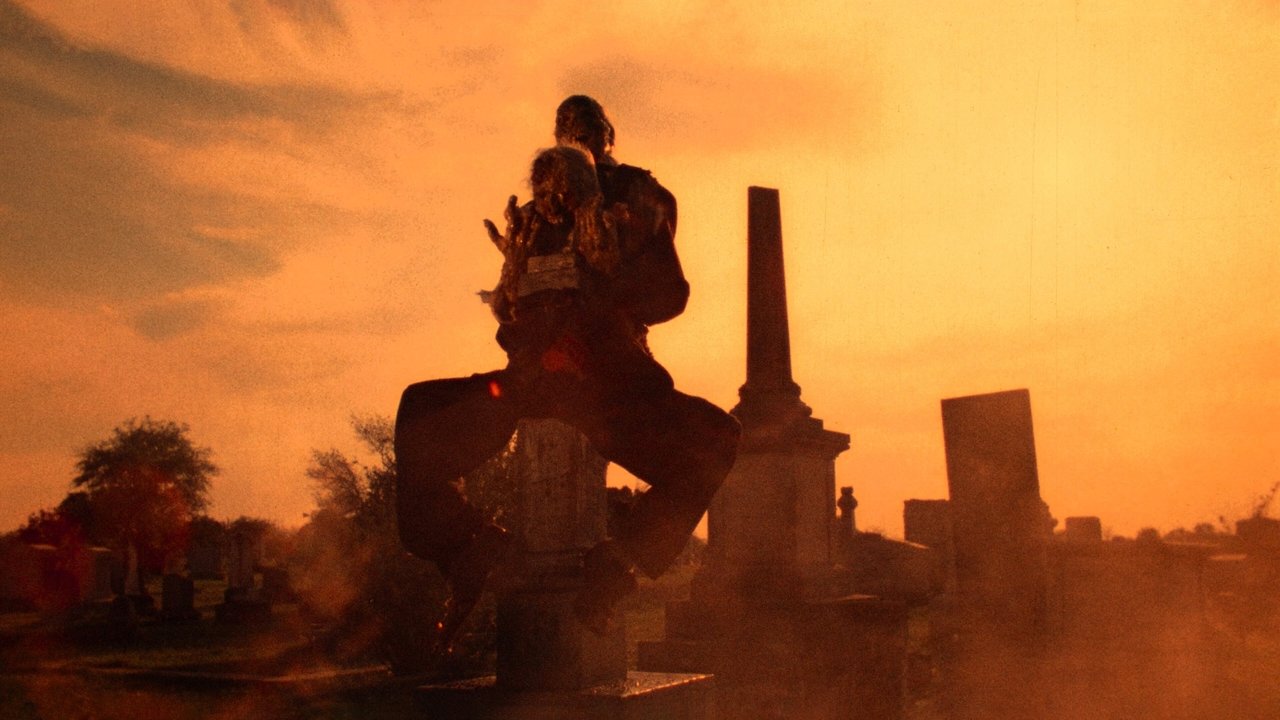
The final act is a relentless gauntlet of madness. Marilyn Burns earns her place in the "Final Girl" hall of fame through sheer vocal endurance alone. Her escape into the sunrise, drenched in blood and laughing hysterically in the back of a pickup truck, is one of the most hauntingly beautiful images in the genre. It’s not a victory; it’s a survival. It captures the essence of the 1970s—the realization that the world is a much stranger, crueler place than we ever anticipated. It’s basically a documentary about why you should never, ever talk to strangers at a gas station.
The Texas Chain Saw Massacre remains the gold standard for "pure" horror. It doesn't rely on CGI, it doesn't offer easy answers, and it doesn't care if you're having a good time. It’s a raw, jagged piece of cinema that changed the landscape of the genre forever. Even fifty years later, when that chainsaw revs up in the dark, it still feels like the most dangerous sound in the world. This isn't just a movie you watch; it's one you survive.
Keep Exploring...
-
The Texas Chainsaw Massacre 2
1986
-
Poltergeist
1982
-
Carrie
1976
-
Eraserhead
1977
-

Halloween
1978
-

Invasion of the Body Snatchers
1978
-
The Wicker Man
1973
-
Dawn of the Dead
1978
-
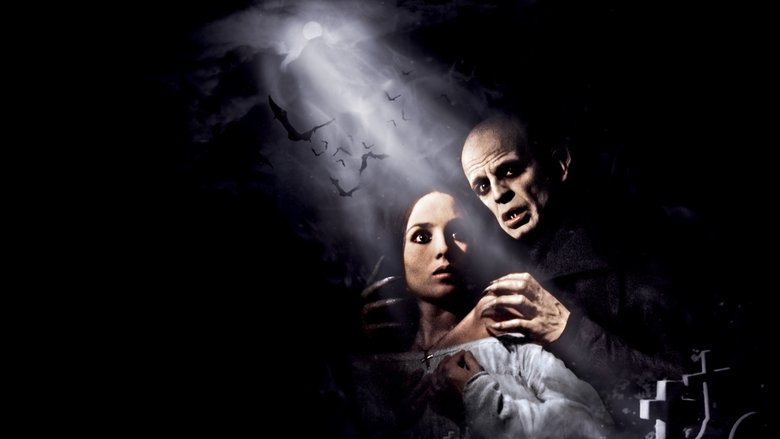
Nosferatu the Vampyre
1979
-
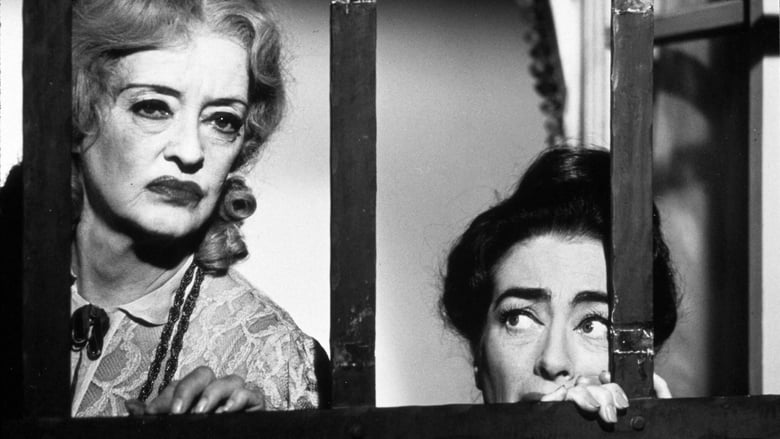
What Ever Happened to Baby Jane?
1962
-
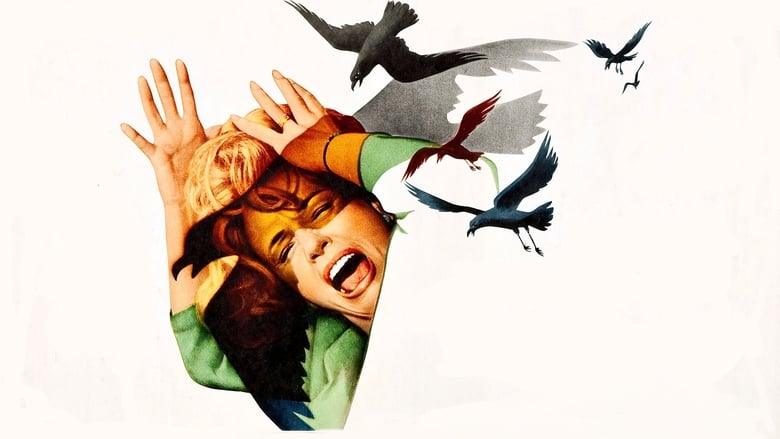
The Birds
1963
-
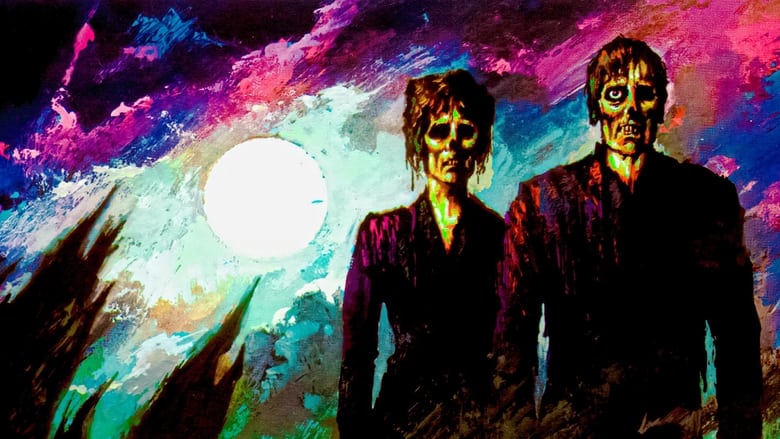
Night of the Living Dead
1968
-

The Evil Dead
1981
-

A Nightmare on Elm Street
1984
-

Day of the Dead
1985
-
Peeping Tom
1960
-

Repulsion
1965
-
The Rocky Horror Picture Show
1975
-
The Omen
1976
-
Possession
1981