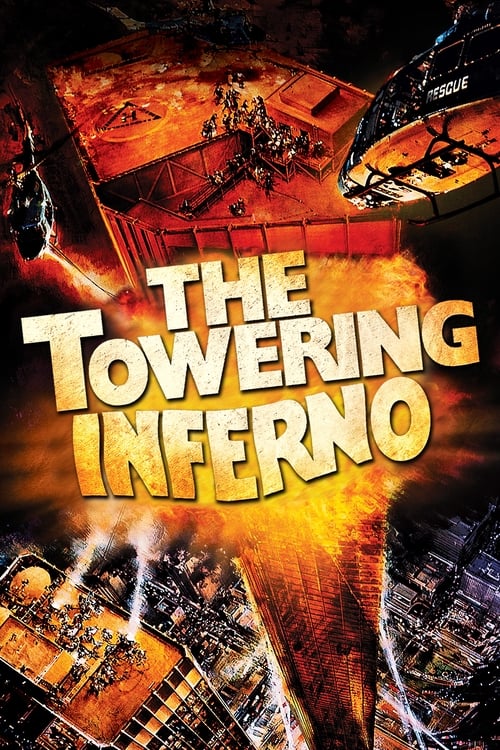
The Towering Inferno
"138 stories of steel, glass, and pure terror."
The first time I sat down to watch The Towering Inferno, I was mid-move, surrounded by half-taped cardboard boxes and trying to assemble a particularly stubborn IKEA bookshelf. I had a hex key in one hand and a lukewarm soda in the other, but once that first short-circuit hissed in the storage room of the "Glass Tower," the furniture was forgotten. I spent the next three hours sitting on a stack of packing blankets, mesmerized by the sight of two of Hollywood’s greatest icons trying to out-cool a literal wall of fire.
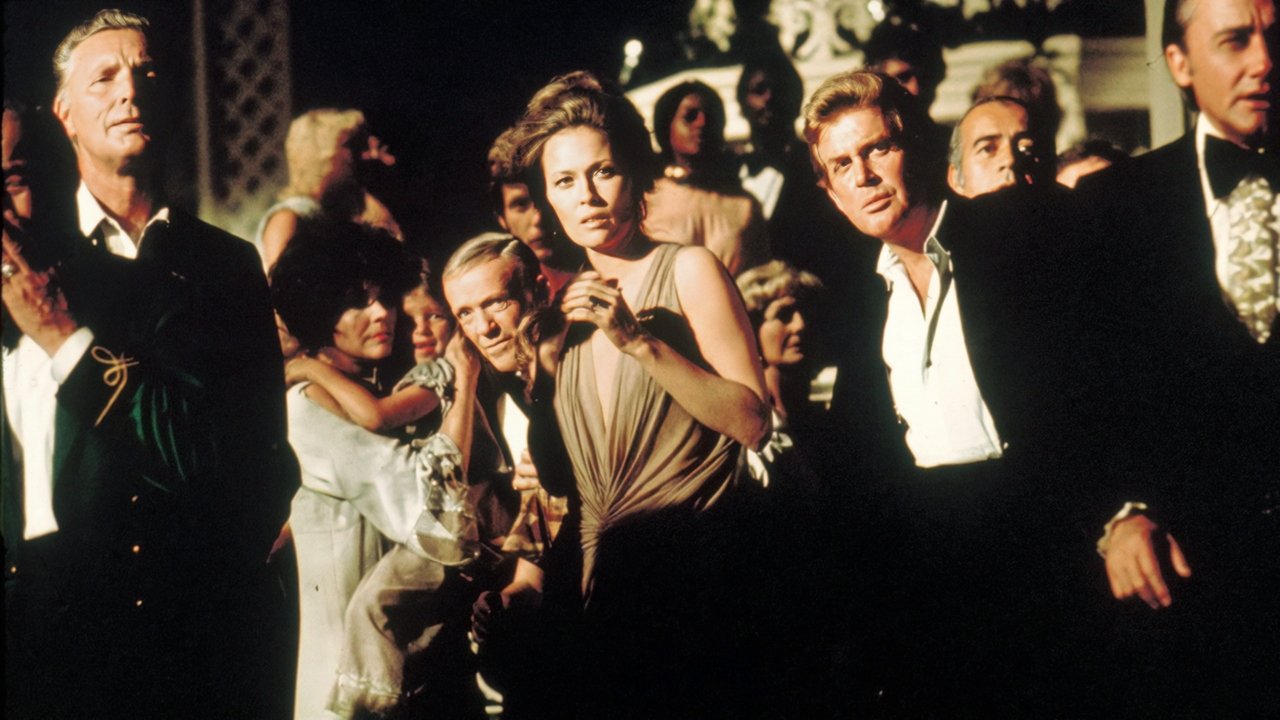
There’s a certain weight to 1970s disaster cinema that modern CGI spectacles just can’t replicate. When you watch a movie like this, you aren't just seeing a digital simulation of a building falling down; you’re watching a massive, expensive, physical production where the stakes felt as high for the crew as they did for the characters. This was the "New Hollywood" era hitting its stride, where the gritty realism of the early 70s met the sheer, unadulterated scale of the emerging blockbuster.
A Skyscraper of Ego and Embers
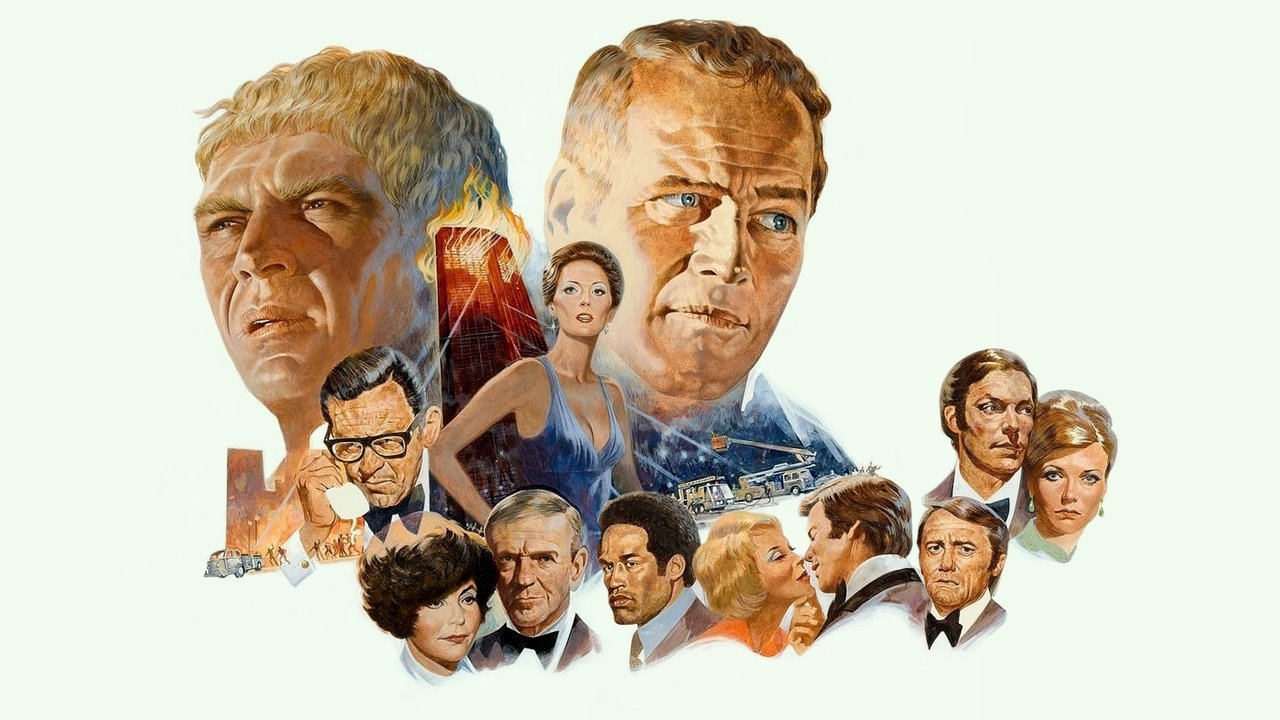
At its heart, The Towering Inferno is a morality play about corporate corner-cutting, which feels just as uncomfortably relevant today as it did in 1974. William Holden (the weary soul of The Wild Bunch) plays Jim Duncan, the builder who lets his sleazy son-in-law, played with oily perfection by Richard Chamberlain (Shogun), skimp on the electrical specs to save a few bucks. It’s the ultimate "Action-Dark" setup: the tragedy isn’t an act of God; it’s a result of human greed.
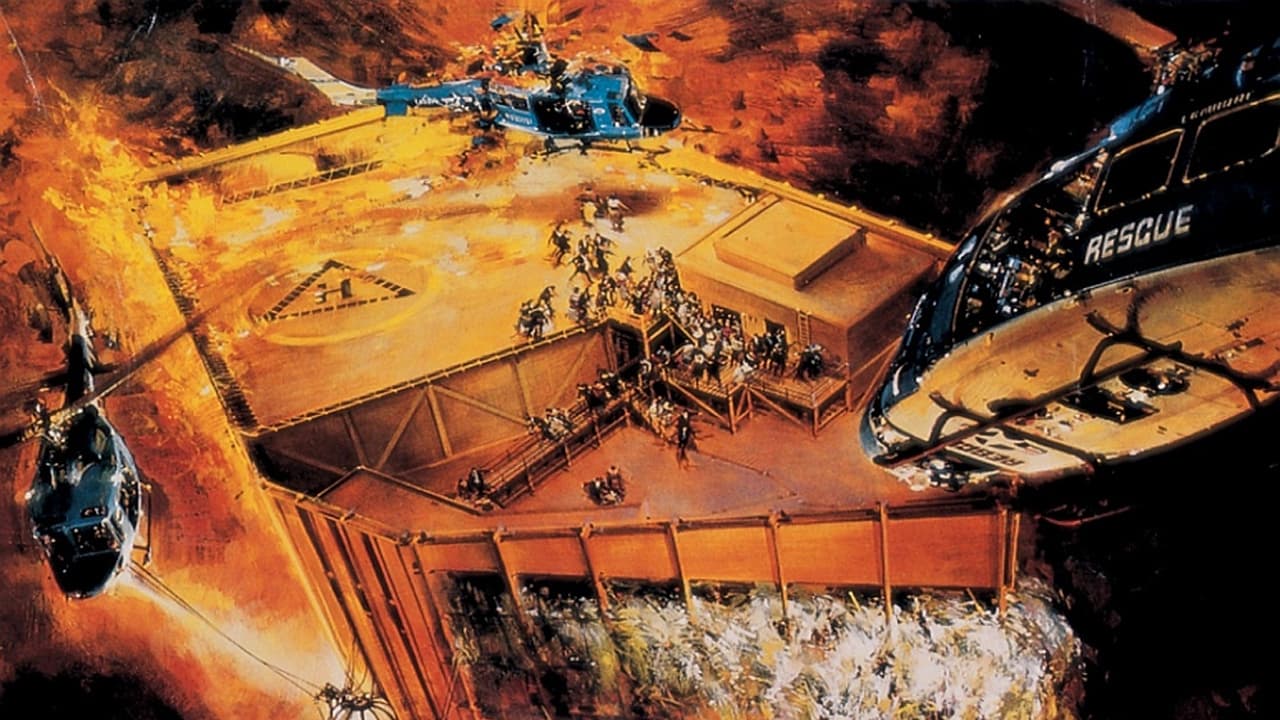
The film takes its time letting the dread settle in. We spend the first act wandering through the opulence of the world's tallest building during its dedication party. It’s all champagne, tuxedos, and Fred Astaire playing a charming con man. But while the elite are clinking glasses in the Promenade Room on the 135th floor, a small fire is devouring a utility closet downstairs. The contrast is suffocating. I love how the director, John Guillermin (who later tackled the 1976 King Kong), uses the verticality of the building to create a sense of geographical trap. There is nowhere to go but down, and down is where the fire lives.
The Heavyweight Title Fight
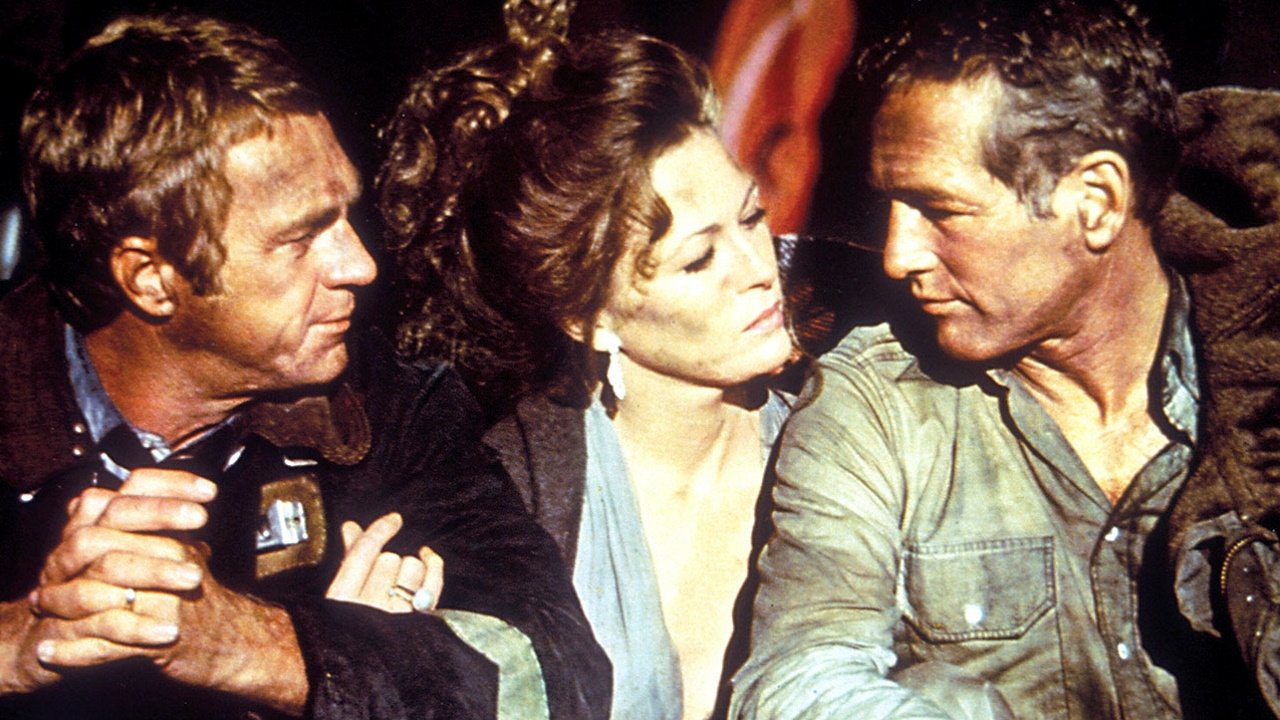
The real draw, of course, is the pairing of Steve McQueen and Paul Newman. Their off-screen rivalry for top billing is legendary—they eventually settled on a "staggered" credit on the poster so neither was technically first—but on-screen, that tension translates into a fantastic, begrudging respect. Newman, fresh off the success of The Sting, plays Doug Roberts, the architect who knows his masterpiece is a death trap. He’s the brains, all frantic energy and blue-eyed concern.
Then there’s McQueen. If Newman is the brains, McQueen is the iron-jawed reality of the situation. As Fire Chief O'Hallorhan, he doesn't show up until nearly an hour in, but his entrance shifts the movie’s entire gears. He’s blunt, exhausted, and utterly unimpressed by the Glass Tower. McQueen’s delivery of the line "You know where to reach me" is the coolest anyone has ever looked while standing in a pile of soot. He played the role with a genuine respect for the profession; apparently, he insisted on doing many of his own stunts, including a terrifying sequence involving a dangling elevator cable.
Practical Pyrotechnics and 6,000 Gallons of Water
From a production standpoint, this film is a relic of a lost world of practical craftsmanship. Producer Irwin Allen, the "Master of Disaster," convinced two rival studios (Warner Bros. and 20th Century Fox) to pool their resources—an unheard-of move at the time—resulting in a $14 million budget. Every penny is on the screen. The fire isn't a post-production effect; it was real flame controlled by a massive team of pyrotechnicians. The actors are frequently covered in actual soot, sweating under the heat of lights and fire, and you can feel that physical exhaustion.
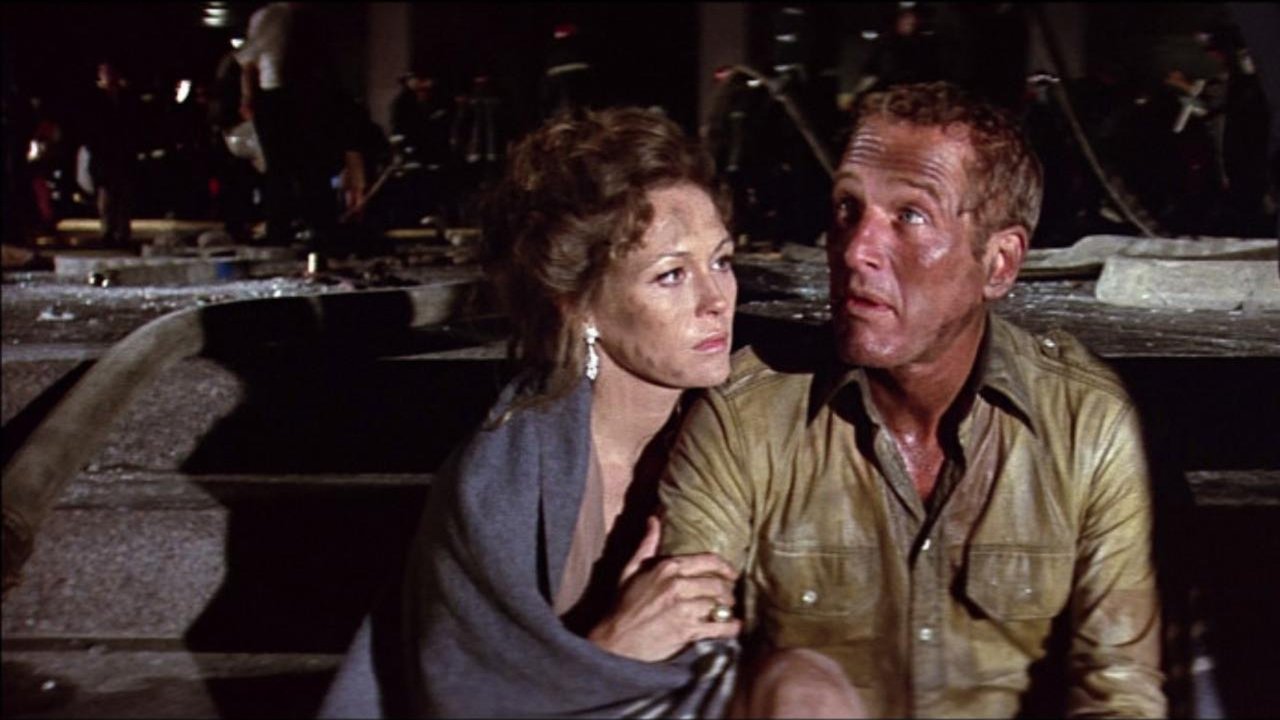
The climax involves a desperate plan to blow up the water tanks on the roof to drown the fire. They used 6,000 gallons of water for that sequence, and watching the elite party-goers get absolutely leveled by a tidal wave inside a skyscraper remains one of the most jaw-dropping moments of the era. Seeing the scenic elevator turn into a vertical coffin is the kind of nightmare fuel that made me avoid glass lifts for a decade.
For those of us who grew up in the VHS era, The Towering Inferno was a "Double Tape" event. You’d go to the local rental shop, and this thing would be sitting there in an oversized box, taking up twice the shelf space of a normal movie. Popping in Tape 2 felt like a commitment—a transition from the slow-burn suspense of the first half to the pure, grinding action of the second. On a fuzzy CRT television, the orange glow of the fire seemed to bleed off the edges of the screen, creating an atmosphere that was genuinely oppressive.
The Towering Inferno is the gold standard for the disaster genre because it treats its casualties with a grim, somber weight. It isn't just about the spectacle; it’s about the terrifying realization that no amount of money or architecture can save you from a basic failure of ethics. It’s a massive, star-studded machine that actually has a soul—and a very hot one at that. If you haven't seen it, dim the lights, put your phone away, and prepare to feel the heat. Just make sure your smoke detector batteries are fresh first.
Keep Exploring...
-
Marathon Man
1976
-
Bullitt
1968
-
The Poseidon Adventure
1972
-

Fist of Fury
1972
-
Black Rain
1989
-
Chinatown
1974
-
Bloodsport
1988
-
First Blood
1982
-

WarGames
1983
-
Witness
1985
-
Aliens
1986
-

Platoon
1986
-
Die Hard
1988
-
The Killer
1989
-
In the Heat of the Night
1967
-
All the President's Men
1976
-
Escape from Alcatraz
1979
-
The Fugitive
1993
-

Papillon
1973
-

Goldfinger
1964