Young Frankenstein
"It’s alive! And it’s absolutely, ridiculously brilliant."
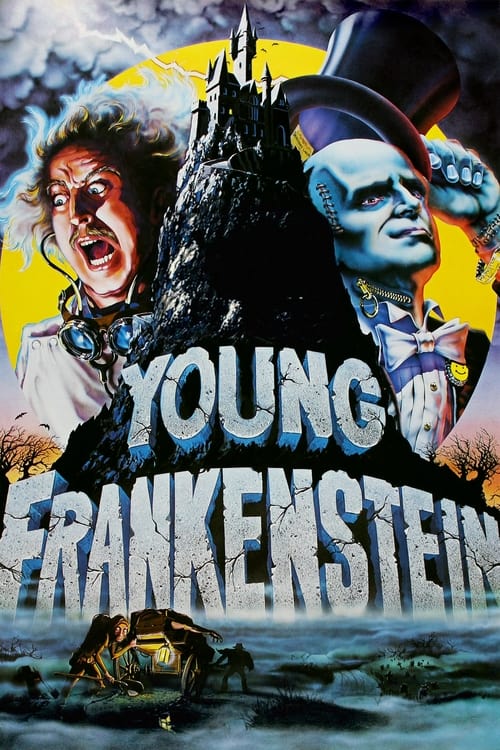
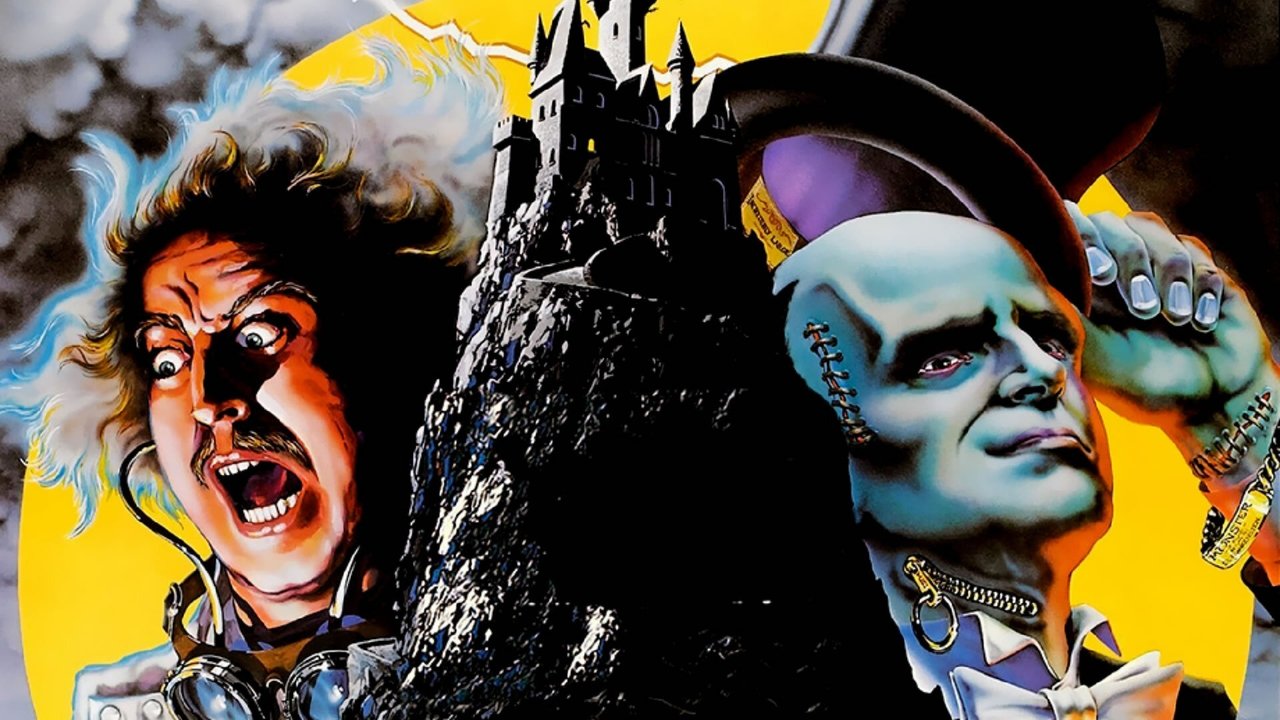
Most parodies are content to just point at their source material and giggle, but Mel Brooks and Gene Wilder did something far more daring in 1974. They didn’t just mock the Universal Horror classics of the 1930s; they inhabited them. I remember watching this for the fourth or fifth time on a grainy CRT television—the kind that hummed with static electricity—while nursing a lukewarm ginger ale that had lost its fizz twenty minutes earlier. Even through the low-res haze of a 1980s broadcast, the film looked like a million bucks. Or, more accurately, it looked like 1931.
The Resurrection of the Divine Spark
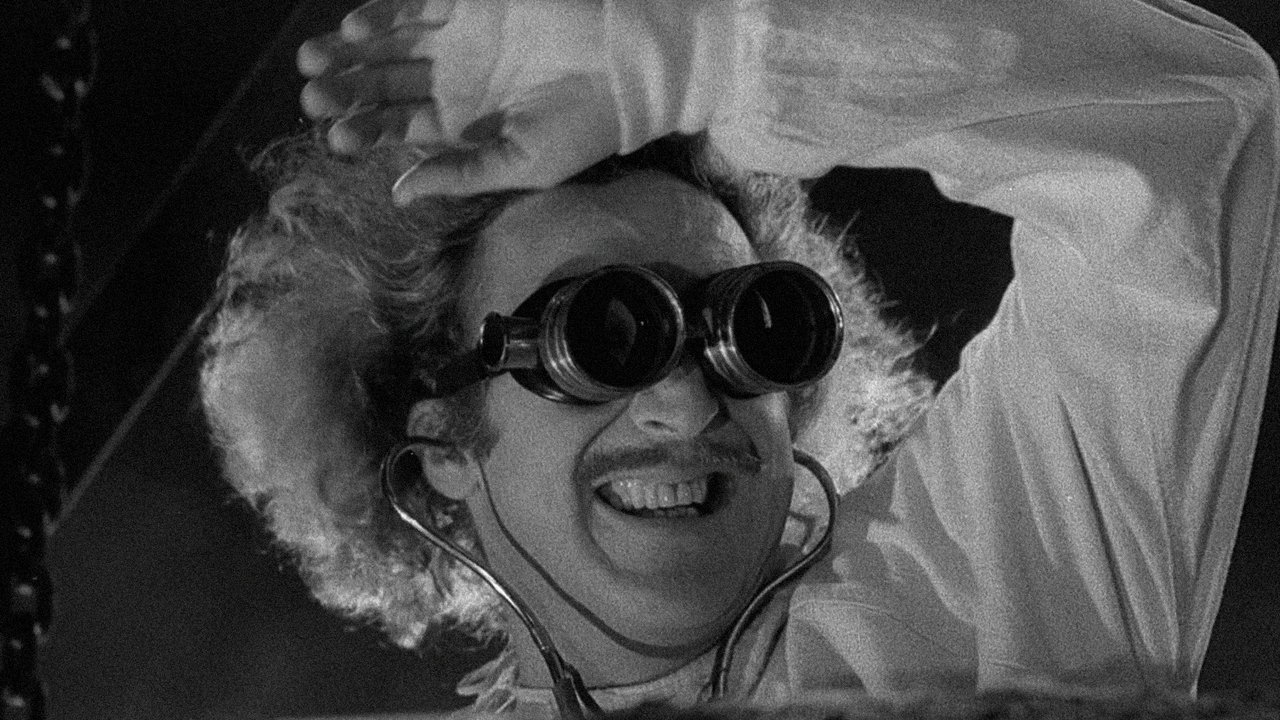
The first thing that hits you about Young Frankenstein isn't a joke; it’s the atmosphere. Mel Brooks famously fought 20th Century Fox to shoot in black and white, a move that was considered commercial suicide in the mid-70s. But that choice, paired with Gerald Hirschfeld’s lush, high-contrast cinematography, is what elevates this from a mere spoof to a masterpiece of mimicry.
The production team even tracked down Kenneth Strickfaden, the man who created the electrical lab equipment for the original Boris Karloff Frankenstein. Seeing those original spark-gap generators and Tesla coils humming behind Gene Wilder as he screams about the "Divine Spark" isn't just a cool trivia point; it creates a tangible bridge between eras. The commitment to the bit is so absolute that the movie becomes a ghost of the very thing it’s lampooning. It’s a philosophical exercise in cinematic reincarnation: can you use the "dead" aesthetic of the 30s to create something vibrantly new? The answer is a resounding, lightning-bolted yes.
Abby Normal Philosophies
At its core, the film grapples with the burden of legacy. Gene Wilder plays Frederick Frankenstein (insisting on "Fron-ken-steen") with a manic, repressed energy that feels like a coiled spring. He’s a man trying to outrun his DNA, a neurosurgeon who believes he’s too "civilized" for the family business of reanimating corpses. There’s a genuinely thoughtful question buried under the "Roll in the Hay" jokes: Are we defined by our ancestors, or can we carve out a new identity?
When the Monster—played with incredible pathos and grunts by Peter Boyle—finally wakes up, the movie pivots into a bizarre, touching exploration of the "Other." The "Puttin’ on the Ritz" sequence is the peak of this. It’s objectively absurd, but it’s also a brilliant commentary on the Monster’s desire for social acceptance. The Monster isn't a villain; he’s just a guy with a bad haircut trying to nail a dance routine. Gene Wilder reportedly had to fight Mel Brooks to keep that scene in, as Brooks thought it was too silly even for this movie. Thank god Wilder won that argument; it’s the soul of the film.
An Ensemble of Eccentrics
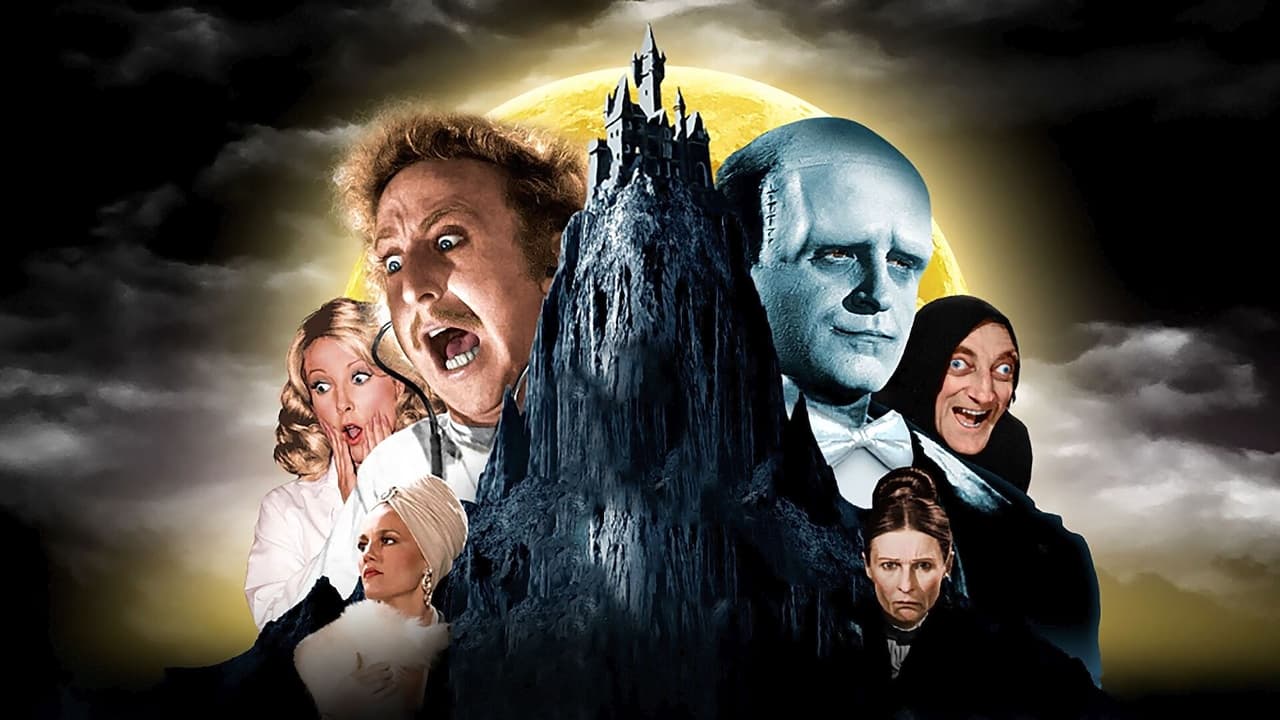
The chemistry here is lightning in a bottle. Marty Feldman, as the hunchback Igor (pronounced "Eye-gor"), is the secret weapon. His ability to move his "shifting" hump and break the fourth wall with those legendary eyes provides a surrealist edge that keeps the pacing tight. Then there’s Madeline Kahn as Elizabeth, whose operatic "Ah-sweet-mystery-of-life" realization remains one of the funniest things ever committed to celluloid.
I’ve always felt that Cloris Leachman’s Frau Blücher is the most underrated element of the bunch. The running gag of the horses whinnying at the mention of her name is a perfect example of the film’s "Vaudeville meets Gothic" tone. It’s a joke that shouldn't work more than once, yet it gets funnier every single time. If you don't find the horse-whinny gag funny, we probably can't be friends.

The film feels like a "passion project" in the truest sense. While it had a studio budget, the creative freedom Mel Brooks allowed his cast—encouraging ad-libs and keeping the cameras rolling during corpsing fits—gives it an anarchic, indie energy. Apparently, the crew had to use handkerchiefs to muffle their laughter during takes because the cast was constantly trying to one-up each other's ridiculousness. You can feel that joy in every frame.
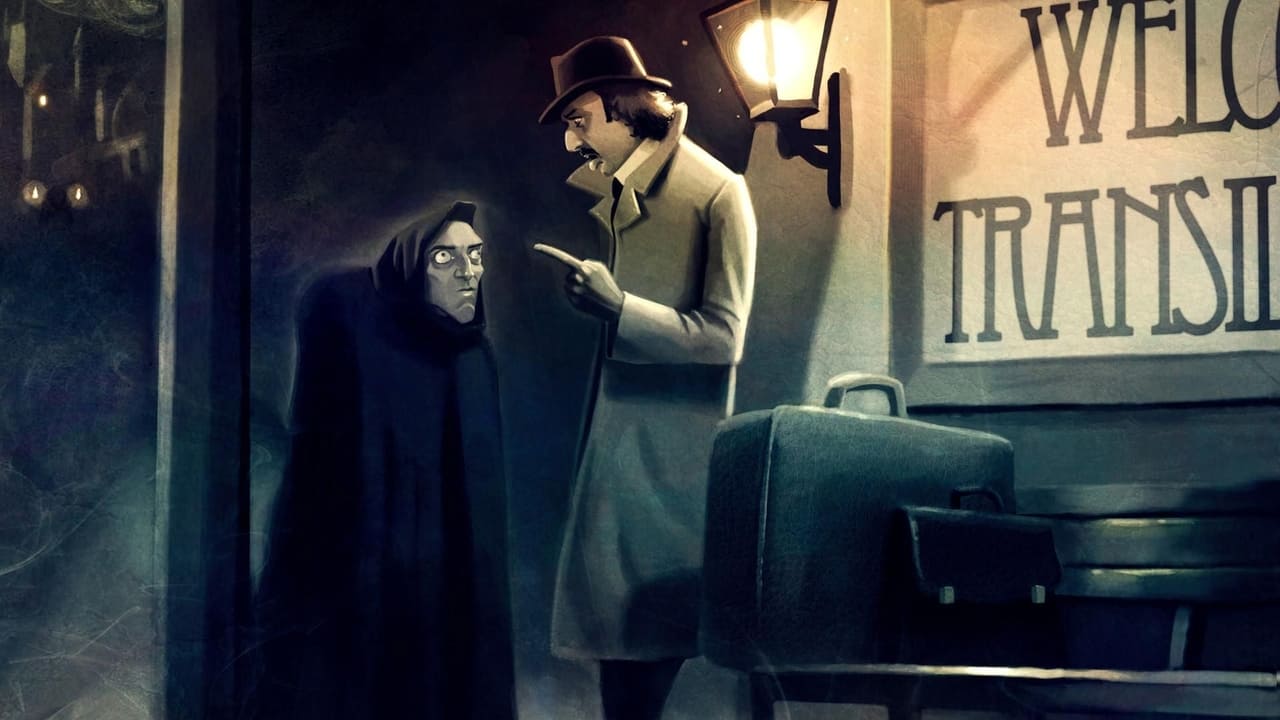
Young Frankenstein is the rare comedy that actually gets better as you age. When you’re a kid, it’s about the funny faces and the "Abby Normal" brain; when you’re older, you appreciate the technical wizardry and the pitch-perfect satire of 1930s cinematic tropes. It’s a film that respects its audience’s intelligence while never being too "high-brow" to enjoy a good zipper-neck joke. If you haven't revisited Transylvania Station lately, do yourself a favor and catch the midnight express. Just watch out for the stairs.
Keep Exploring...
-
Blazing Saddles
1974
-
The Producers
1968
-
Spaceballs
1987
-

Willy Wonka & the Chocolate Factory
1971
-
Annie Hall
1977
-

History of the World: Part I
1981
-
Life of Brian
1979
-
The Apartment
1960
-
Harold and Maude
1971
-
Love and Death
1975
-
Being There
1979
-
Manhattan
1979
-
After Hours
1985
-

Midnight Cowboy
1969
-
The Holy Mountain
1973
-
Network
1976
-
Breakfast at Tiffany's
1961
-
Charade
1963
-

Mary Poppins
1964
-
The Discreet Charm of the Bourgeoisie
1972