Barry Lyndon
"A gentleman’s rise. A scoundrel’s ruin. A masterpiece’s light."

If you walked into a theater in 1975 expecting the cosmic terror of 2001: A Space Odyssey or the ultra-violence of A Clockwork Orange, Stanley Kubrick probably confused the hell out of you for three hours. Barry Lyndon doesn't move with the frantic energy of its New Hollywood contemporaries like The French Connection. Instead, it breathes. It lingers. It demands you sit still while it recreates the 18th century with a precision that feels less like a movie and more like a seance. I first watched this on a double-VHS set where the tape hissed so loudly during the quiet moments I thought a snake was in the room, yet even through the grainy resolution of a 19-inch CRT, the sheer candlelit audacity of this film was unmistakable.
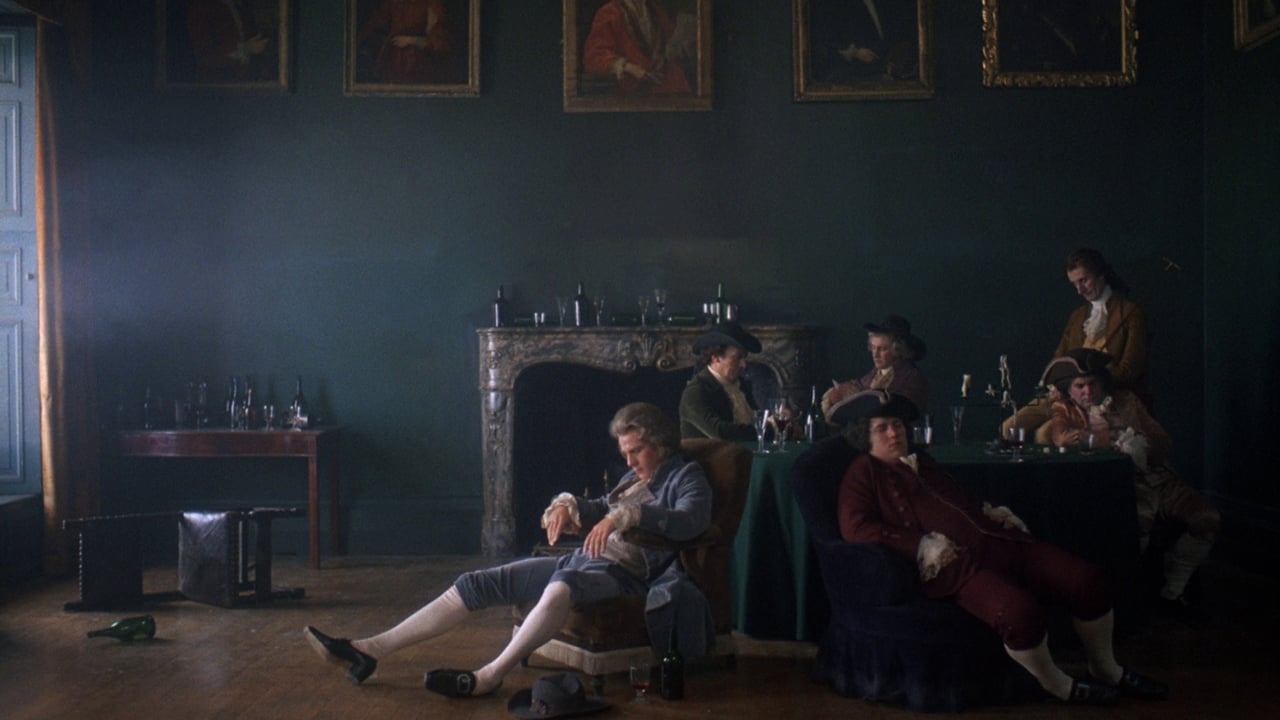
The Impossible Light of the Past
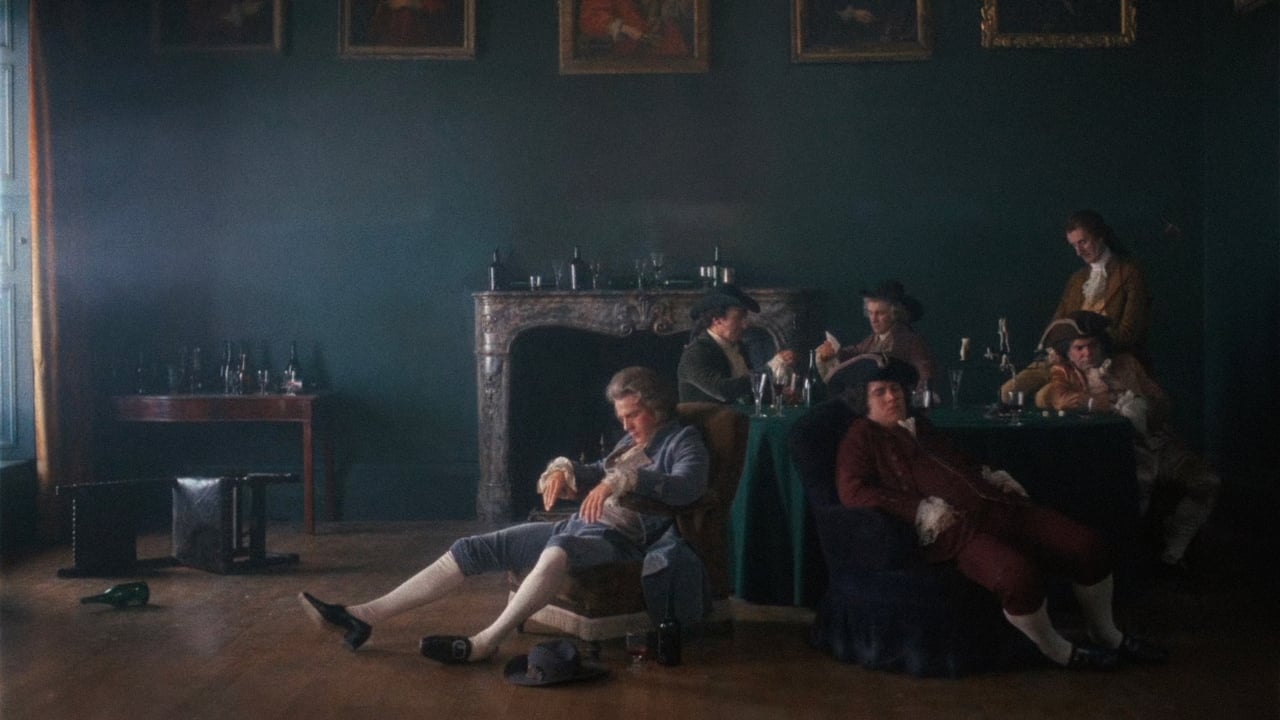
The legend of the "NASA lenses" isn't just film-school fodder; it’s the heartbeat of the movie’s aesthetic. Kubrick and his cinematographer, John Alcott, were obsessed with capturing the period using only natural light or actual candlelight. To do it, they tracked down ultra-fast Zeiss lenses originally built for moon photography. The result is a film that looks like a series of Gainsborough paintings come to life, but with a cold, tragic undercurrent.
There is a stillness here that is almost predatory. When Ryan O’Neal, playing the social-climbing Redmond Barry, sits across from Marisa Berenson’s Lady Lyndon at a gaming table, the silence is heavy enough to crush a man. They communicate through glances and the flicker of tallow candles. Alcott won an Academy Award for this work, and honestly, he deserved a Nobel Prize for physics too. He managed to film in conditions where other directors would have just seen pitch black. It creates an atmosphere of suffocating elegance; you can almost smell the damp wool and the unwashed wigs through the screen.
The Hollow Man in the High Heels
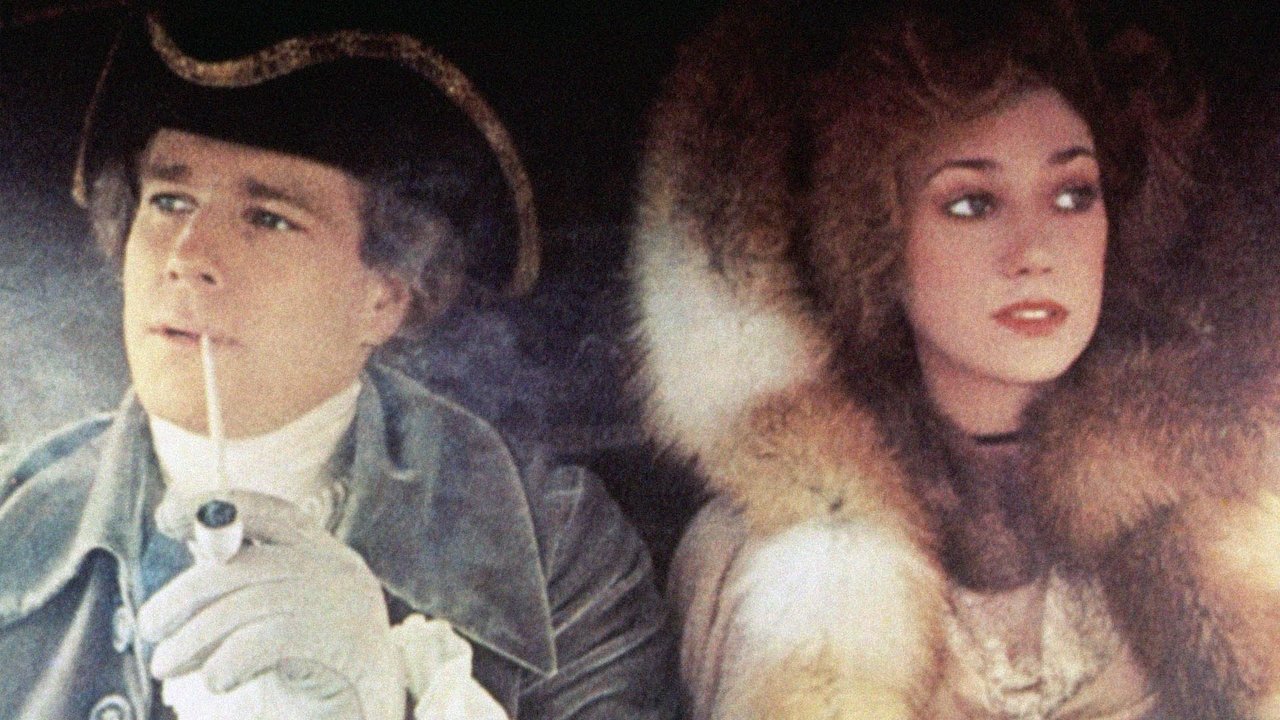
Casting Ryan O’Neal was a move that divided critics at the time. He was the golden boy of the 70s, fresh off Love Story and Paper Moon, and many felt he was too "Californian" for a costume drama. But I’ve always felt his blankness is the film’s secret weapon. Barry is a man who adapts to survive—a soldier, a spy, a gambler, and eventually, a husband to a woman he doesn’t love for a title he doesn't deserve. O’Neal plays him with a fascinating lack of an internal core. Barry is essentially a handsome mirror that reflects the greed of everyone he meets.
Beside him, the supporting cast is a gallery of grotesque perfection. Patrick Magee (who screamed his way through A Clockwork Orange) is remarkably restrained here as the Chevalier de Balibari, Barry's mentor in the art of the grift. Then there is Steven Berkoff as Lord Ludd, who brings a sharp, sneering energy to the screen. The drama isn't found in explosive dialogue, but in the slow-motion car crash of Barry’s ego. He spends the first half of the film fighting to get into the upper class and the second half realizing that the "gentlemen" he idolized are far more vicious than the Irish peasants he left behind.
A Prestige Tragedy of Scale
Barry Lyndon was the ultimate prestige project, earning seven Oscar nominations including Best Picture and Best Director. While it lost the top prize to One Flew Over the Cuckoo's Nest, its technical sweep—taking home statues for Cinematography, Art Direction, Costume Design, and Leonard Rosenman’s hauntingly repetitive score—solidified its status as a craft-heavy juggernaut. It’s a film where the costumes aren't just outfits; they are cages. Milena Canonero’s designs tell the story of Barry’s ascent through increasingly suffocating layers of silk and lace.
The "Subjective Irrelevance" of my viewing history with this film involves a bag of very stale popcorn and a rainy Tuesday afternoon. I found that the slower the movie got, the more I forgot about the snacks. There is a duel in the final act—set in a tithe barn—that is one of the most tense sequences in cinema history, despite featuring almost no movement. The sound of a bird chirping in the rafters against the clicking of a pistol hammer is enough to make your heart stop. Kubrick understood that true intensity doesn't need a high frame rate; it just needs stakes and a sense of inevitable doom.
This is not a "background movie." If you try to fold laundry while watching Barry Lyndon, you will miss the subtle shift in a character's eyes that signals a life-altering betrayal. It is a grim, beautiful, and deeply cynical look at the human condition, wrapped in the most gorgeous packaging ever put to celluloid. It’s a tragedy that earns every one of its 188 minutes by showing us that even if you win the world, you’ll probably lose your soul in the process. Watch it on the biggest screen you can find, turn the lights off, and let the 18th century swallow you whole.
Keep Exploring...
-
Full Metal Jacket
1987
-
Spartacus
1960
-
A Bridge Too Far
1977
-
Paths of Glory
1957
-
Patton
1970
-
The Deer Hunter
1978
-

Apocalypse Now
1979
-
Sophie's Choice
1982
-
Empire of the Sun
1987
-
Casualties of War
1989
-
Glory
1989
-
Dr. Strangelove or: How I Learned to Stop Worrying and Love the Bomb
1964
-
A Clockwork Orange
1971
-
Doctor Zhivago
1965
-
The Shining
1980
-
Das Boot
1981
-
Enemy at the Gates
2001
-
Joyeux Noel
2005
-
The Wind Rises
2013
-
Schindler's List
1993