Deep Red
"You see everything, but you understand nothing."
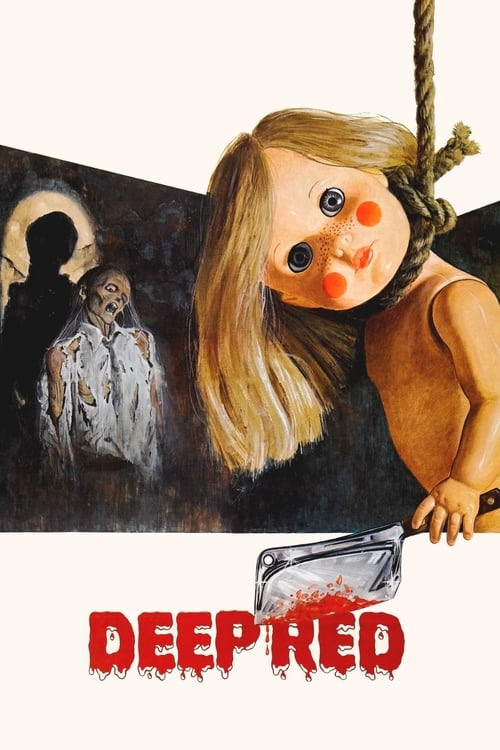
The first time the screen bleeds in Deep Red, it isn't a splash; it’s a geyser. Dario Argento doesn’t just direct horror; he choreographs it with the cold, geometric precision of an architect designing a cathedral specifically for human sacrifice. By the time the credits roll on this 127-minute odyssey of velvet shadows and shattered glass, you realize you haven’t just watched a mystery—you’ve been trapped inside a nightmare that has been painted in the most aggressive shade of crimson imaginable.

I watched this most recent screening while wearing one damp sock because I’d stepped in a puddle earlier, and strangely, that lingering, cold discomfort on my left foot perfectly matched the clammy, "something is behind me" dread that Argento excels at.
The Art of the Giallo Masterpiece
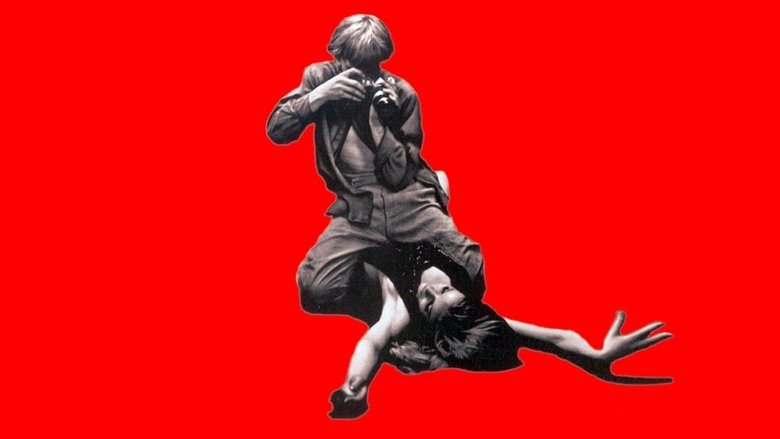
At its core, Deep Red (or Profondo Rosso) is a whodunit, but one filtered through a psychedelic, Italian lens. David Hemmings—the man who spent the 60s trying to find a body in a photograph in Blow-Up—returns to similar territory here as Marcus Daly, an English pianist living in Rome. He witnesses the brutal murder of a psychic through a window, rushes to help, and finds himself obsessed with a detail in the hallway that he knows he saw but can’t quite remember.
It is the ultimate "unreliable witness" hook. Argento plays a magnificent trick on the audience by hiding the killer’s face in plain sight during an early, long tracking shot. It’s a bold move that basically screams, “I am showing you the answer, and you’re still too slow to see it.” Hemmings plays Marcus with a wonderful, flustered intellectualism, but the real spark comes from Daria Nicolodi as Gianna Brezzi, a tenacious reporter. Their bickering, screwball-comedy chemistry provides a necessary breath of air in a film that otherwise feels like it’s slowly tightening a garrote around your neck.
A Symphony of Practical Carnage

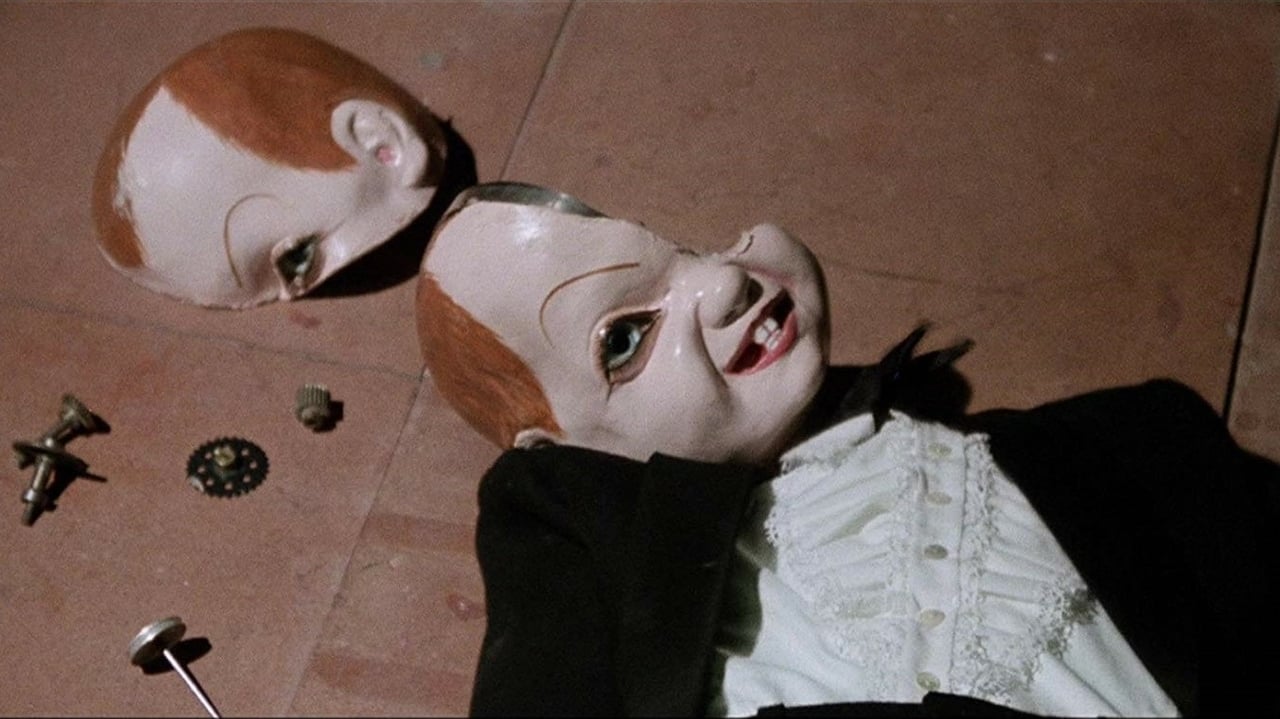
If you’re coming to this from the world of CGI jump-scares, prepare for a physical awakening. This was the golden age of practical effects, where every shattered tooth and steaming puddle of blood had to be built, rigged, and poured. The murder sequences in Deep Red are legendary for a reason. They aren't quick; they are elaborate, ritualistic set pieces. Whether it’s a victim being dragged against a wall of sharp edges or the infamous "mechanical doll" that skitters out of the darkness, the craftsmanship is undeniable.
The doll, in particular, is the cinematic equivalent of a persistent migraine. It’s a clattering, grinning wooden nightmare that represents the peak of pre-digital ingenuity. There’s no motion blur to hide the flaws, which somehow makes it feel more "present" in the room with you. Behind the scenes, Argento and his crew were essentially inventing a new visual language for the slasher genre, using the camera as a prowling, predatory entity. The cinematography by Luigi Kuveiller treats Rome not as a historic city, but as a series of cold, looming plazas and claustrophobic apartments where the architecture itself feels like it’s closing in.
The Goblin Factor and the VHS Ghost
You cannot talk about Deep Red without talking about the noise. The score by Claudio Simonetti and his band, Goblin, is a prog-rock assault of Moog synthesizers and aggressive basslines. In an era where horror scores were usually orchestral and gothic, Goblin delivered something that sounded like a haunted disco. It doesn’t just underscore the tension; it drives the knife in.
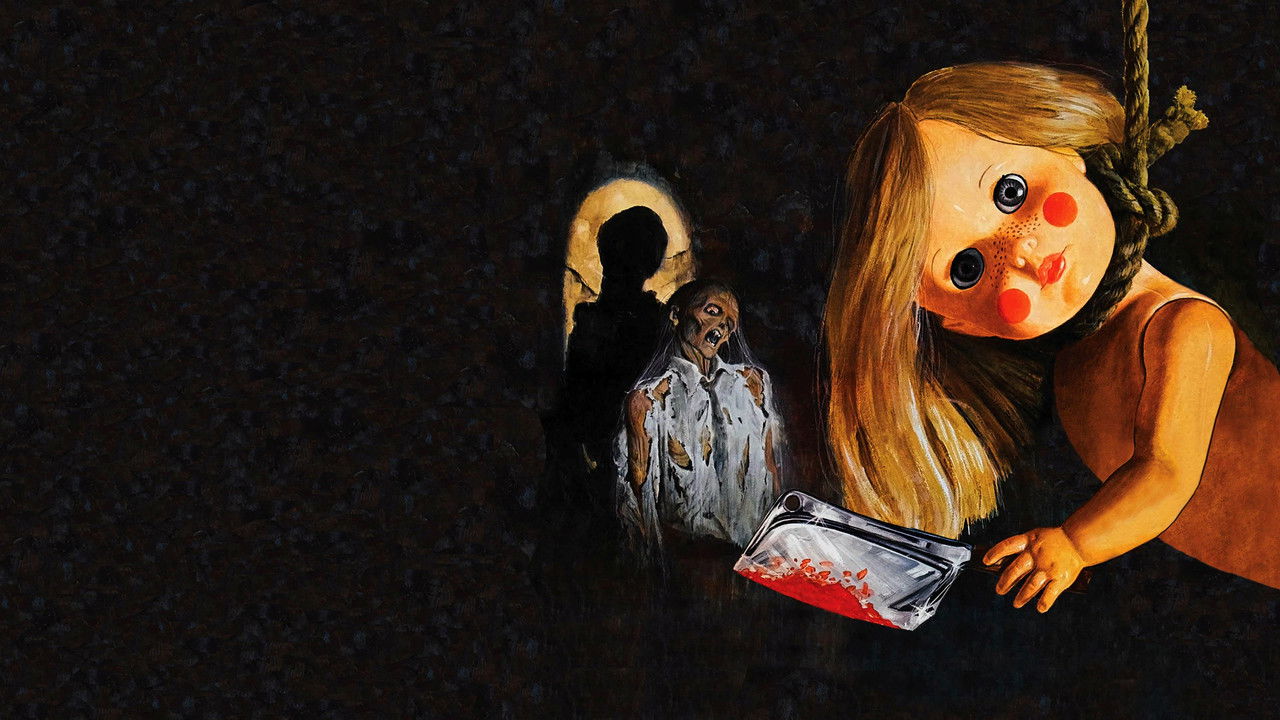
For many of us, the legend of Deep Red grew in the dimly lit aisles of independent video stores during the 80s. It was often found under the title The Hatchet Murders, usually in a truncated, 90-minute US cut that hacked away the character development and left only the gore. The box art usually featured a screaming face or a bloody weapon, promising a cheap thrill. But those of us who grew up on those grainy, multi-generation dubbed tapes eventually discovered the "Director’s Cut." Finding the full 127-minute version felt like uncovering a forbidden text. The sheer length of the film is actually its greatest strength; it allows the atmosphere to curdle. It turns the movie from a simple slasher into a sprawling, operatic descent into madness. Argento hates his audience’s comfort levels, and the uncut version proves it by refusing to look away from the psychological rot at the heart of the mystery.
Deep Red is the bridge between the classic mystery and the modern slasher, but it has more style in its pinky finger than most entire franchises. It’s a film that demands you pay attention to every corner of the frame, rewarding the observant and punishing the squeamish. Even if you figure out the "who" before Marcus does, the "how" and the "why" will leave you feeling effectively haunted. It is the peak of the Giallo movement—a beautiful, terrifying, and deeply loud reminder of why we go to the movies to be scared.

Keep Exploring...
-
Phenomena
1985
-
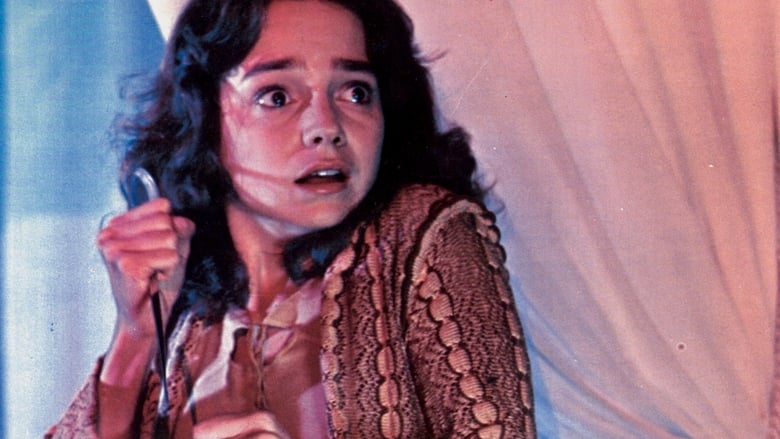
Suspiria
1977
-
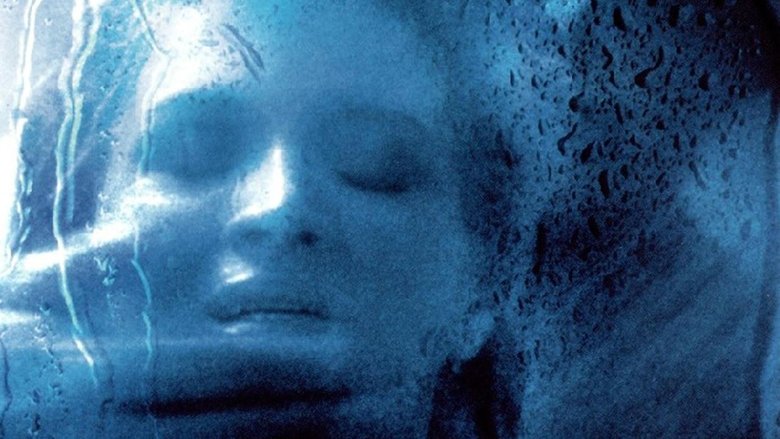
Dressed to Kill
1980
-

Frenzy
1972
-

Three Days of the Condor
1975
-
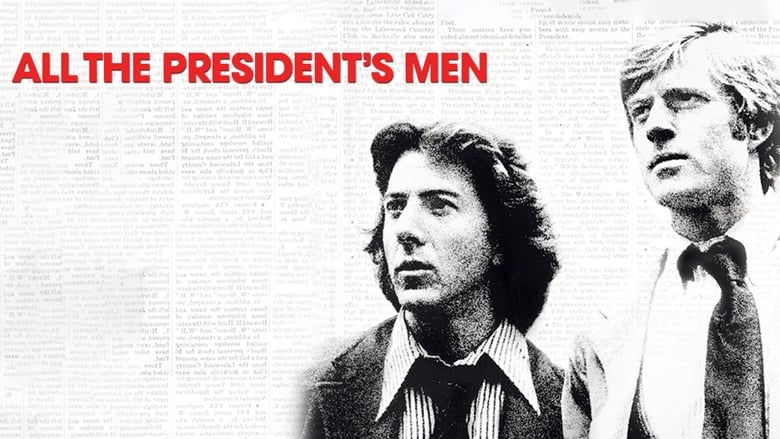
All the President's Men
1976
-

Murder by Death
1976
-
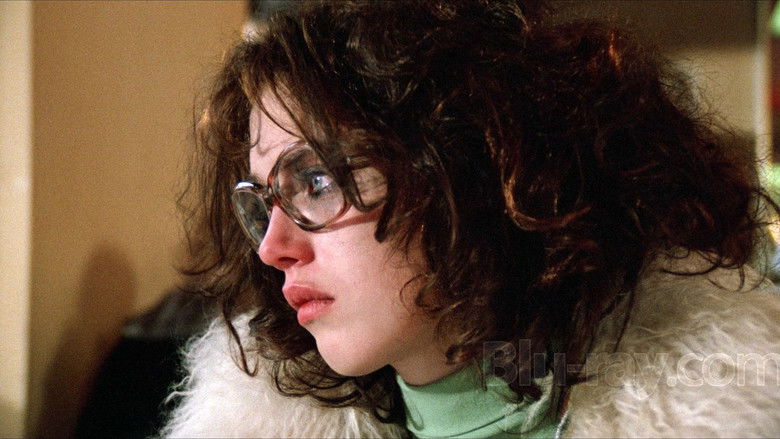
The Tenant
1976
-
Psycho
1960
-
Blow-Up
1966
-
Marnie
1964
-
Blow Out
1981
-
The Dead Zone
1983
-
Clue
1985
-
Manhunter
1986
-
Angel Heart
1987
-
Dead Ringers
1988
-
Mississippi Burning
1988
-
Chinatown
1974
-
Murder on the Orient Express
1974