Dog Day Afternoon
"The heat is rising. The cameras are rolling."
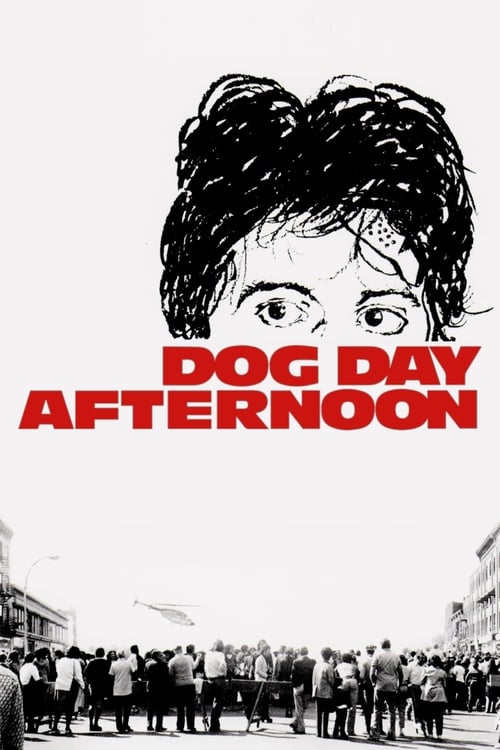
I recently revisited Dog Day Afternoon on a humid Tuesday evening while nursing a lukewarm Tab soda—the metallic tang of the drink felt strangely appropriate for the grimy, pre-gentrified Brooklyn atmosphere that Sidney Lumet captured so perfectly in 1975. There is a specific kind of sweat you only see in 70s cinema; it’s not the spray-bottle sheen of a modern action hero, but the salt-stained, pore-clogging perspiration of a man who realizes his life has become a televised train wreck.
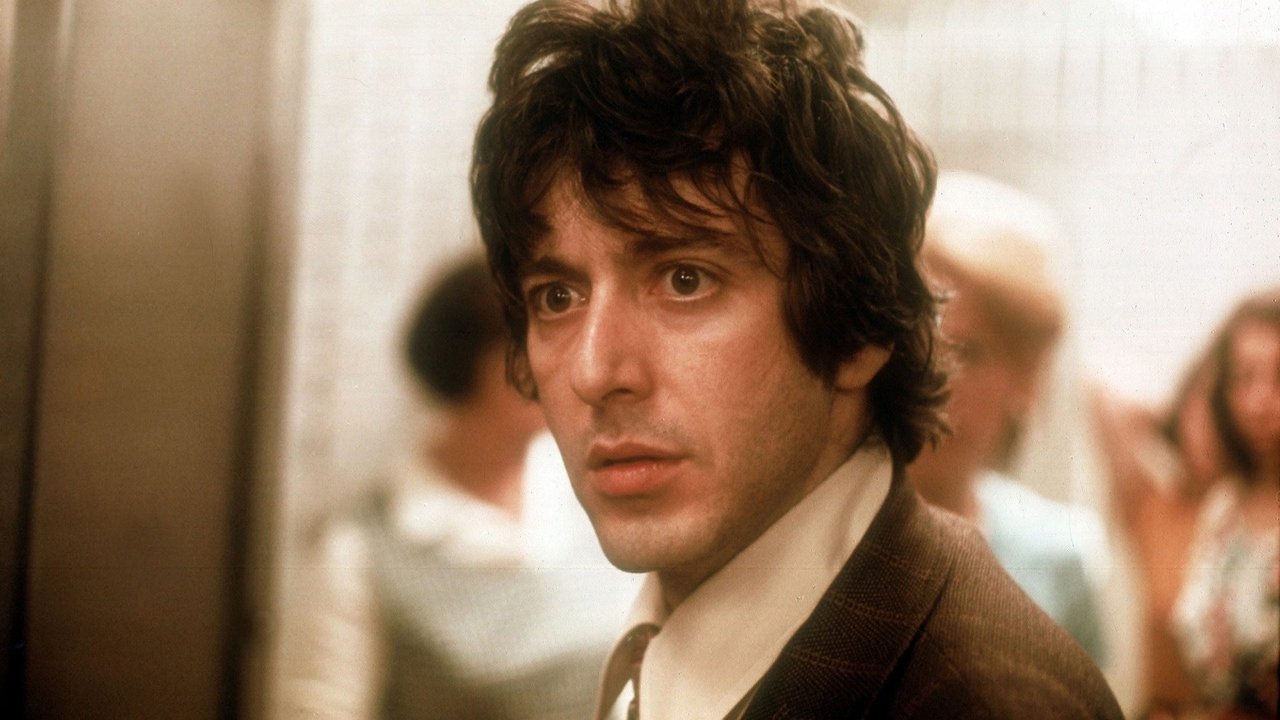
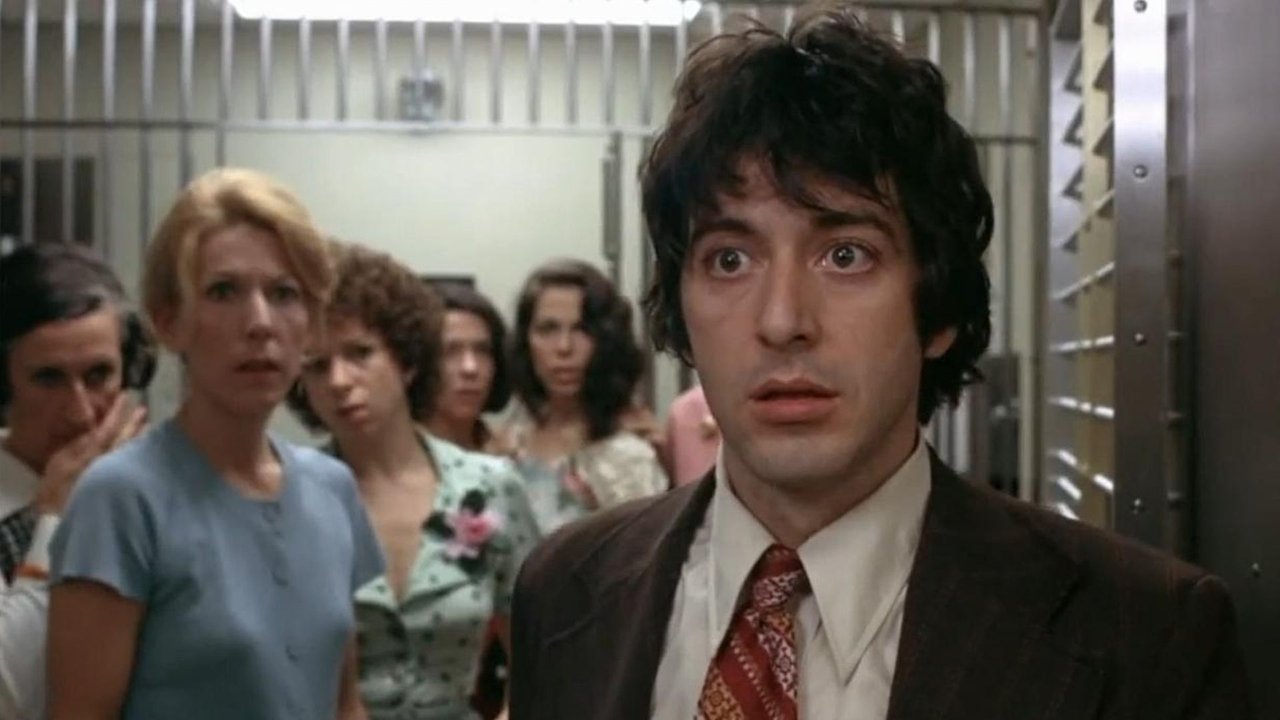
Based on the real-life 1972 robbery of a Chase Manhattan branch, the film doesn't waste time with a slow burn. We’re dropped into the middle of a heist that is doomed before the first "stick 'em up" is even uttered. Sonny (Al Pacino) and Sal (John Cazale) are the furthest thing from professional thieves. They are desperate, disorganized, and—in Sonny’s case—dangerously empathetic. When the air conditioning cuts out and the police surround the building, the film transforms from a crime thriller into a high-stakes psychological pressure cooker.
A Masterpiece of Nervous Energy
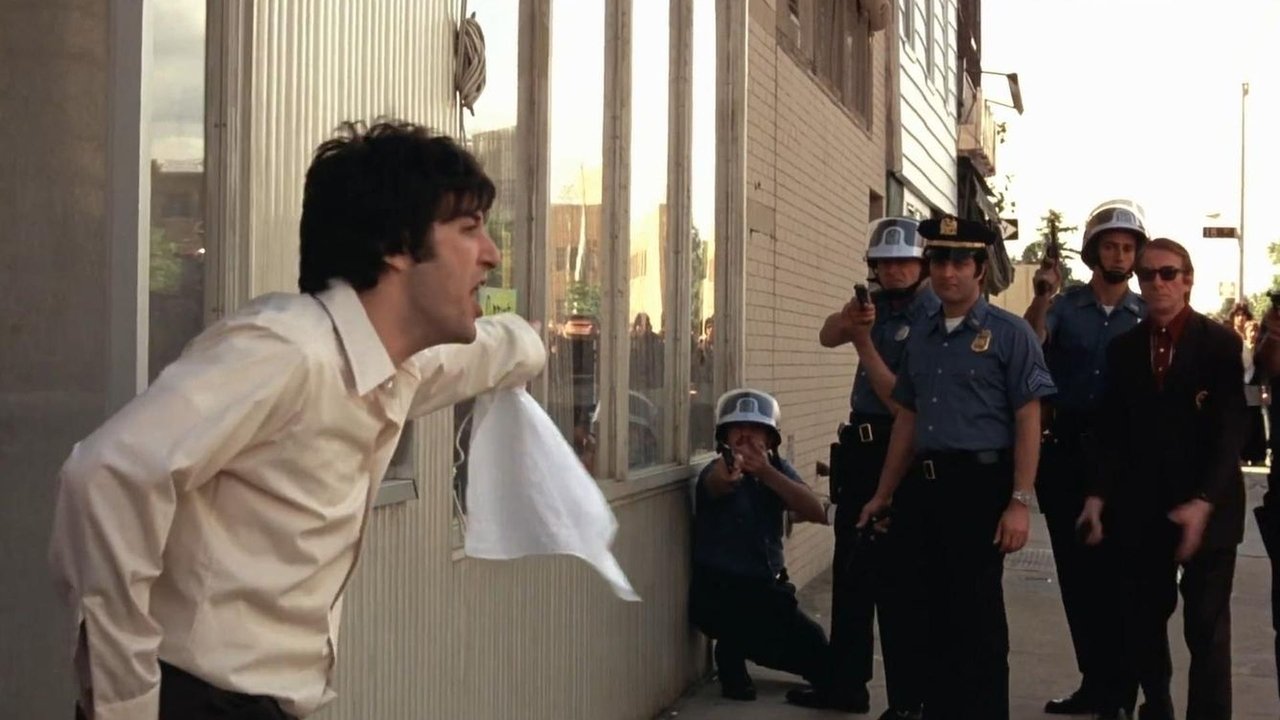
Al Pacino is often remembered for his later, "HOO-AH" era of scenery-chewing, but here, he is a live wire with a frayed coating. His Sonny is a frantic, stuttering contradiction—a man who wants to be a hero to everyone but ends up a villain to the state. I’ve always felt that Sonny is essentially a human short-circuit, flickering between genuine kindness toward his hostages and a terrifying, cornered-animal aggression.
Then there is John Cazale as Sal. It is a tragedy of cinema history that Cazale only appeared in five feature films before his death, all of them nominated for Best Picture. As Sal, he is the quiet, chilling counterweight to Sonny’s mania. He barely speaks, but his hollowed-out eyes suggest a man who has already accepted his own ghost. When Sonny asks him what country he’d like to fly to, and Sal simply whimpers, "Wyoming," it’s one of the most heartbreakingly small moments in a film filled with grand gestures.
The chemistry between them isn't built on camaraderie, but on shared doom. Lumet, who also gave us the blistering courtroom drama 12 Angry Men, refuses to use a traditional musical score. The only "music" you hear is the ambient roar of the Brooklyn streets, the jangle of telephones, and the rhythmic chanting of the crowd. This lack of a safety net makes every scene feel like it’s happening in real-time.
The First Reality TV Show
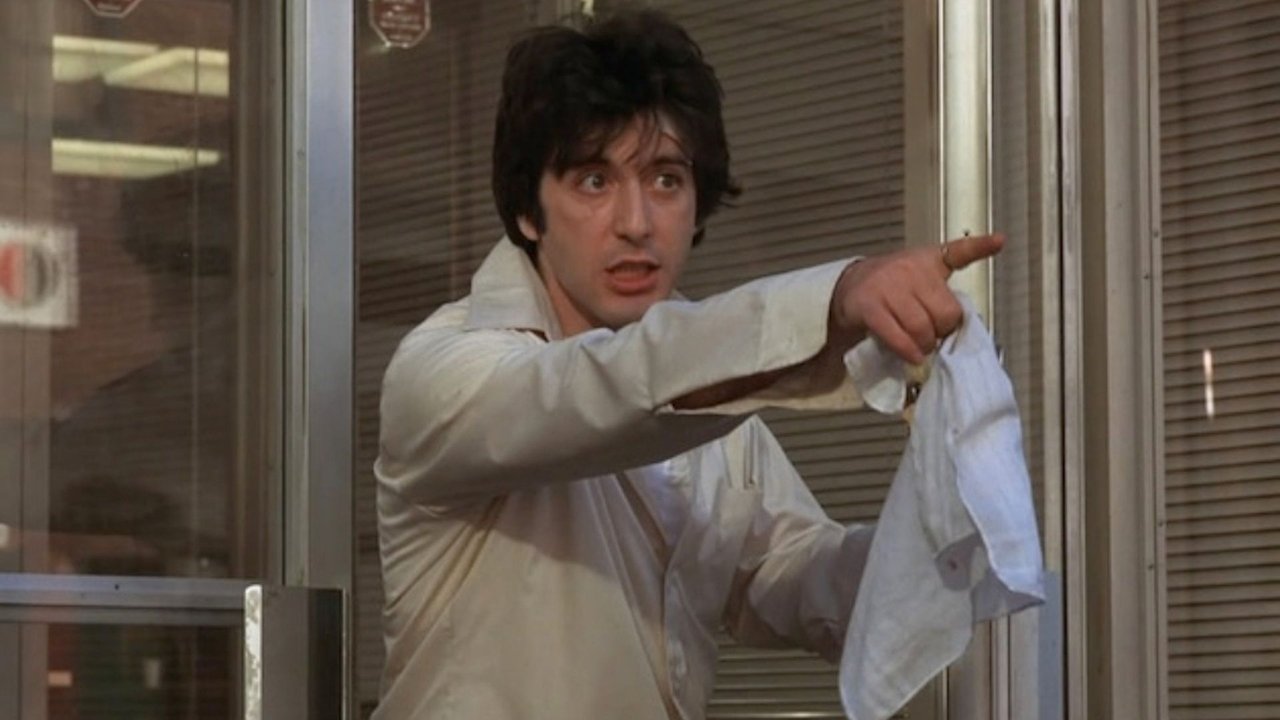
Long before every person with a smartphone could broadcast their own breakdown, Dog Day Afternoon predicted the terrifying power of the media circus. As the stand-off stretches into the evening, the crowd outside the bank grows, turning a life-and-death situation into a street fair. When Sonny steps out and bellows "Attica! Attica!"—referencing the prison riot from the previous year—he isn't just shouting at the cops; he’s performing for the cameras.
The film takes a sharp, intense turn when we discover Sonny’s motive. He isn't robbing the bank for greed; he’s doing it to pay for his partner’s gender-reassignment surgery. Chris Sarandon (who later played the villainous Prince Humperdinck in The Princess Bride) delivers a haunting, vulnerable performance as Leon, Sonny’s trans wife. In 1975, this subject matter was handled with a shocking amount of dignity and complexity. It wasn't a "very special episode" moment; it was a messy, painful look at a man trying to save someone he loves through the only violent means he understands.
I remember my first time seeing this on a grainy VHS tape, where the low-resolution tracking actually enhanced the "news-feed" feel of the cinematography by Victor J. Kemper. The movie has a tactile, documentary-like quality that makes the eventual arrival of the FBI—led by a cold, calculating James Broderick—feel like a literal death chill entering the room.
The Prestige of the Pressure Cooker
The film was a massive critical darling, earning six Academy Award nominations, including Best Picture and Best Actor. While it lost the big prize to One Flew Over the Cuckoo's Nest, Frank Pierson took home the Oscar for Best Original Screenplay. Pierson’s script is a marvel of structure, managing to make us laugh at the absurdity of the situation—like the bank manager worrying about his insurance—without ever letting us forget that there are loaded guns in the room.

Charles Durning also deserves a massive amount of credit as Moretti, the local detective trying to manage the chaos before the feds take over. He’s the blue-collar face of the law, exhausted and overheating, representing a city that was, in 1975, famously on the verge of bankruptcy and collapse.
There is a grim honesty to the ending that stays with you. It refuses the Hollywood "blaze of glory" trope, opting instead for something much more quiet and devastating. It’s a reminder that in the 1970s, movies weren't afraid to let the bad guys be human and the good guys be cold.
Dog Day Afternoon remains one of the most essential pillars of the New Hollywood movement. It’s a film that captures a very specific American exhaustion, fueled by the leftover cynicism of Vietnam and Watergate, yet it remains timeless because of its focus on the flawed, beating hearts at its center. If you haven't seen it, wait for a hot day, turn off the AC, and let Al Pacino show you what it looks like to lose everything on live television.
Keep Exploring...
-
Serpico
1973
-
The Godfather Part II
1974
-
Chinatown
1974
-
Murder on the Orient Express
1974
-
Scarface
1983
-
Straw Dogs
1971
-
Marathon Man
1976
-
Before the Devil Knows You're Dead
2007
-

Taxi Driver
1976
-
In the Heat of the Night
1967
-
Blood Simple
1985
-
Carlito's Way
1993
-
The Godfather
1972
-

The Conversation
1974
-
Witness
1985
-
Mississippi Burning
1988
-
Cool Hand Luke
1967
-
Rosemary's Baby
1968
-
Le Samouraï
1967
-
The Sting
1973