Fantozzi: White Collar Blues
"The tragic, hilarious art of losing at life."
There is a specific, soul-crushing rhythm to the morning routine of Ugo Fantozzi that feels uncomfortably familiar, even fifty years later. He wakes up at 7:51:15 AM. By 7:51:30, he is already struggling with a wardrobe that seems to be actively conspiring against him. By 8:00, he is jumping from a balcony to catch a moving bus, only to end up tangled in the commuters like a piece of discarded laundry. When I first watched this, I was nursing a cup of lukewarm espresso that had developed a weird oily film on top, and that minor domestic failure felt like the perfect entry point into the world of Italy’s most iconic loser.
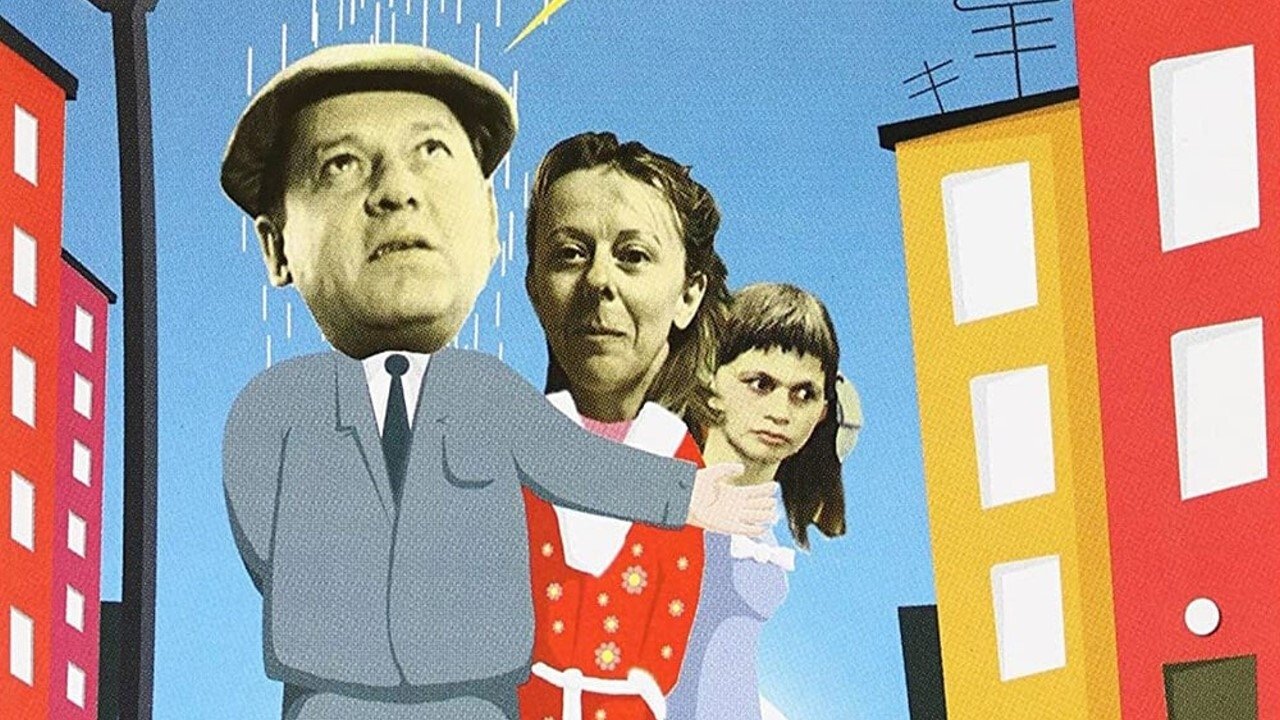
Paolo Villaggio didn't just play Fantozzi; he birthed a psychological condition. In Italy, "Fantozzian" is a legitimate adjective used to describe situations of surreal, bureaucratic humiliation. While American audiences in 1975 were grappling with the gritty realism of Dog Day Afternoon or the shark-infested waters of Jaws, Italian cinema-goers were being confronted with a mirror that was as cruel as it was hysterical. Fantozzi is the low-level accountant at the "Megaditta," a company so vast and impersonal it feels like a Kafkaesque fortress. He is the man who is ignored by the elevator, insulted by his colleagues, and perpetually thirsty for a drop of dignity that the universe refuses to provide.
The Philosophy of the Doormat
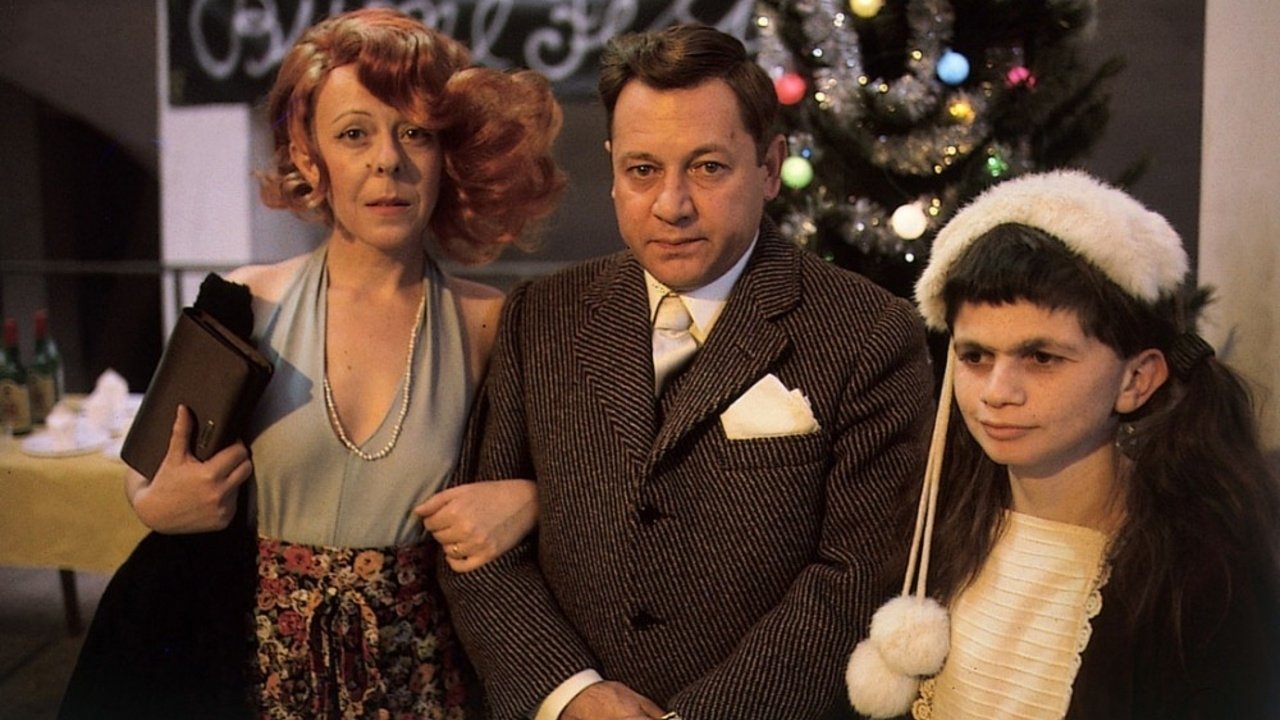
What strikes me most about director Luciano Salce’s approach is how he balances cartoonish slapstick with a crushing sense of existential dread. This isn't just "funny man falls down." It’s a cerebral exploration of the "Little Man" archetype. Fantozzi is a servant who has been so thoroughly conditioned by the corporate hierarchy that he actually craves the approval of the people crushing him. When he is invited to a high-society dinner by Umberto D’Orsi’s character, the elitist Count Diego Catellani, Fantozzi doesn't see the trap; he sees a chance to finally "belong." The resulting sequence involving a giant, stubborn pea and a very aggressive dog is a masterclass in cringe comedy long before that term became a marketing buzzword.
The film operates on a level of social satire that feels remarkably sharp today. It’s a critique of the "Italian Economic Miracle" of the previous decades, revealing the hollow, exhausted interior of the middle class that was supposed to be the backbone of the nation. Modern workplace comedies like The Office owe a blood debt to this man's suffering. While Michael Scott is cringeworthy because of his ego, Fantozzi is heartbreaking because of his complete lack of one. He is a man who has been erased by his job title.
A Symphony of Misfits
The ensemble cast provides a necessary friction to Fantozzi’s passivity. Gigi Reder as Filini is the ultimate "organizer" of doomed social outings. Whether it’s a tennis match played in a literal fog or a disastrous camping trip, Reder plays the character with a manic energy that suggests he’s just one bad weekend away from a total breakdown. Then there is Anna Mazzamauro as the unattainable Signorina Silvani. Her performance is brilliant—she manages to be both the object of Fantozzi’s pathetic desire and a victim of the same soul-sucking system, hiding her own desperation behind layers of blue eyeshadow and a sharp tongue.
The chemistry between these characters is built on a shared understanding of their place at the bottom of the food chain. They are like crabs in a bucket, occasionally stepping on each other just to get a breath of air, but ultimately destined for the same pot. If you don’t feel a twinge of existential dread while laughing at their misfortunes, you’re probably the boss.
The VHS Discovery and the Language Barrier
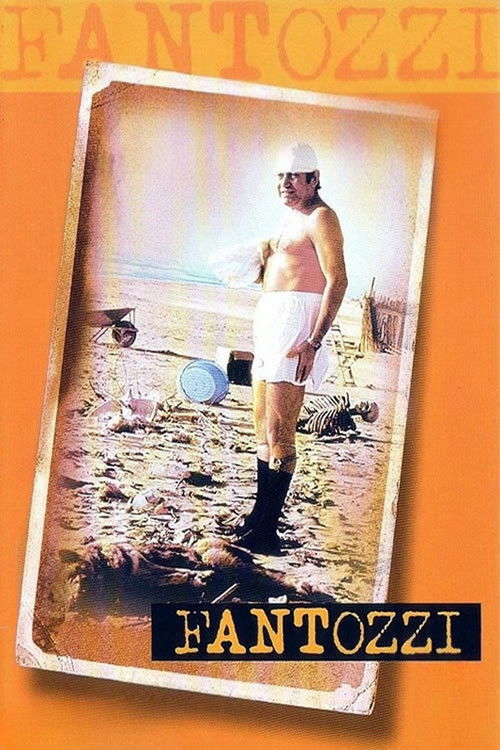
Outside of Italy, Fantozzi remains a bit of a cult secret, largely because it’s a film that lives and dies by its linguistic nuances. The way Fantozzi uses the "congiuntivo" (the subjunctive mood) incorrectly is a running gag that highlights his social anxiety and his desperate attempt to sound more educated than he is. On the old Rizzoli Film VHS tapes I’ve seen, the subtitles often struggle to capture the specific weight of these grammatical failures. The cover art for many international releases usually depicted Paolo Villaggio in some state of physical distress, promising a wacky slapstick romp, which likely confused viewers who found themselves watching a bleak meditation on class subservience.
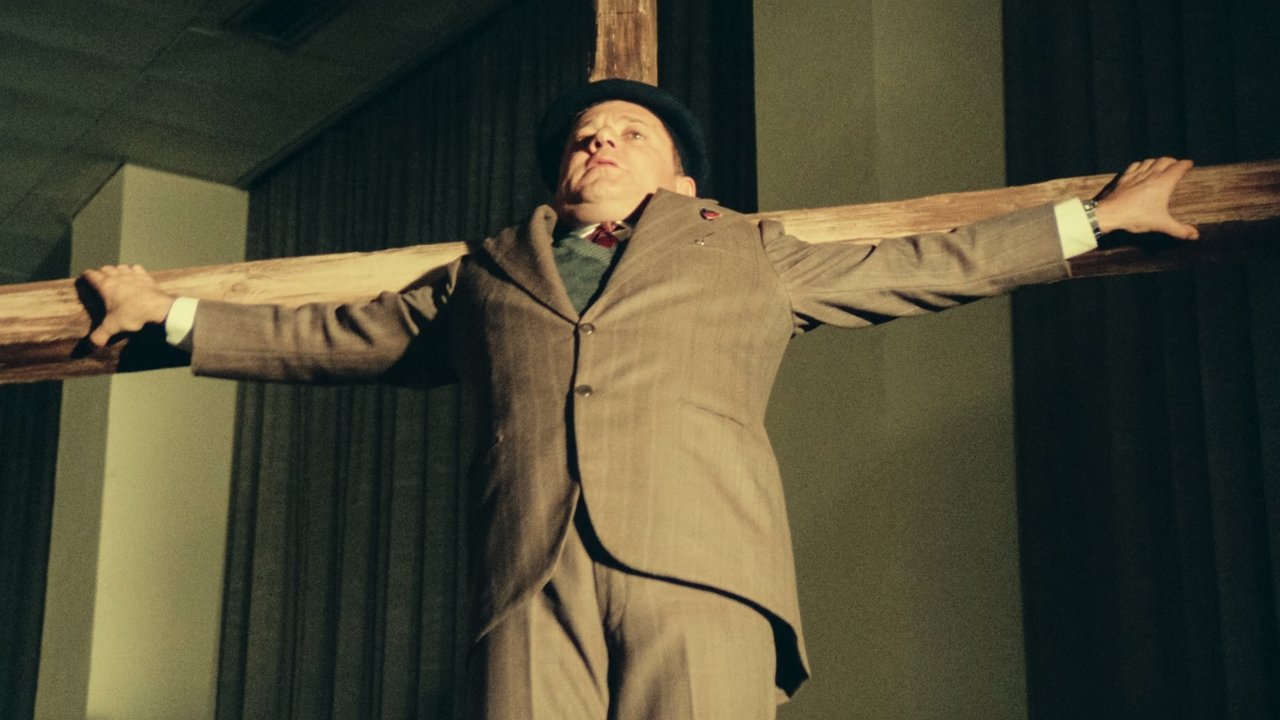
The film’s obscurity in the West is a genuine shame. It captures the 1970s aesthetic—that brownish, slightly grimy film stock and the brutalist architecture of the Roman suburbs—better than almost any other comedy of the era. It’s a time capsule of a world that was moving toward total corporatization. Luciano Salce directs with a spatial clarity that makes the physical gags land with a thud, ensuring that even if the cultural specificities fly over your head, the sight of a man accidentally eating a lightbulb is universally understood.
Ultimately, Fantozzi works because it refuses to give its protagonist a win. There is no Hollywood ending where he stands up to the boss and wins the girl. Instead, he accepts his fate with a polite, "Come è umano lei!" ("How human you are!"). It’s a hilarious, bitter, and deeply thoughtful piece of cinema that suggests the greatest tragedy isn't failing to achieve your dreams—it's having those dreams replaced by a desire for a slightly more comfortable cubicle. It is essential viewing for anyone who has ever felt like a ghost in their own office.
Keep Exploring...
-
Amarcord
1973
-
Harold and Maude
1971
-
Being There
1979
-
La Dolce Vita
1960
-
Nothing Left to Do But Cry
1984
-
Charade
1963
-
My Fair Lady
1964
-
They Call Me Trinity
1970
-
Trinity Is Still My Name
1971
-
My Name Is Nobody
1973
-
Young Frankenstein
1974
-
Annie Hall
1977
-
Life of Brian
1979
-
Manhattan
1979
-
M*A*S*H
1970
-

Bedknobs and Broomsticks
1971
-

The Mad Adventures of Rabbi Jacob
1973
-

Watch Out, We're Mad
1974
-

Murder by Death
1976
-
The Twelve Tasks of Asterix
1976