Jaws
"The deep holds a hunger that never sleeps."
The Primal Weight of the Unseen
I remember watching Jaws on a grainy VHS tape during a thunderstorm, and I was so paralyzed by the tension that I let a meatball sub slide off my lap and ruin a perfectly good rug. I didn't even care. That’s the power of Steven Spielberg's 1975 masterwork—it demands your total, breathless attention. While we often celebrate it as the "first summer blockbuster," we sometimes forget just how bleak and oppressive it actually is. It’s a film about three men trapped on a decaying boat, realizing they are no longer at the top of the food chain.
The brilliance of the film isn't just in the shark; it’s in the water itself. Bill Butler’s cinematography treats the Atlantic like a dark, sentient void. Every time the camera dips to sea level, you feel that tug on your ankles. It’s an exercise in sustained dread that New Hollywood did better than anyone else. They didn’t have the safety net of digital polish. When you see Roy Scheider’s Brody looking out at the horizon, you aren't seeing an actor on a green screen; you're seeing a man genuinely exhausted by the physical toll of a production that famously went over budget and over schedule.
The Mechanical Nightmare That Birthed a Legend
The behind-the-scenes chaos of Jaws is the stuff of cinematic myth. The production was a $7 million gamble that nearly sank Universal Pictures. The mechanical shark—affectionately and mockingly nicknamed "Bruce" after Spielberg's lawyer—almost never worked. The saltwater corroded its hydraulic guts, and the beast spent more time sinking to the bottom of the ocean than it did hunting actors. I’ve always maintained that the shark being broken was the best thing that ever happened to cinema.
Because "Bruce" was such a literal hunk of junk, Spielberg was forced to channel Alfred Hitchcock. He used the yellow barrels, the score, and the POV shots to suggest the monster. This shift from creature feature to psychological horror elevated the film into something transcendental. It tapped into a primal, "dark" fear of what lurks beneath the surface. By the time we finally see the Great White in all its toothy glory, the movie has already spent an hour eating away at our nerves. It’s a classic example of how technical limitations can spark creative genius, proving that you don't need a $200 million CGI budget to scare the world out of the ocean.
A Trio of Damaged Souls
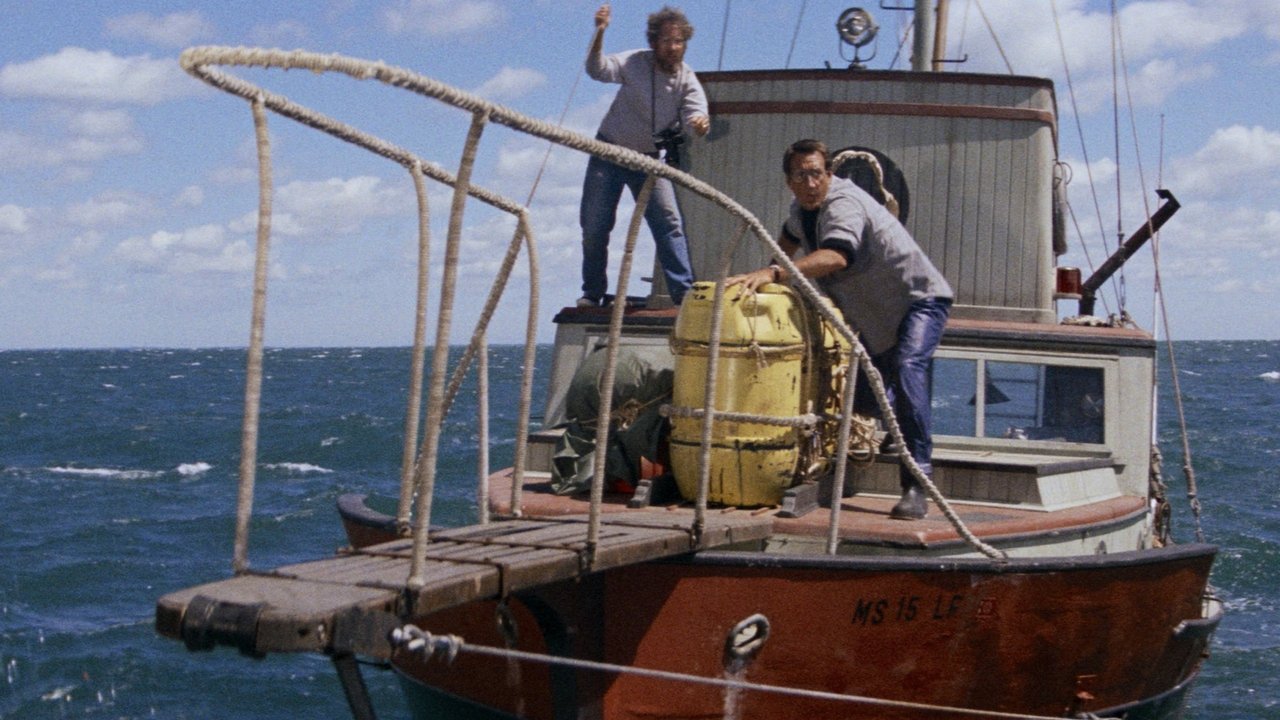
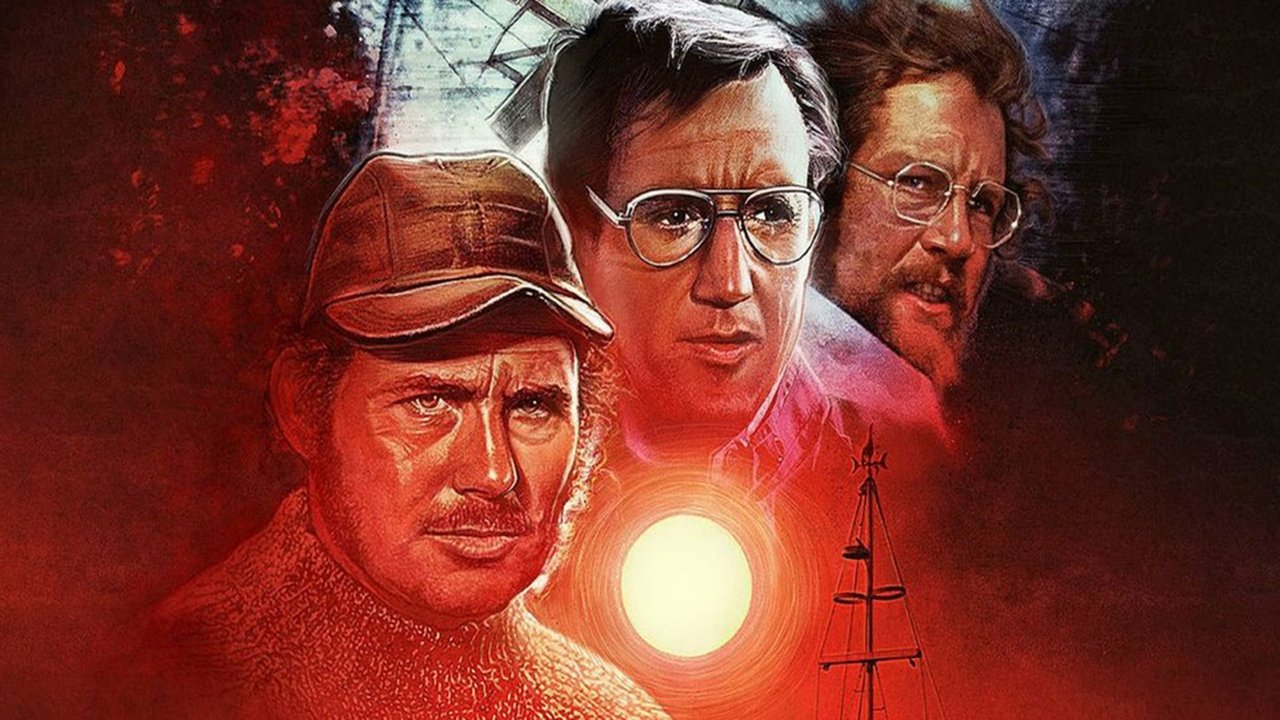
The heart of the film isn't the fish; it’s the chemistry between Roy Scheider, Robert Shaw, and Richard Dreyfuss. They represent three distinct pillars of 1970s masculinity: the anxious Everyman, the traumatized veteran, and the arrogant intellectual. Roy Scheider is incredible as Brody, a cop who hates the water but is forced to face it to save a town that doesn't even want to be saved. Murray Hamilton’s Mayor Vaughn is a bigger monster than the fish, choosing commerce over human lives in a way that feels uncomfortably relevant in any era.
Then there’s the "USS Indianapolis" speech. Robert Shaw—who was reportedly frequently at odds with Dreyfuss on set—delivers a monologue that turns a shark movie into a haunting war drama. The way he describes the "lifeless eyes, black eyes, like a doll's eyes" is enough to make your blood run cold. It’s a moment of stillness that carries more weight than any jump scare. John Williams’ score, of course, does the rest of the heavy lifting. Those two simple notes—E and F—became the universal heartbeat of anxiety. It’s a score that doesn't just accompany the film; it stalks it.
The Birth of the Blockbuster Era
Jaws didn't just change how we felt about the beach; it changed how Hollywood did business. Before 1975, movies usually rolled out slowly in "platform" releases. Universal flipped the script, spending nearly $2 million on a then-unheard-of television marketing blitz and opening the film on over 400 screens simultaneously. It was a massive hit, grossing over $470 million worldwide (that’s over $2 billion in today’s money). It was the first film to ever cross the $100 million mark in North America, effectively inventing the "Summer Blockbuster" and making Steven Spielberg the most powerful director in the world.
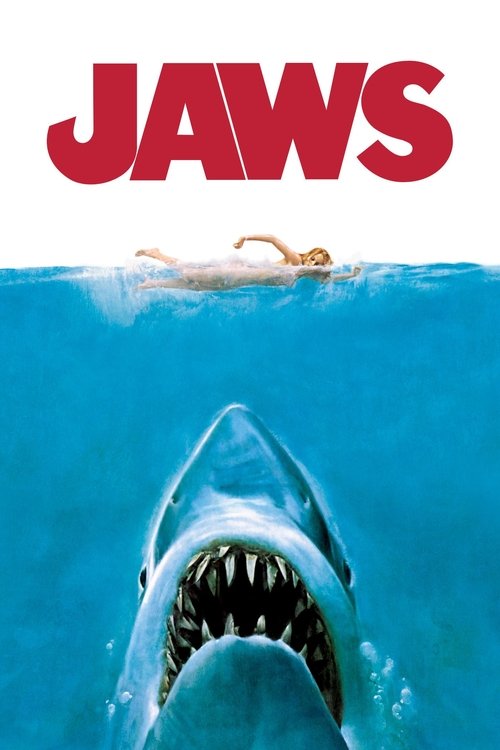
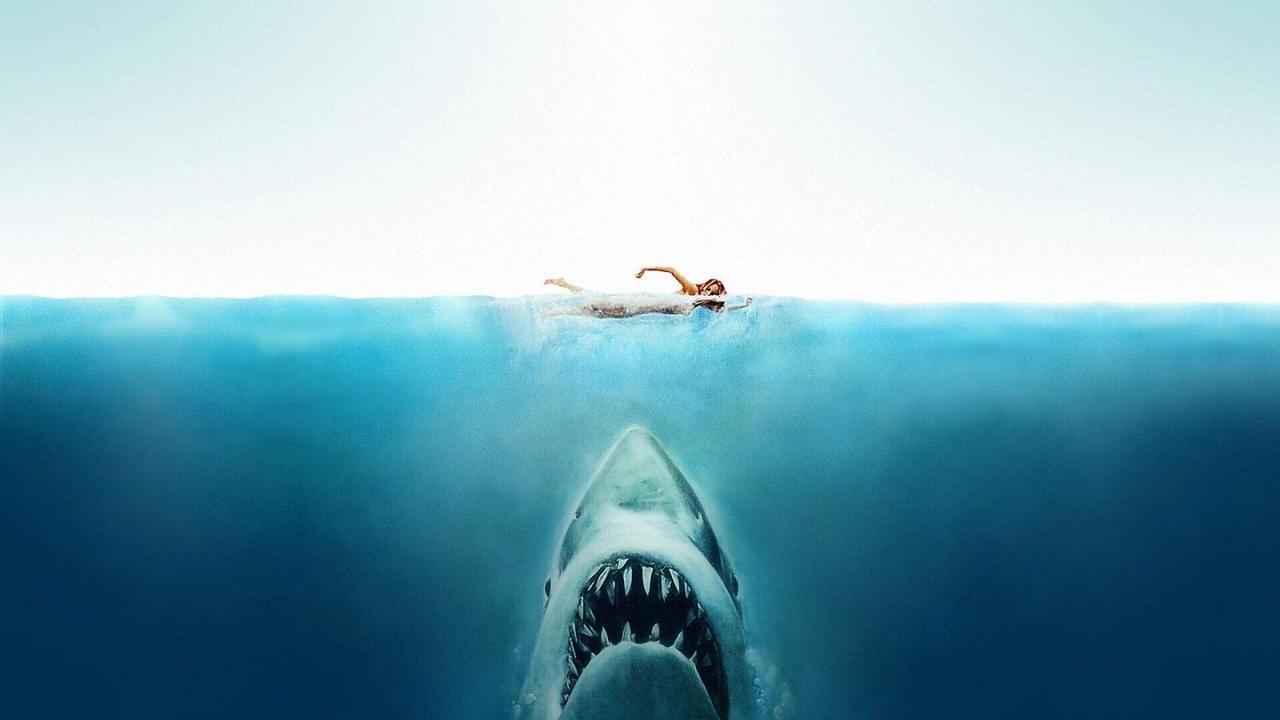
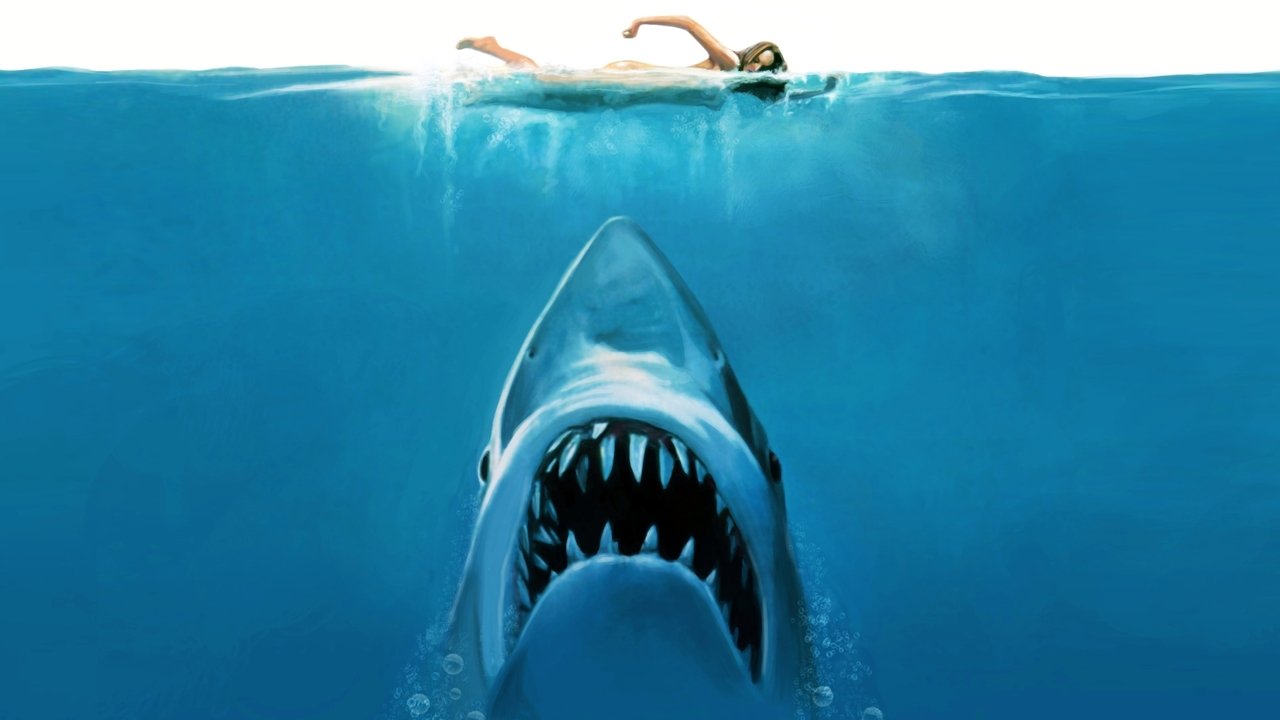
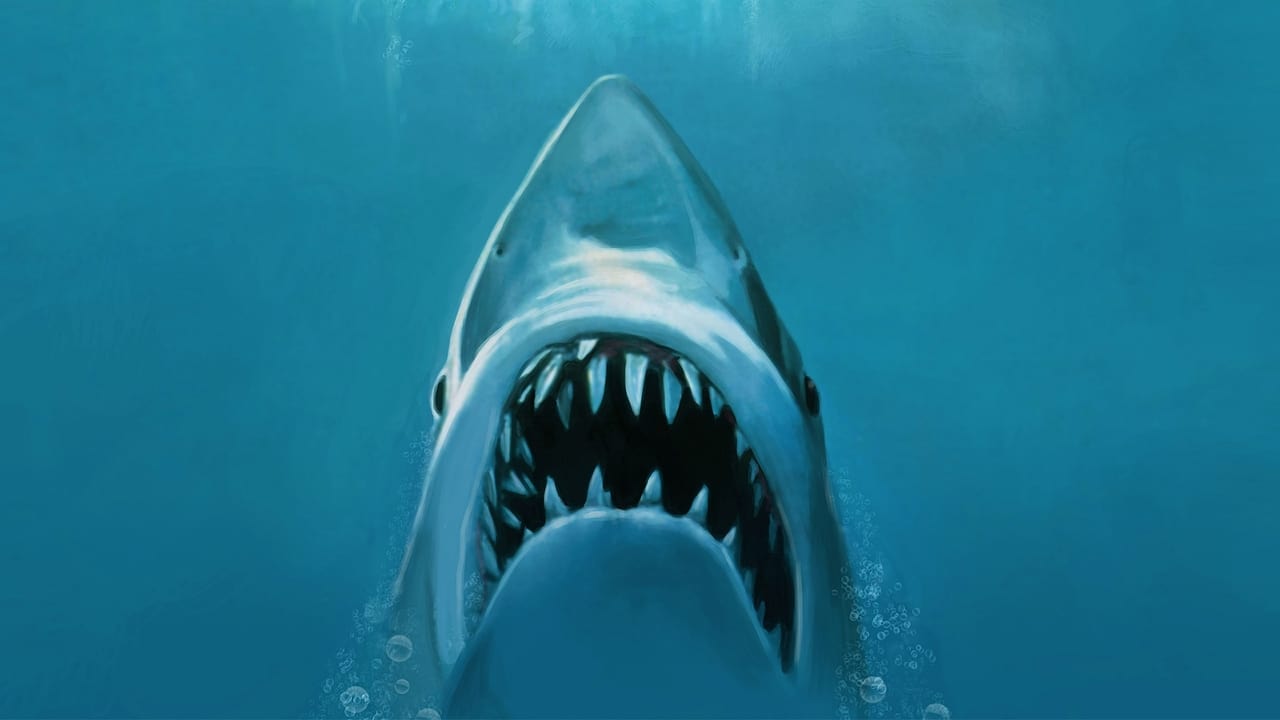
When the film eventually hit the home video market in the late 70s and early 80s, it became a cornerstone of the VHS revolution. That iconic cover art—the massive shark rising toward the unsuspecting swimmer—became a permanent fixture in video stores, a silent warning to anyone browsing the horror aisle. I remember staring at that box for twenty minutes every time I went to rent a movie, both terrified and mesmerized. It turned the film into a cult object that people watched until the tape literally started to flake.
Jaws is more than just a movie; it’s a cultural scar. It’s the reason an entire generation grew up suspicious of swimming pools and lakes, let alone the ocean. Spielberg took a pulpy bestseller and turned it into a high-art survivalist nightmare that still has the power to make your heart race. It’s a testament to the era of practical effects and grit, reminding us that the most effective special effect is always the one the audience creates in their own imagination. If there is such a thing as a flawless thriller, this is it.
Keep Exploring...
-
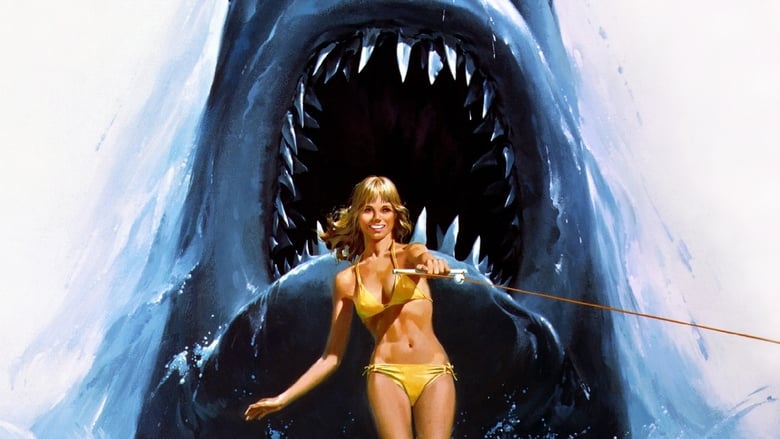
Jaws 2
1978
-
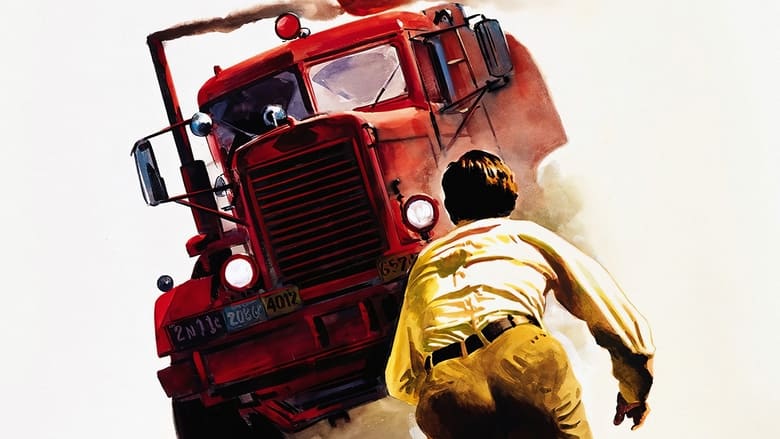
Duel
1971
-
First Blood
1982
-
Raiders of the Lost Ark
1981
-
E.T. the Extra-Terrestrial
1982
-
Indiana Jones and the Temple of Doom
1984
-
Indiana Jones and the Last Crusade
1989
-
The Poseidon Adventure
1972
-
The Shining
1980
-

Goldfinger
1964
-
Deliverance
1972
-
Carrie
1976
-
The Omen
1976
-

Halloween
1978
-
The Exorcist
1973
-

The Towering Inferno
1974
-
Alien
1979
-

Bridge of Spies
2015
-
The Spy Who Loved Me
1977
-

Star Trek II: The Wrath of Khan
1982