Love and Death
"War is hell. Philosophy is worse."
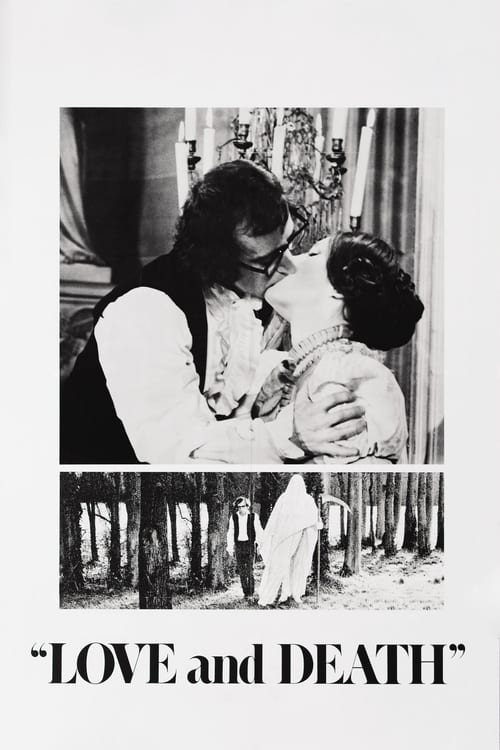
I’ve always felt that 19th-century Russian literature lacked a certain level of neurotic Brooklyn whining, and apparently, Woody Allen felt the same way back in 1975. I recently sat down to revisit Love and Death while trying to assemble a particularly stubborn IKEA bookshelf, and I found that Boris Grushenko’s rants about the "inherent subjectivity of the universe" made my missing screws feel like a profound existential statement rather than just bad Swedish manufacturing.

This film represents a fascinating bridge in cinema history. Released right in the heart of the "New Hollywood" era, it’s the absolute peak of Allen’s "earlier, funnier" period. Before he traded in the pratfalls for the Ingmar Bergman-inspired gloom of Interiors, he gave us this: a sprawling, ridiculous, yet surprisingly smart parody of every Russian epic ever written. It’s the kind of movie that feels like a passion project that shouldn't have been allowed to exist, yet it somehow became a massive hit.
Philosophical Slapstick and the Art of the Parody
Love and Death is essentially a Looney Tunes short written by a man who just finished a Kierkegaard marathon. The film follows Boris (Woody Allen), a cowardly pacifist in czarist Russia who is forced into the Napoleonic Wars. He’s hopelessly in love with his cousin Sonja (Diane Keaton), who is more interested in debating the nature of God and sleeping with half the Russian officer corps than noticing Boris.
What makes the humor work so brilliantly is the rhythm. It’s a relentless barrage of jokes that range from high-brow literary references to literal "man-gets-hit-with-a-giant-piece-of-bread" slapstick. In one scene, Boris is discussing the "moral imperative" of assassinating Napoleon; in the next, he’s accidentally being shot out of a cannon. It’s a "maximalist" approach to comedy that you rarely see today, where every frame is packed with either a visual gag or a witty retort. The cinematography by Ghislain Cloquet—who actually shot for Robert Bresson—gives the film a visual dignity that makes the absurdity even funnier. It looks like a legitimate historical epic, which only heightens the comedy when Woody Allen starts complaining about the quality of the local blintzes.
The Keaton-Allen Alchemical Equation
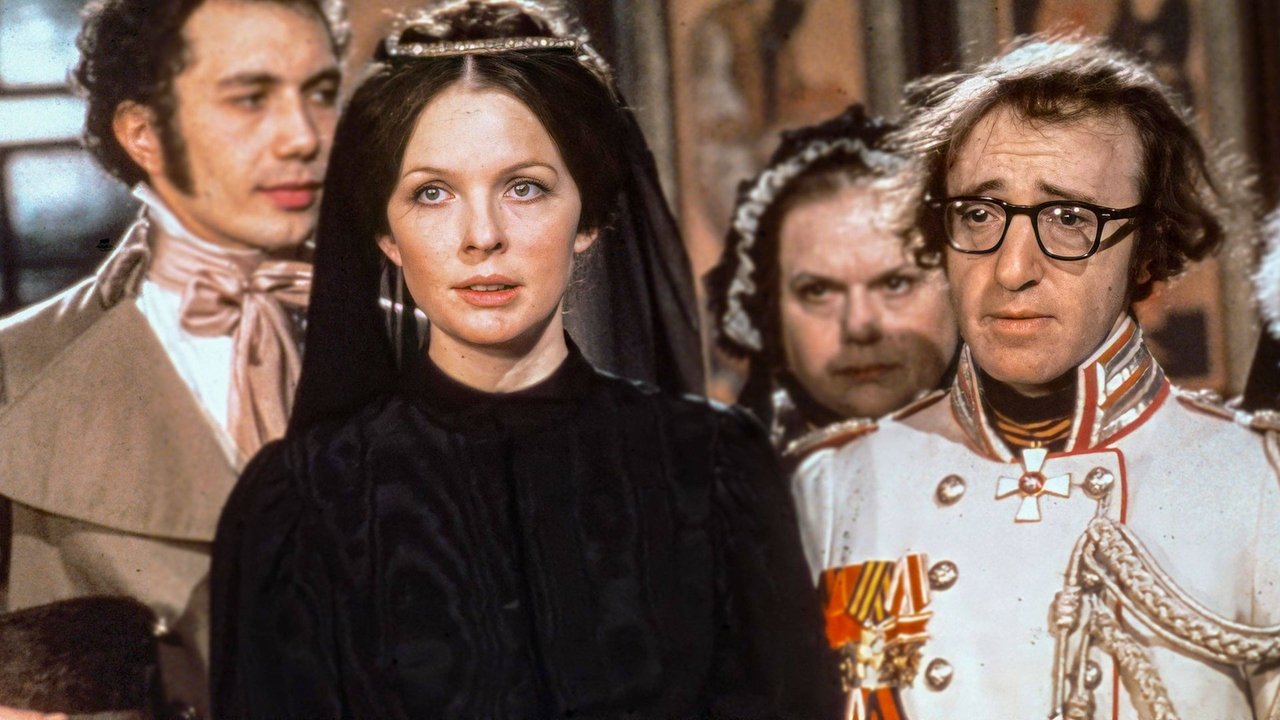
While Woody Allen is the engine, Diane Keaton is the soul of this film. This was their fourth collaboration, and you can see the shorthand they’d developed. Keaton’s Sonja is a masterpiece of comedic timing; she delivers lines about "the non-existence of the soul" with a scatterbrained intensity that perfectly matches Boris’s frantic energy.
Their chemistry is what anchors the film’s more abstract moments. Without their genuine connection, the constant debating of "What is the ultimate truth?" might have felt like a dry academic exercise. Instead, it feels like a messy, hilarious relationship that just happens to be taking place during the French invasion of Russia. Harold Gould also turns in a fantastic, stiff-upper-lip performance as Anton Inbedkov, providing the perfect foil to Boris’s frantic cowardice. It’s a masterclass in ensemble comedy where the straight-faced supporting cast allows the leads to be as ridiculous as possible.
A High-Brow Epic on a Shoestring Soul
Despite its United Artists backing, Love and Death carries a distinct "indie" spirit. It was a massive logistical undertaking shot on location in Hungary and Yugoslavia, often under grueling conditions. The production was famously chaotic; Woody Allen reportedly hated the local food so much he lived on canned goods brought from New York, and the language barrier with the hundreds of local extras meant that half the time, the "soldiers" had no idea why they were being asked to do such absurd things.
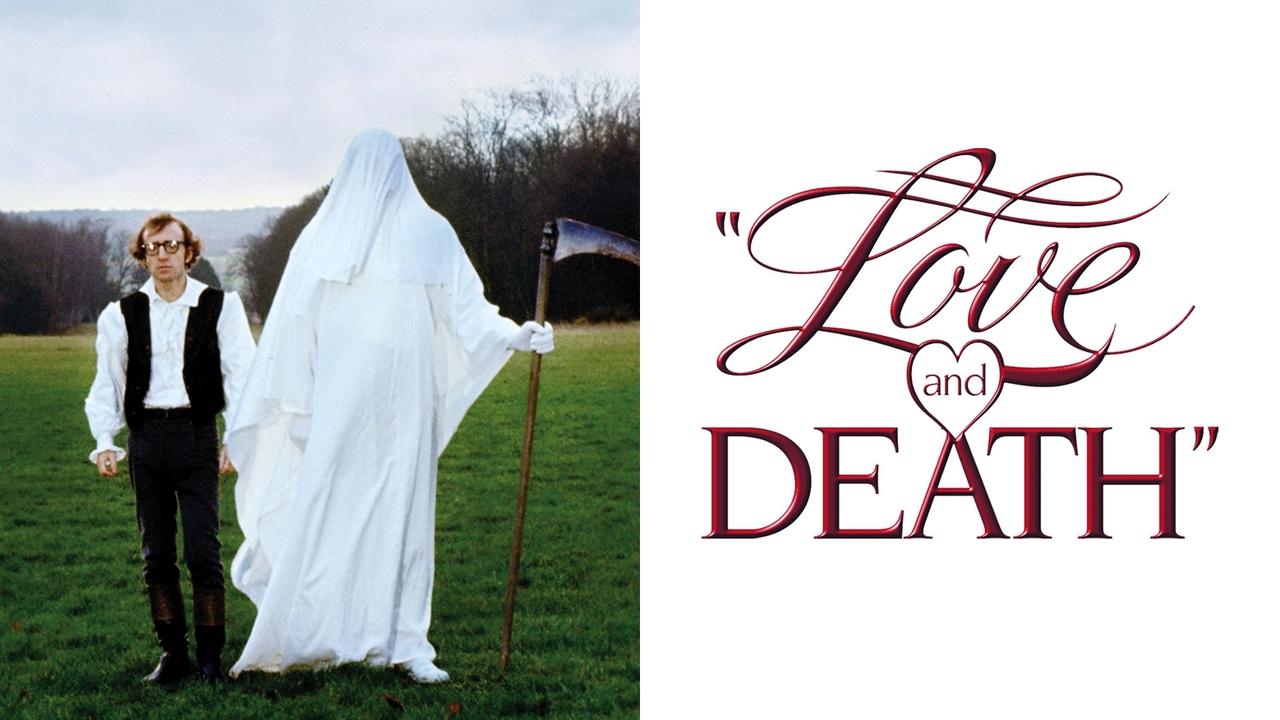
This resourcefulness is part of the film's charm. The budget was around $3 million—a healthy sum for 1975, but peanuts compared to the actual epics it was parodying. They used real Russian soldiers as extras, and the score is entirely comprised of Sergei Prokofiev’s music, which gives the movie a prestige it arguably didn't earn but utilizes perfectly.
When the film eventually hit the VHS market in the early 80s, it became a staple of the "Comedy/Classic" section. I remember the specific box art at my local rental shop; it featured Boris and Sonja in a classic "epic" pose that looked entirely too serious for a movie where a man hides inside a giant piece of wheat. It was the kind of tape that got passed around between friends who wanted to feel smart while laughing at a guy getting hit in the face with a clock. It’s the only movie where a joke about the categorical imperative lands as hard as a well-timed fart gag.
Love and Death is a rare bird: a film that respects your intelligence while actively trying to make you giggle like a schoolchild. It’s the pinnacle of a specific type of mid-70s creative freedom, where a director could take a huge swing at a niche subject and knock it out of the park. If you haven't seen it, find a copy—just don't try to build any furniture while you're watching. Boris’s existential dread is far more infectious than you’d expect, and you might find yourself contemplating the void instead of finishing your bookshelf.

Keep Exploring...
-
Annie Hall
1977
-
Everything You Always Wanted to Know About Sex *But Were Afraid to Ask
1972
-
Manhattan
1979
-
Zelig
1983
-
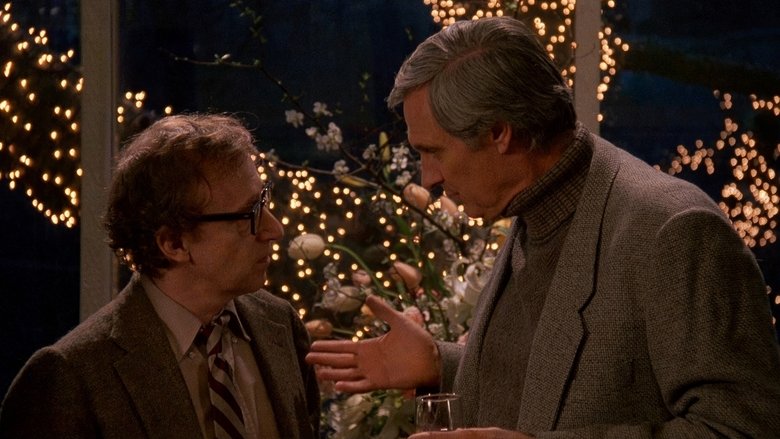
Crimes and Misdemeanors
1989
-
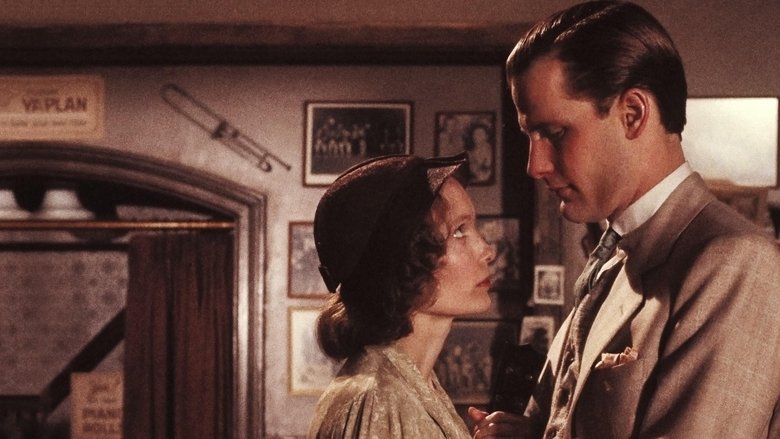
The Purple Rose of Cairo
1985
-
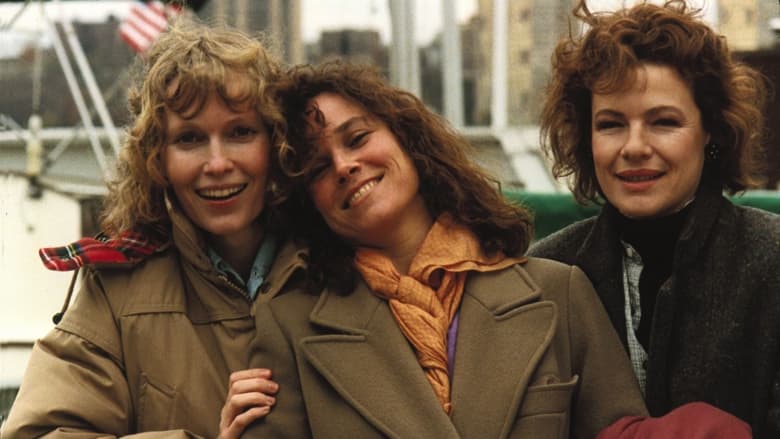
Hannah and Her Sisters
1986
-
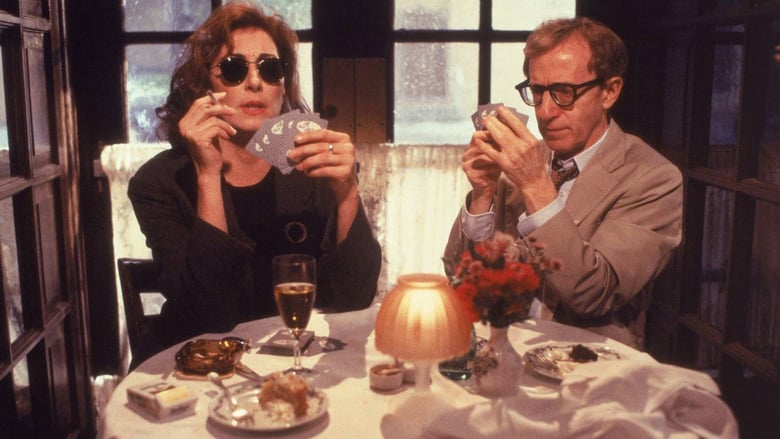
Manhattan Murder Mystery
1993
-
Deconstructing Harry
1997
-

Willy Wonka & the Chocolate Factory
1971
-
Young Frankenstein
1974
-
Scoop
2006
-
Aguirre, the Wrath of God
1972
-
The Discreet Charm of the Bourgeoisie
1972
-
Mirror
1975
-
Monty Python and the Holy Grail
1975
-
Life of Brian
1979
-
Whatever Works
2009
-
Midnight in Paris
2011
-
The Apartment
1960