Mirror
"A haunting, non-linear journey through the attic of a soul."
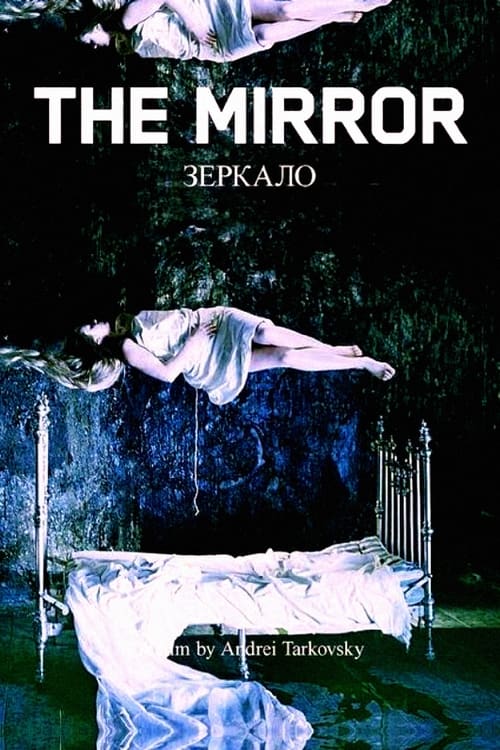
There is a sequence early in Andrei Tarkovsky’s Mirror where a bird lands on a young boy’s head, stays for a heartbeat, and then flutters away into the Russian wilderness. It wasn’t a trained animal or a special effect; it was just a moment of cosmic luck captured on celluloid. That’s the magic of this film—it feels less like a directed piece of fiction and more like Tarkovsky opened a window into his own skull and let the memories fly out in whatever order they pleased.
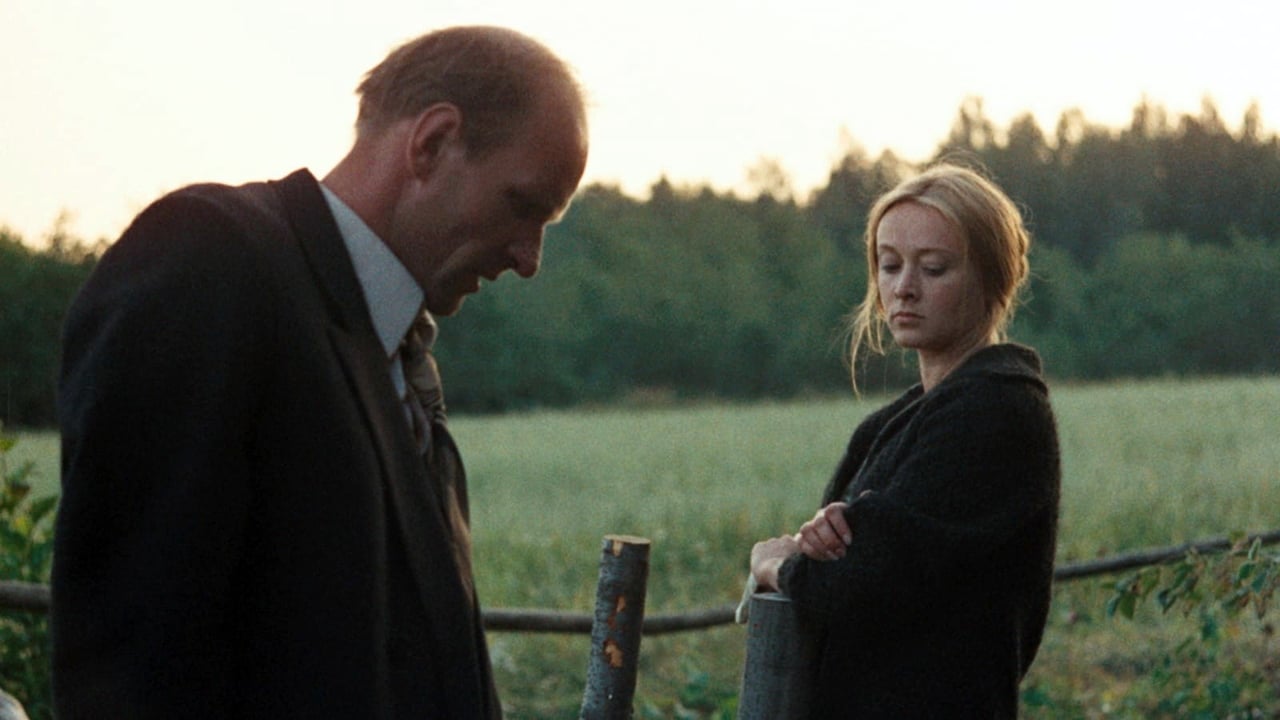
I watched this on a rainy Tuesday while my neighbor was aggressively vacuuming next door, and strangely, the domestic noise made the film’s sudden silences feel even more deafening. Mirror doesn't care if you're comfortable. It doesn't even care if you follow the "plot" in the traditional sense. It asks you to stop looking for a map and just start feeling the texture of the walls.
A Logic of Dreams
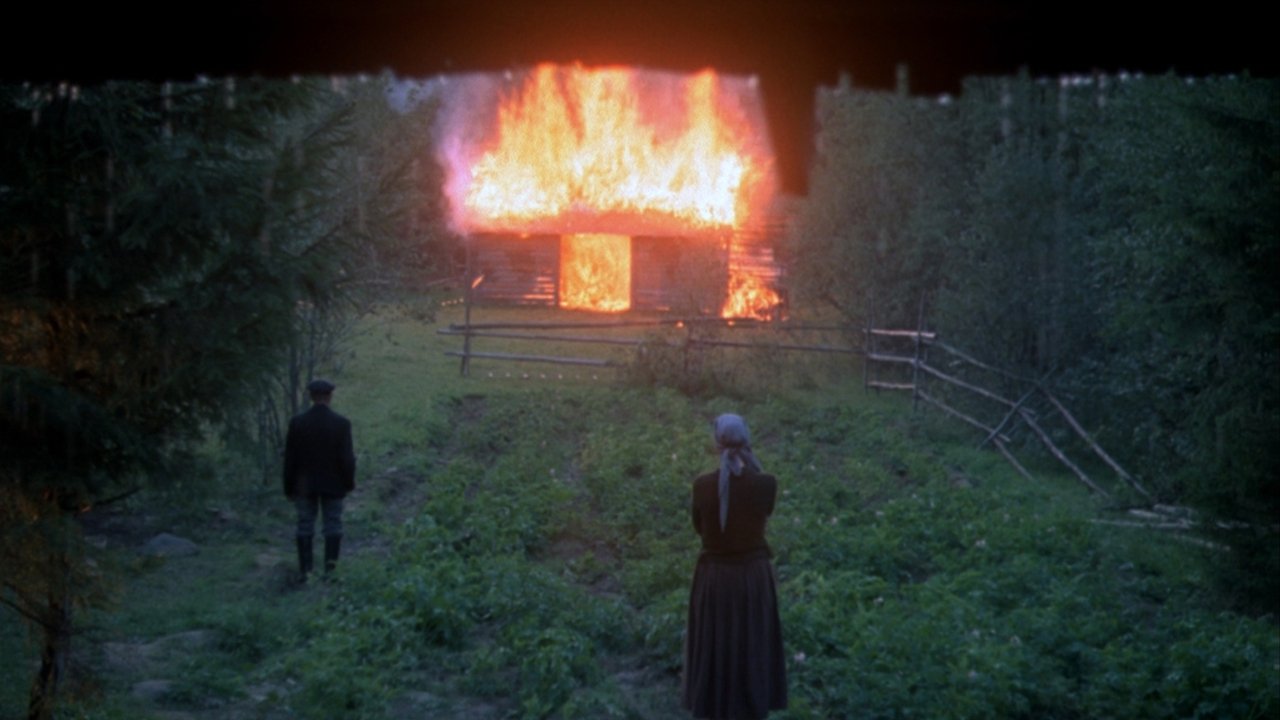
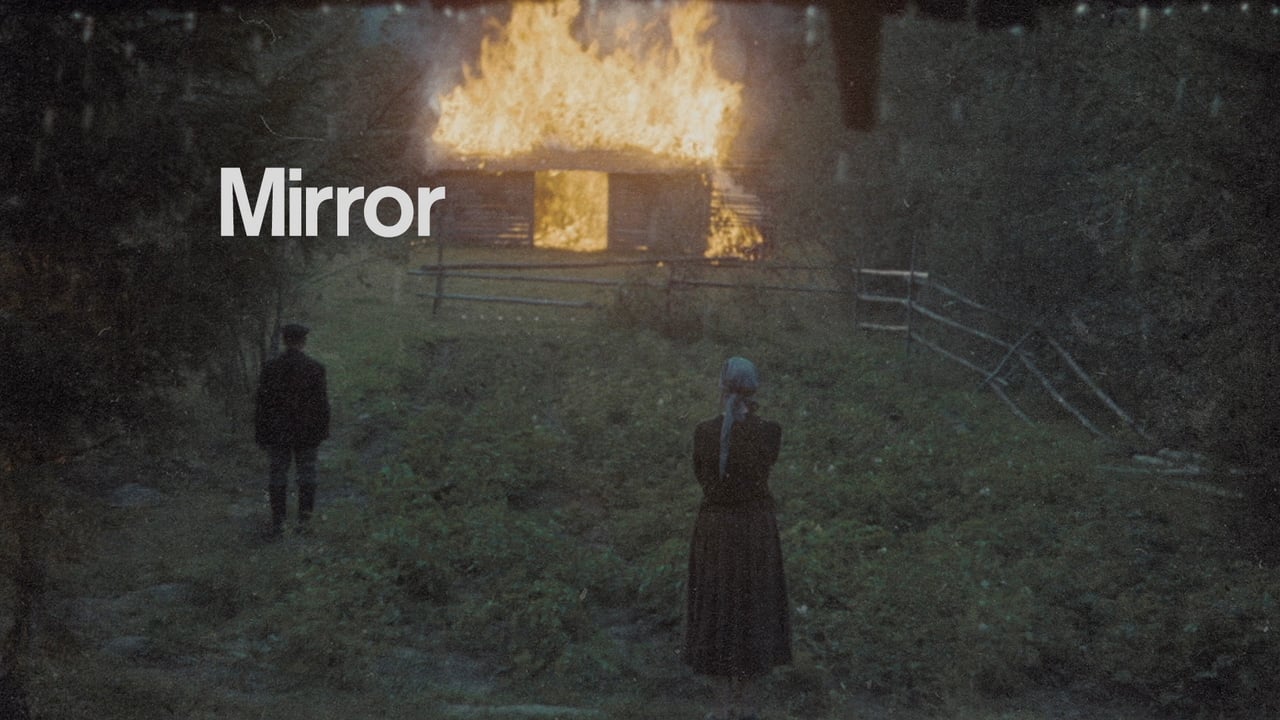
If you go into Mirror expecting a standard Soviet historical drama, you’re going to have a very confusing two hours. The film is a collage of a dying man's memories, jumping between the 1930s, the 1940s, and the "present" of the 1970s. This movie treats narrative logic like a suggestion from a person it doesn't particularly like. Instead of "A leads to B," we get a slow-motion barn fire, a stuttering boy learning to speak, and newsreel footage of the Spanish Civil War.
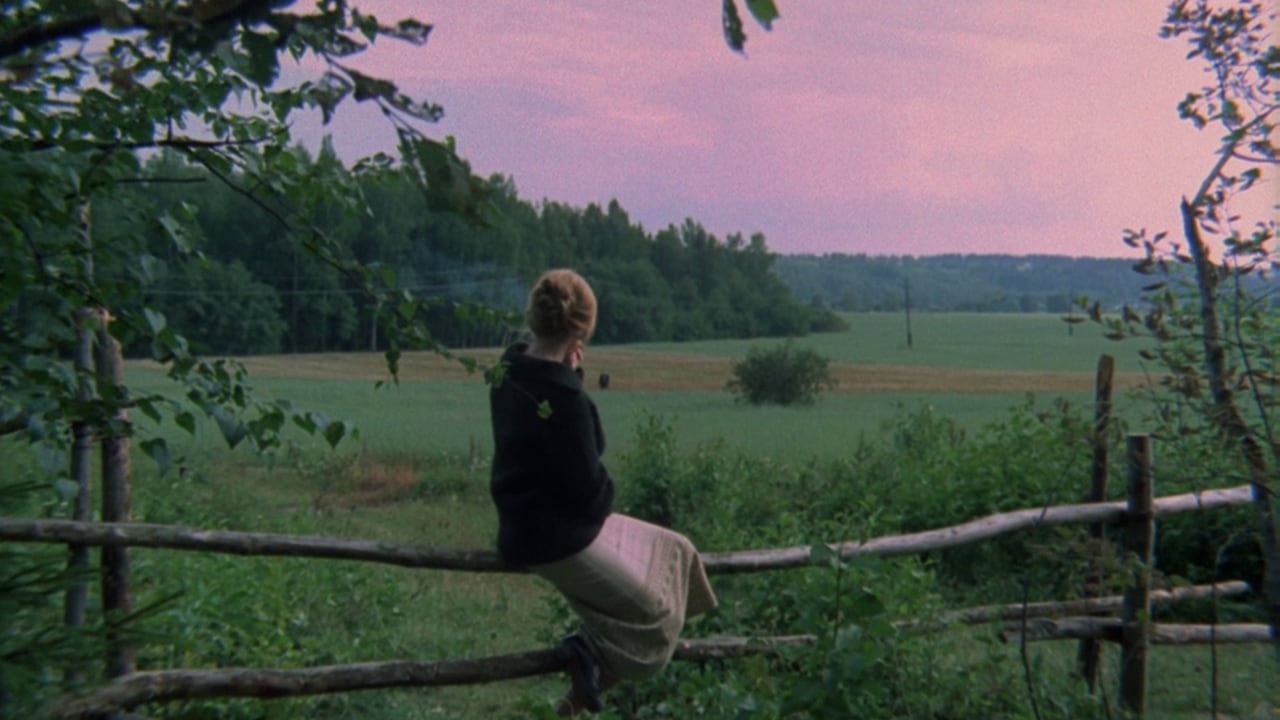
The cinematography by Georgi Rerberg is arguably the most beautiful ever committed to film. There are shots of wind rippling through a field of buckwheat that feel more "action-packed" than most modern car chases. Tarkovsky used the camera to capture the weight of air and the dampness of Russian soil. Even in the black-and-white sequences, you can practically smell the rain on the wood. It’s a sensory overload that somehow remains quiet and contemplative.
The Mother, the Wife, and the Mirror
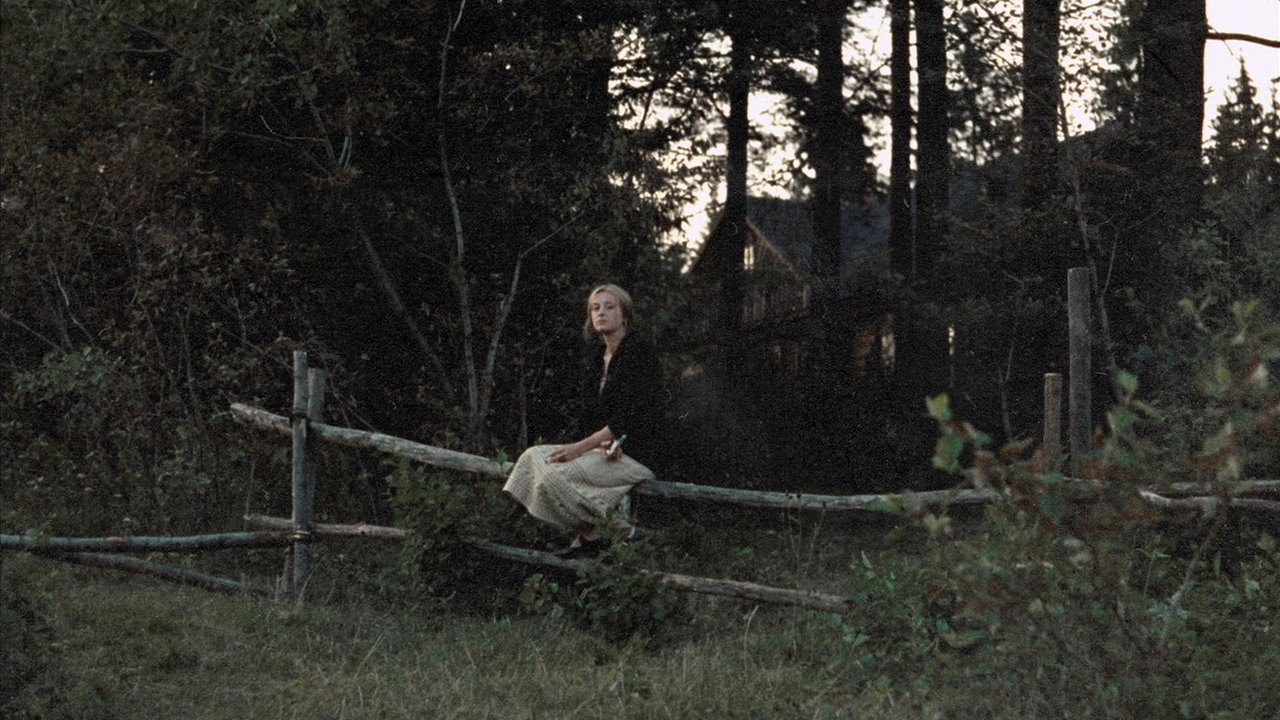
The emotional anchor of this dreamscape is Margarita Terekhova, who pulls off a miraculous double performance as both the protagonist’s mother, Maroussia, and his wife, Natalya. By having the same actress play both roles, Tarkovsky forces us into the protagonist’s psyche—a man who sees his mother’s face in the woman he loves, unable to untangle his childhood traumas from his adult failures.
Terekhova is incredible here; she has a way of looking past the camera that makes you feel like you've accidentally walked into a private, painful moment. Whether she’s waiting on a fence for a husband who may never return or frantically washing her hair in a leaking print shop, she carries a dignity that feels ancient. There’s a scene in a printing press—a moment of pure political anxiety involving a potential typo in a Soviet publication—that is more tense than any thriller. It captures that specific 1930s Soviet dread where a misplaced letter could mean a trip to the gulag.
History Through a Cracked Lens
Despite being produced by the state-run Mosfilm, Mirror is the ultimate "indie" project in spirit. Tarkovsky fought the Soviet film board (Goskino) every step of the way. They hated the script, called the film "unintelligible," and initially gave it a limited release because it didn't promote "socialist realism." It was a passion project in the truest sense; Tarkovsky even included his father, Arseny Tarkovsky, reading his own poetry over the soundtrack.
The "practical effects" here are just reality pushed to its limit. For the famous barn-burning scene, the production actually built a full-scale barn just to burn it down. There were no retakes. They had to wait for the perfect lighting, and when the torches hit the hay, the crew just had to hope the camera didn't jam. That raw, destructive energy is palpable. You can feel the heat radiating off the screen, contrasting with the cold, damp forest.
The film also makes bold use of archival footage, like the Soviet balloonists and the Red Army crossing Lake Sivash. By stitching these massive historical events into the tiny, private memories of a child, Tarkovsky suggests that we are all just small mirrors reflecting the giant, messy world around us.
Mirror is a film that rewards you for leaning in. It’s not "easy" viewing, but it is deeply satisfying once you stop trying to solve it like a puzzle and start experiencing it like music. It’s a movie that stays with you long after the credits roll, popping up in your own dreams when you least expect it. If you have five minutes to kill before your bus, spend them deciding which of your own childhood memories would make the cut in your own personal mirror. It’s a masterpiece that reminds me why I fell in love with cinema in the first place—not for the stories, but for the way it can make time stand still.
Keep Exploring...
-
Stalker
1979
-
Andrei Rublev
1966
-

Solaris
1972
-
Judgment at Nuremberg
1961
-
Aguirre, the Wrath of God
1972
-
The Elephant Man
1980
-
The Holy Mountain
1973
-
Network
1976
-
Annie Hall
1977
-
Harakiri
1962
-
Gandhi
1982
-
Amadeus
1984
-
Ran
1985
-
The Color Purple
1985
-
The Last Emperor
1987
-
The Apartment
1960
-
Guess Who's Coming to Dinner
1967
-

Midnight Cowboy
1969
-
Paris, Texas
1984
-
Wings of Desire
1987