Monty Python and the Holy Grail
"Coconuts, Killer Rabbits, and the Tax-Deductible Quest for Glory."

Most movies are funded by banks or studios. Monty Python and the Holy Grail was funded by the heavy hitters of British stadium rock. Because they were looking for a clever way to avoid paying taxes, members of Pink Floyd, Led Zeppelin, and Genesis basically threw their loose change at a group of six surrealist comedians and told them to go play in the mud. It is the only film in history where the strobe lights of The Dark Side of the Moon and the heavy riffs of "Black Dog" indirectly paid for a man in a knight costume to scream "Ni!" at a shrubbery.
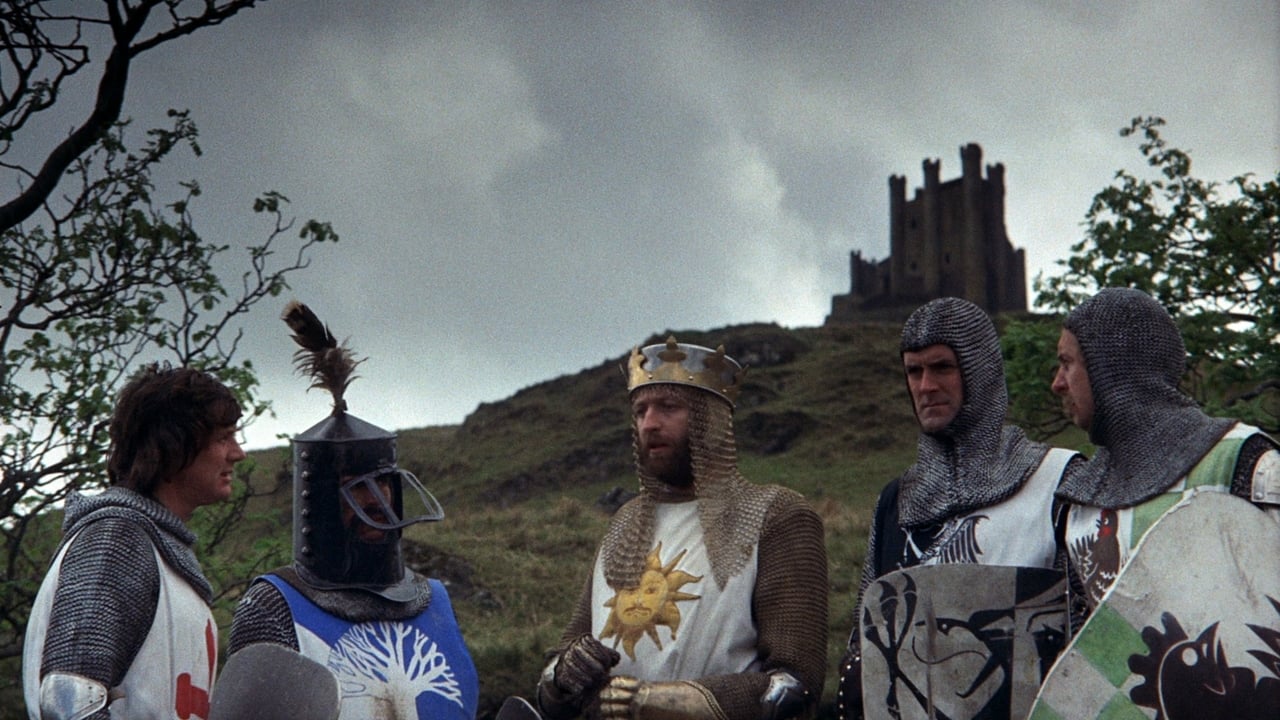
I watched this most recently while nursing a mild case of food poisoning from a dodgy street taco, and frankly, the French Taunter felt like he was speaking directly to my digestive tract. But even in a cold sweat, I couldn't help but marvel at how this film remains the ultimate survival guide for independent filmmaking. It’s a masterclass in turning "we have no money" into "we have a better joke."
The Invention of the Invisible Horse
The most legendary bit of trivia in comedy history is, of course, the coconuts. The Pythons couldn't afford real horses—they were too expensive to rent and even more expensive to feed and stable. Instead of cut-and-pasting a standard adventure trope, they leaned into the absurdity. Having Terry Gilliam (as Patsy) clop two coconut halves together while Graham Chapman skipped along behind him didn't just save the budget; it established a language of meta-comedy that changed the genre forever.
This resourcefulness is everywhere. That majestic castle Arthur approaches at the beginning? It’s Doune Castle in Scotland. The "different" castle he visits later? Also Doune Castle, just filmed from a different angle with a bit of plywood stuck to it. The "chainmail" the knights wear? It’s actually silver-painted wool, which apparently became incredibly heavy and foul-smelling whenever it rained—which, being Scotland, was every single day of the shoot. Terry Jones and Terry Gilliam, sharing directorial duties, spent most of the production at each other’s throats because Gilliam cared about the "look" (mud, grit, authenticity) while Jones cared about the comedy beats. It’s a miracle they didn’t kill each other before the first intermission.
The VHS Gospel of the 1980s
While Holy Grail had a respectable theatrical run in 1975, its true cultural coronation happened in the wood-paneled living rooms of the 1980s. This is the definitive "rewatchable" movie. Before the internet existed to aggregate memes, we had the VHS tape. You didn’t just watch The Holy Grail; you memorized it. You paused the tape to see if you could spot the "animator" having a heart attack, or to count exactly how many limbs the Black Knight (played with hysterical stubbornness by John Cleese) could lose before he called it a draw.
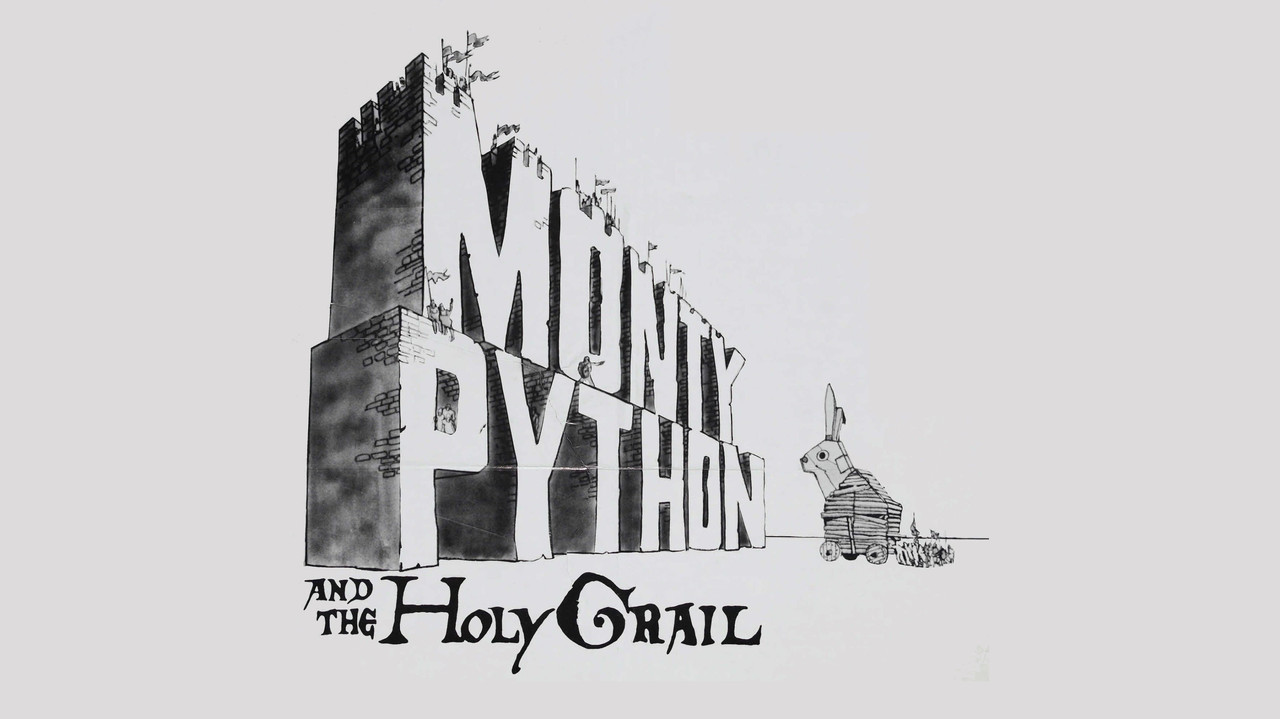
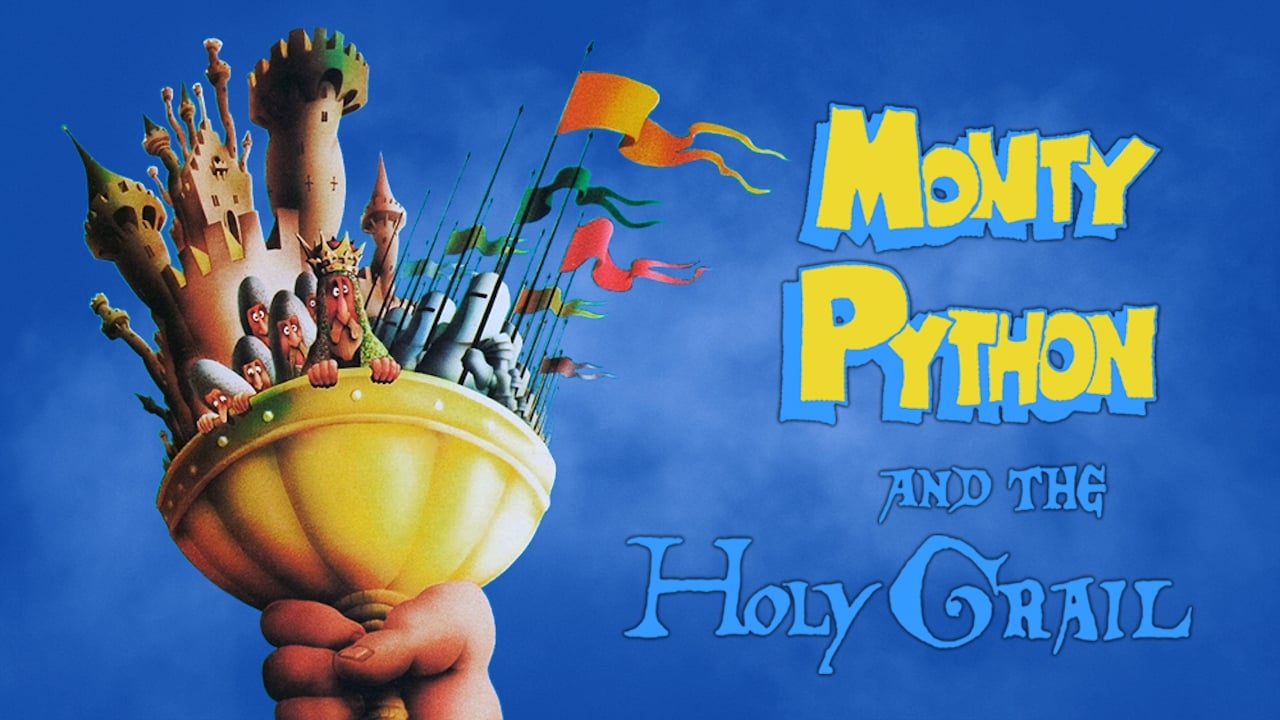
In the rental store era, the box art often promised a serious, swashbuckling epic—a medieval Excalibur—only for the viewer to be greeted by a giant animated foot crushing the opening credits. That bait-and-switch is part of the magic. For many of us, the tracking on our tapes was permanently ruined around the "Bridge of Death" sequence because we rewound Eric Idle’s panic-stricken face so many times. It wasn't just a movie; it was a social currency. If you knew the airspeed velocity of an unladen swallow, you were part of the club.
Why the Adventure Still Lands
Despite the deliberate silliness, Holy Grail actually functions as a better "Adventure" film than many straight-faced epics of the 1970s. The structure is a classic quest: a call to action, the gathering of the fellowship, and a series of increasingly bizarre trials. Michael Palin (as Sir Galahad) entering the Castle Anthrax or John Cleese (as Sir Lancelot) single-handedly massacring a wedding party are sequences that parody the "bravery" of knightly tales by pushing them to their logical, violent extremes.
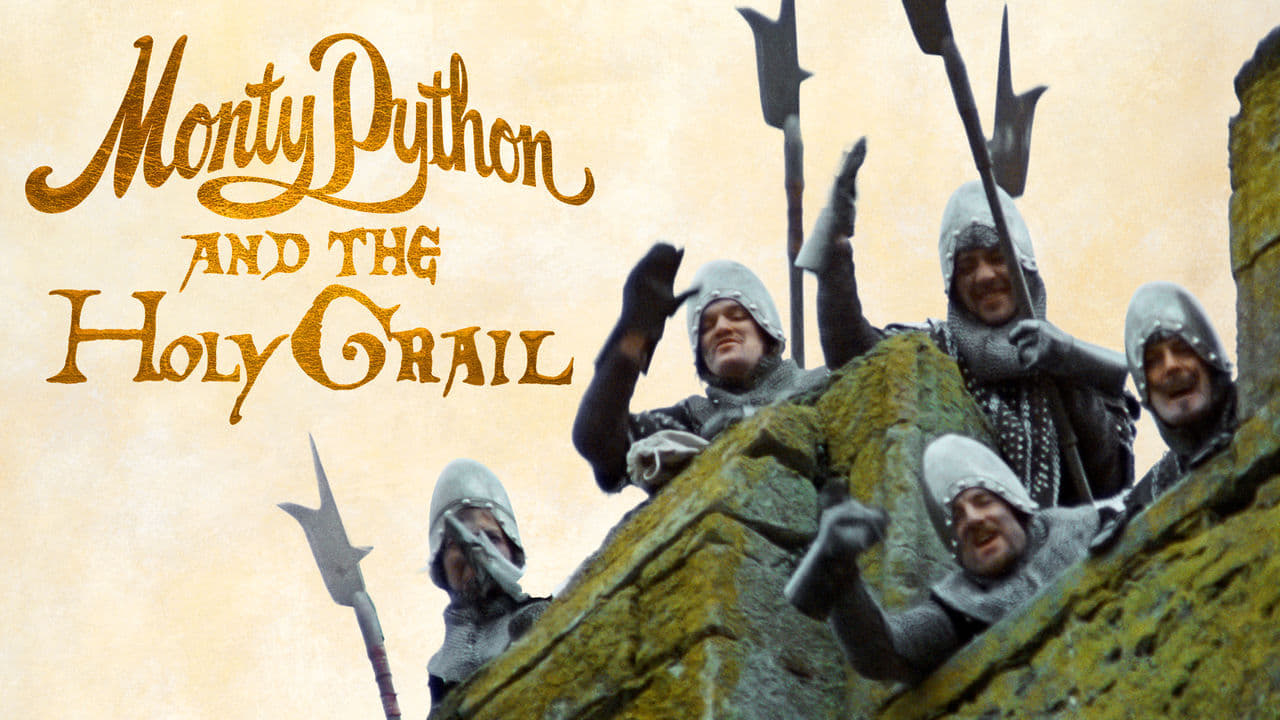
The film captures the physical grime of the Middle Ages better than the glossy Hollywood versions of the era. The world feels lived-in, muddy, and dangerous, which makes the intrusion of high-concept comedy feel even more jarring. Whether it's the "Constitutional Peasants" arguing about executive power or Terry Jones as Sir Bedevere attempting to use "science" to identify a witch, the humor relies on the contrast between the high-stakes setting and the low-functioning characters. The movie treats the legendary King Arthur like a middle manager trying to organize a retreat for people who hate their jobs.
The ending of Monty Python and the Holy Grail is famously abrupt—a literal "cop-out" where the modern-day police arrive to arrest the cast. Some find it frustrating, but I’ve always found it to be the perfect punchline for a film that refuses to follow any rules, including the ones it set for itself. It is a work of pure, unadulterated creative freedom that reminds us that you don't need a massive budget to create a world; you just need a few friends, some knitted wool, and two halves of a coconut.
It remains the gold standard for how to be smart and stupid at the exact same time. If you haven't seen it, or haven't seen it since your last VCR died, it's time to return to Camelot. Just remember: it's only a model.
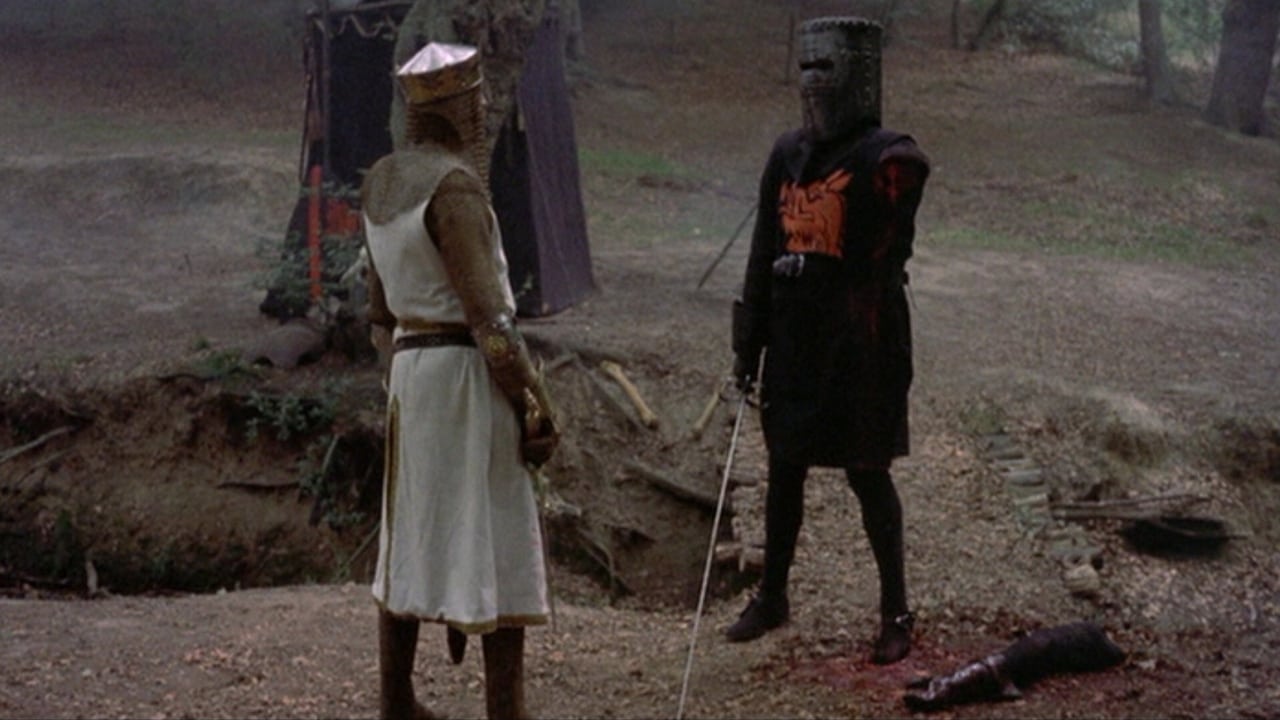
Keep Exploring...
-
Life of Brian
1979
-
The Adventures of Baron Munchausen
1988
-
Time Bandits
1981
-
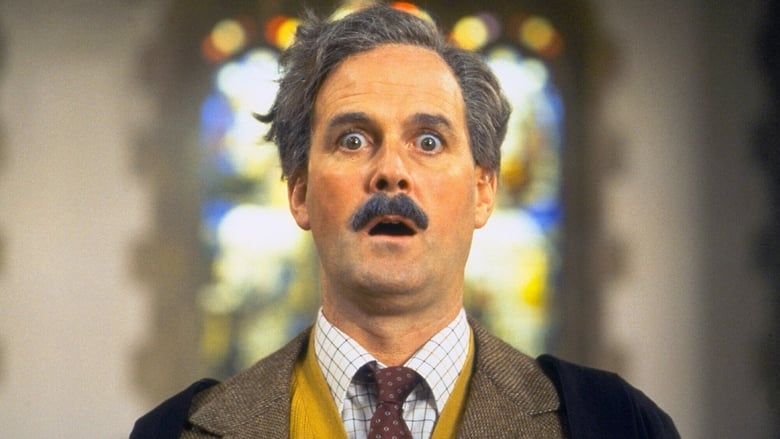
Monty Python's The Meaning of Life
1983
-

Bedknobs and Broomsticks
1971
-

Willy Wonka & the Chocolate Factory
1971
-
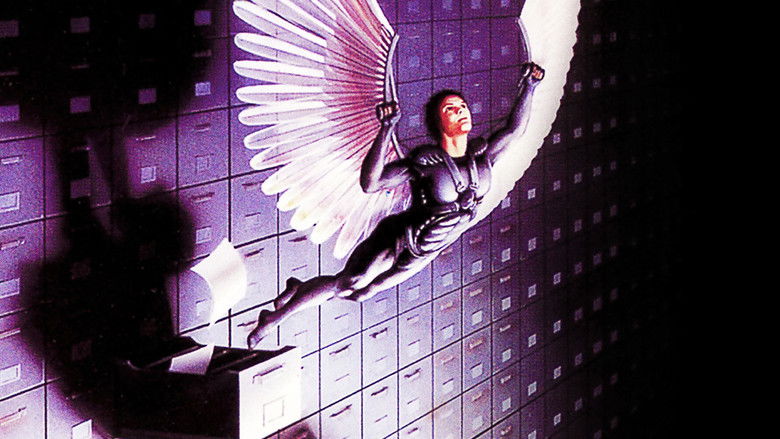
Brazil
1985
-
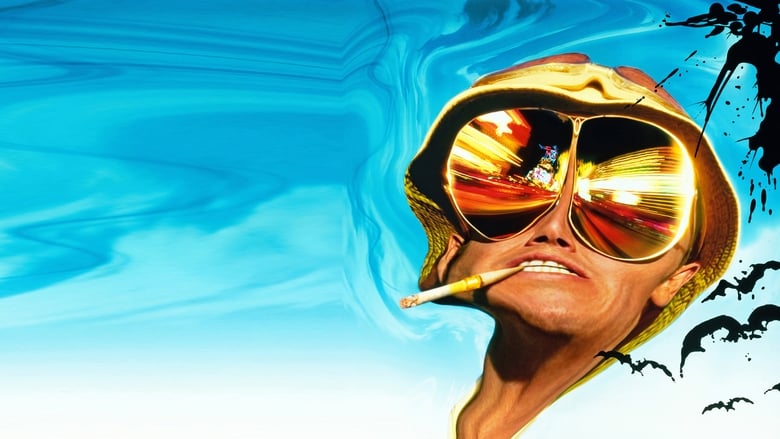
Fear and Loathing in Las Vegas
1998
-
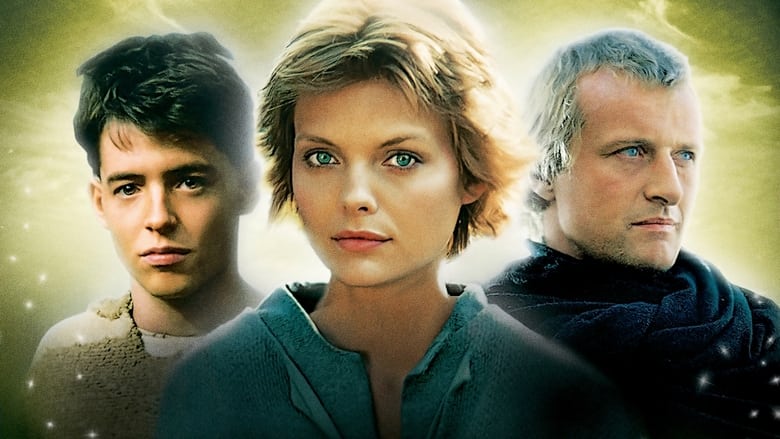
Ladyhawke
1985
-
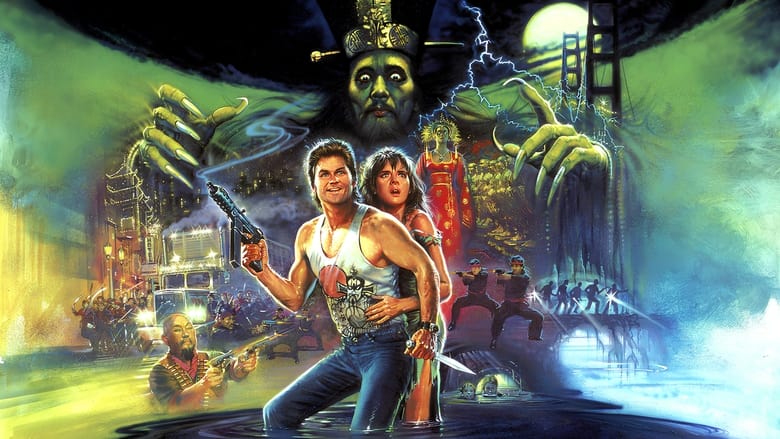
Big Trouble in Little China
1986
-
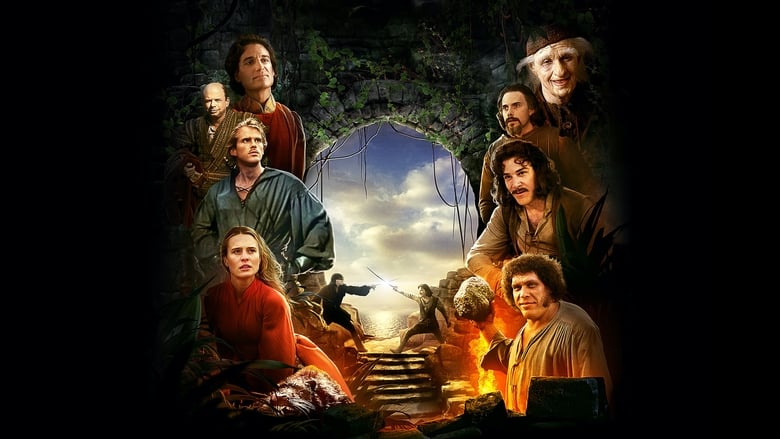
The Princess Bride
1987
-
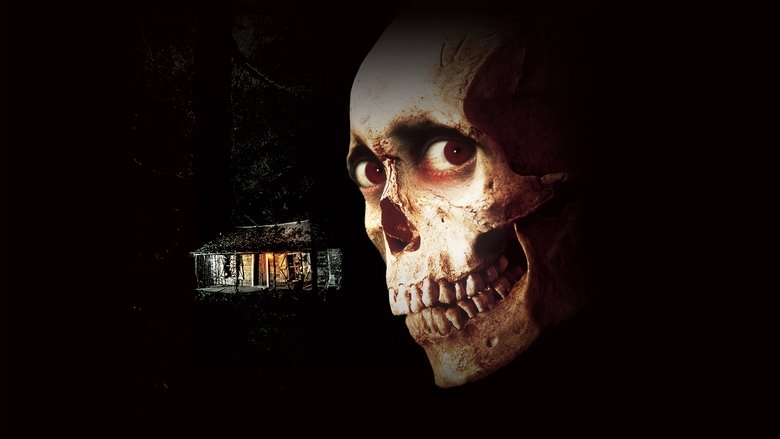
Evil Dead II
1987
-
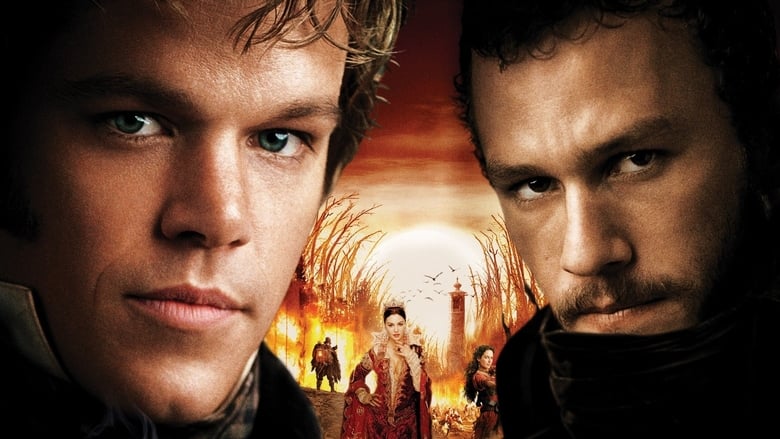
The Brothers Grimm
2005
-
The Aristocats
1970
-
The Twelve Tasks of Asterix
1976
-
The Castle of Cagliostro
1979
-
One Hundred and One Dalmatians
1961
-
The Man Who Killed Don Quixote
2018
-
The Time Machine
1960
-
Nausicaä of the Valley of the Wind
1984