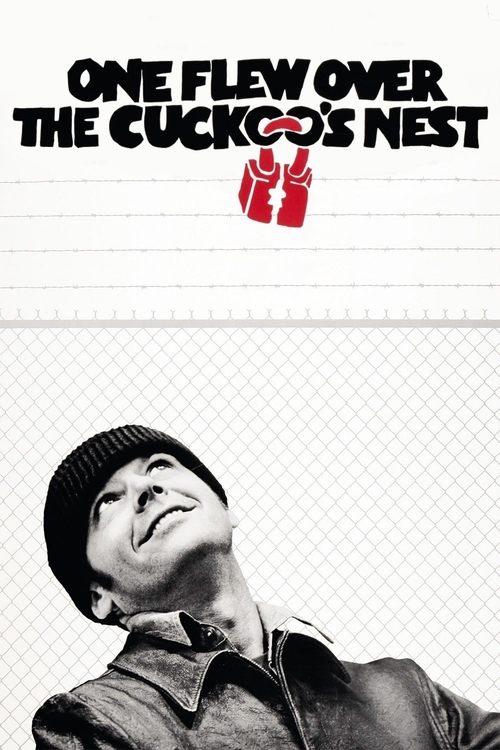
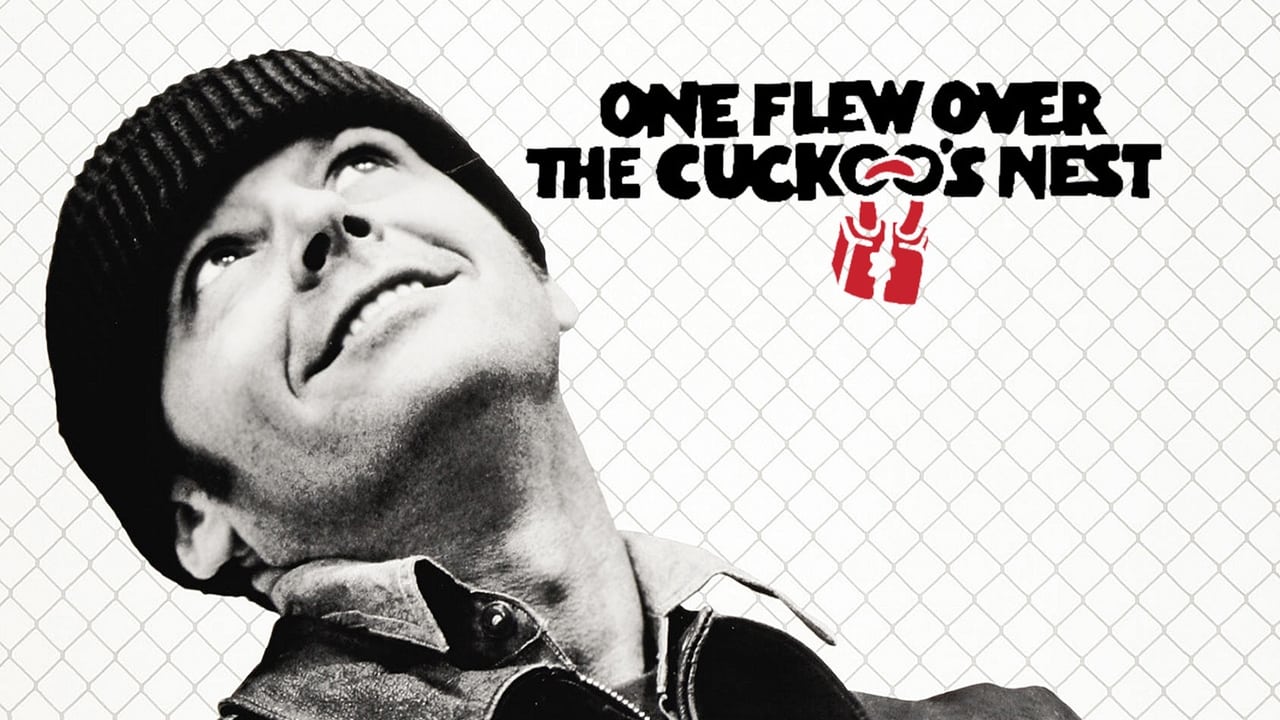
One Flew Over the Cuckoo's Nest
"Rule breakers are temporary. Spirit breakers are forever."
I remember watching this for the third time while sitting on a crate in my garage because I was hiding from a particularly loud plumbing repair happening in the kitchen. There’s something about the hum of a distant lawnmower and the smell of WD-40 that oddly complements the sterile, suffocating silence of the Oregon State Hospital.
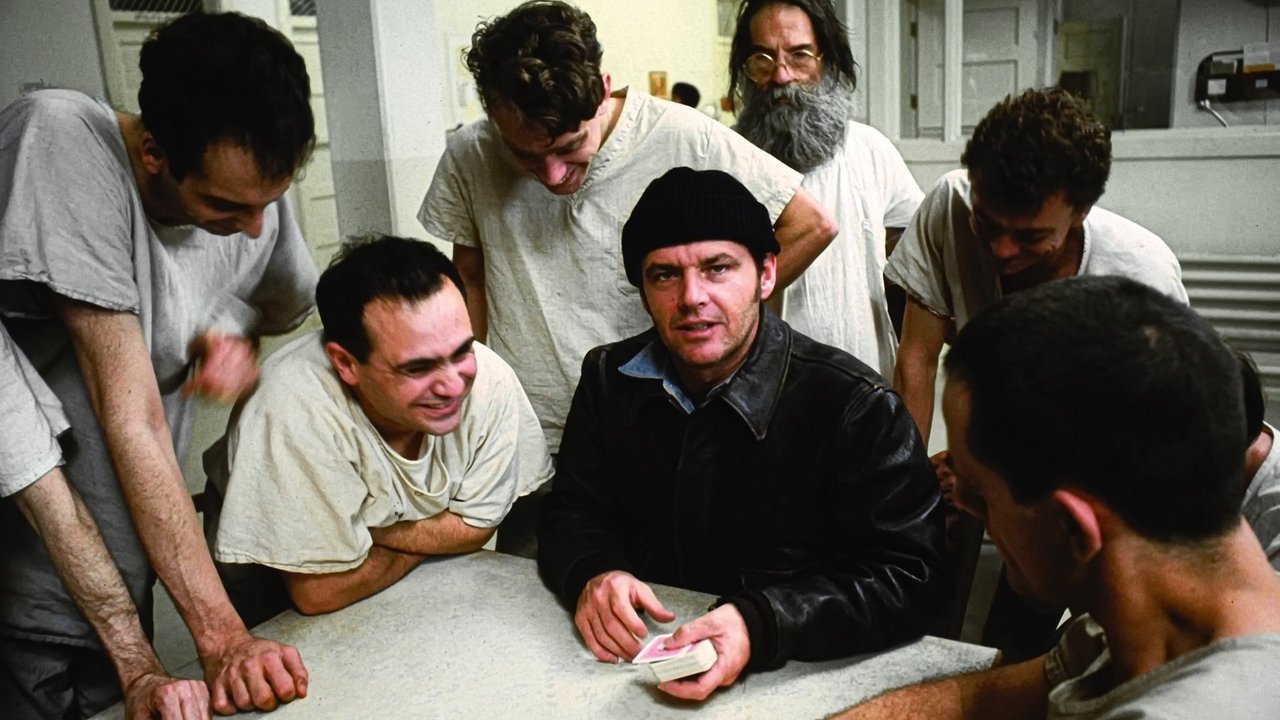
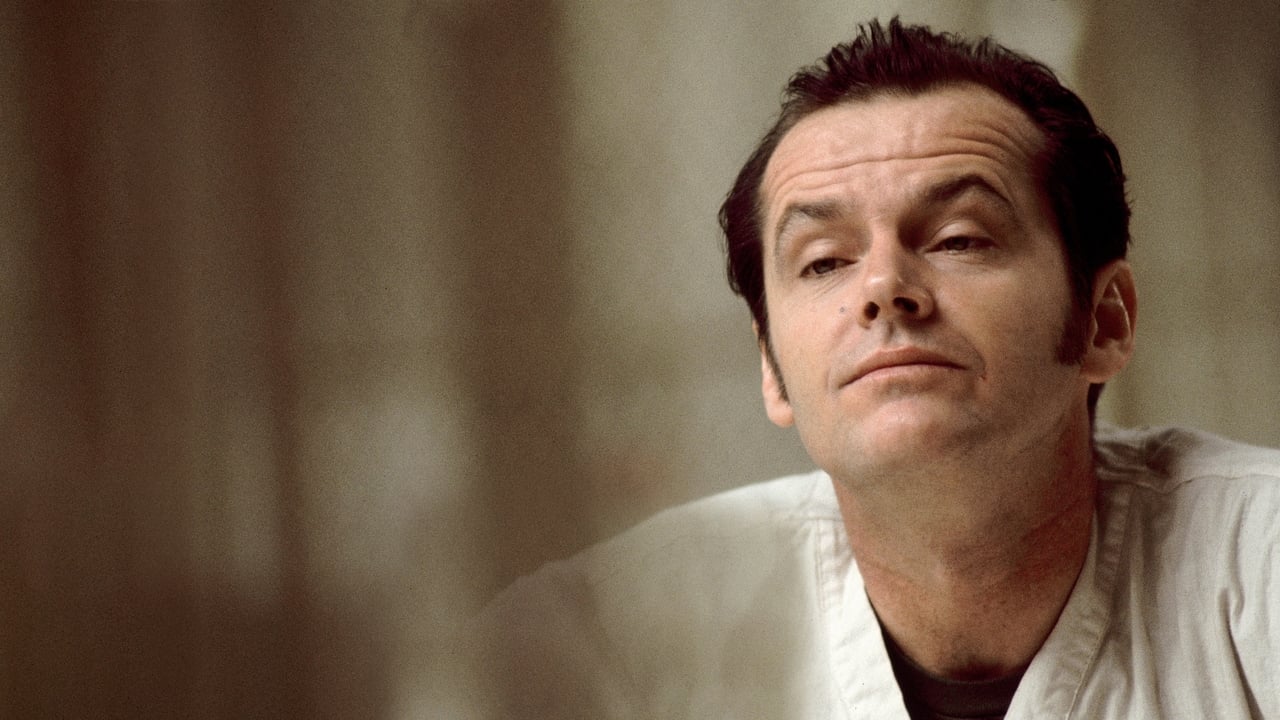
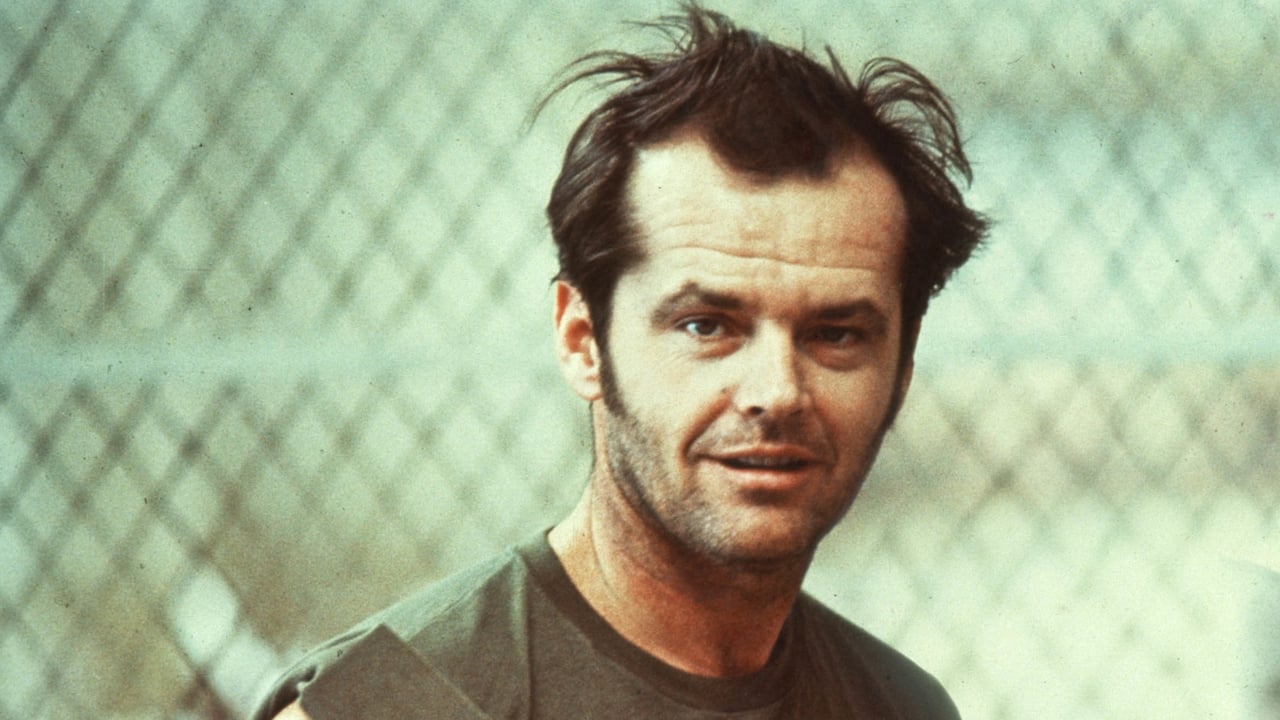
When people talk about Jack Nicholson, they usually pivot to the "Heeeere’s Johnny!" axe-wielding mania or the scenery-chewing Joker. But for me, the definitive Nicholson is Randle Patrick McMurphy. He enters the frame with a smirk that suggests he knows a joke the rest of the world hasn't caught onto yet. He fakes insanity to escape a work farm, thinking a mental ward will be a soft touch—a vacation with cards and naps. He’s wrong. He walks into a buzzsaw of bureaucracy personified by Nurse Ratched, and the resulting collision isn't just a movie; it’s a heavyweight title fight for the human soul.
The Battle of the Eyebrows and the Ice Pick
While McMurphy is the engine, Louise Fletcher’s Nurse Ratched is the cold, unyielding tracks. She is, quite possibly, the most terrifying antagonist in cinema history because she doesn’t scream. She doesn't need to. She destroys you with a soft-spoken question about your mother and a slight tilt of her head. Ratched isn’t a cartoon villain; she’s every middle-manager who ever used "policy" to crush a person's dignity.
Director Miloš Forman, who knew a thing or two about oppressive systems coming from Czechoslovakia, keeps the camera tight on these faces. You see the beads of sweat, the dilated pupils, and the micro-expressions of a woman who genuinely believes she is doing the "right thing" while she methodically erases the personalities of the men in her care. The cinematography by Haskell Wexler (who was later replaced by Bill Butler) gives the ward a flat, fluorescent reality. It doesn't look like a set; it looks like a place where time goes to die.
A Ward Full of Legends-in-Waiting
One of the greatest joys of revisiting Cuckoo's Nest is the "Before They Were Famous" bingo game you get to play with the ensemble. Looking back, it’s staggering. You’ve got a young, jittery Brad Dourif as Billy Bibbit, delivering a performance so fragile it feels like he’ll break if the camera gets too close. Then there’s Danny DeVito as Martini, Christopher Lloyd (in his film debut!) as Taber, and William Redfield as the intellectual, anxious Harding.
They weren't just acting like a community; they practically became one. To keep the performances grounded, the cast actually lived on the hospital ward during production, interacting with real patients and staff. It shows. There’s a rhythm to their interactions—the way they bicker over the World Series or a deck of cards—that feels lived-in. When McMurphy leads them on a hijacked fishing boat trip (one of the few moments of literal sunshine in the film), their collective joy feels like a genuine jailbreak.
The Big Five and the VHS Legacy
This film is a member of one of the most exclusive clubs in Hollywood history. It was the first film in 41 years to sweep the "Big Five" Academy Awards: Best Picture, Director, Actor, Actress, and Screenplay. That kind of prestige can sometimes make a movie feel "important" in a way that’s boring to actually watch, but Cuckoo's Nest avoids that trap by being surprisingly funny and deeply, painfully human.
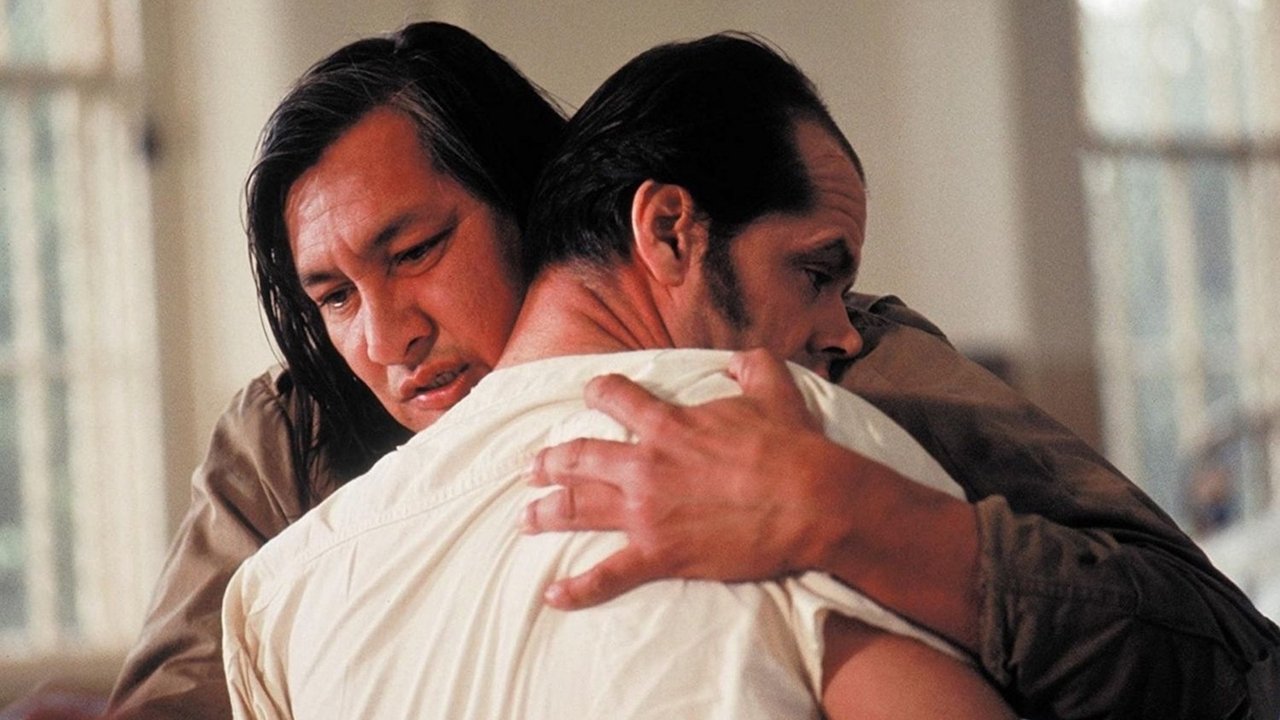
Turns out, the road to those Oscars was rocky. Jack Nicholson and Miloš Forman actually stopped speaking to each other during the shoot because they disagreed on how the patients should act. They communicated through the cinematographers for weeks. Also, Louise Fletcher was only cast a week before filming began, after the role was turned down by almost every major leading lady in Hollywood who feared the character was too "unlikable." Their loss was our gain; Fletcher's performance is a masterclass in stillness.
By the time the 1980s rolled around and the film hit the VHS rental market, it became a staple of the "prestige drama" shelf. I remember the specific yellow-and-black cover art of the rental box; it was the kind of tape that stayed checked out for weeks because word-of-mouth was so strong. It was the movie you rented when you wanted to feel something real, away from the neon-soaked blockbusters of the Reagan era. It reminded everyone that the most explosive special effect in cinema is often just a close-up of a man realizing he’s lost his freedom.
The ending of this film hits like a physical blow to the stomach, yet it manages to offer a sliver of hope that feels earned rather than gifted. It’s a tragedy, yes, but it’s also a celebration of the fact that even if you can't "win" against the machine, you can at least make it malfunction for a little while. I left my garage that day feeling a little more grateful for the open air and the sound of the neighbors, realizing that the real insanity is letting the world turn you into a piece of the furniture. If you haven't seen it, or haven't seen it lately, give it two hours. It’ll stay with you for much longer.
Keep Exploring...
-
Amadeus
1984
-
Chinatown
1974
-
Dog Day Afternoon
1975
-

Taxi Driver
1976
-
The Godfather
1972
-
The Godfather Part II
1974
-
Barry Lyndon
1975
-
The Deer Hunter
1978
-

Apocalypse Now
1979
-
Raging Bull
1980
-
The Elephant Man
1980
-
Rosemary's Baby
1968
-
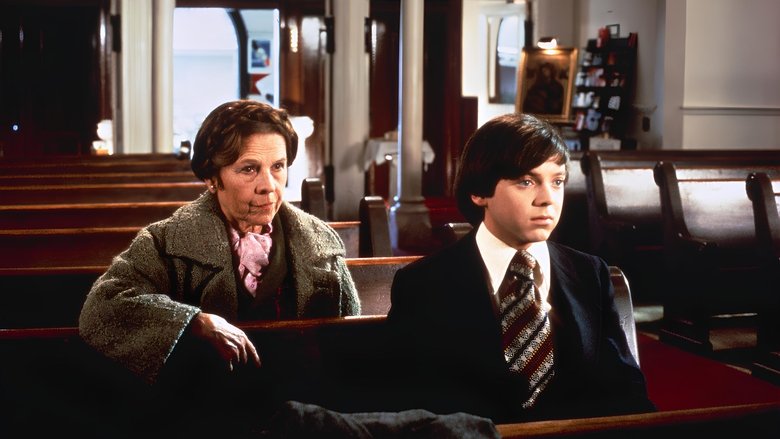
Harold and Maude
1971
-
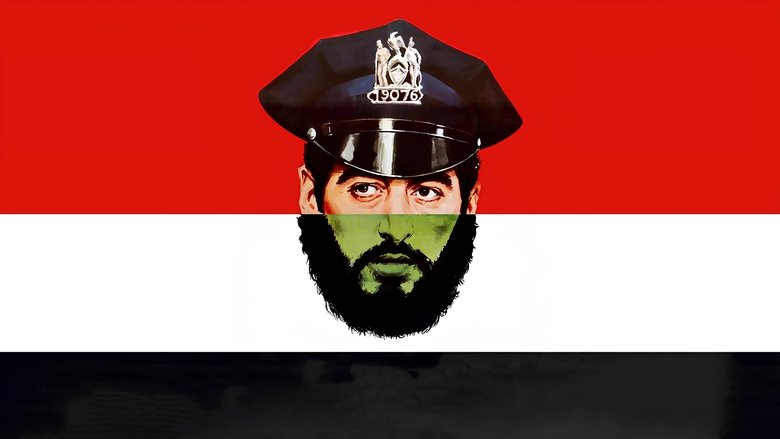
Serpico
1973
-
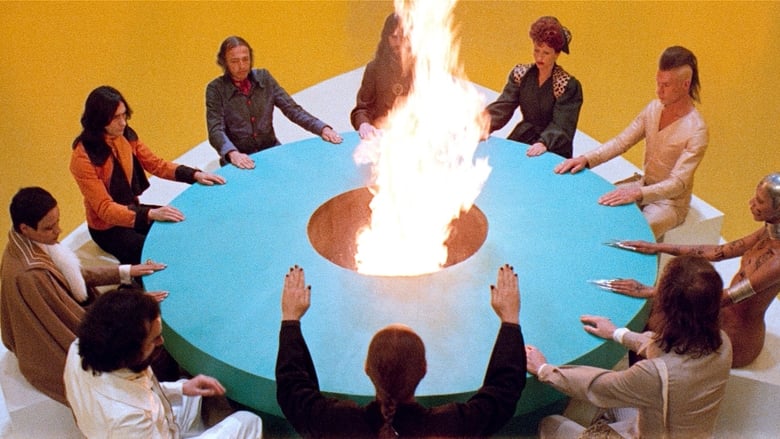
The Holy Mountain
1973
-
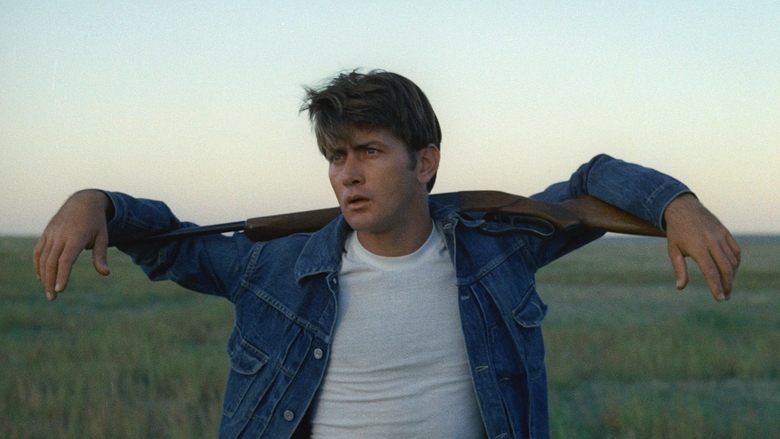
Badlands
1974
-

The Conversation
1974
-
Network
1976
-
Rocky
1976
-
Annie Hall
1977