Picnic at Hanging Rock
"What happened at the Rock remains at the Rock."
At exactly twelve noon on Valentine’s Day, 1900, every watch belonging to the party from Appleyard College stopped dead. It’s a moment of quiet, metaphysical dread that signals the end of the Victorian era’s grip on the Australian wilderness. I first watched this film on a drizzly Tuesday afternoon while nursing a cup of lukewarm peppermint tea that I’d forgotten to drink, and honestly, the stagnant temperature of the tea perfectly matched the heavy, humid atmosphere radiating off the screen.
Directed by a young Peter Weir (long before he’d guide us through The Truman Show or Dead Poets Society), Picnic at Hanging Rock is a ghost story where the ghosts might just be the living. It’s a film that doesn't just invite curiosity; it colonizes your brain. It’s a drama that feels like a dream you can’t quite shake upon waking, primarily because it refuses to give you the satisfaction of an ending.
A Masterpiece of Golden Haze and Hidden Teeth
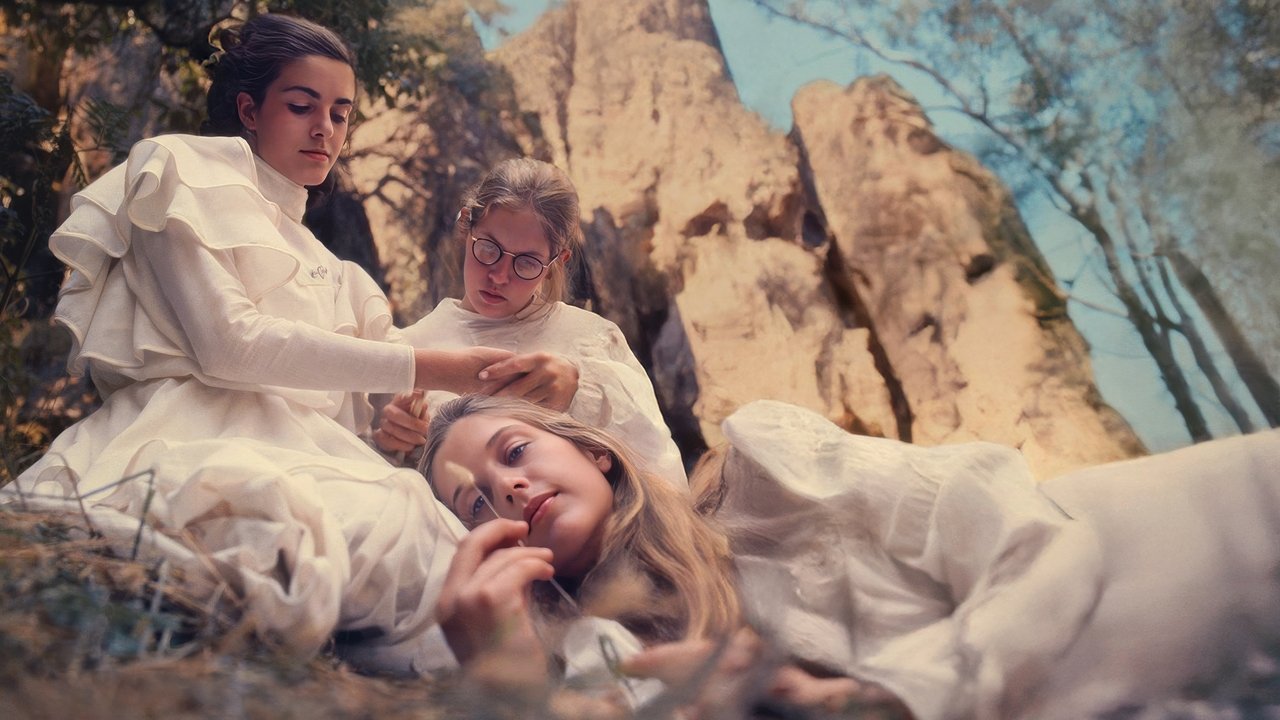
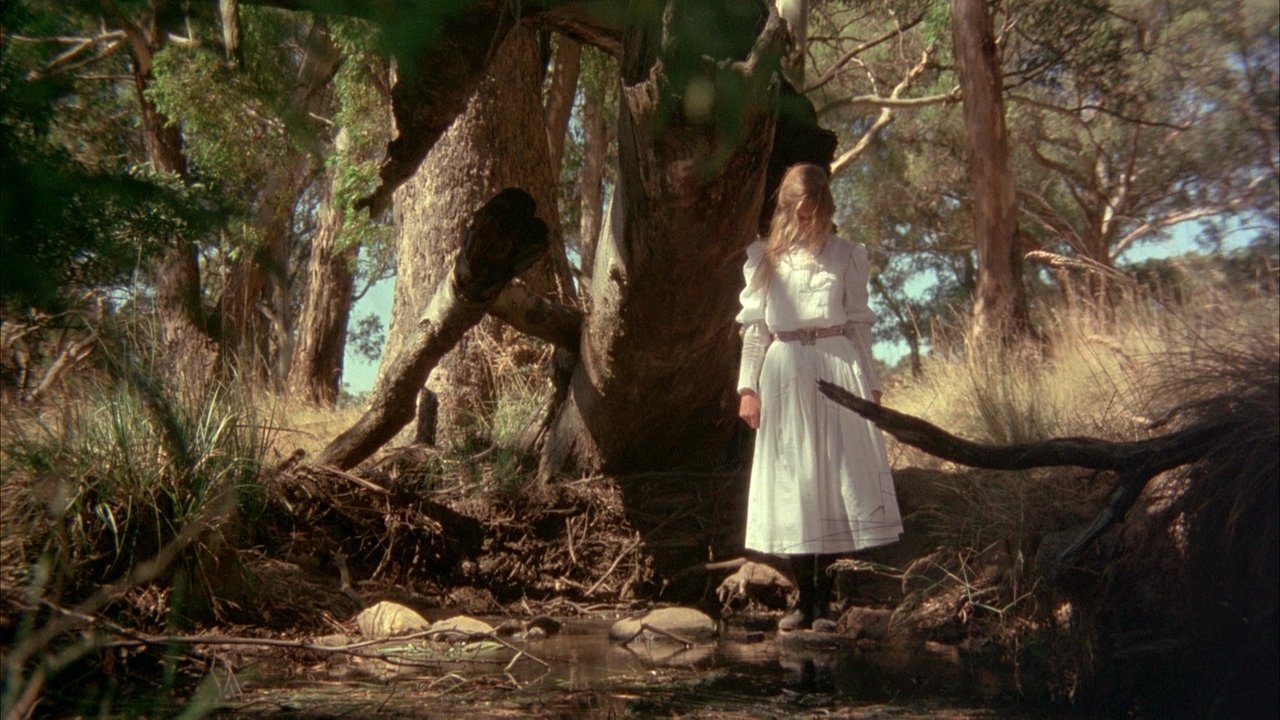
The setup is deceptively simple: a group of schoolgirls in white muslin dresses go for a picnic at a volcanic formation. Four girls go up; only one comes back, screaming and incoherent. A math teacher, Vivean Gray’s Miss McCraw, also vanishes into the geological labyrinth. What follows isn't a procedural—the local police in this movie have the collective investigative IQ of a ham sandwich—but rather a slow-motion collapse of a repressed society.
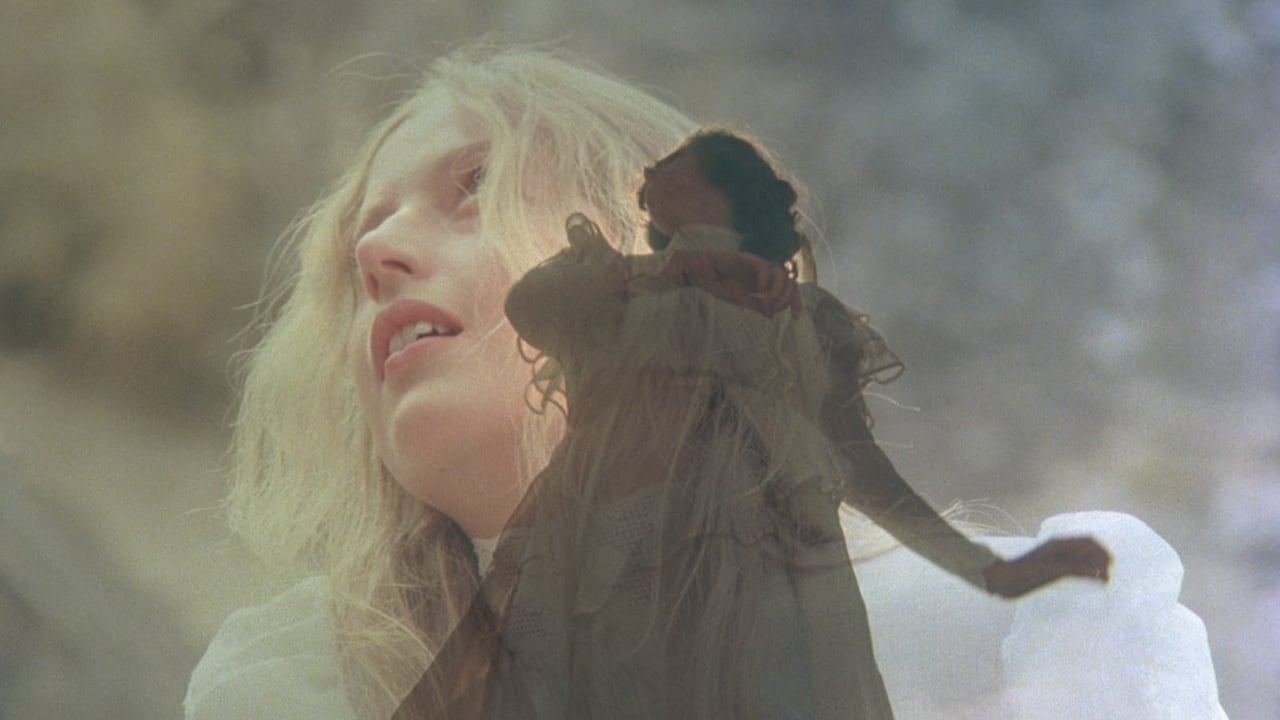
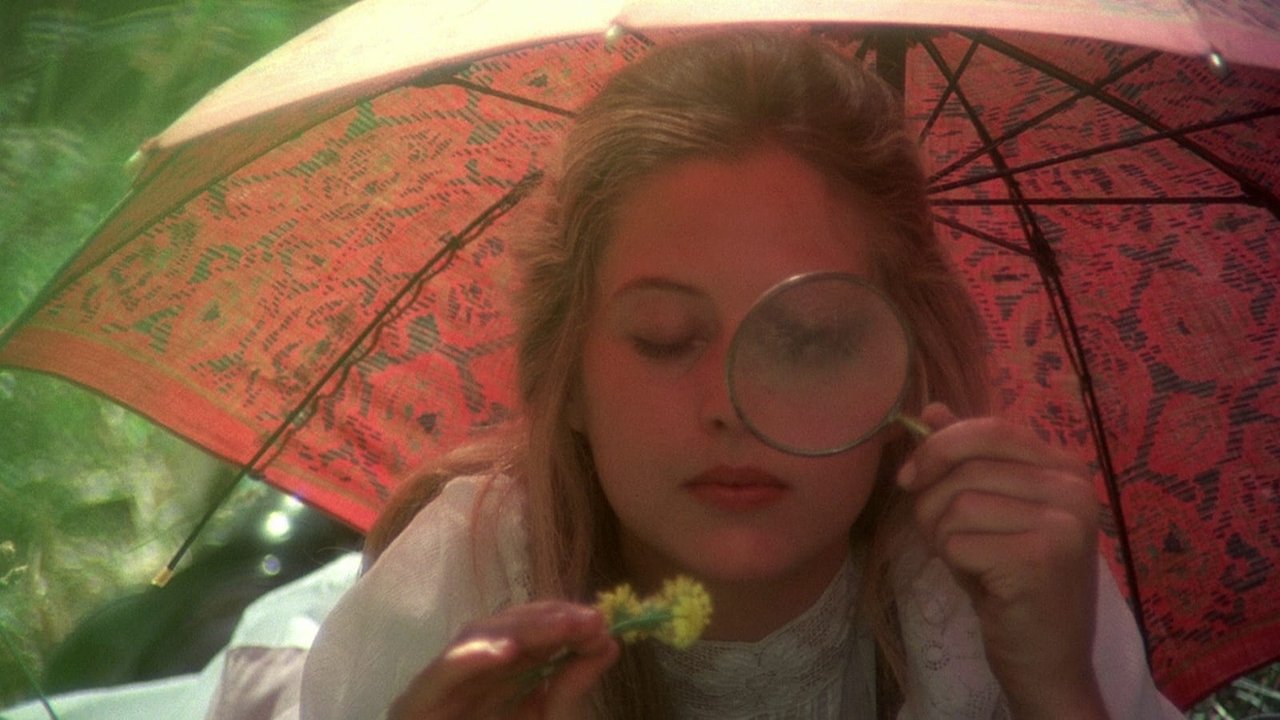
The "look" of the film is its most potent weapon. Cinematographer Russell Boyd (who later won an Oscar for Master and Commander) achieved that ethereal, hazy glow by stretching actual bridal veils over the camera lenses. It gives the film a soft-focus, Impressionist quality that makes the harsh Australian sun feel like a spotlight in a theater. You can almost feel the sweat under those stiff Victorian collars.
The performances are equally calibrated. Rachel Roberts is terrifying as Mrs. Appleyard, a woman whose authority is tied entirely to her corset and her ledger books. When the girls vanish, her world doesn't just crumble; it turns into a Gothic nightmare. Conversely, Helen Morse as the French mistress Mlle. de Poitiers provides a necessary warmth, acting as the only person who seems to recognize the girls as humans rather than porcelain dolls.
The $460,000 Fever Dream
Looking back, it’s wild to think this was an "indie" production in the truest sense. In 1975, the Australian film industry was barely a blip on the international radar. Peter Weir and producers McElroy & McElroy put this together for a mere $460,000—a pittance even by mid-70s standards. Because they couldn't afford massive sets or Hollywood-style spectacle, they leaned into the natural environment.
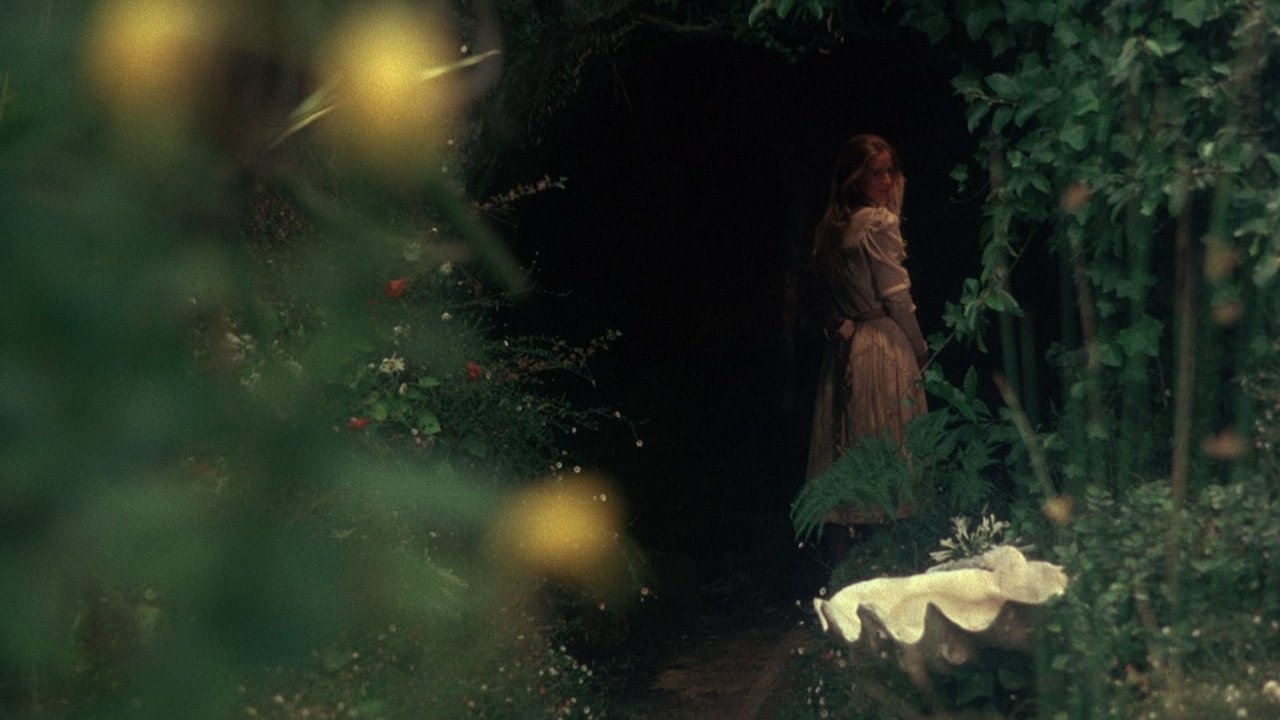
The "Rock" itself becomes the lead actor. It’s ancient, jagged, and seemingly sentient. This was a hallmark of the Australian New Wave: taking the "Great Unknown" of the outback and treating it as an alien landscape. Peter Weir spent years trying to get the tone right, knowing that if the atmosphere slipped for even a second, the whole thing would just look like a bunch of girls lost in the woods.
The film's success was a breakthrough moment for independent cinema, proving that a movie with no clear resolution could still dominate the box office. It made over $5 million in its initial run, which is the equivalent of a small indie film today suddenly out-earning a Marvel sequel. It’s a "passion project" that actually found its passion.
The Mystery on the VHS Shelf
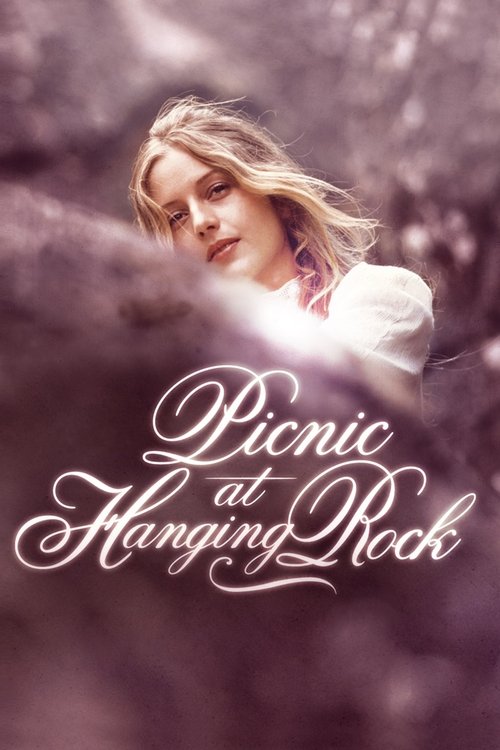
For those of us who grew up wandering the aisles of independent video stores in the 80s, the VHS cover for Picnic at Hanging Rock was iconic. Usually, it featured Anne-Louise Lambert as Miranda—blonde, ethereal, looking back over her shoulder with a "Gone Girl" energy decades before the term existed.
The home video revolution turned this from a prestigious festival winner into a cult obsession. Because the film is so dense with symbolism—clocks stopping, the appearance of a swan, the recurring motif of the Saint Valentine’s cards—it became a staple for repeat viewings. We’d rewind the tape, squinting through the tracking fuzz to see if we could spot Miss McCraw’s yellow skirt in the background of a wide shot. The mystery wasn't just on the screen; it was in the way we engaged with the media.
Even the music, that haunting pan-flute melody by Gheorghe Zamfir, felt like it was designed to be heard through the tinny speakers of a CRT television. It’s a sound that suggests something beautiful is about to go horribly wrong.
Picnic at Hanging Rock is a reminder that the most frightening thing in the world isn't a monster; it’s a question that has no answer. It captures that specific 1970s cinematic bravery—the willingness to let a story breathe and to let an audience sit in discomfort. If you haven't seen it, find the quietest room in your house, turn off your phone, and let the heat of the Rock take over. Just don't expect to have your watch working by the time the credits roll.
Keep Exploring...
-
Murder on the Orient Express
1974
-

The Conversation
1974
-
Blow-Up
1966
-
In the Heat of the Night
1967
-

Day of the Dead
1985
-
Witness
1985
-

Solaris
1972
-
High Plains Drifter
1973
-
Chinatown
1974
-
All the President's Men
1976
-
The Tenant
1976
-
Straw Dogs
1971
-
Aguirre, the Wrath of God
1972
-
Cabaret
1972
-
Fist of Fury
1972
-
Last Tango in Paris
1972
-
Don't Look Now
1973
-
Mean Streets
1973
-

Serpico
1973
-
The Holy Mountain
1973