The Rocky Horror Picture Show
"Don't dream it, be it—at your own risk."
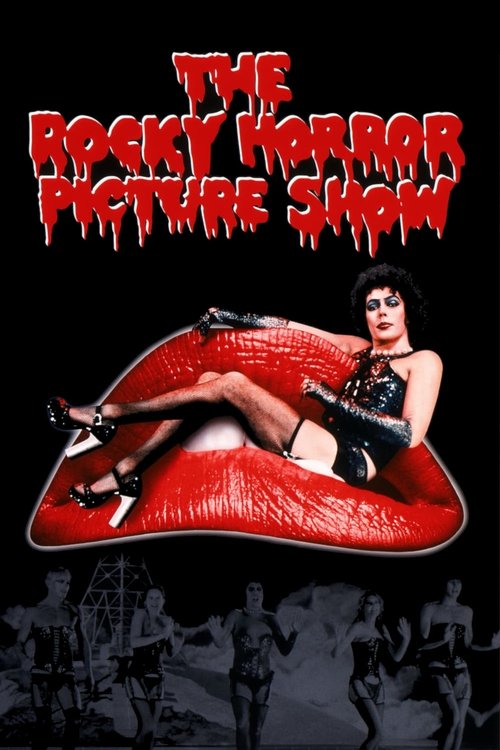
The velvet red lips floating in a void of black are more than just a title sequence; they’re a seductive warning. Most people talk about The Rocky Horror Picture Show as a party, a shouting match with a cinema screen, or a reason to ruin a perfectly good corset. But if you strip away the toasted bread and the water guns, what’s left is a surprisingly grim piece of Gothic sci-fi that feels like a fever dream had by a disillusioned 1950s teenager. It’s a film that thrives on the friction between "wholesome" Americana and the damp, dangerous basement of the human psyche.
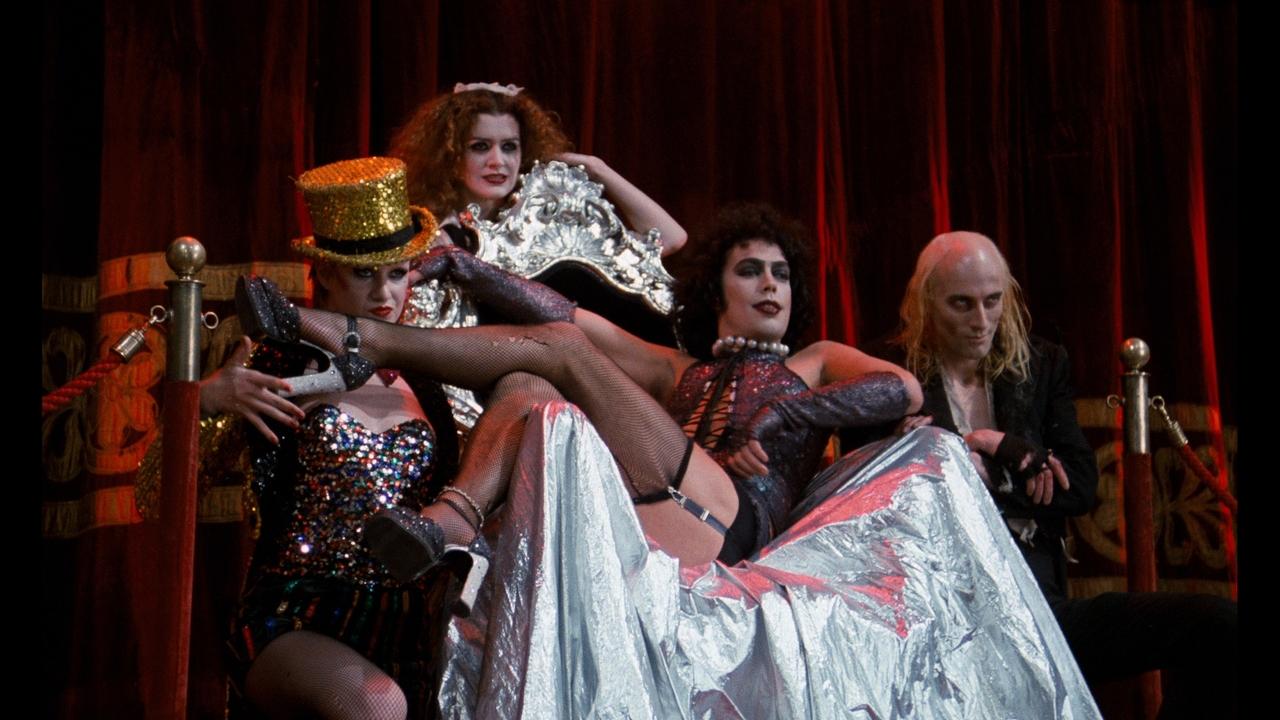
I watched this most recently on a rainy Tuesday afternoon while trying to ignore a particularly persistent telemarketer who kept calling about my car's extended warranty. There is something profoundly strange about watching Dr. Frank-N-Furter’s grand entrance while a stranger on the phone tries to sell you insurance. It highlights just how alien the film remains, even decades after it became a household name.
The Magnetism of the Macabre
At the center of this hurricane is Tim Curry, delivering a performance that doesn’t just chew the scenery—it swallows the entire production whole. As Dr. Frank-N-Furter, Curry brings a genuine sense of danger that often gets lost in the "camp" labels. This isn't just a man in drag; it's a predatory, pansexual alien scientist with a God complex and a short fuse. When he stalks through his laboratory, there’s a coldness in his eyes that reminds you this is, technically, a horror movie.
Susan Sarandon (long before Thelma & Louise) and Barry Bostwick are perfectly cast as Janet Weiss and Brad Majors. They are the human equivalent of unflavored gelatin, and watching them slowly dissolve in the acidic environment of the Frankenstein Place is a dark delight. Bostwick in particular nails the "clueless 1950s protagonist" energy so well that Brad Majors is effectively the human version of a beige cardigan in a room full of neon. The way his stiff-necked morality crumbles under the weight of his own repressed desires provides the film’s most uncomfortable, yet honest, moments.
Practical Effects in the Shadow of the Gothic
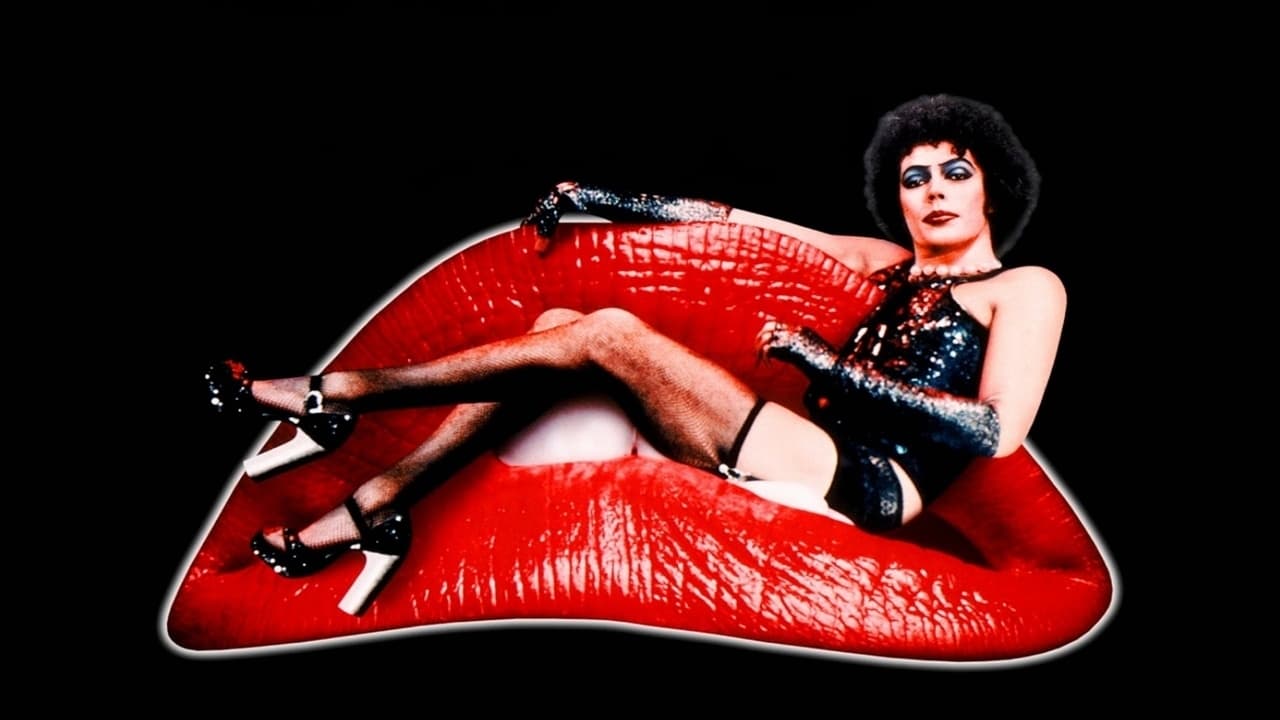
While the film had a modest budget of $1.4 million, director Jim Sharman and cinematographer Peter Suschitzky—who would later bring that same moody, atmospheric lighting to The Empire Strikes Back—make the mansion feel like a living, breathing character. This was the golden age of practical sets, where "shabby" wasn't a choice but a necessity that birthed a specific kind of dread. The textures of the film are tactile: the cold stone floors, the dripping makeup, and the sheer amount of sweat on the actors' brows.
The production was famously miserable for the cast. The mansion (Oakley Court in Berkshire) was a dilapidated wreck with no heat and a leaking roof. Susan Sarandon actually came down with pneumonia during filming. That shivering you see on screen isn't always acting; it’s a physical reaction to a freezing, damp environment. It adds a layer of genuine physical distress to the musical numbers, grounding the fantasy in a very real, uncomfortable grit.
The special effects, particularly the "creation" of Rocky, rely on lighting and editing rather than high-tech wizardry. The use of a tank and RKO-style laboratory equipment pays homage to the Universal Monsters era while subverting it with a splash of glitter and blood. Even the dinner scene—featuring a roast that turns out to be the late, great Meat Loaf—is played with a grim, claustrophobic intensity. Apparently, the actors weren't told there was a "corpse" under the table until the reveal, leading to genuine reactions of shock.
The VHS Resurrection
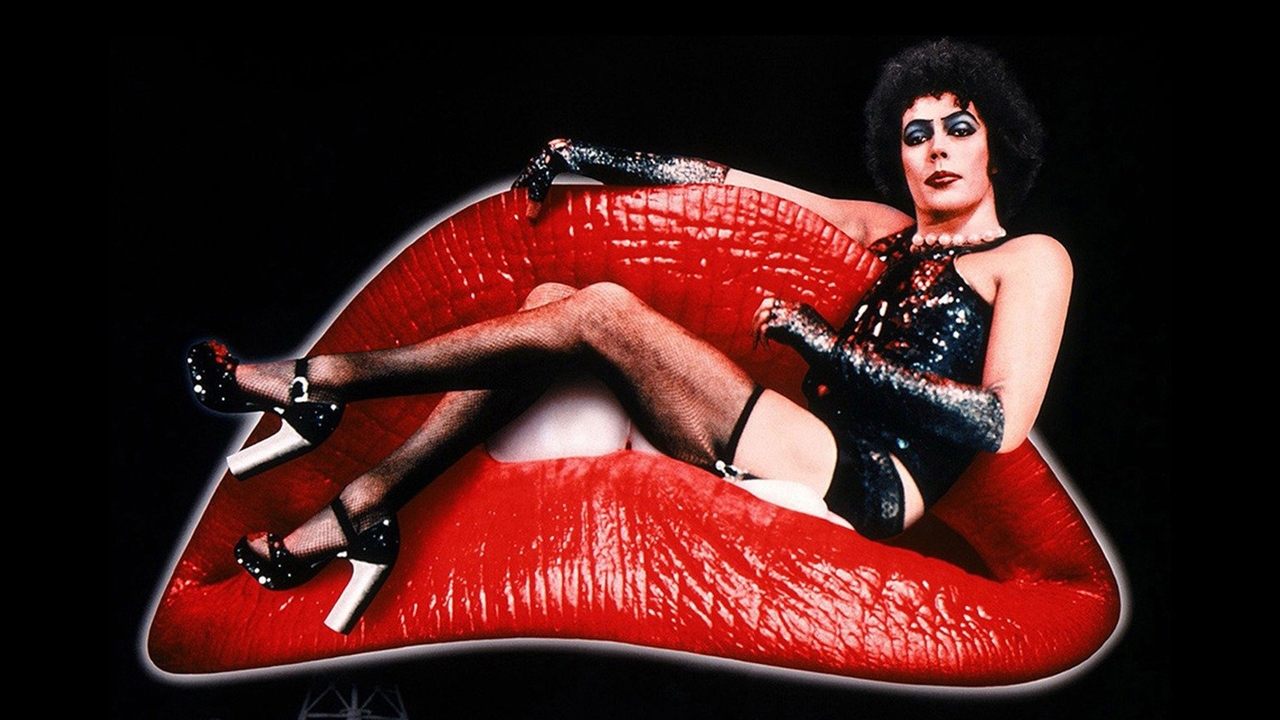
It’s easy to forget that Rocky Horror was a monumental flop upon its initial release in 1975. 20th Century Fox had no idea how to market a movie that was too weird for the mainstream and too musical for the horror crowd. Its survival is a testament to the "midnight movie" circuit and, eventually, the home video revolution.
By the time the 1980s rolled around, Rocky Horror became a staple of the rental store era. It was the tape you’d hide at the bottom of a stack so your parents wouldn't see the box art, or the one you’d watch at a sleepover with the volume turned down low. Because the film is so dense with visual detail and background gags—like the skeleton hidden inside the grandfather clock (which was actually real and later sold at auction)—it rewarded the kind of obsessive rewatching that VHS allowed. It transformed from a failed theatrical experiment into a cultural religion, proving that a film doesn’t need a massive opening weekend to own the future.
The Rocky Horror Picture Show remains a masterpiece of transgressive cinema, balancing its catchy soundtrack with a genuine sense of Gothic unease. It’s a film that mocks the status quo while simultaneously mourning the loss of innocence. Whether you're there for the "Time Warp" or the cold-blooded alien betrayals, it’s a trip worth taking. Just remember to bring your own umbrella—it’s going to be a long, wet night at the Frankenstein Place.


Keep Exploring...
-
Alien
1979
-
Gremlins
1984
-

Invasion of the Body Snatchers
1978
-

The Witches of Eastwick
1987
-
Dawn of the Dead
1978
-

Re-Animator
1985
-
Critters
1986
-
Evil Dead II
1987
-
Killer Klowns from Outer Space
1988
-
The Time Machine
1960
-

The Return of the Living Dead
1985
-
Weird Science
1985
-

Mary Poppins
1964
-
The Exorcist
1973
-
The Sting
1973
-
Jaws
1975
-
An American Werewolf in London
1981
-

The Thing
1982
-
The Dead Zone
1983
-

Fright Night
1985