Three Days of the Condor
"In the shadow of the state, nobody is safe."
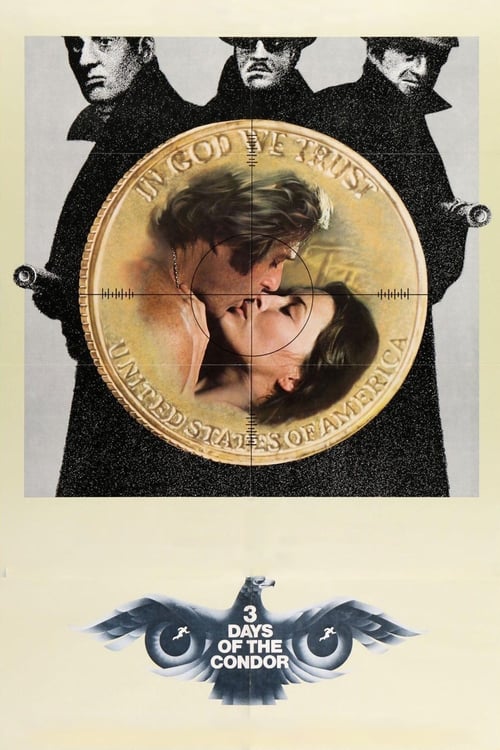
I watched Three Days of the Condor on a Tuesday afternoon while nursing a cup of coffee that had gone cold enough to develop a film on top, and honestly, that’s exactly the right temperature for this movie. There is a chill in Sydney Pollack’s 1975 thriller that doesn't just come from the snowy New York streets; it comes from the realization that the world is run by men who view human lives as mere clerical errors.
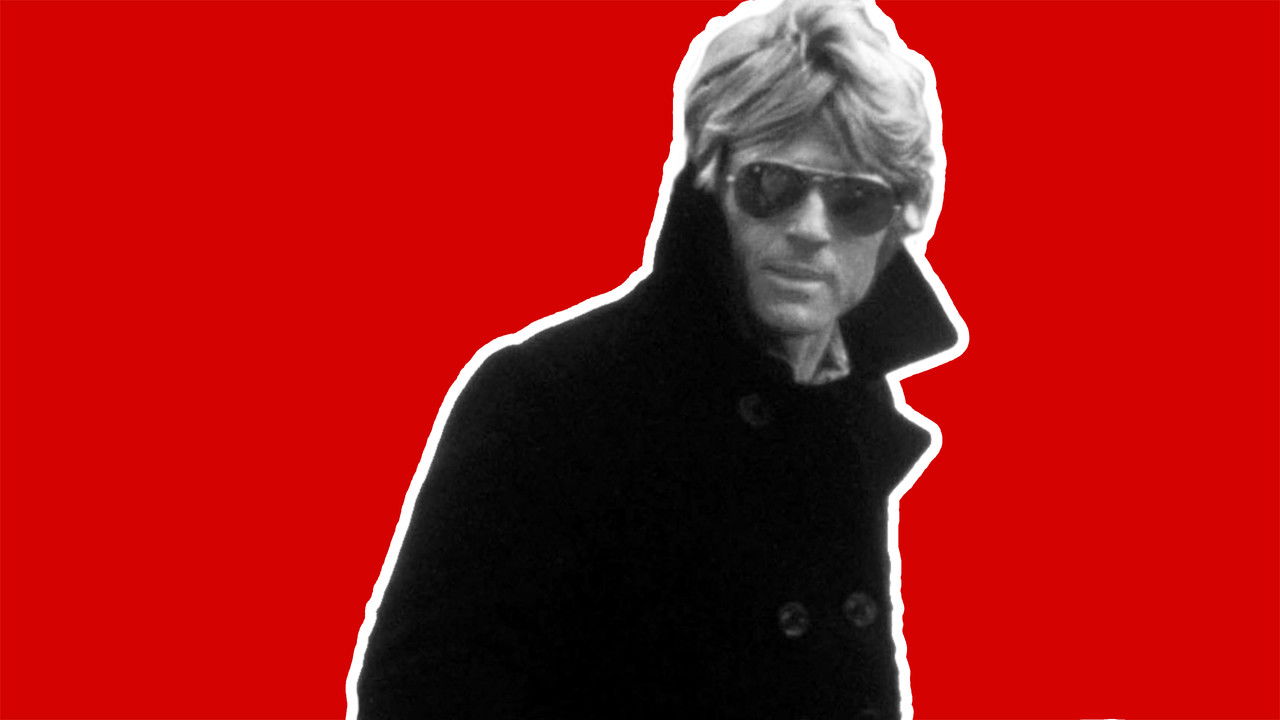
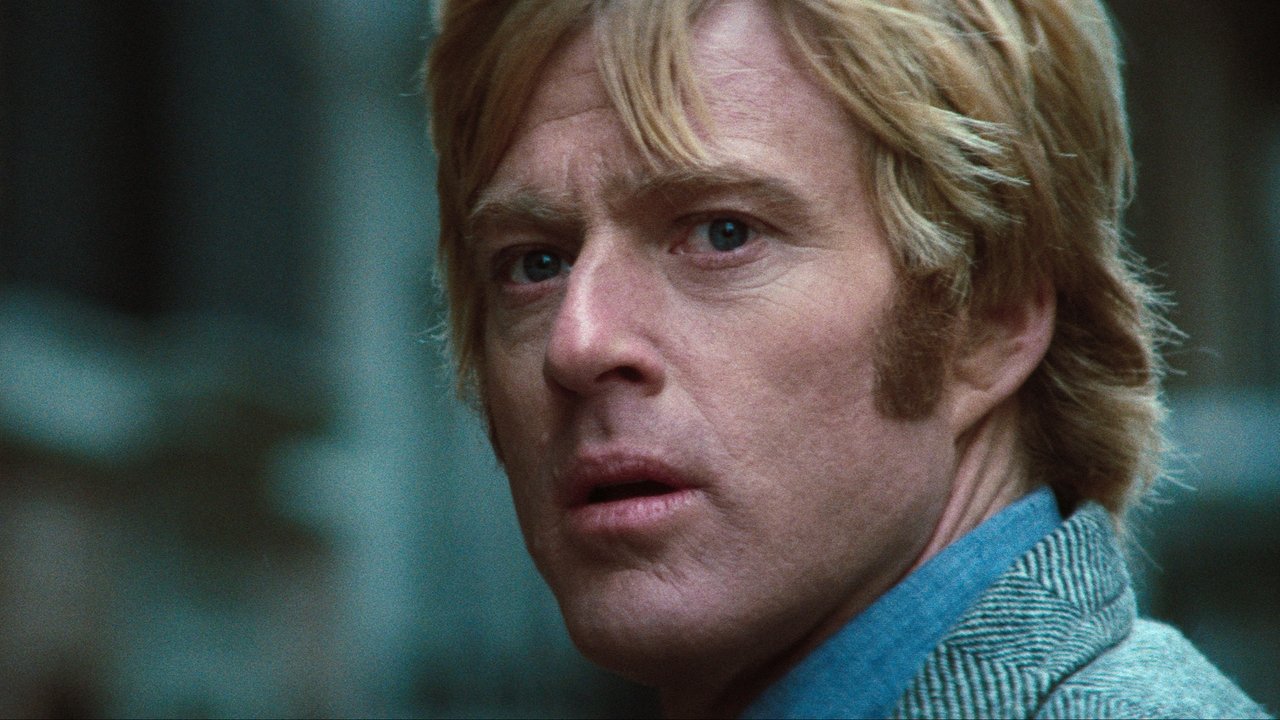
The film opens with Robert Redford as Joe Turner, a CIA analyst whose job isn't to fire guns or leap across rooftops. He reads books. He looks for hidden codes in mystery novels and translated journals. It’s the ultimate "book nerd" fantasy—until he returns from a sandwich run to find every one of his colleagues slaughtered in their office. From that moment, the movie transforms into a claustrophobic exercise in survival, where Turner is forced to become the very thing he’s only ever read about.
The Paranoia of the Paper-Pusher
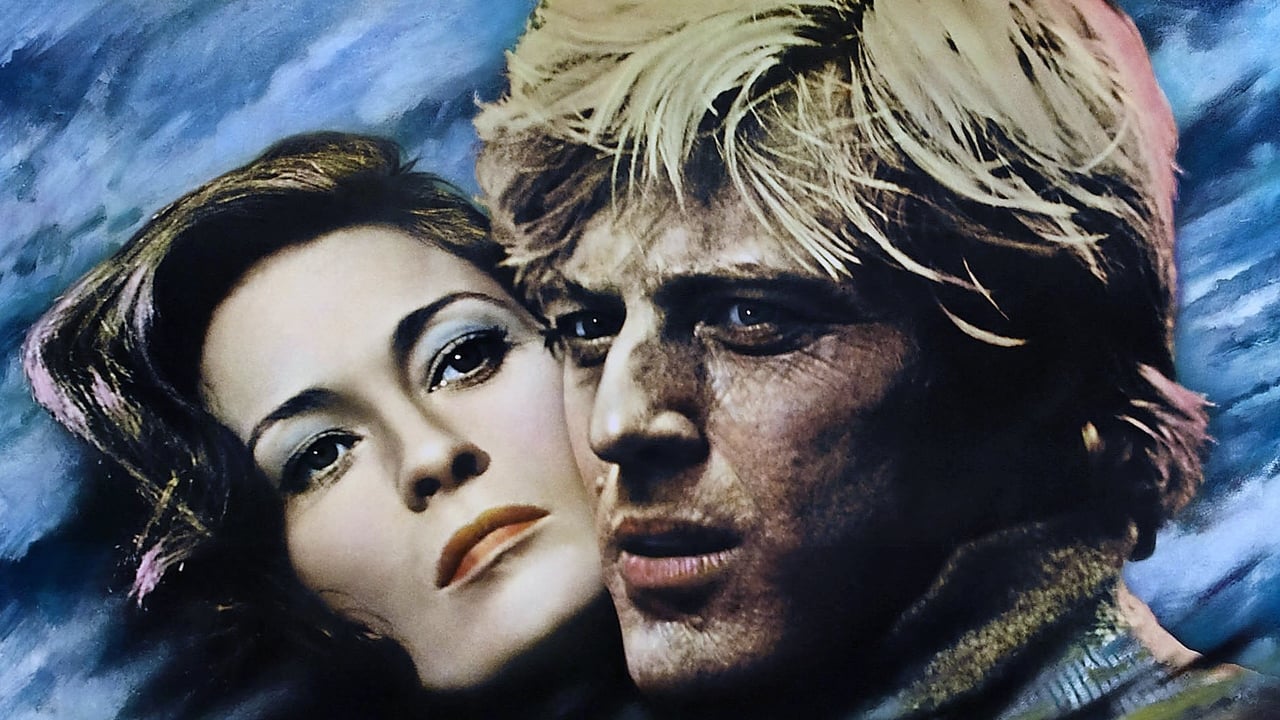
What makes this film such a foundational piece of the New Hollywood era is its utter lack of bravado. Robert Redford is at the peak of his golden-boy powers here, but he plays Turner with a frantic, unpolished edge. He’s not John Wick; he’s a guy who knows how things should work but is horrified to find out how they actually do. When he kidnaps Faye Dunaway’s Kathy Hale just to find a place to hide, the movie takes a turn that modern audiences might find deeply uncomfortable, bordering on Stockholm Syndrome, yet it works within the film’s desperate, "nothing-to-lose" logic.
Faye Dunaway is doing incredible work here with a character who could have been a cardboard cutout. Kathy is a photographer who specializes in lonely, desolate landscapes, and that melancholy mirrors the isolation Turner feels. Their chemistry isn't about traditional romance; it’s a trauma bond formed in a world that has suddenly turned predatory. Watching them together, you feel the weight of a decade—the 70s—that had started with hippie optimism and was ending with the cold realization that the government was just a very efficient, very well-funded mob.
The Elegance of the Executioner
If Robert Redford is the heart of the film, Max von Sydow is its icy, mechanical soul. As G. Joubert, a freelance assassin, von Sydow provides a masterclass in stillness. He doesn't hate Turner. He doesn't even particularly care about the conspiracy. He’s a professional who appreciates a good job well done. There’s a scene late in the film where he explains his philosophy to Turner, and it’s one of the most chilling monologues in cinema history. He isn't a villain in the mustache-twirling sense; he’s just a man who has outgrown the need for a moral compass.
Director Sydney Pollack (who also gave us Out of Africa and Tootsie) keeps the camera observant rather than flashy. He relies on the cold, naturalistic cinematography of Owen Roizman, who makes New York look like a giant, stone-cold trap. The score by Dave Grusin is a strange, jazzy artifact that somehow heightens the tension by feeling slightly "off," like a heartbeat skipping a rhythm. It’s a far cry from the operatic scores of today’s thrillers, and it’s better for it.
A Relic of Analog Anxiety
For those of us who grew up scanning the shelves of independent video stores, the VHS cover of Three Days of the Condor was iconic. It usually featured Redford in that heavy peacoat, looking over his shoulder. I remember my local shop had a copy with a sun-bleached spine that had been rented so many times the tape hissed during the silent moments. That hiss actually added to the experience; it felt like you were watching a bootlegged surveillance reel you weren't supposed to see.
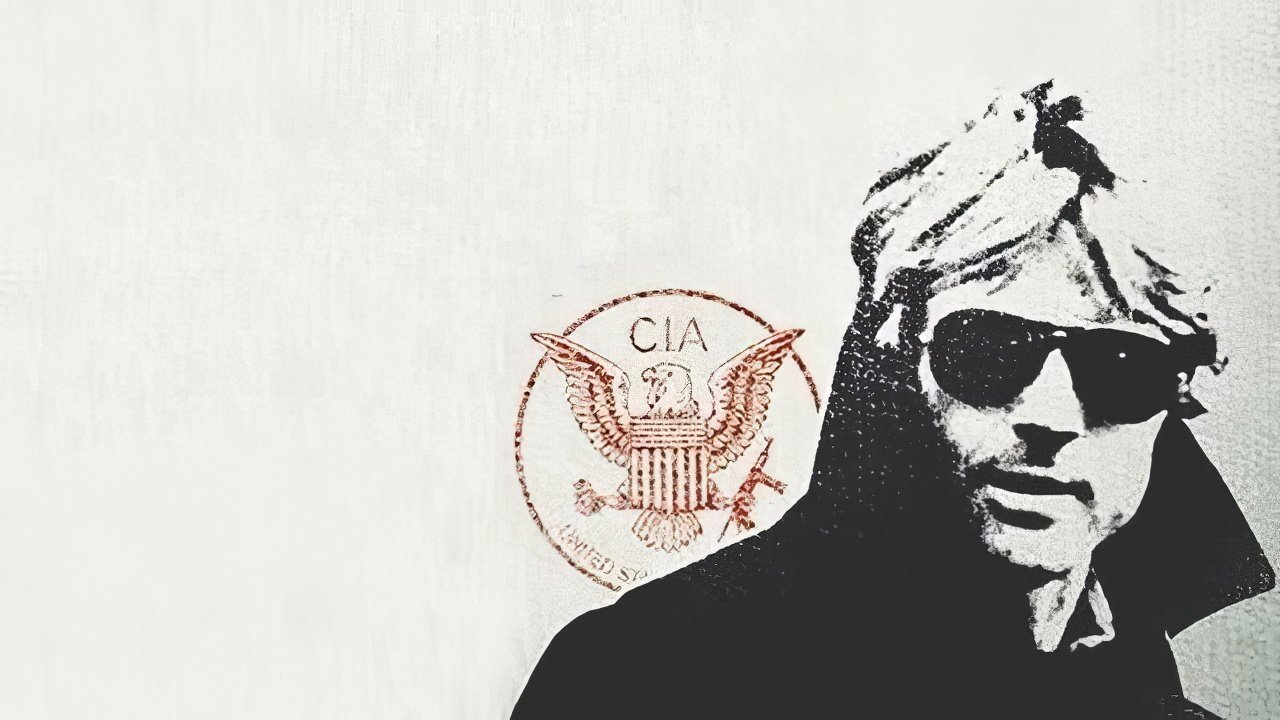
Interestingly, the film was originally based on a novel titled Six Days of the Condor by James Grady. The production shortened the timeframe to three days to keep the pace relentless, a move that Lorenzo Semple Jr. and David Rayfiel handled with surgical precision in the script. Another bit of trivia that often gets lost is that the CIA actually had to come out and clarify that they didn't have a department dedicated solely to reading books for hidden codes—though, in a post-Snowden world, we’d probably be more surprised if they didn't have one.
The film also serves as a fascinating time capsule of a "pre-tech" conspiracy. There are no hacking montages or magic satellites here. Turner has to use a literal telephone switchboard to trace calls and physical maps to navigate. This grounded reality makes the stakes feel heavier. When Turner is trapped in an elevator or a cramped apartment, there’s no "cloud" to save him. He only has his brain and his dwindling luck.
The final scene, featuring Cliff Robertson as the bureaucratic CIA middleman J. Higgins, is the reason this movie still haunts viewers. It’s a confrontation on a sidewalk that feels more violent than any shootout. It poses a question about the American public’s appetite for the truth versus their need for comfort—a question that has only become more relevant in the decades since. Three Days of the Condor isn't just a thriller; it’s a warning that the people who keep us safe are often the ones we should fear the most. It’s a lean, mean piece of paranoid cinema that earns every bit of its legendary status.

Keep Exploring...
-
All the President's Men
1976
-

Murder by Death
1976
-
Chinatown
1974
-
Blow Out
1981
-
Clue
1985
-
Mississippi Burning
1988
-
Deep Red
1975
-
The Tenant
1976
-
Marnie
1964
-
Dressed to Kill
1980
-

The Firm
1993
-
The Poseidon Adventure
1972
-
Marathon Man
1976
-
Soylent Green
1973
-
Blue Velvet
1986
-
Murder on the Orient Express
1974
-
Deliverance
1972
-
Body Double
1984
-
In the Heat of the Night
1967
-

The Towering Inferno
1974