All the President's Men
"The truth is hiding in the shadows."

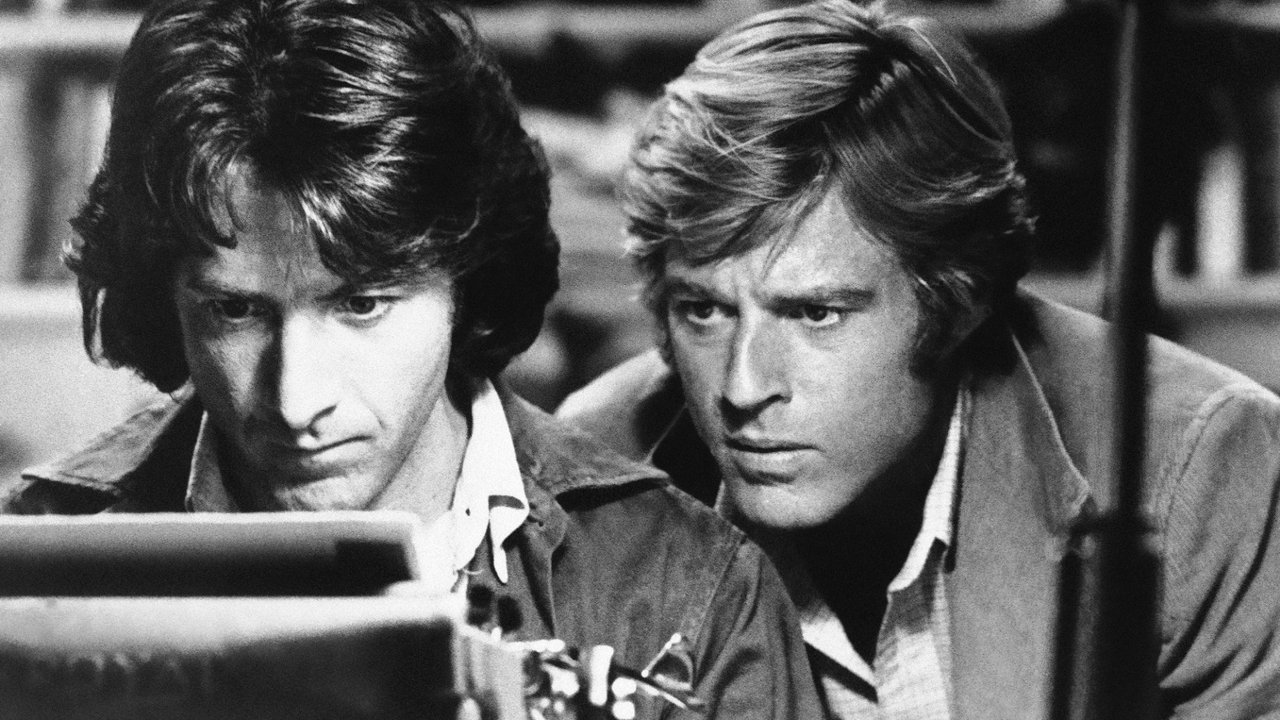
There is a specific, rhythmic violence to the sound of a 1970s typewriter. In the opening moments of All the President's Men, director Alan J. Pakula (who also directed the chilling Klute) treats these keystrokes like gunshots. It’s an aggressive, mechanical noise that signals the start of a war fought not with ballistics, but with ink, legal pads, and the sheer, exhausting persistence of two men who refuse to hang up the phone.
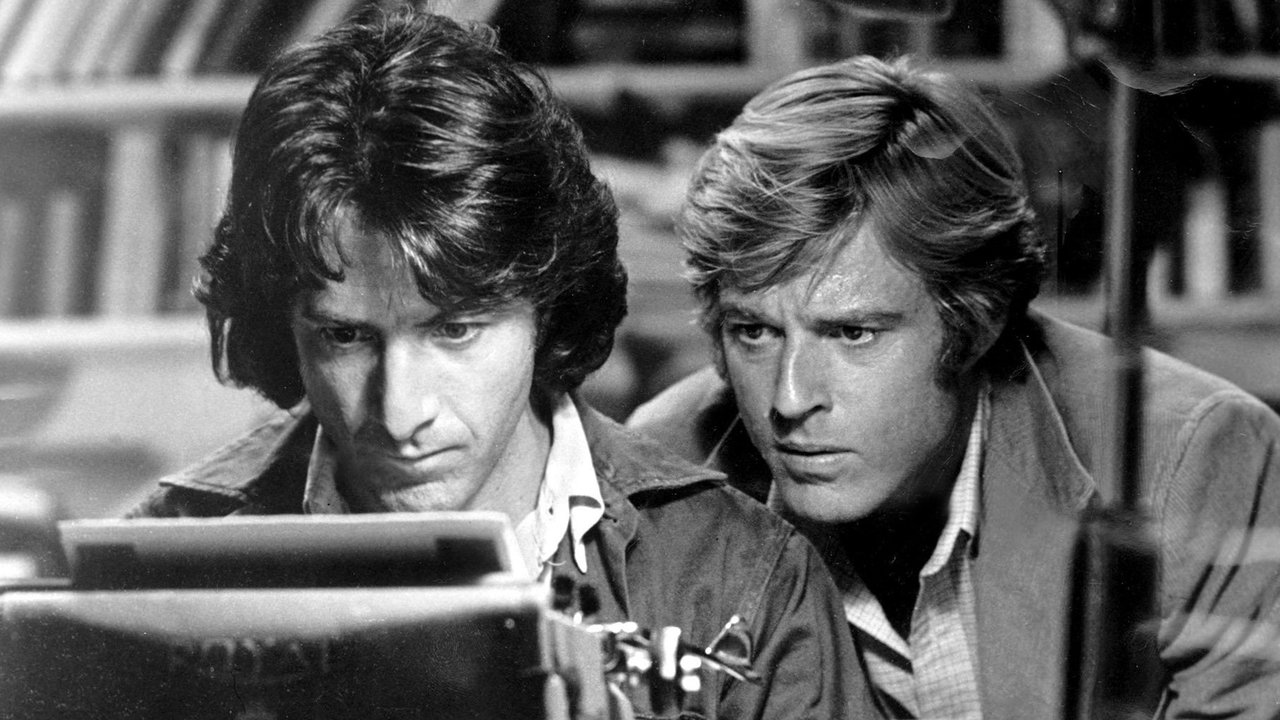
I watched this most recent viewing on a humid Tuesday evening while nursing a lukewarm cup of instant miso soup that had way too much salt in it, and honestly, the saltiness felt appropriate. This isn't a film that offers you a comfortable seat; it’s a movie that makes you feel the sweat on your collar and the mounting dread of realizing the people in charge have forgotten who they work for. It’s the crown jewel of the "paranoia trilogy" that Alan J. Pakula crafted in the seventies, and even decades later, it remains the gold standard for how to make paperwork look like a high-stakes thriller.
The Newsroom as a Living Organism
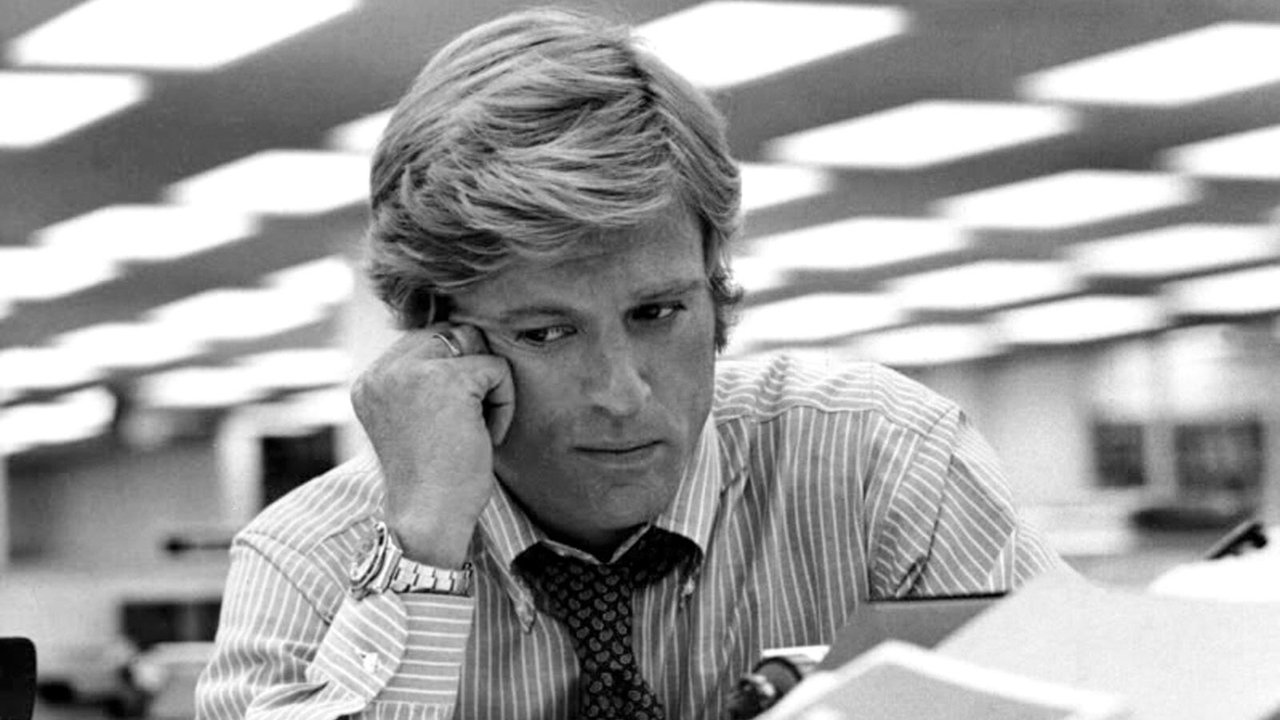
Most "New Hollywood" films of this era—think The Conversation or Three Days of the Condor—thrive on shadows and isolation. But All the President's Men does something braver: it puts the investigation under the harsh, unflattering hum of fluorescent office lights.
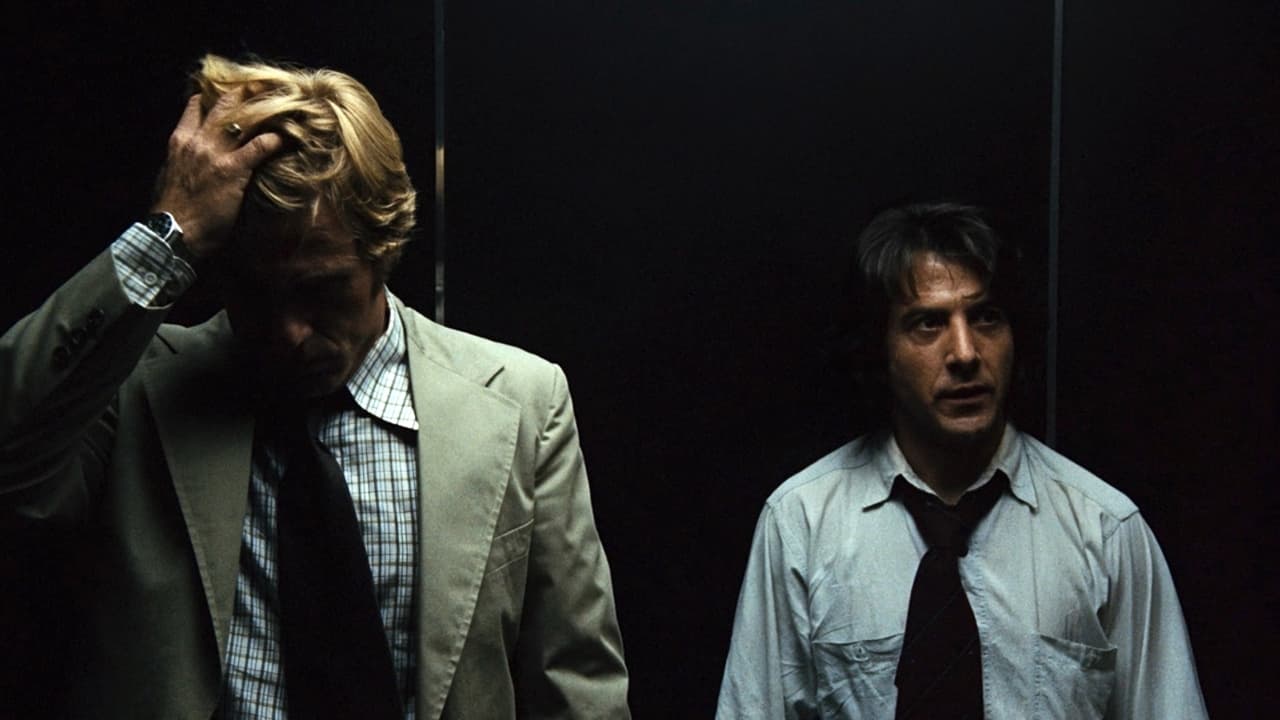
The Washington Post newsroom set is legendary in film circles because it wasn't just a set; it was a $450,000 obsession. The production actually hauled literal trash from the real Post offices and shipped it to Burbank to ensure the desks looked authentic. You can practically smell the stale coffee and cigarette ash through the screen. Robert Redford (who also produced via Wildwood Enterprises) and Dustin Hoffman inhabit this space with a frantic, unglamorous energy.
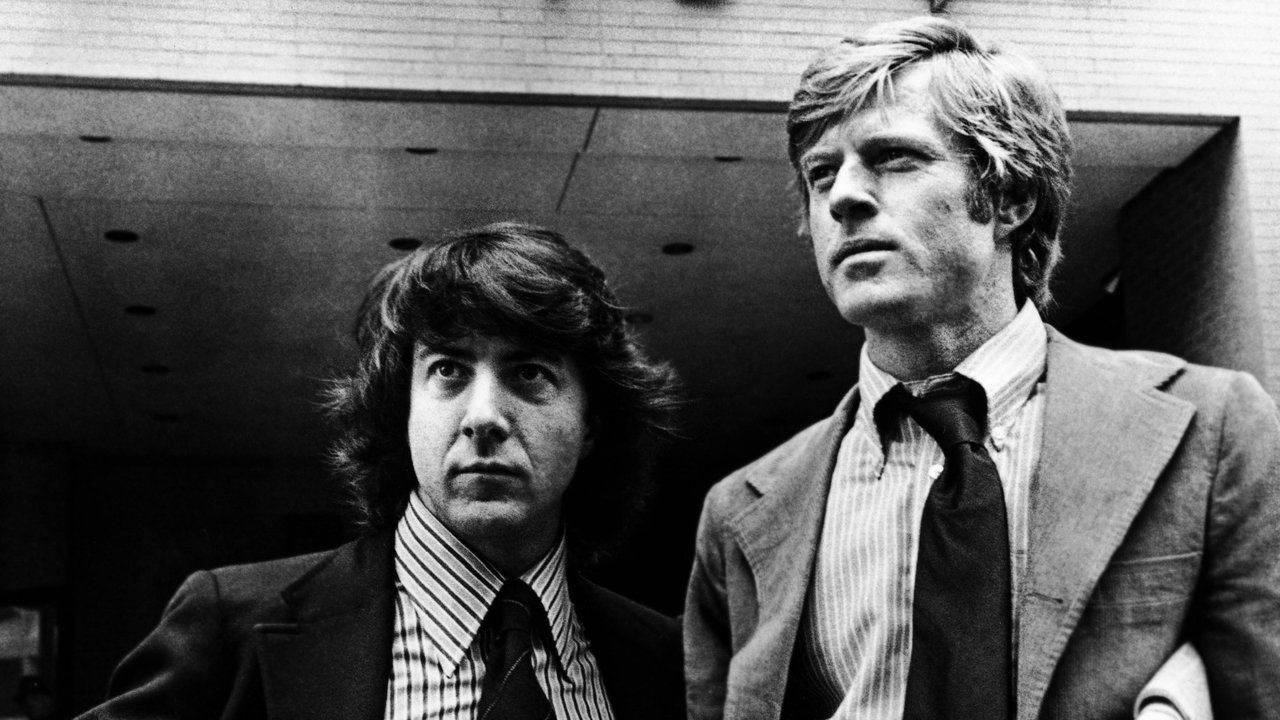
Robert Redford plays Bob Woodward with a stiff, midwestern earnestness that hides a shark’s instincts, while Dustin Hoffman gives Carl Bernstein a twitchy, intellectual restlessness. Their chemistry isn't built on "buddy cop" banter, but on the friction of two very different men realizing they are the only ones standing between a massive cover-up and the American public. I love the way Hoffman constantly steals drags of other people's cigarettes; it’s a small, greasy detail that makes Bernstein feel lived-in.
The Prince of Darkness in the Parking Garage
While the newsroom is a sea of white light, the rest of the film belongs to the "Prince of Darkness," cinematographer Gordon Willis (the man behind the look of The Godfather). When Woodward goes to meet his secret source, Deep Throat, in those subterranean parking garages, the screen becomes a masterclass in what you can't see.
Hal Holbrook (who previously worked with Pakula in The Girl from Petrovka) is haunting as Deep Throat. He isn't a hero; he’s a ghost, a man paralyzed by his own knowledge, whispering from the darkness. These scenes are deathly quiet, punctuated only by the echo of footsteps. It’s here that the "Drama-Dark" modifier really kicks in. The film refuses to make this an adventure. It’s a funeral procession for American innocence. The movie is essentially two hours of men talking in rooms, yet it has more tension than a dozen modern CGI-bloated blockbusters.
The supporting cast is an absolute murderer’s row of talent. Jason Robards (of Once Upon a Time in the West fame) won an Oscar for playing Ben Bradlee, and he earns every second of it. He plays the editor not as a shouting caricature, but as a man who understands that if his boys are wrong, the entire institution of the free press dies with them. When he tells them, "Nothing's riding on this except the First Amendment to the Constitution, and maybe the future of the country," you don't roll your eyes. You shiver.
The Art of the Slow Grind
The screenplay by William Goldman (the legend who gave us Butch Cassidy and the Sundance Kid) is a miracle of structure. He took a sprawling, complicated real-life timeline and turned it into a mystery where the "villain" is an invisible system of power. There are no car chases. There are no shootouts. The climax of the film is literally a series of names being typed onto a page.
I remember my dad used to have this on a heavily loved VHS tape with the iconic "two faces" artwork on the box. On a small, grainy CRT television, the darkness of those parking garage scenes was even more oppressive—the tracking errors would sometimes make the shadows bleed, which only added to the feeling that something was lurking just out of frame. It’s the kind of movie that benefits from the "rewatch factor" of home video because you start to notice the tiny procedural details: the way they cross-reference library slips, the frustration of a source hanging up, the physical toll of a door being slammed in your face.
Alan J. Pakula doesn't use a traditional score to manipulate your feelings. David Shire provided a minimal, brass-heavy soundtrack, but for the most part, the film relies on the ambient noise of democracy in action. It’s a somber, intense, and deeply cynical look at the heights of corruption, yet it finds a strange kind of hope in the idea that two guys with enough pencils and a healthy dose of spite can actually change the world.
This is a towering achievement of the 1970s, a period where films were allowed to be intelligent, slow, and unapologetically serious. It demands your full attention and rewards it with a chilling look at how power protects itself. Even if you know how the story ends—with a helicopter taking off from the White House lawn—the journey through the shadows of 1972 remains one of the most gripping experiences in cinema history. If you’ve never seen it, dim the lights, put your phone in another room, and listen to the sound of those typewriters. It’s the sound of the truth being dragged into the light.
Keep Exploring...
-

Three Days of the Condor
1975
-
Marathon Man
1976
-
Mississippi Burning
1988
-
The Tenant
1976
-
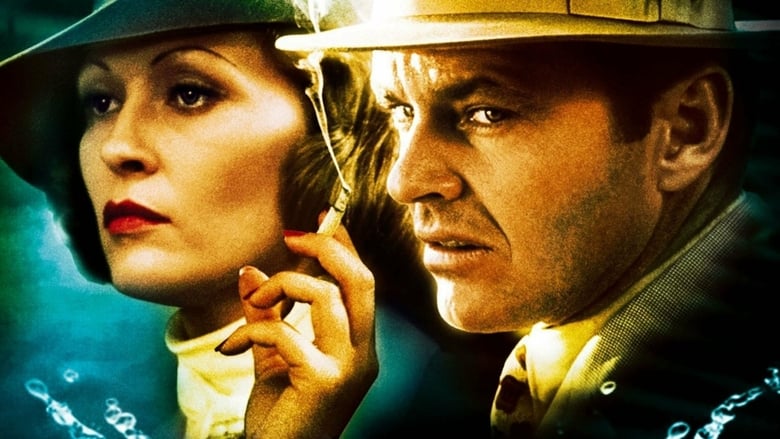
Chinatown
1974
-
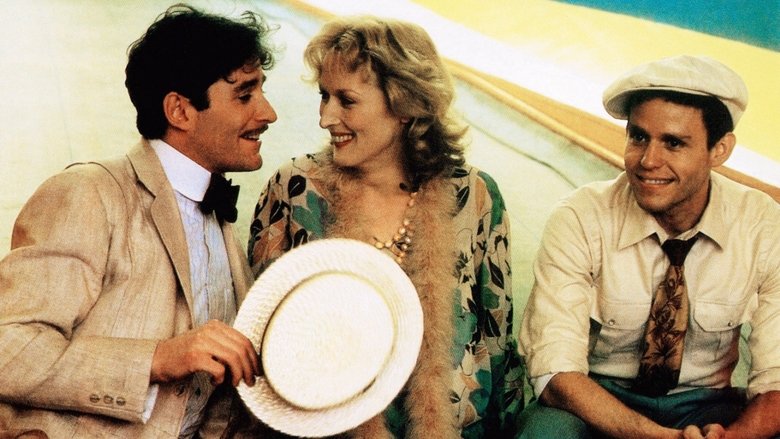
Sophie's Choice
1982
-
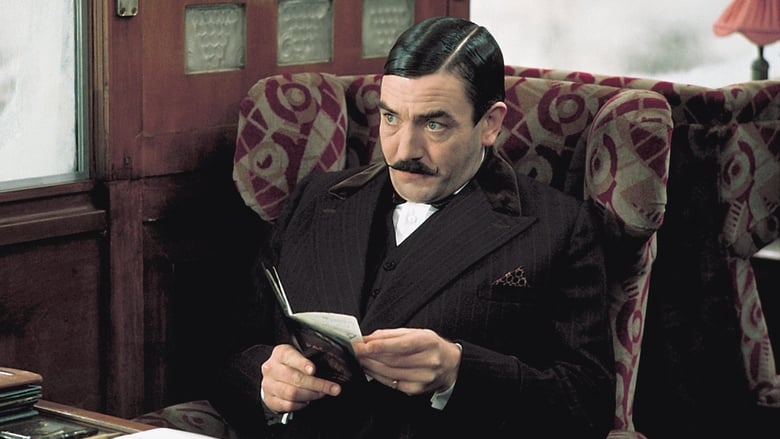
Murder on the Orient Express
1974
-
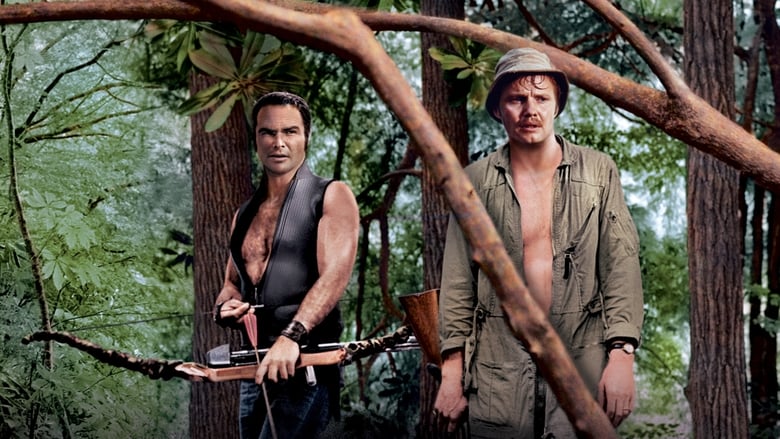
Deliverance
1972
-
The Poseidon Adventure
1972
-
Blow Out
1981
-

Murder by Death
1976
-
In the Heat of the Night
1967
-
A Bridge Too Far
1977
-
The Name of the Rose
1986
-
Clue
1985
-
Deep Red
1975
-
Blow-Up
1966
-
Marnie
1964
-

The Towering Inferno
1974
-
Escape from Alcatraz
1979