Assault on Precinct 13
"One night. No backup. Nowhere to run."

The sun is dipping below the Los Angeles skyline, and a blood oath is being sworn in the shadows. Four gang members, part of a collective known as Street Thunder, slice their hands and mingle their blood, vowing a "Cholo" war of total annihilation against the city. It’s a sequence that feels more like a ritualistic horror opening than a standard urban thriller, and it sets the stage for a film that treats its antagonists not as human beings with grievances, but as an encroaching, wordless tide of death.
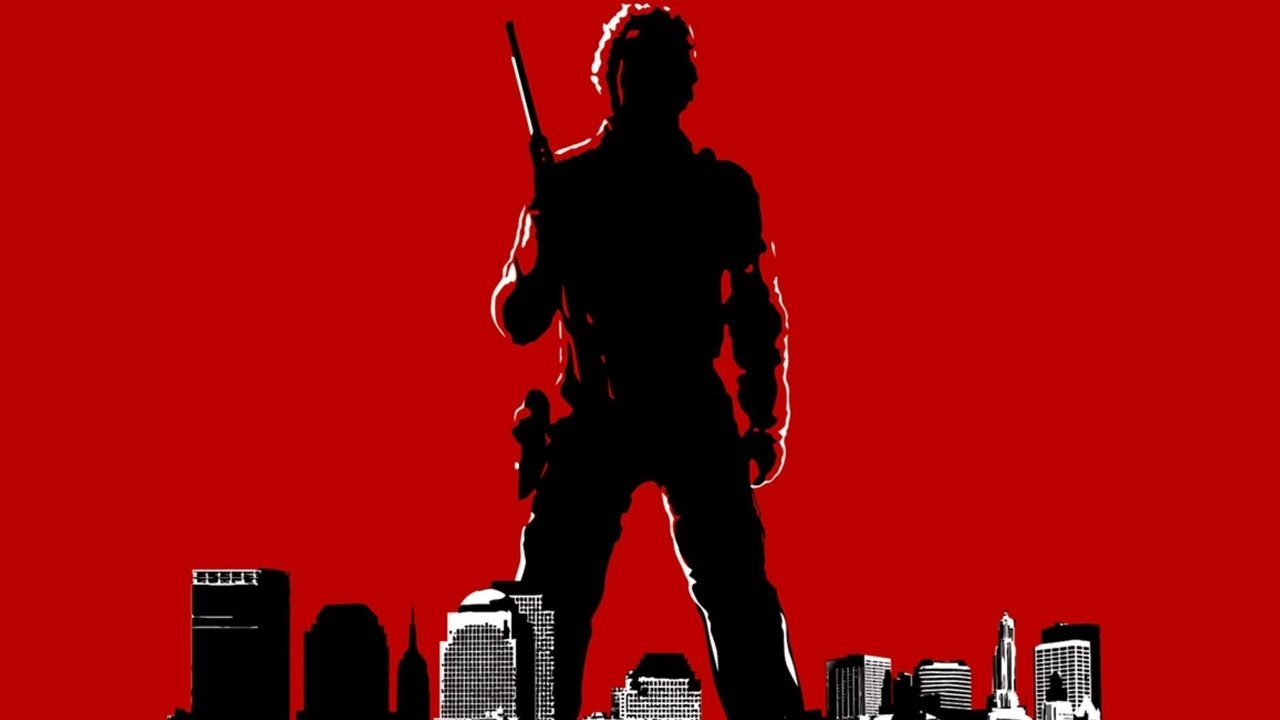
I sat down to revisit this on a Tuesday evening while wearing a pair of itchy wool socks that I eventually had to take off because the tension of the second-act shootout was making my feet sweat. There is something about John Carpenter’s 1976 breakthrough, Assault on Precinct 13, that refuses to let you stay comfortable. It’s a lean, mean, and remarkably cold piece of filmmaking that took the DNA of Howard Hawks' Rio Bravo and mutated it into a gritty, 70s nightmare.
Minimalist Mayhem on a Shoestring
Before he became the master of high-concept horror, John Carpenter was a guy with $150,000 and a dream to make a Western. Realizing that a period-accurate Western was financially impossible, he moved the setting to a crumbling, nearly abandoned police station in Anderson, a fictionalized, rough-and-tumble L.A. neighborhood. This budget-mandated pivot created one of the most effective "siege" environments in cinema history.
The production was the definition of an indie hustle. Carpenter didn’t just direct; he wrote the script, edited the film under the pseudonym "John T. Chance" (a nod to John Wayne’s character in Rio Bravo), and composed that legendary, earworm synth score. The music is a minimalist masterpiece—a driving, repetitive bassline that feels like a heartbeat accelerating under duress. It’s amazing how much heavy lifting a cheap synthesizer can do when the guy playing it knows exactly how to weaponize dread.
The film's visual language is equally disciplined. Douglas Knapp’s cinematography uses the dark corners of the defunct precinct to hide the sheer number of attackers. When the gang finally descends, they use silencers on their rifles. The silencers in this movie make the violence feel like a terrifying secret rather than a loud spectacle. There are no cinematic explosions or dramatic dying monologues; there is only the "thwip" of a bullet and the sound of glass shattering in a room where nobody can hear you scream.
The Coolest Convict in California
The heart of the film lies in the unexpected alliance between a rookie Highway Patrol officer, Ethan Bishop, played with steady grace by Austin Stoker, and a death-row inmate named Napoleon Wilson. As Wilson, Darwin Joston delivers one of the most underrated performances of the 1970s. He’s the ultimate "cool" antihero—laconic, effortlessly capable, and constantly asking for a cigarette he’s never allowed to finish.
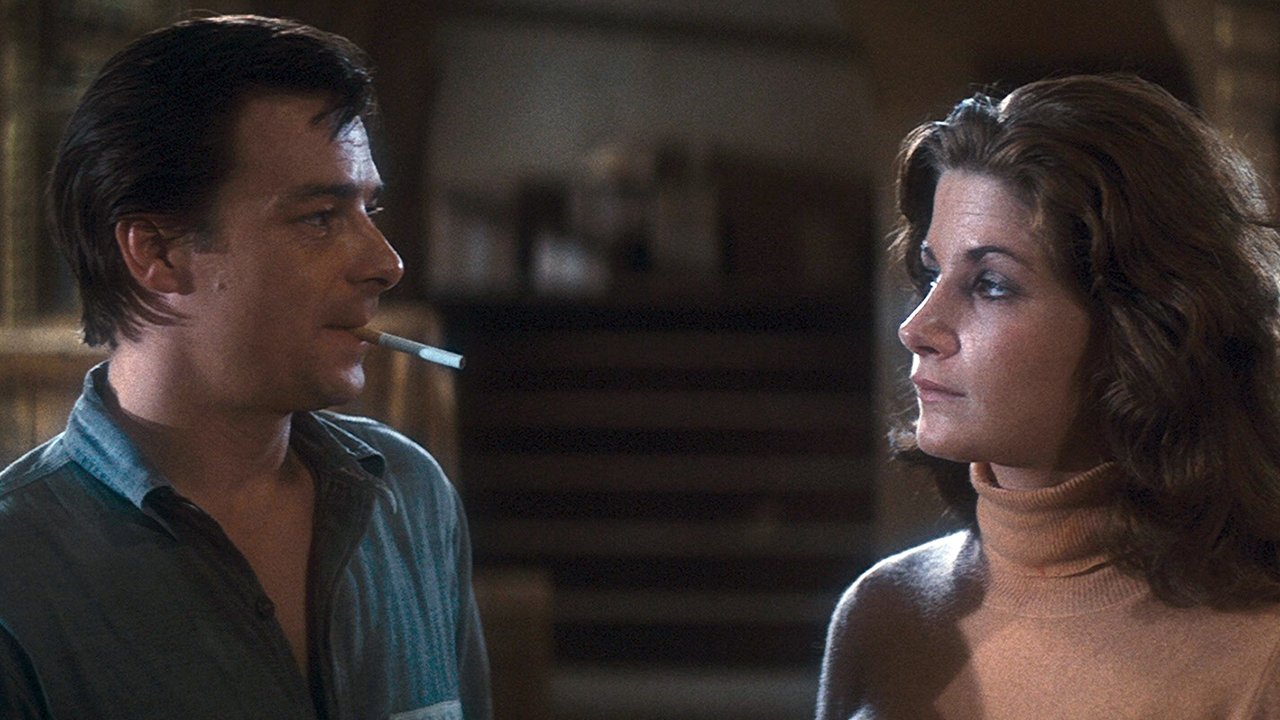
Watching Stoker and Joston size each other up while the world outside their walls turns into a shooting gallery is pure gold. They are joined by Laurie Zimmer as Leigh, a station secretary who possesses more steel in her spine than most modern action heroes. Zimmer plays Leigh with a deadpan, world-weary competence that perfectly matches the film’s grim tone. When she gets shot in the arm, she doesn't wail; she just gets back to work.
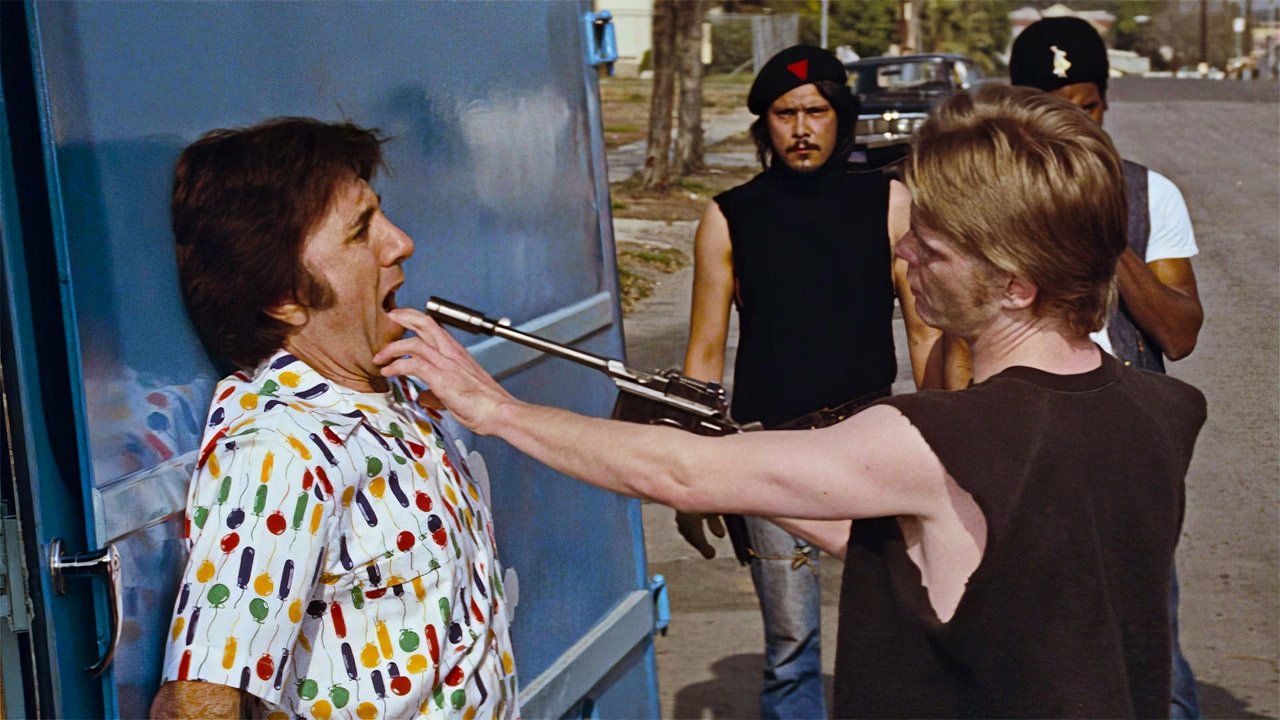
There is a specific moment involving an ice cream truck and a young girl (played by Kim Richards) that remains one of the most shocking beats in 70s cinema. It’s a sequence that violated every unspoken rule of Hollywood at the time, and it serves as a brutal mission statement: in this movie, no one is safe, and the villains have no moral compass. It’s the moment where you realize you aren't watching a standard cop flick; you’re watching a survival horror movie where the monsters just happen to wear denim jackets.
The VHS Legacy and Practical Grit
While Assault on Precinct 13 was a bit of a slow burn at the domestic box office, it exploded in the UK and eventually became a foundational text for the home video revolution. This was the kind of tape you’d find in the "Action" section of a local shop with a cover that promised a "white-hot night of hate." On a grainy CRT television, the film’s heavy shadows and low-budget textures actually look better—it adds a layer of grime that feels authentic to the crumbling L.A. setting.
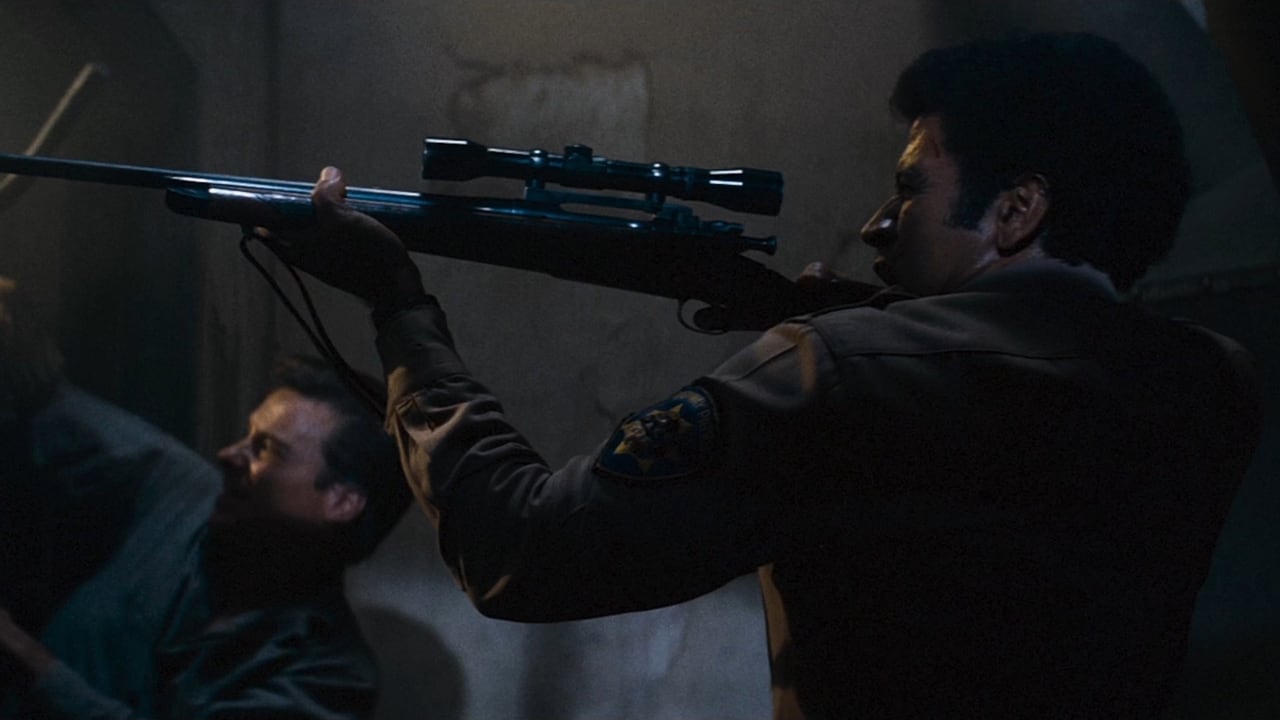
The practical effects here are a masterclass in making a little go a long way. The squib hits are messy, the stunts are performed with a reckless physicality, and the use of the environment—narrow hallways, crawlspaces, and a basement filled with flammable gas—shows a director who knows how to squeeze every ounce of tension out of four walls. Tony Burton, who would later find fame as Duke in the Rocky series, shows up as Wells, another prisoner who adds a desperate energy to the mix during a frantic "counting out" game to see who has to make a run for a car.
This isn't just an action movie; it’s a study in pacing. Carpenter understands that the silence between the gunfights is just as important as the noise. The way the gang members silently drag away their fallen comrades, leaving the street empty and hauntingly quiet after a skirmish, is a stroke of genius. It turns the enemy into something spectral and unstoppable.
Assault on Precinct 13 is a lean, 91-minute adrenaline shot that proves you don’t need a massive budget to create a classic. It’s a film that values atmosphere over exposition and character over catchphrases. John Carpenter created a blueprint here that he would refine just two years later with Halloween, but there is a raw, nihilistic energy in this L.A. siege that he never quite replicated. If you haven't seen it, dim the lights, turn up the bass, and prepare for a night where the shadows are very much alive.
Keep Exploring...
-

Halloween
1978
-

They Live
1988
-
Dirty Harry
1971
-
The French Connection
1971
-
The Fog
1980
-
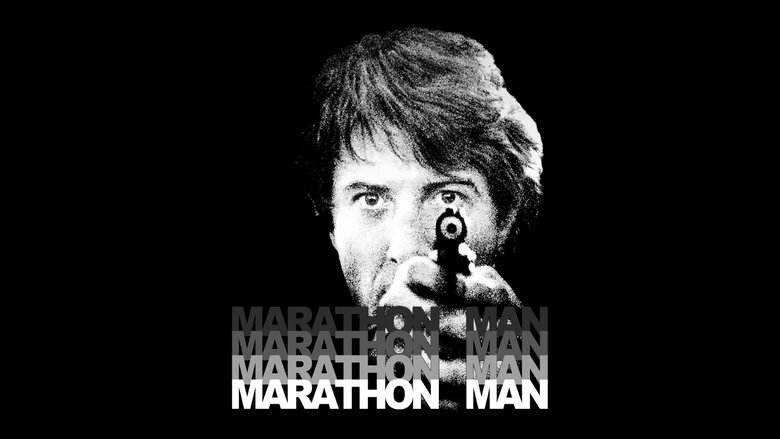
Marathon Man
1976
-

Escape from New York
1981
-
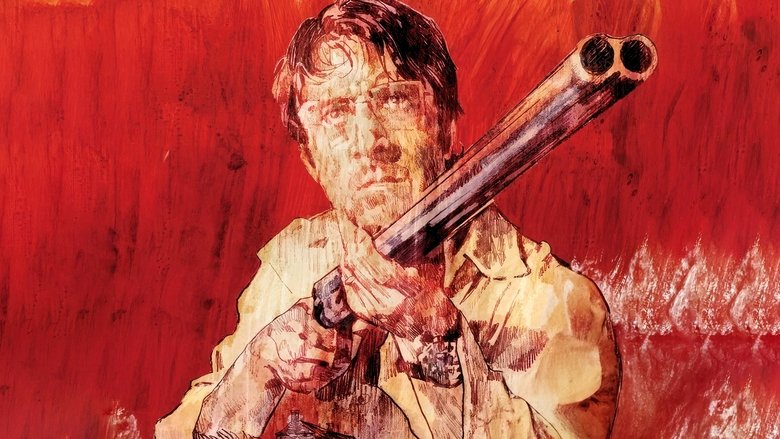
Straw Dogs
1971
-
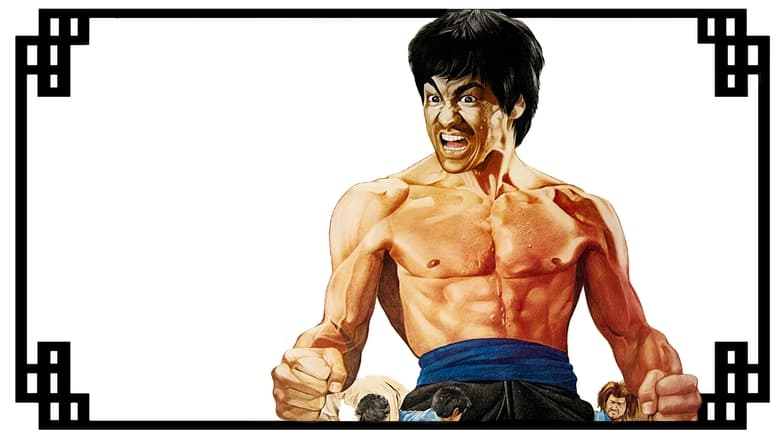
Fist of Fury
1972
-
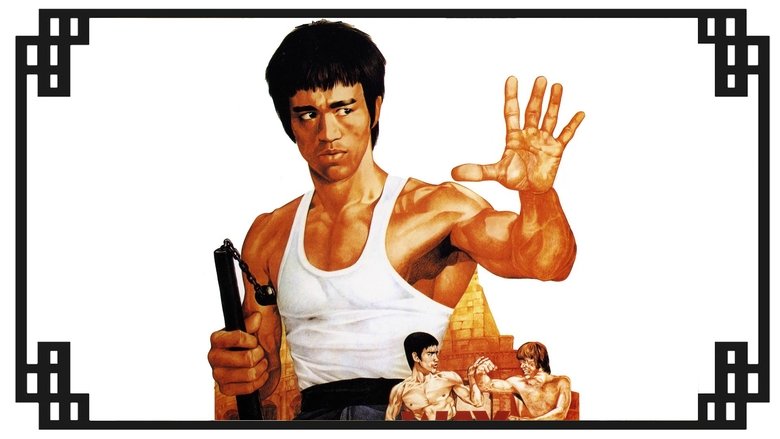
The Way of the Dragon
1972
-
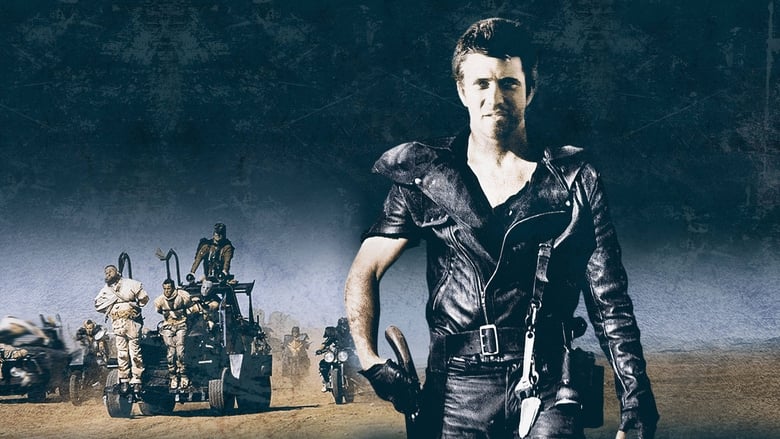
Mad Max 2
1981
-
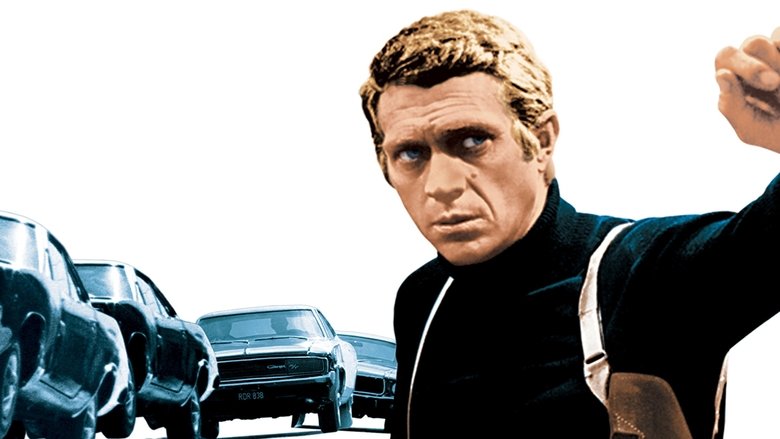
Bullitt
1968
-
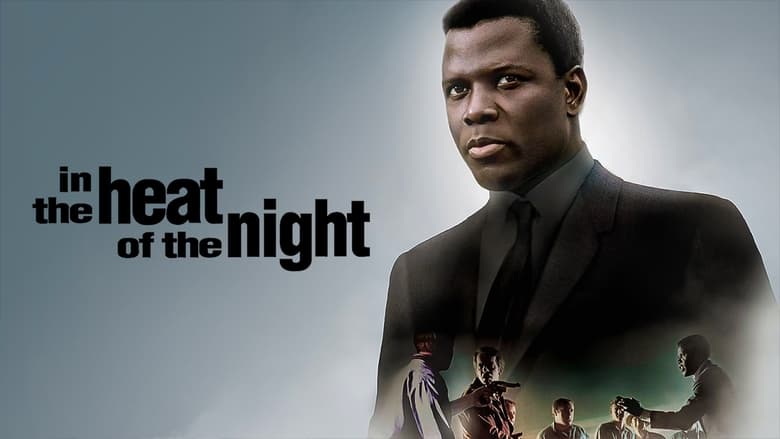
In the Heat of the Night
1967
-
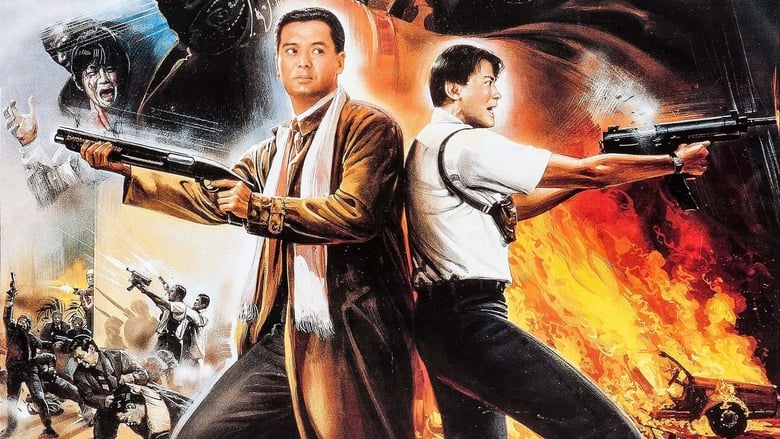
The Killer
1989
-
From Russia with Love
1963
-
Duel
1971
-
Dog Day Afternoon
1975
-
The Warriors
1979
-
Felon
2008
-

Blood and Bone
2009