Carrie
"Hell hath no fury like a prom queen scorned."
I first watched Brian De Palma’s Carrie on a flickering CRT television while eating a cold slice of leftover pepperoni pizza that had gone stiff around the edges, and somehow, that greasy saltiness matched the film’s grime perfectly. There is something about the 1970s aesthetic—that hazy, soft-focus lens paired with sudden, jarring violence—that makes the experience feel less like watching a movie and more like witnessing a suppressed memory.
While many categorize this as a simple "slasher" or "supernatural horror," it’s actually a Shakespearean tragedy dressed in a powder-blue tuxedo. It’s a film about the catastrophic failure of empathy. When I revisit it, I’m always struck by how De Palma balances the dreamlike, almost voyeuristic beauty of the opening scenes with the suffocating religious mania of the White household. It’s a tonal tightrope walk that shouldn't work, yet it remains one of the most effective pieces of New Hollywood cinema ever produced.
The Architecture of Isolation
The film hinges entirely on Sissy Spacek. Before she was the "Prom Queen of Terror," she was a masterclass in physical vulnerability. The way she hunches her shoulders, her wide-eyed terror in the locker room, and her desperate attempts to find a shred of normalcy are heartbreaking. Spacek famously campaigned for the role, showing up to the audition with Vaseline in her hair and an old sailor dress her mother made her. That raw, unpolished energy is what makes her eventual transformation so earned.
In stark contrast, Piper Laurie as Margaret White provides the film’s terrifying moral weight. Her performance is a gothic nightmare. Every time she appears on screen, the air seems to leave the room. It’s not just the religious fanaticism; it’s the way she weaponizes guilt. The scene in the "prayer closet"—a cramped, candle-lit purgatory filled with weeping icons—is arguably scarier than anything that happens at the prom. Piper Laurie plays the role with such terrifying conviction that you almost believe she thinks she’s the hero of the story, saving her daughter from a "sinful" world.
Then you have the high schoolers. John Travolta, fresh-faced and playing a total scumbag as Billy Nolan, is a revelation of pure, unadulterated meatheadedness. Billy Nolan is basically a sentient leather jacket with a lobotomy, and Nancy Allen plays his counterpart, Chris Hargenson, with a level of spite that makes you wonder if she was born without a soul. They are the perfect villains because their cruelty feels so mundane and believable.
Practical Magic and Corn Syrup Nightmares
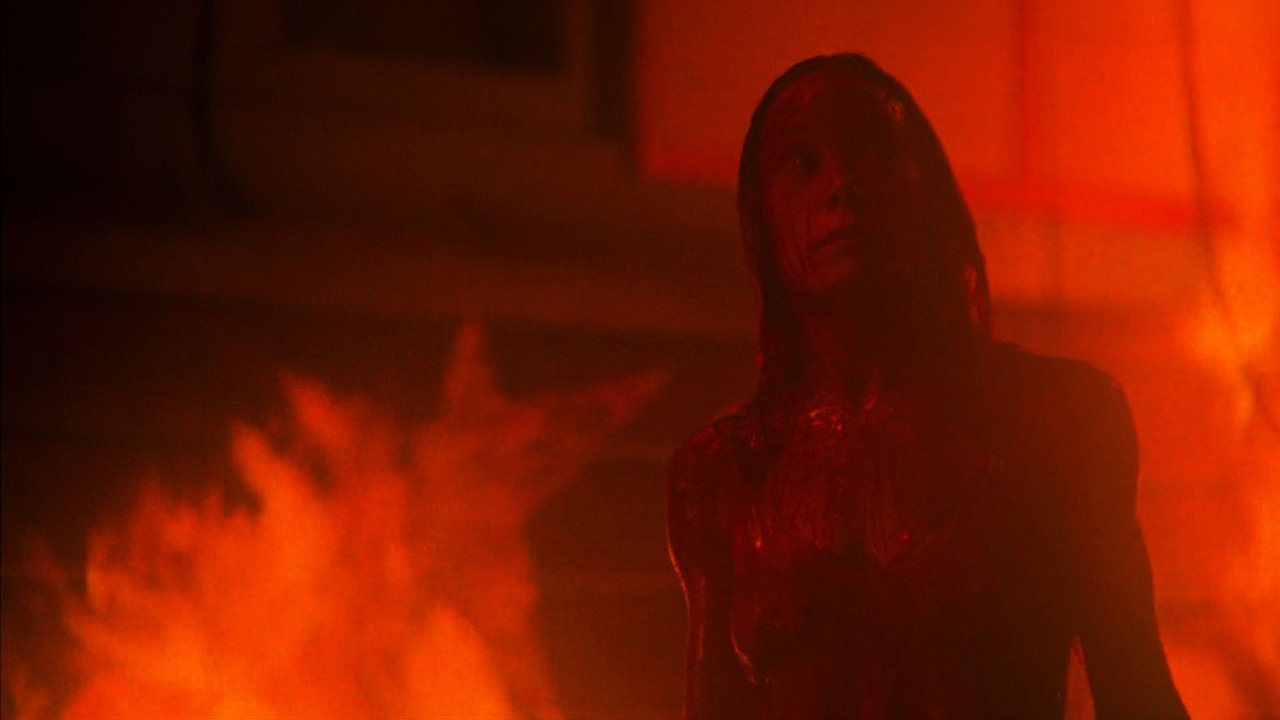
When we talk about the "Golden Age of Practical Effects," Carrie stands as a monument to what you can achieve with clever editing and a whole lot of corn syrup. The climax at the prom is legendary for its use of split-screen, a Brian De Palma signature. At the time, critics were divided on it, but I find it brilliant. It allows us to see the dual reality of the moment: the chaos of the fire and the frozen, wide-eyed shock of the students.
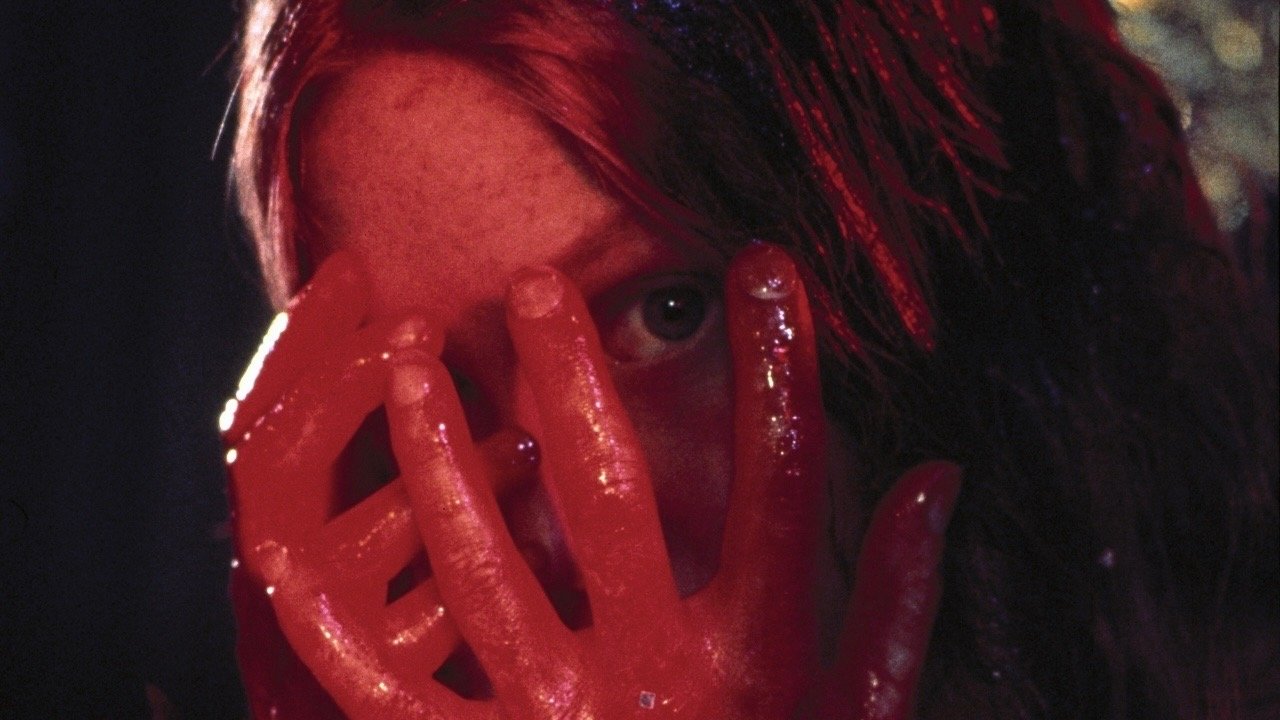
The "blood" used in the iconic bucket scene was actually a mixture of Karo syrup and food coloring. Because the hot stage lights would cause the syrup to harden and stick to Sissy Spacek’s skin, she had to be hosed down constantly. Spacek, being a true professional, insisted on staying in the sticky, red mess for days to ensure continuity. That dedication pays off; the blood doesn't look like a prop. It looks heavy, wet, and final.
The fire effects, handled by a crew working with far fewer safety regulations than we see today, were genuinely dangerous. During the filming of the school’s destruction, the heat was so intense that it started to melt the camera lenses. This wasn't a digital "add-in." Those actors were reacting to real heat and real walls of flame. It gives the finale a weight that modern CGI just can’t replicate. You feel the scorched air in your own lungs.
A Legacy Forged in Pig's Blood
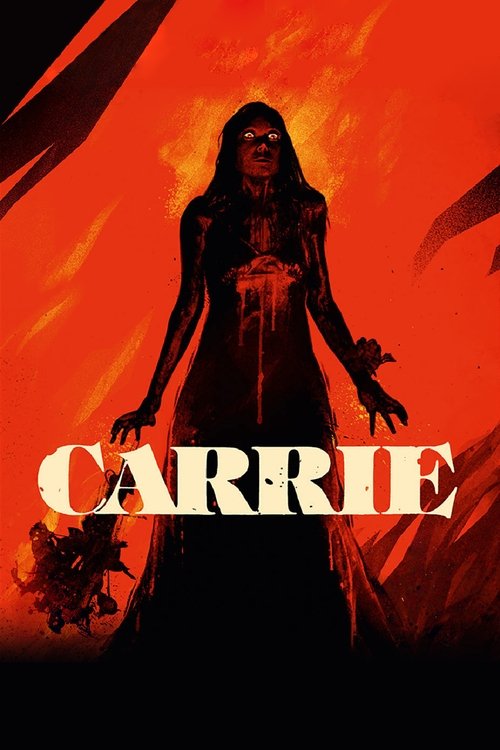
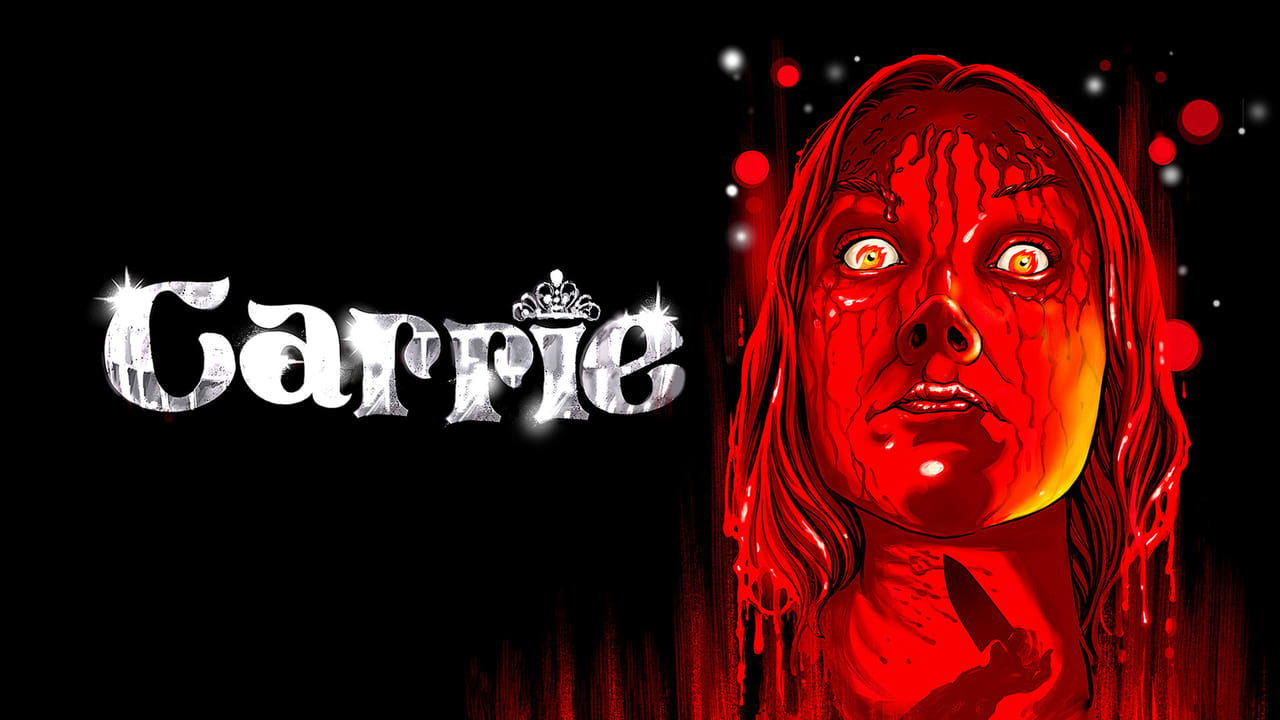
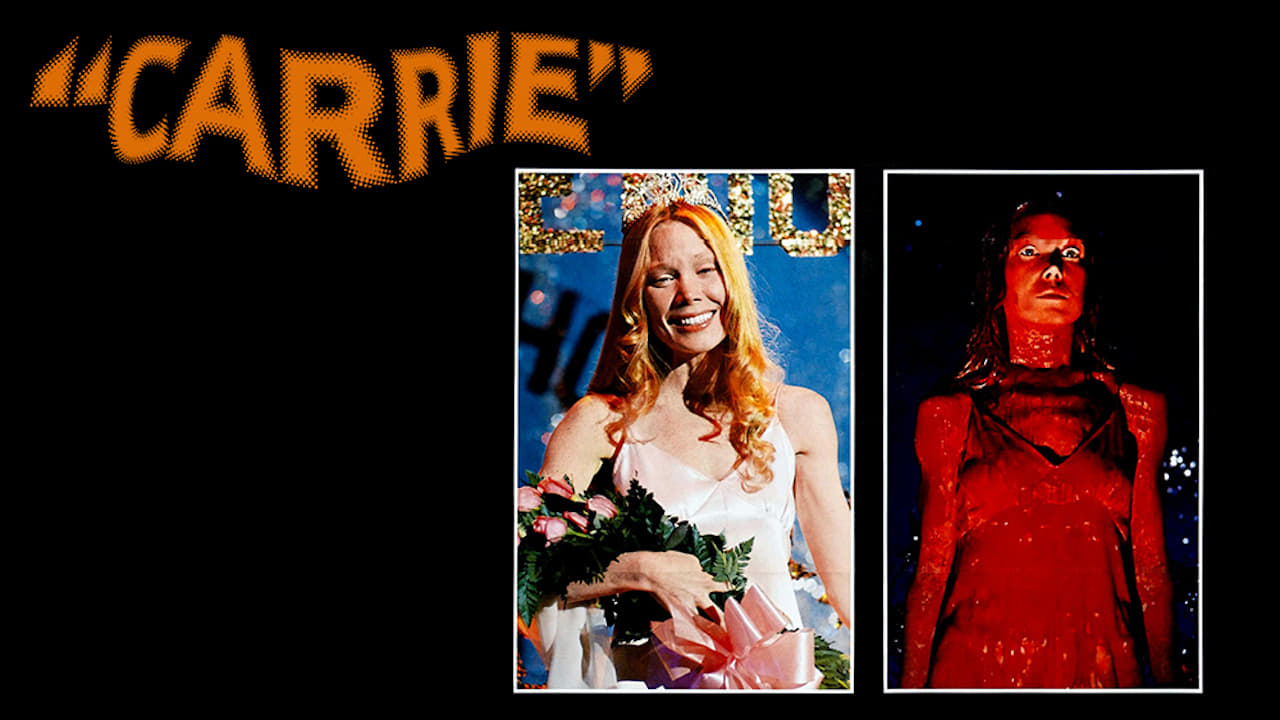
Carrie didn’t just scare people; it changed how we viewed the "teen" movie. It took the anxieties of puberty and the social hierarchy of high school and treated them with the gravity of a war film. For the VHS generation, the box art was a rite of passage. I remember staring at that cover in the local video store—the image of Sissy Spacek drenched in red, her eyes glowing with a terrifying, blank intensity. It promised something the film actually delivered: a horror movie that cares about its victim.
The score by Pino Donaggio is the secret weapon here. It begins with these lush, romantic strings that wouldn't feel out of place in a 1950s melodrama, which only makes the descent into dissonant, screeching strings during the prom slaughter more effective. It’s a sonic bait-and-switch.
By the time we reach the final jump scare—a moment that reportedly caused audiences in 1976 to scream so loud they couldn't hear the credits—the film has earned its place in history. Brian De Palma didn't just make a movie about a girl with telekinesis; he made a movie about the breaking point of the human spirit. It is grim, it is beautiful, and it remains the gold standard for Stephen King adaptations.
Carrie is a rare horror film that manages to be both an exploitation masterpiece and a deeply moving character study. It captures a specific 1970s brand of nihilism, where the "good" people (like Amy Irving's Sue Snell or William Katt's Tommy Ross) are punished just as harshly as the wicked. It’s a haunting reminder that some wounds never truly heal—they just wait for the right moment to explode. If you haven't seen it, or if you've only seen the lackluster remakes, do yourself a favor and go back to the source. Just maybe skip the pepperoni pizza.
Keep Exploring...
-

Halloween
1978
-
Dressed to Kill
1980
-
Blow Out
1981
-
What Ever Happened to Baby Jane?
1962
-
The Birds
1963
-
Night of the Living Dead
1968
-
Peeping Tom
1960
-

Repulsion
1965
-
The Omen
1976
-
The Untouchables
1987
-

Halloween II
1981
-

Frenzy
1972
-
Jaws
1975
-
The Shining
1980
-
Dirty Harry
1971
-
The Texas Chain Saw Massacre
1974
-
Assault on Precinct 13
1976
-
Eraserhead
1977
-

Invasion of the Body Snatchers
1978
-

The Evil Dead
1981