Logan's Run
"The future is a party, and your invite expires at thirty."

The 23rd century, as imagined in 1976, looks suspiciously like a high-end Dallas shopping mall filled with people who have never seen a wrinkle or a grey hair. It is a world of flowing silk robes, translucent plastic furniture, and a pervasive sense of "disco-fever" dystopianism. Before Star Wars arrived a year later to make the future look "lived-in" and grimy, Logan’s Run gave us a future that was meticulously polished, air-conditioned, and utterly terrified of the number 30.
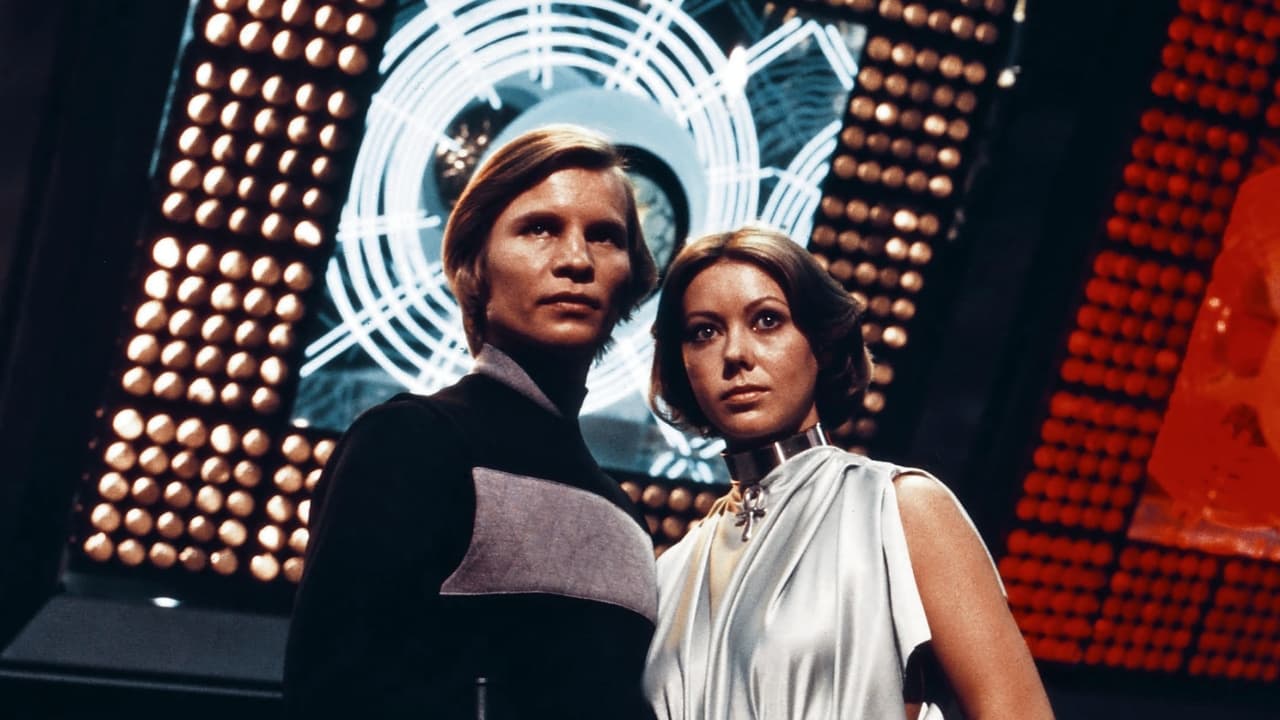
I revisited this one on a humid Tuesday evening while nursing a bowl of slightly stale pretzel sticks and battling a drafty window that kept whistling in the key of C-sharp. There’s something about the hum of 70s electronics and the saturated color palette of Technicolor’s final years that makes a drafty apartment feel like a pressurized survival pod. It’s a film that demands you lean into its specific, wonderful artifice.
The Mall at the End of the Universe
Director Michael Anderson (Around the World in 80 Days) captures a very specific moment in sci-fi history where "the future" meant giant miniatures and sprawling physical sets. Most of the city interiors were filmed at the Dallas Market Center, and the sheer scale of the place is impressive even today. There’s no CGI to lean on here; when you see Michael York sprinting across a massive plaza, he’s actually there.
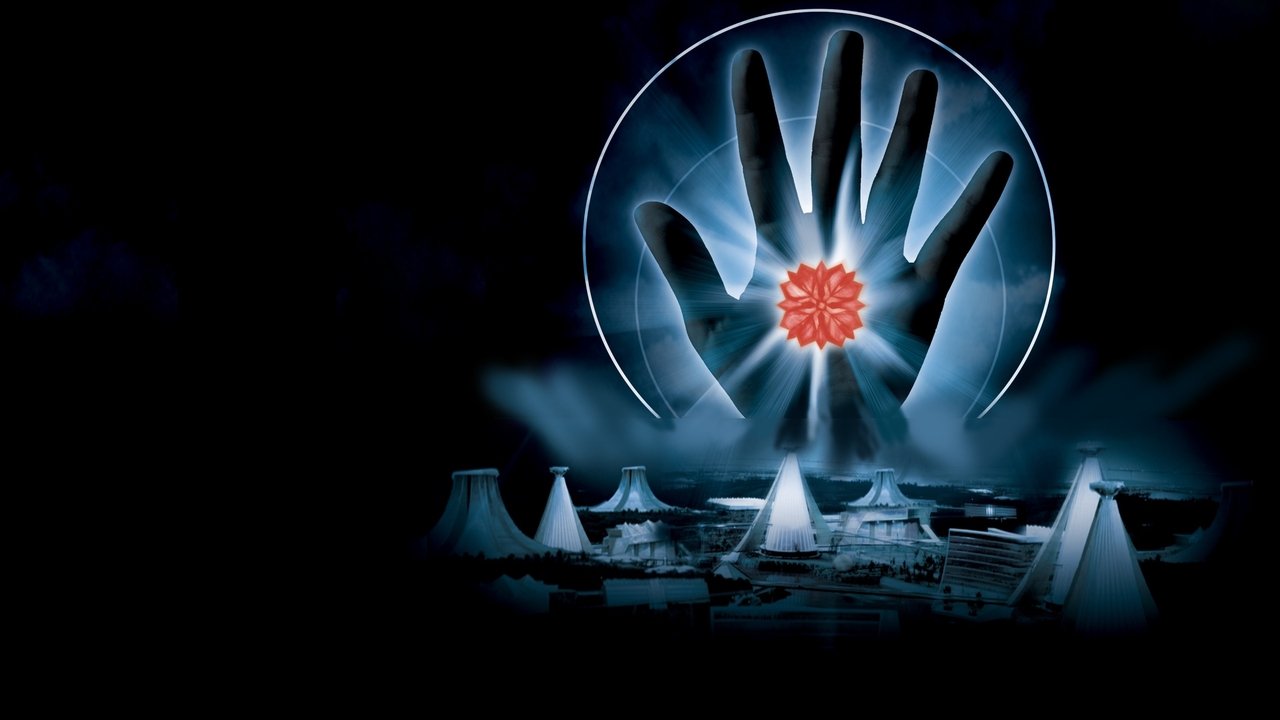
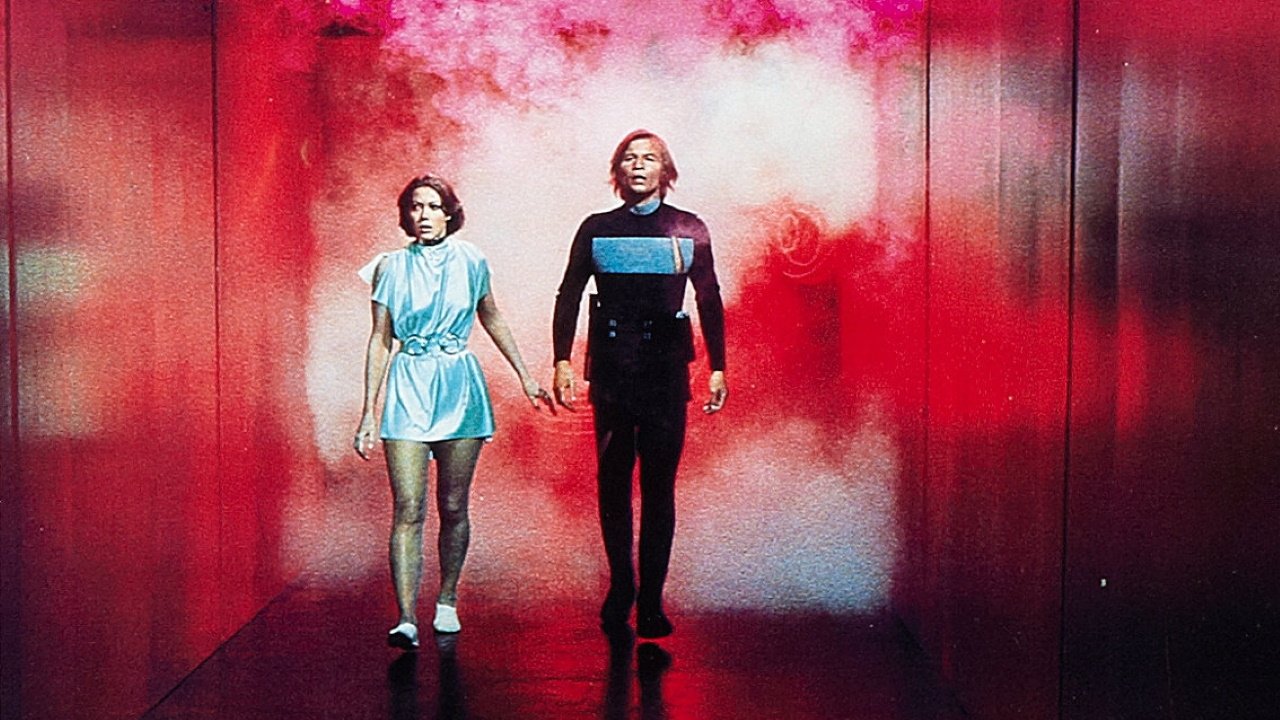
The premise is a high-concept classic: in a domed city where resources are finite, life ends at 30. You can go "Renew" in a ritual called Carrousel—which involves floating toward the ceiling and exploding in a shower of sparks while a crowd of 20-somethings cheers—or you can run. Michael York plays Logan 5, a "Sandman" whose job is to hunt down those who choose the latter. When the city’s central computer tasks him with finding "Sanctuary," a fabled escape point, it artificially ages his Lifeclock (a glowing crystal embedded in the palm) to terminal red, forcing him to become the very thing he hunts.
Michael York brings a perfect, slightly naive intensity to Logan. He’s joined by Jenny Agutter (An American Werewolf in London) as Jessica, who provides the emotional core the film desperately needs. Their chemistry is charmingly earnest, even when they’re dodging green laser fire in outfits that look like they were raided from a futuristic aerobicize class.
Lasers, Spandex, and the Death of Youth
The action in Logan’s Run is a fascinating blend of 70s stunt work and experimental practical effects. The "Sandman" weapons—the Deep Sleep pistols—don't just shoot light; they trigger actual pyrotechnic pops on the sets. There’s a weight to the chases because the actors are physically climbing through massive, dripping water-treatment plants and clambering over real machinery.
One of the standout sequences involves "Box," a robot guardian in the frozen wastes outside the city. Roscoe Lee Browne provides the voice for Box, who is essentially a chrome-plated refrigerator with the ego of a Shakespearean actor. The suit, worn by a performer, is a masterpiece of clunky, pre-digital practical effects. It’s absurd, yes, but there’s a physical presence to it that a digital creature just can't replicate. You can feel the cold of the "ice" cave (mostly foam and foil) and the genuine danger of the crumbling miniatures.
The film's pacing is classic "New Hollywood"—it takes its time. It’s not a non-stop adrenaline ride, but rather a slow build-up of tension as Logan realizes his entire reality is a beautifully gilded cage. The transition from the claustrophobic dome to the overgrown ruins of Washington D.C. is handled with a sense of awe, aided immensely by Ernest Laszlo's cinematography and a score by Jerry Goldsmith (Planet of the Apes). Goldsmith’s work here is brilliant, using harsh, pulsating synthesizers for the city and transitioning into a lush, traditional orchestra once our heroes reach the outside world.
The Pre-Star Wars Spectacle
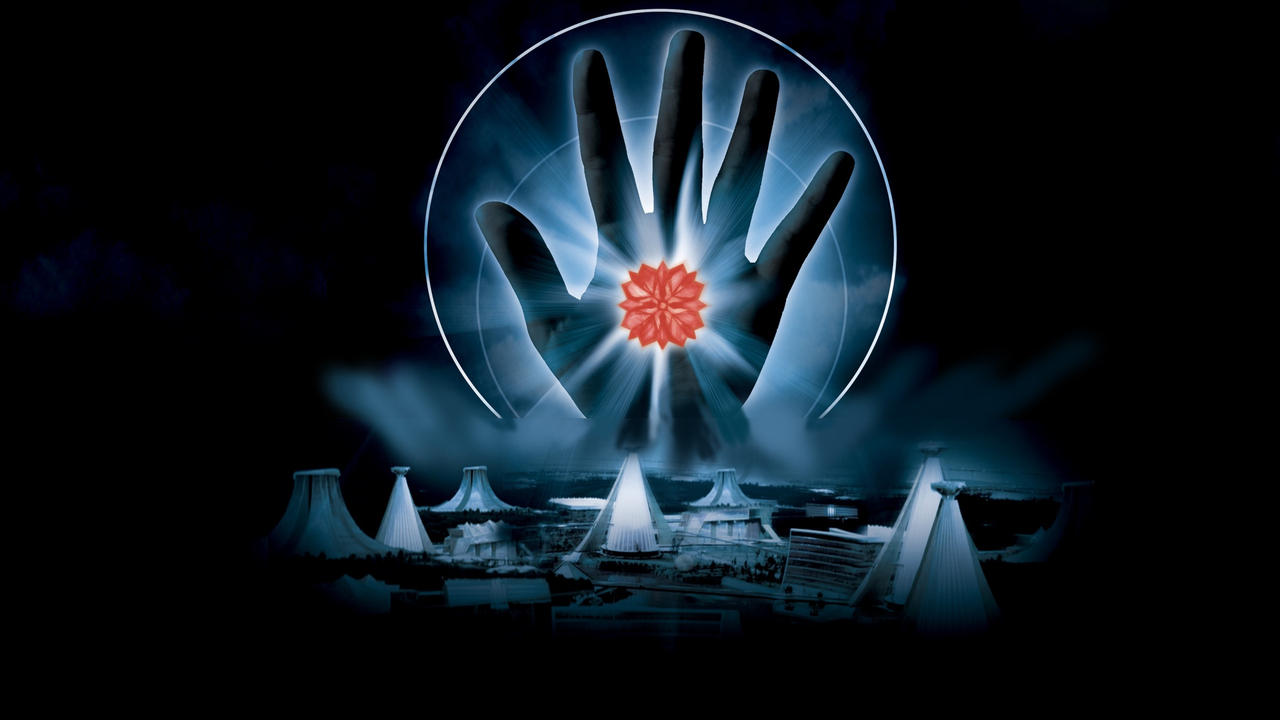
It’s easy to see why Logan's Run became a cult staple in the VHS era. If you grew up in the 80s, the MGM/UA big-box rental was a fixture on the sci-fi shelf, usually nestled between Soylent Green and Westworld. The cover art—a lone hand reaching out from a cracked dome—promised a high-stakes adventure that the film actually delivers, even if the "future" it predicted feels more like a retro-futurist fever dream today.
The movie lost its mainstream foothold largely because Star Wars changed the visual language of the genre so drastically just twelve months later. Logan’s Run was the last gasp of the "Clean Future," where everything was made of Plexiglass and spandex. However, it deserves a spot in your rotation for its sheer ambition. It’s a film about the terror of aging, released at a time when Hollywood was being taken over by a "Brat Pack" of young directors.
Special mention must go to Peter Ustinov as the "Old Man." His performance is a breath of fresh air in the final act, providing a senile, cat-obsessed counterpoint to the sterile perfection of the city. Watching him interact with Michael York is a reminder that the film is ultimately about the value of a life lived to its natural end, wrinkles and all. It’s a message that feels even more relevant in our current era of digital filters and age-erasing apps.
Logan's Run is a vibrant, occasionally campy, but deeply sincere slice of 70s speculative fiction. It captures a turning point in cinema where big-budget practical effects were pushed to their absolute limit. While some of the blue-screen work and the "Carrousel" wire-work might look quaint to modern eyes, the core story of two people running for their lives against a literal ticking clock remains genuinely compelling. It’s a trip to a future that never happened, and I’m glad we have the footage to prove how stylish we thought the end of the world would be.

Keep Exploring...
-
Flash Gordon
1980
-
Escape from the Planet of the Apes
1971
-
Conquest of the Planet of the Apes
1972
-
Battle for the Planet of the Apes
1973
-
Star Trek III: The Search for Spock
1984
-
Innerspace
1987
-

Masters of the Universe
1987
-

Escape from New York
1981
-
Dune
1984
-

Superman
1978
-
Moonraker
1979
-

Superman II
1980
-
Marathon Man
1976
-

The Enforcer
1976
-
Stripes
1981
-
Tron
1982
-

Predator
1987
-
The Running Man
1987
-
Star Trek V: The Final Frontier
1989
-
Mad Max
1979