Marathon Man
"Run for your life. Run for your teeth."
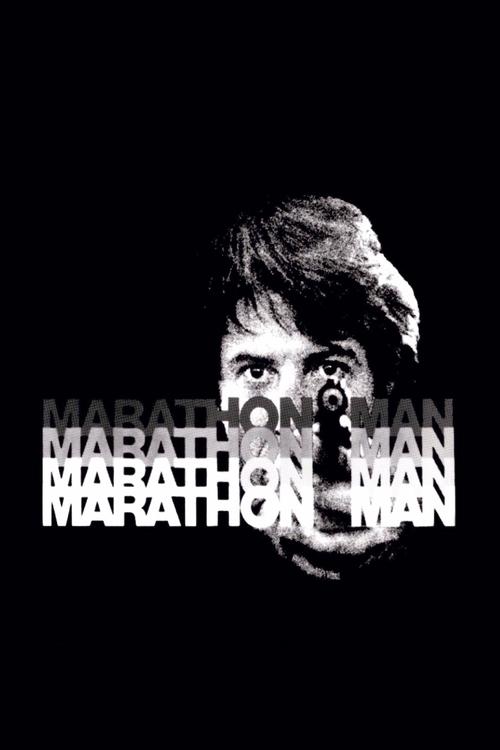
There is a specific, high-pitched whine that exists only in the nightmares of anyone who saw Marathon Man at an impressionable age. It’s the sound of a dental drill, and in the hands of John Schlesinger, it becomes more terrifying than a chainsaw or a masked slasher. In 1976, this wasn't just another thriller; it was a cold, calculated exercise in paranoia that took the grit of New York City and injected it with the lingering trauma of the 20th century’s darkest corners.

I watched this most recently on a humid Tuesday evening while eating a bag of overly salted pretzels. Midway through the film's infamous centerpiece, one of those pretzels hit a sensitive molar, and for a second, I wasn't just watching a movie—I was living it. That’s the power of this film; it makes your own body feel like a liability.
NYC Grit and the Sweat of Paranoia
The film opens in a New York that feels like it’s rotting from the inside out. This isn't the sanitized, postcard version of the city; it’s the soot-stained, garbage-strewn landscape that defined 70s cinema. Dustin Hoffman stars as Thomas "Babe" Levy, a PhD student obsessed with running and the shadow of his father’s suicide during the McCarthy era. Babe is an innocent, or at least he thinks he is, until his brother Doc (Roy Scheider) rolls into town.
Roy Scheider is magnetic here. Coming off the success of Jaws (1975), he brings a weary, lethal elegance to Doc, a man who claims to be an oil executive but is actually a courier for a shadowy government group called "The Division." The early action sequences, particularly the escalating tension of a high-stakes car chase in Paris and a silent, deadly encounter in a hotel room, are masterclasses in pacing. Schlesinger doesn't rely on explosions; he relies on the mounting realization that the world is much larger and more dangerous than Babe ever imagined.
The White Angel of the Dentist's Chair
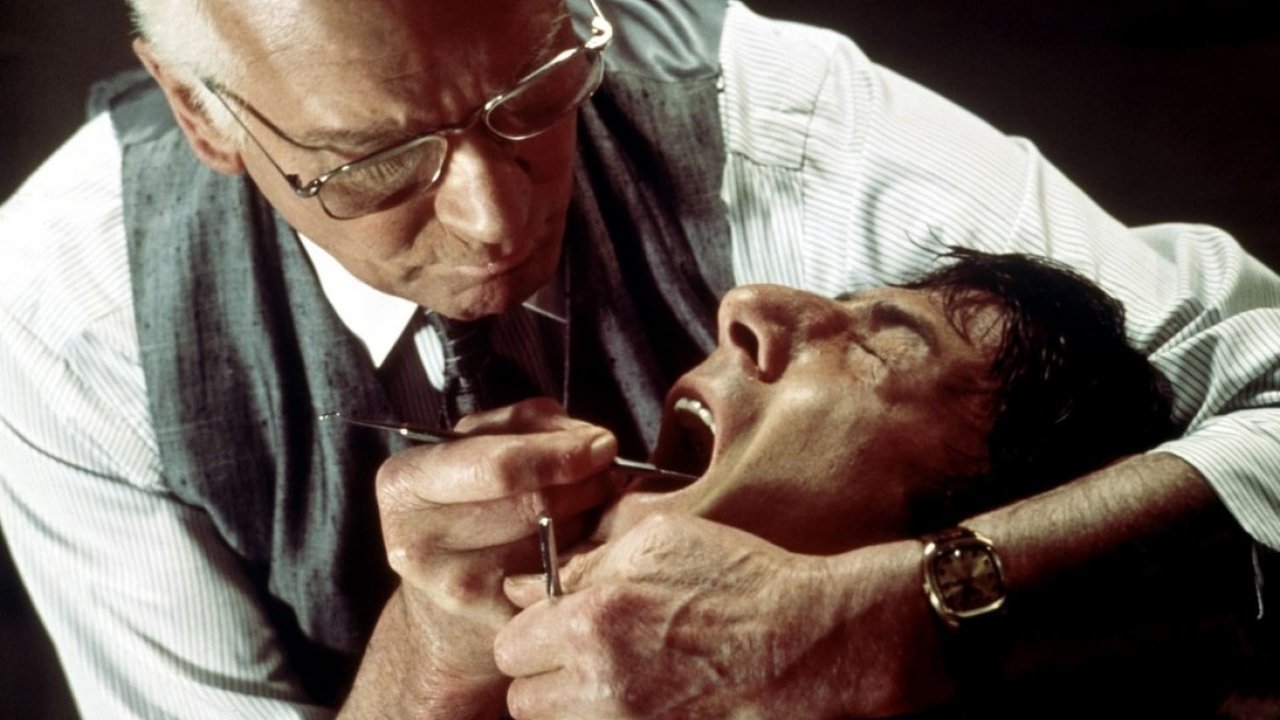
Then, we have Dr. Christian Szell. If you want to know why Laurence Olivier is considered one of the greatest to ever do it, look no further than his portrayal of the "White Angel" of Auschwitz. Szell is a Nazi war criminal who has crawled out of hiding in South America to retrieve a cache of diamonds in New York. Olivier plays him with a chilling, grandfatherly precision. He isn’t a mustache-twirling villain; he’s a man who views human pain as a mere technical hurdle.
The "Is it safe?" sequence remains one of the most effective scenes in action-thriller history because it weaponizes something we all fear: the loss of bodily autonomy. There are no stunts or gunfights in that scene, just two men and a set of dental tools. Hoffman’s Babe is essentially the world’s most stressed-out grad student who forgot to study for a quiz on survivalism, and his frantic, breathless performance—famously achieved by staying awake for days to look properly haggard—contrasts perfectly with Olivier’s icy calm.
When the action does spill out into the streets, it feels desperate and physical. The sight of Dustin Hoffman sprinting through the night in his underwear, feet hitting the pavement with a rhythmic slap, is more pulse-pounding than most modern CGI-heavy chases. It’s practical filmmaking at its peak; you can feel the cold air in his lungs and the lactic acid in his legs.
A Script That Cuts Like a Scalpel
The screenplay by William Goldman (who also wrote All the President's Men and The Princess Bride) is a marvel of clockwork plotting. It’s a dense web of double-crosses involving William Devane’s Janeway and Marthe Keller’s Elsa, a woman who brings a fragile, suspect beauty to the proceedings. The film captures that specific mid-70s cynicism where you couldn't trust the government, your family, or even the person in your bed.
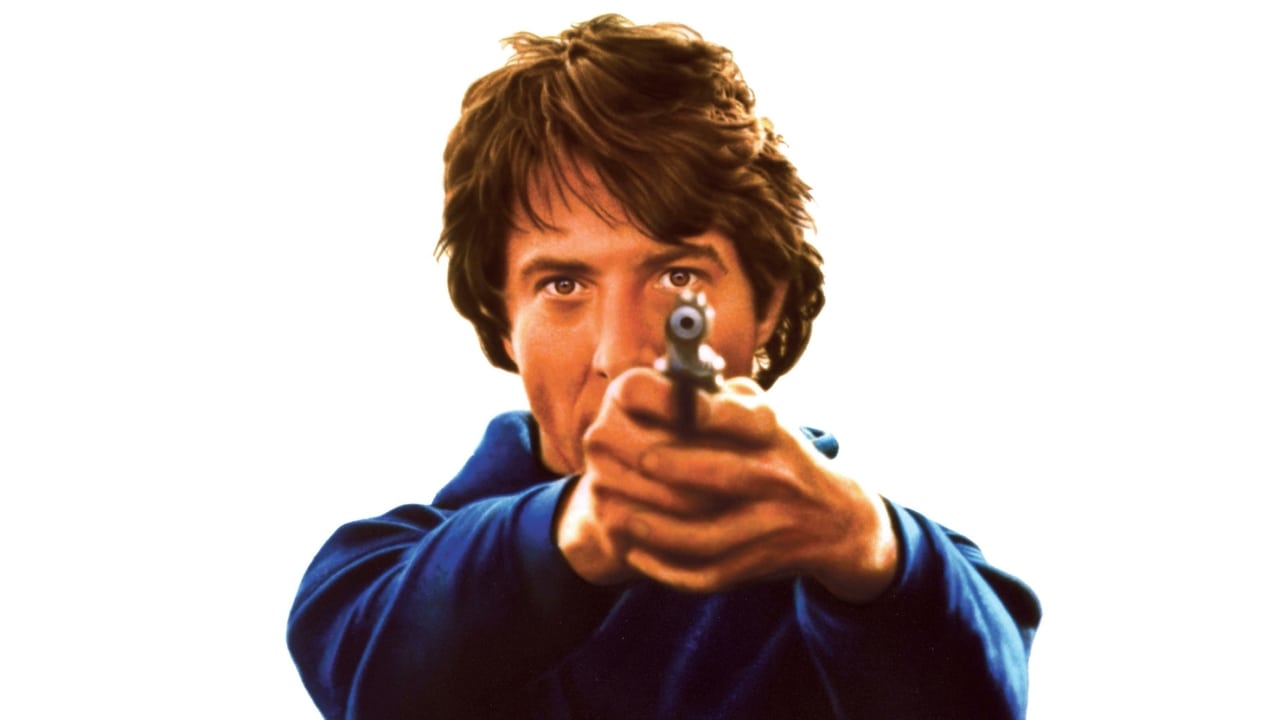
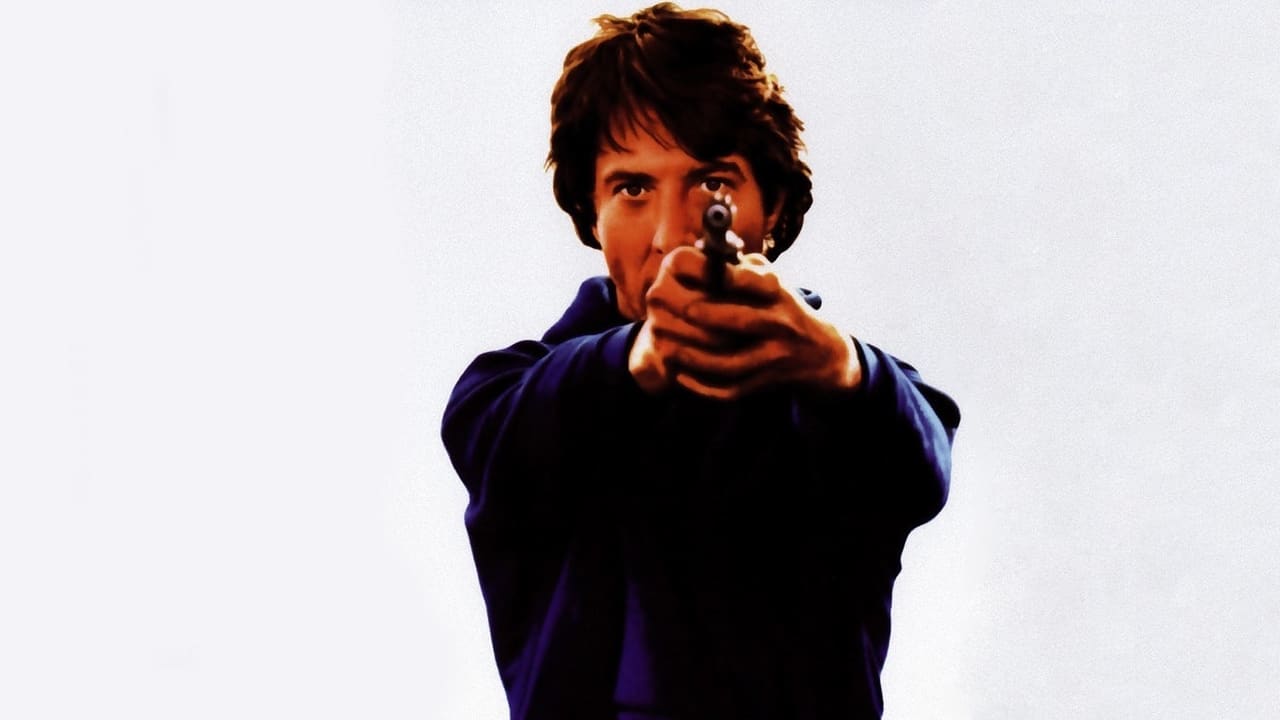
On home video, Marathon Man became a staple of the early VHS era. I remember the Paramount "Big Box" version with the high-contrast image of Olivier’s face and the silhouette of the runner. It was the kind of tape you’d see in a rental store and know, just by the cover, that it was going to leave a mark. It was a movie that benefited from the intimacy of the living room; the claustrophobia of the torture scenes felt even tighter when watched on a small CRT screen in a dark room.
The final confrontation at the Central Park Reservoir brings the running motif full circle. It’s a quiet, atmospheric climax that trades a traditional shootout for a psychological standoff involving a fistful of diamonds and a very long fall. It reminds us that while Babe can run, he can’t ever truly outpace the history that birthed him.
Marathon Man is a rare thriller that manages to be both a high-octane chase movie and a somber reflection on historical trauma. It’s a film that demands your attention and rewards it with some of the most iconic performances of the New Hollywood era. Even if it makes you schedule a dental checkup out of sheer anxiety, it’s a journey worth taking. Just maybe skip the salty snacks while you watch.

Keep Exploring...
-
The Killer
1989
-

Magnum Force
1973
-
Straw Dogs
1971
-
All the President's Men
1976
-
Bullitt
1968
-
Mississippi Burning
1988
-
The French Connection
1971
-
Chinatown
1974
-

The Towering Inferno
1974
-
Blood Simple
1985
-
Bound by Honor
1993
-
Undisputed II: Last Man Standing
2006
-
United 93
2006
-
Le Samouraï
1967
-
Dirty Harry
1971
-
Dog Day Afternoon
1975
-
Assault on Precinct 13
1976
-
Lock Up
1989
-
Infernal Affairs
2002
-
The Protector
2005