Murder by Death
"Five legendary detectives, one fatal dinner, and zero survivors."

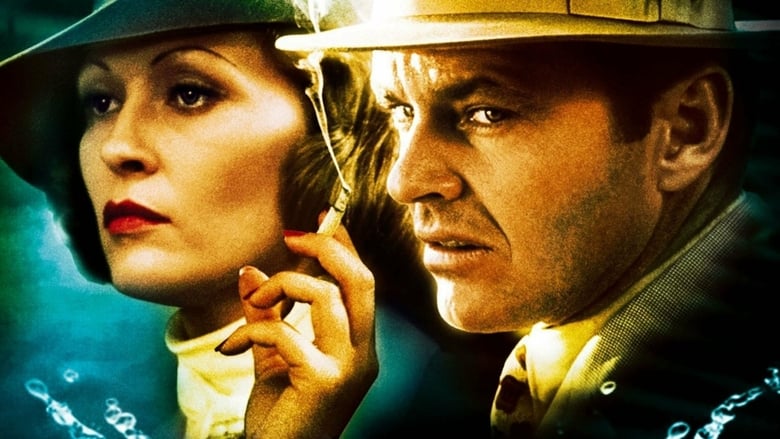
The fog rolling across the damp California pavement in the opening of Murder by Death feels less like a stylistic choice and more like a shroud. By 1976, the Golden Age of the detective—the refined, tea-sipping, logic-bound investigator—was essentially on life support. The "New Hollywood" era had ushered in the grit of The French Connection and the cynicism of Chinatown. Into this landscape, screenwriter Neil Simon and director Robert Moore dropped a gothic mansion full of relics, effectively locking the history of the mystery genre in a room and turning on the gas.
I watched this recently while nursing a cup of oolong tea that was just a few degrees too hot, causing me to wince in rhythm with James Coco’s various culinary outbursts. It’s a strange, claustrophobic experience that manages to be both a riotous farce and a surprisingly biting critique of how we consume crime fiction.
The Death of the Gentleman Sleuth
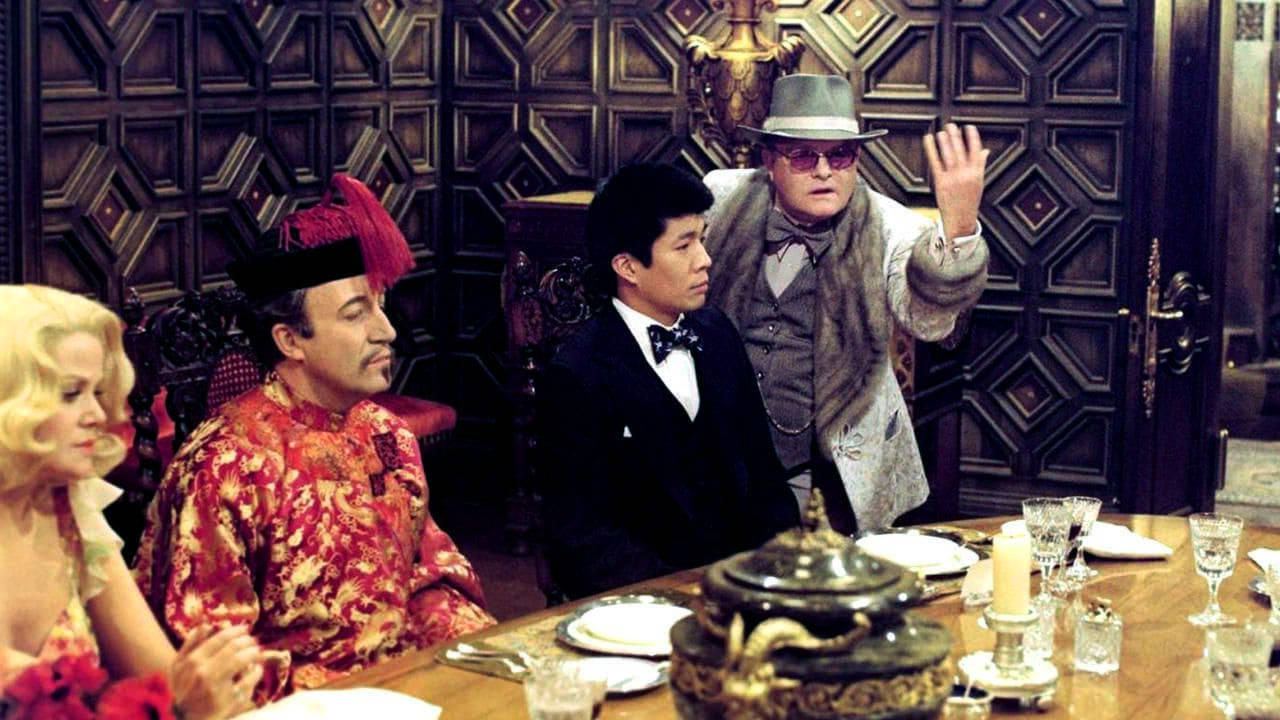
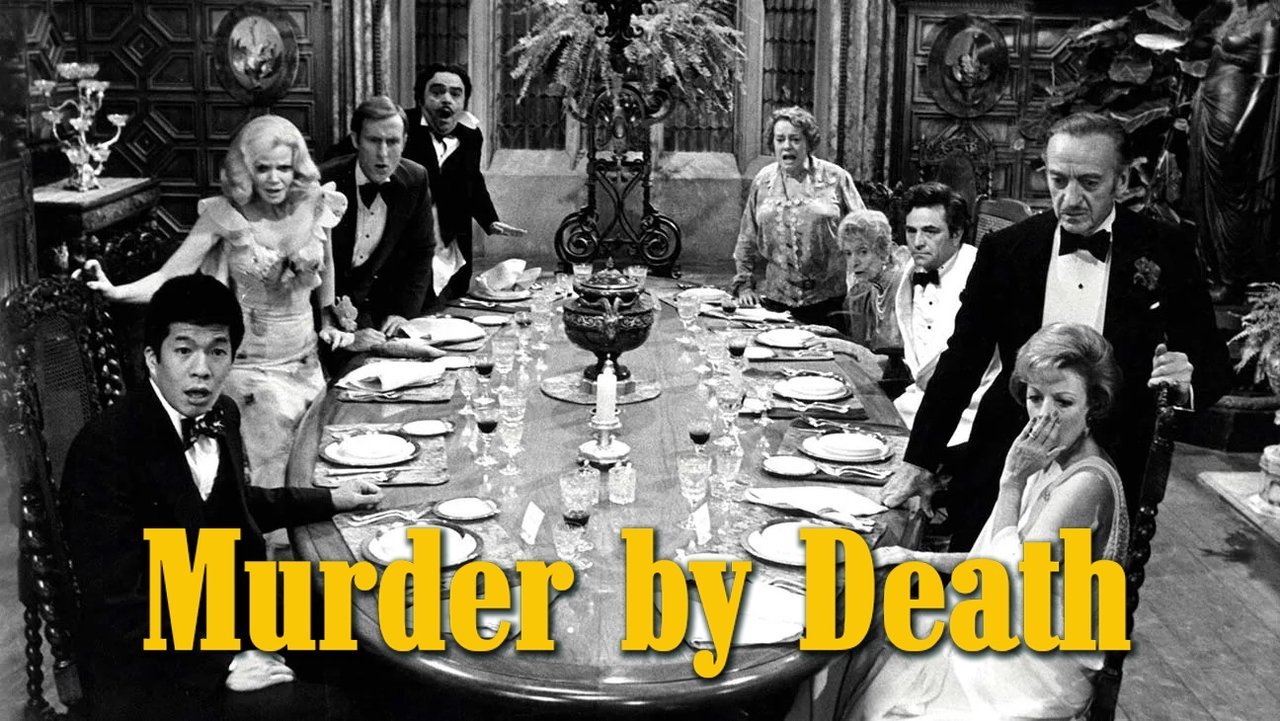
The premise is deceptively simple: reclusive eccentric Lionel Twain (Truman Capote) invites the world's five greatest detectives to "Twelve Oaks" for dinner and a murder. What follows is a systematic dismantling of their egos. David Niven and Maggie Smith play Dick and Dora Charleston (a riff on The Thin Man’s Nick and Nora), exuding a martini-dry wit that feels increasingly brittle as the house begins to prey on them.
There is a genuine weight to the atmosphere here. Despite the rapid-fire wordplay, the production design by Stephen Grimes creates a sense of genuine dread. The house is a character of shifting walls and screaming statues, a labyrinth that feels designed to humiliate its inhabitants. When Alec Guinness, playing the blind butler Jamesir Bensonmum, wanders through the kitchen with a stoicism that borders on the existential, you realize the film is doing more than just parodying Agatha Christie. It is suggesting that the "rules" of the mystery—the clues, the red herrings, the grand reveals—are a form of narrative cruelty. "Alec Guinness plays a blind butler with more dignity than the script probably deserved," turning a sight gag into a masterclass in deadpan restraint.
A Masterclass in Enforced Chemistry
The brilliance of Murder by Death lies in its ensemble’s commitment to the bit. Peter Sellers as Sidney Wang (a parody of Charlie Chan) is undeniably the most dated element of the film, and while his performance is rooted in a style of "yellowface" caricature that has rightfully aged poorly, his comedic timing remains surgically precise. He plays Wang with a weary, clinical detachment that contrasts sharply with James Coco’s Milo Perrier, whose obsession with gourmet food in the face of certain death provides the film’s most human moments.
Then there is Truman Capote. In his only major film role, Capote is a revelation of high-pitched malice. He doesn't act so much as he haunts the periphery of the frame. As Twain, he represents the frustrated reader—the person tired of detectives who keep "the one vital clue" hidden until the final page. His performance is cold, strange, and entirely unique. Apparently, Capote was so nervous on set that he struggled with his lines, but that jittery, unnatural cadence only adds to Twain’s unsettling aura.
The film’s climax is a dizzying series of unmaskings that, on a first watch, feels like a fever dream. It’s here that Simon’s script reveals its true teeth. "Neil Simon’s script is essentially a 94-minute middle finger to the sanctity of the whodunnit," stripping away the logic of the genre until nothing is left but the absurdity of the exercise.
The VHS Legacy and Practical Magic
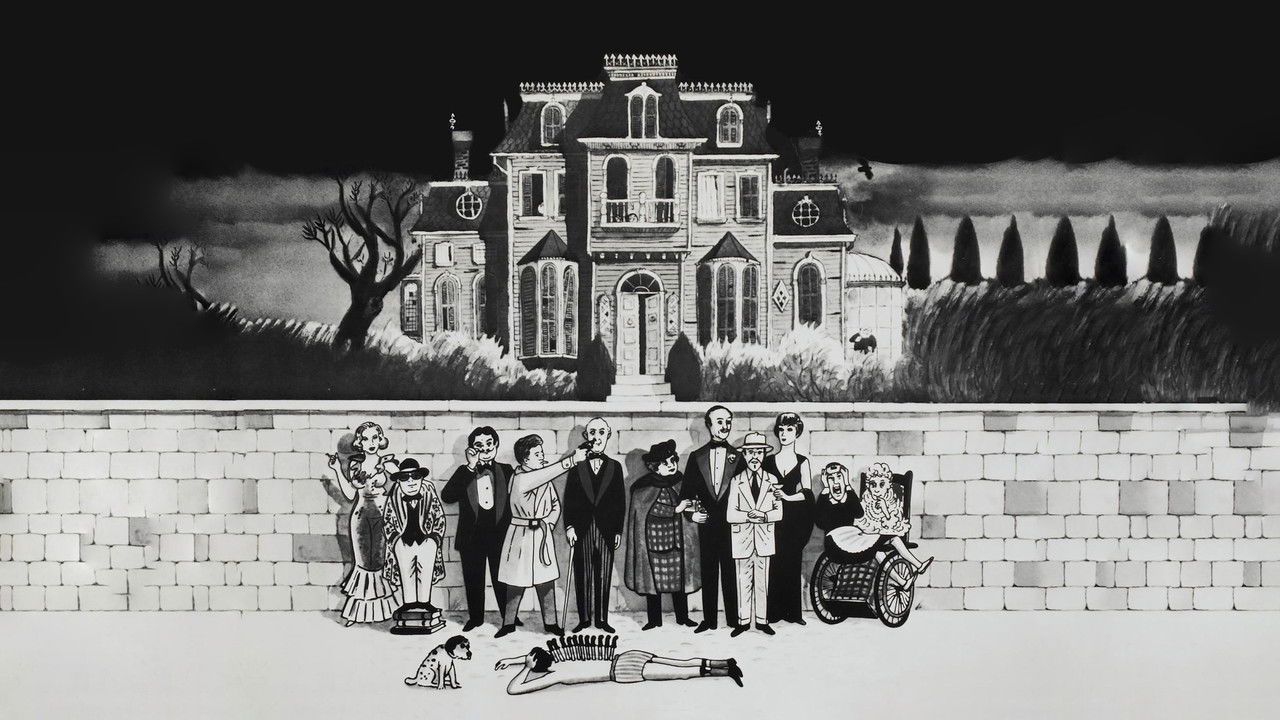
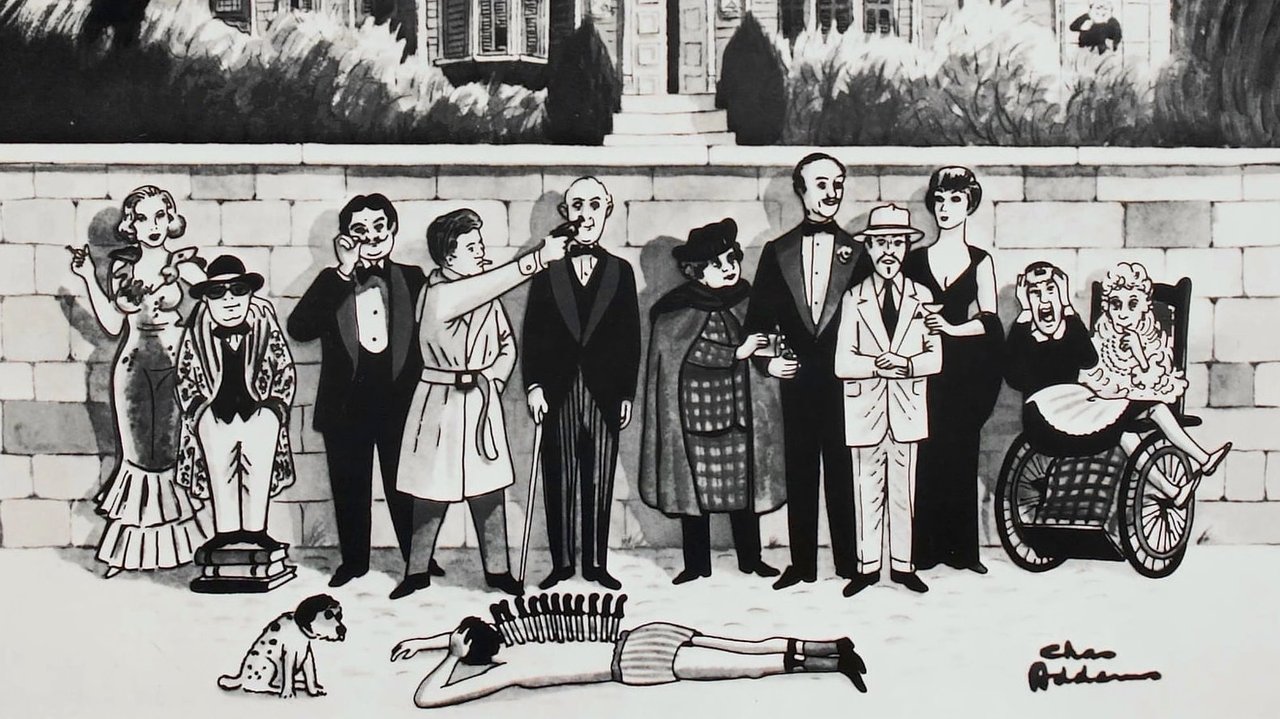
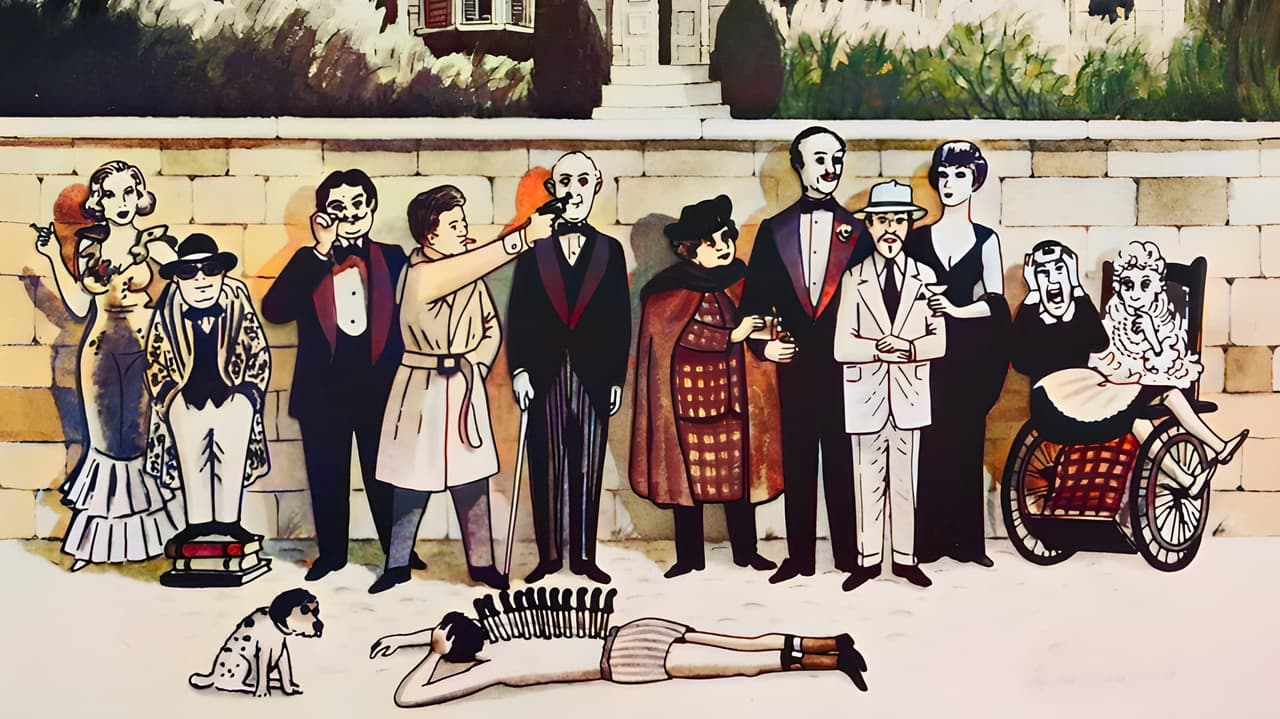
For many of us, Murder by Death wasn't a theatrical event but a staple of the early home video revolution. I remember the Columbia Pictures Home Entertainment VHS box—the one with the vibrant, crowded caricature art—sitting on the "Comedy" shelf of a wood-paneled rental store. It was the kind of tape that gained a cult following because it demanded repeat viewings; the jokes fly so fast that a single pass isn't enough to catch the visual gags hidden in the background of the set.
Technically, the film is a testament to the practical effects of the mid-70s. The "shrinking room" sequence and the various mechanical traps were achieved through intricate stagecraft that gives the film a tactile, heavy feeling. There’s no CGI to smooth over the edges, so when a stone head falls or a secret door pivots, you feel the displacement of air.
Interestingly, there was originally an entire subplot featuring Sherlock Holmes (played by Keith McConnell) and Dr. Watson that was filmed and then excised from the final cut. While you can find snippets of it in television broadcasts, its absence from the theatrical version actually improves the film. By leaving the "real" icons out of the house, the parodies are allowed to stand as the definitive versions of themselves, making their ultimate failure even more poignant.
Murder by Death is a rare specimen: a parody that actually understands the mechanics of the genre it’s mocking. It balances the zaniness of a 1970s variety show with a surprisingly dark undercurrent regarding the futility of logic. While some of the cultural caricatures have aged into uncomfortable territory, the core performances and the relentless pace of the script keep it afloat. It’s a film that respects your intelligence just enough to enjoy pulling the rug out from under you. If you’ve ever felt cheated by a mystery novel’s ending, this is the catharsis you’ve been looking for.
Keep Exploring...
-
Clue
1985
-
Blow Out
1981
-
Mississippi Burning
1988
-
Chinatown
1974
-
Soylent Green
1973
-

Three Days of the Condor
1975
-
All the President's Men
1976
-
Marathon Man
1976
-
In the Heat of the Night
1967
-
Blue Velvet
1986
-

Frenzy
1972
-
Deep Red
1975
-
The Tenant
1976
-
Body Double
1984
-

Midnight Run
1988
-
Turner & Hooch
1989
-
The Sting
1973
-
Kiss Kiss Bang Bang
2005
-
Marnie
1964
-
Bullitt
1968