Network
"The screen is screaming, and we're all listening."
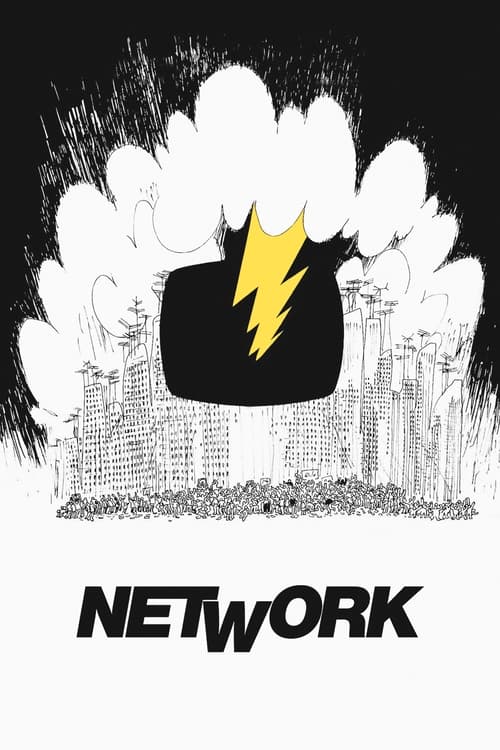
The last time I sat down with Network, the air in my apartment felt uncomfortably still. My neighbor’s TV was blaring some generic reality competition through the wall—a dull hum of manufactured stakes and bright colors—and it occurred to me that Sidney Lumet didn’t just direct a movie in 1976; he performed a ritualistic exorcism of the American living room. This isn't just a "movie about television." It’s a frantic, sweat-slicked, high-velocity collision between old-school journalistic integrity and the devouring maw of corporate nihilism. It’s the cinematic equivalent of someone grabbing you by the lapels and shaking you until your teeth rattle.

The Gospel According to Howard Beale
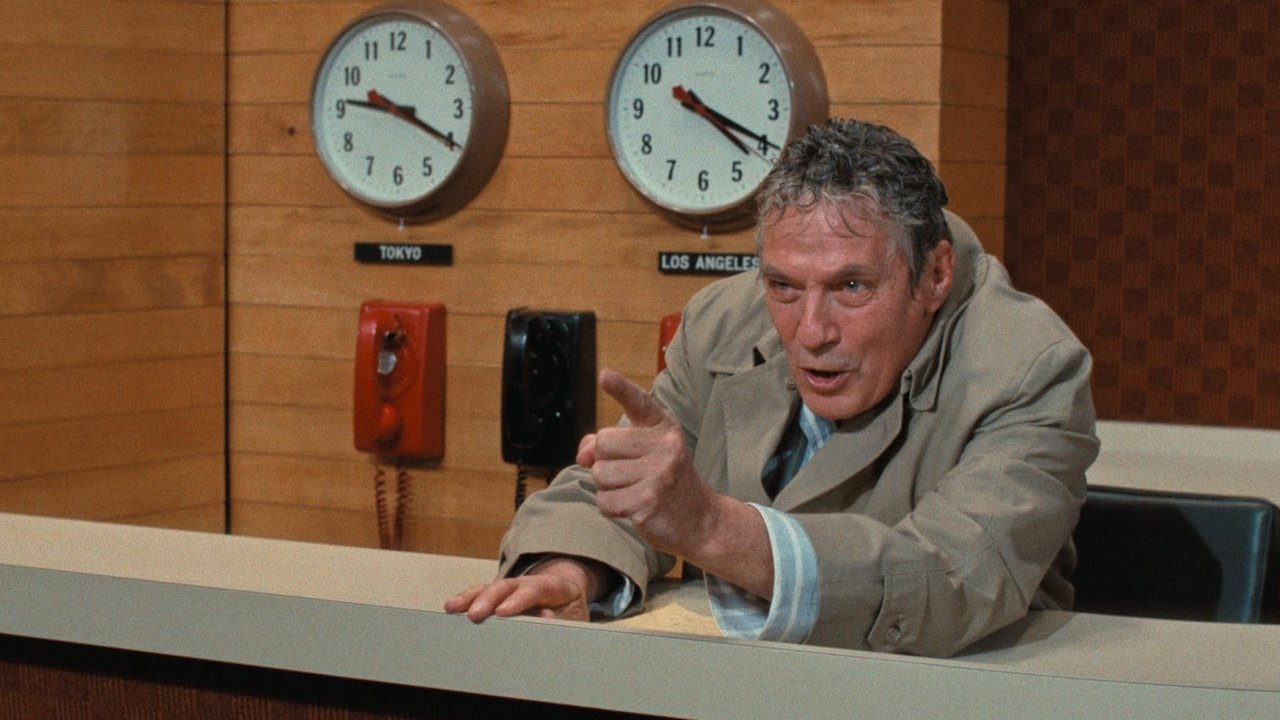
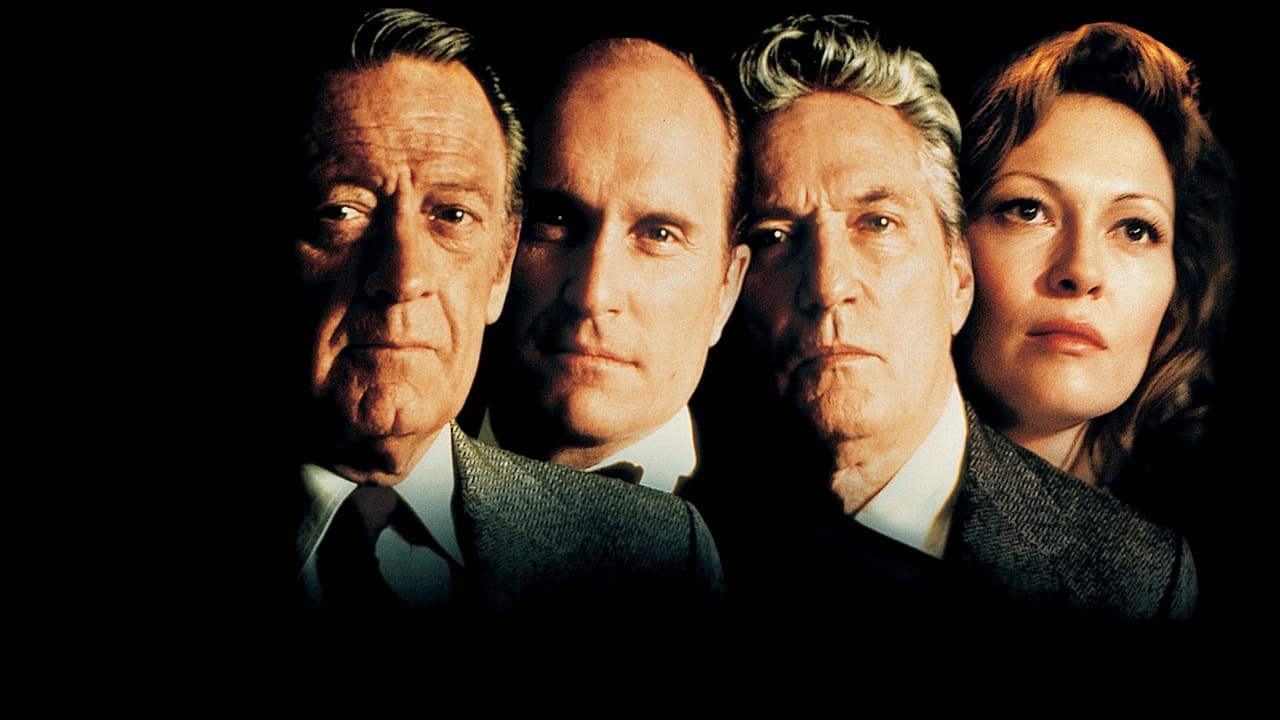
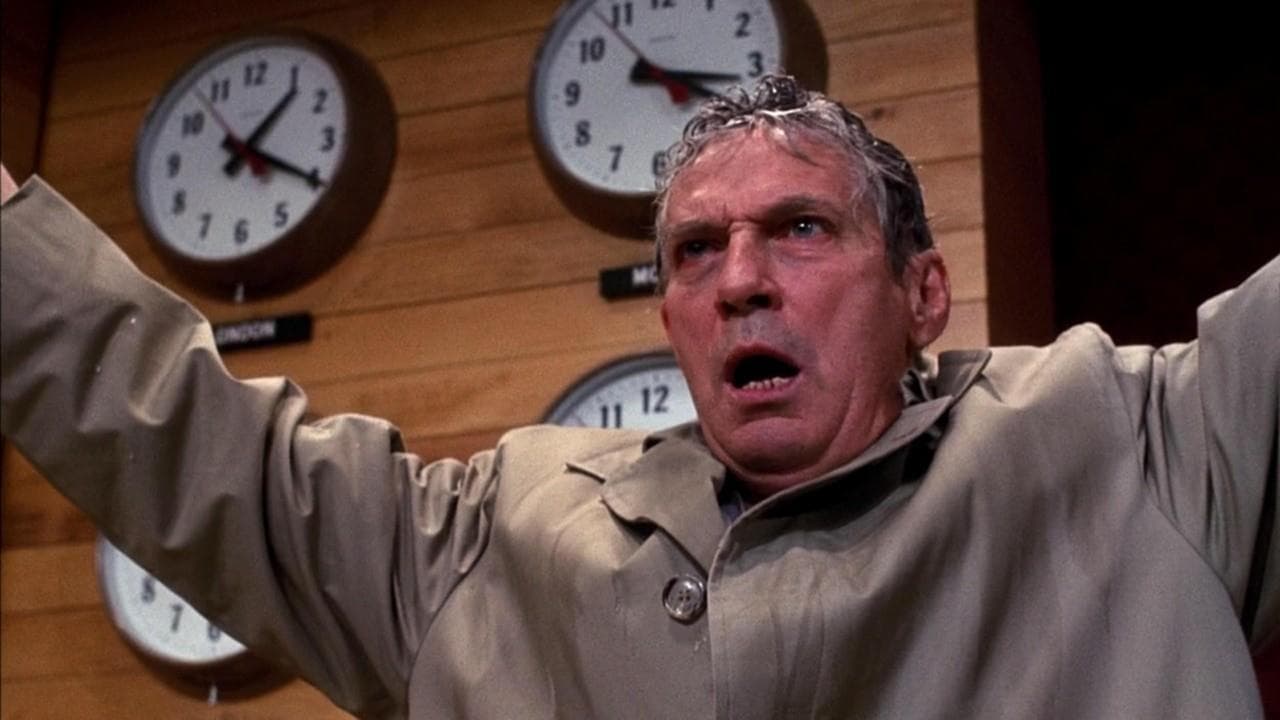
At the center of the storm is Peter Finch as Howard Beale, a veteran newsman who has simply run out of illusions. When he announces his impending on-air suicide, the response from the "suits" isn't horror; it’s a calculation of decimal points. Robert Duvall, playing the corporate hatchet-man Frank Hackett with the cold precision of a guillotine, represents the new guard that views human tragedy as a lucrative lead-in for the evening weather.
Beale’s transformation from a disgraced anchor into a "prophet of the airwaves" is where Paddy Chayefsky’s screenplay shifts from satire into something closer to a dark, secular scripture. The famous "Mad as Hell" speech is usually remembered as a populist anthem, but watching it now, I’m struck by how tragic it is. Beale isn't leading a revolution; he’s a broken man being exploited by a system that has commodified his nervous breakdown. The news isn't the truth; it's a carnival barker with a tie.
I watched this most recently while nursing a lukewarm cup of instant coffee that had a film of oil on top, and that grim, greasy feeling perfectly matched the aesthetic of the United Broadcasting System (UBS) offices. Lumet, who cut his teeth in the frantic world of live 1950s television, shoots the film with a growing sense of claustrophobia. As the movie progresses, the lighting gets harsher and the sets feel more like cages.
A Cold Heart in a High-Definition World
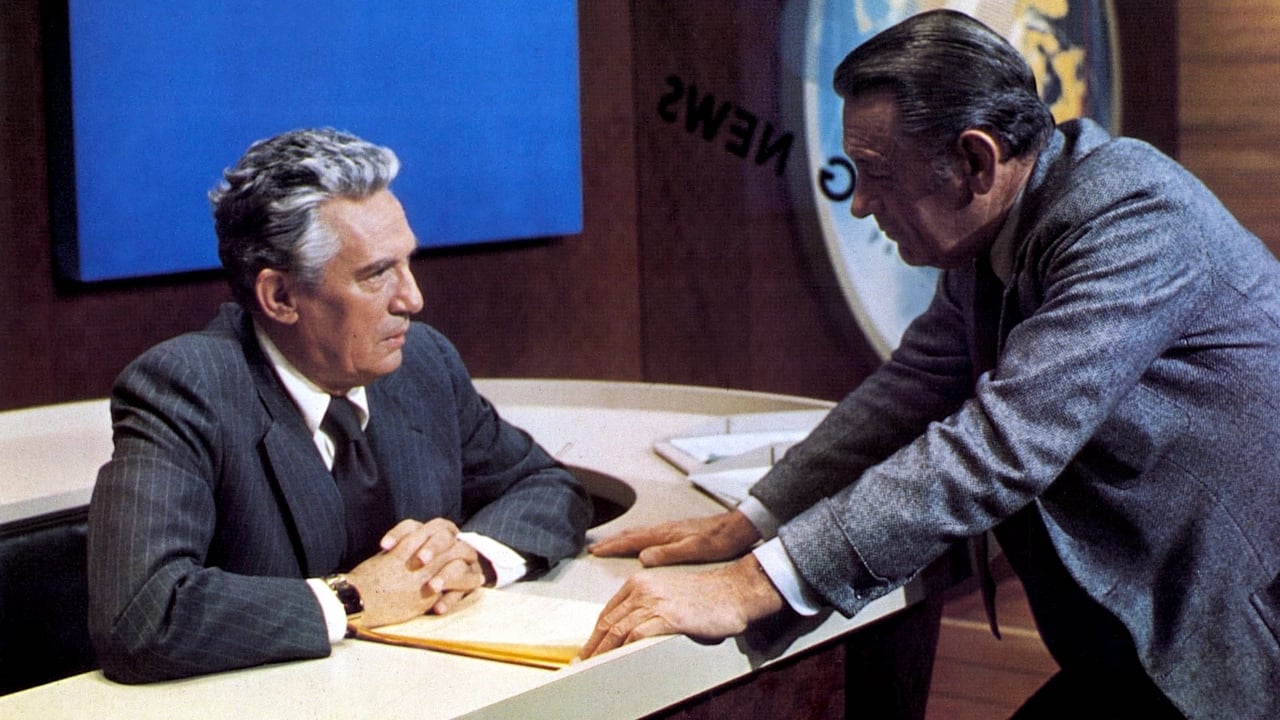
If Howard Beale is the soul of the film, Faye Dunaway’s Diana Christensen is its chillingly efficient engine. Dunaway (who earned every ounce of her Oscar here) plays Diana as a woman who doesn't just work in television—she is television. She thinks in segments, she orgasms to ratings reports, and she views the world through a lens of "human interest" rather than human empathy. Her romance with William Holden’s Max Schumacher is perhaps the most honest part of the film. Holden, the weary face of the New Hollywood era looking back at the Golden Age, provides a necessary groundedness. Their relationship is a doomed attempt to bridge the gap between a generation that felt things and a generation that only wants to watch things.
Then there is the brief, earthquake-level appearance of Beatrice Straight. She’s on screen for barely five minutes as Max’s wife, Louise, delivering a monologue about her husband's infidelity that is so raw it makes the rest of the film’s shouting feel like a whisper. It remains the shortest performance ever to win an Academy Award, and it serves as the film’s moral anchor. While Diana and the executives are playing god with the airwaves, Louise is the one actually dealing with the wreckage of a human life.
The Corporate Sermon and the Video Ghost
There’s a specific scene that always halts my breathing: Ned Beatty as Arthur Jensen, the head of the parent corporation, summoning Beale into a darkened boardroom. It’s a five-minute monologue about the "ecology of money" that reframes the entire world as a singular, soulless entity of currency. Beatty plays it like a terrifying god, and it turns the movie from a media satire into a philosophical horror film. It’s the moment the film stops being about TV and starts being about the disappearance of the individual.
Interestingly, Network found a strange second life during the VHS boom of the early 80s. While it was a hit in theaters, seeing it on a grainy, magnetic tape felt like discovering a "snuff film" for the American Dream. The low-resolution fuzz of a 1984 rental tape actually enhanced the experience; it felt like you were watching a pirate broadcast you weren't supposed to see. The production was remarkably lean—Sidney Lumet was famous for his efficiency, often finishing shoots ahead of schedule and under budget. This "indie spirit" within a studio system allowed Paddy Chayefsky’s dense, literary dialogue to remain uncompromised. No studio executive today would allow a character to speak in five-minute philosophical arias, yet here, they feel like the only way to express the madness of the era.
Network is a rare artifact: a film that was screaming about the future in 1976 and is still screaming at us today. It’s loud, it’s angry, and it’s deeply cynical, but it’s also one of the most intellectually stimulating dramas ever committed to film. It challenges the viewer to look away from the screen, even as it provides some of the most magnetic performances in cinema history. It doesn't offer a happy ending because the "monster" in this story isn't a person—it’s the box in the corner of your room. Turn it off, or don’t; the ratings will be the same either way.
Keep Exploring...
-
Serpico
1973
-
Murder on the Orient Express
1974
-
Dog Day Afternoon
1975
-
The Holy Mountain
1973
-
Annie Hall
1977
-
Mirror
1975
-
Stalker
1979
-
The Apartment
1960
-
Judgment at Nuremberg
1961
-
Guess Who's Coming to Dinner
1967
-

Midnight Cowboy
1969
-
12 Angry Men
1957
-
Harold and Maude
1971
-

Rocky
1976
-
Paris, Texas
1984
-
Wings of Desire
1987
-

My Left Foot: The Story of Christy Brown
1989
-
Cabaret
1972
-
Mean Streets
1973
-
Badlands
1974