Rocky
"The meat-locker meditation on finding human dignity."
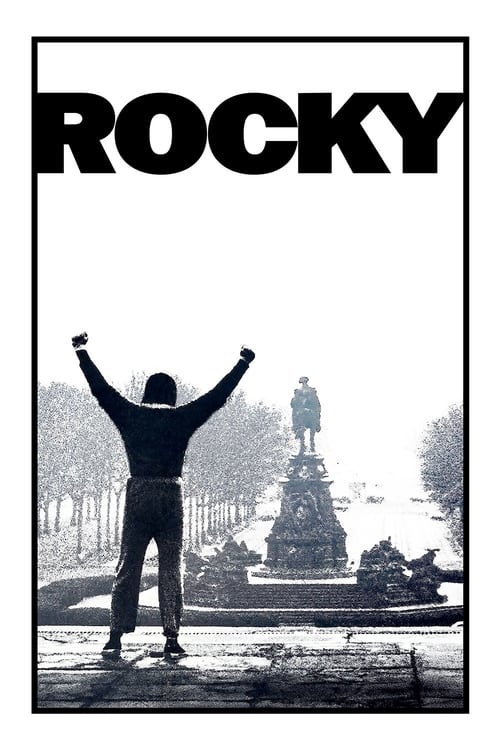
I watched Rocky last night while nursing a lukewarm cup of peppermint tea that I’d forgotten to steep, and it hit me: this isn’t a boxing movie. If you go into it expecting the high-octane, sweat-spraying, montage-heavy adrenaline of Rocky IV, you’re going to be bored out of your mind for the first ninety minutes. Instead, what you get is a quiet, almost uncomfortably intimate character study about a man who is profoundly lonely.
Before he was an action icon, Sylvester Stallone was a desperate writer-actor with a script that captured the exact frequency of 1970s Philadelphia—a place that felt less like the "Cradle of Liberty" and more like a graveyard for ambition. The film isn’t about winning; it’s about a man trying to prove to himself that he’s not a "bum." It’s an existential crisis played out in a boxing ring, and that intellectual weight is exactly why it remains the crown jewel of the New Hollywood era.
The Philosophy of the Distance
Most sports films are about the triumph of the will, but Rocky is about the preservation of the soul. When we first meet Robert "Rocky" Balboa, he’s living in a cramped, gray apartment with a couple of turtles and a soul-crushing job as a debt collector for a local loan shark. Stallone plays him with a heavy-lidded, mumbles-and-all vulnerability that feels miles away from the Rambo persona. He’s a man who has internalized his own failure.
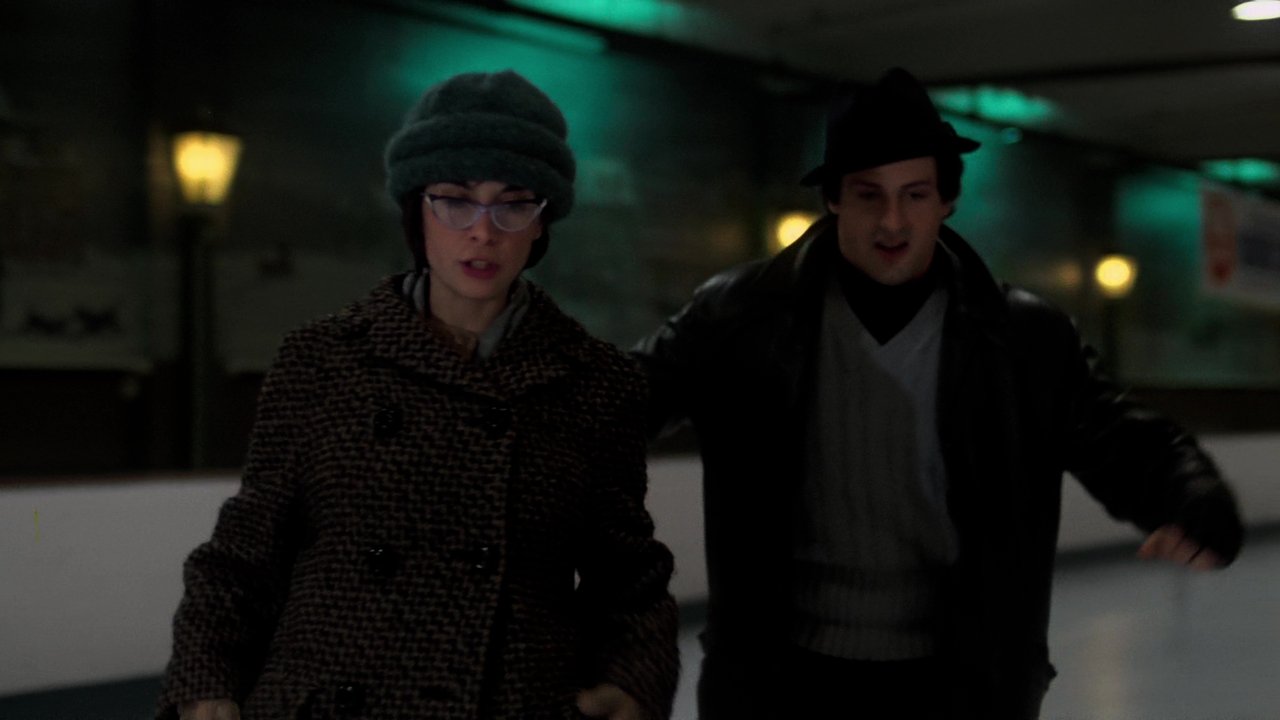
The brilliance of the screenplay—which Stallone famously refused to sell unless he could star—lies in its smallness. The "million-to-one shot" against Carl Weathers’ Apollo Creed is almost an intrusion on the real story: the delicate, stumbling romance between Rocky and Talia Shire’s Adrian. Their first date at a deserted ice rink is one of the most painfully awkward and beautiful scenes in cinema. It’s two broken people trying to figure out if they’re allowed to be happy. I’m convinced that if you don't find the "I just want to go the distance" speech moving, you might actually be a sophisticated toaster.
This is where the film's cerebral layer resides. It asks: what constitutes a "win" for a person the world has already written off? For Rocky, the "win" isn't the belt. It’s the act of standing up after being hit. It’s a rejection of the cynicism that permeated the mid-70s. In a post-Watergate America, Rocky’s refusal to stay down was a radical, philosophical statement of hope.
Steadicam Dreams and Meat-Locker Realism
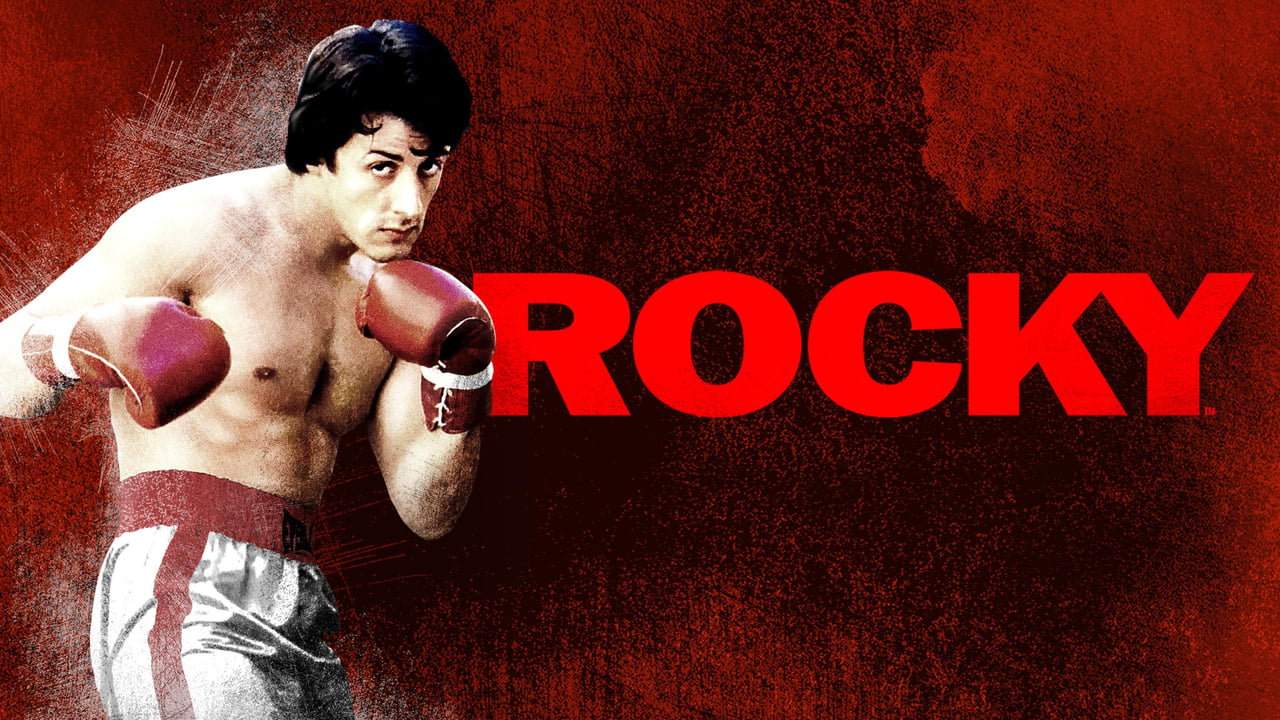
While the sequels became increasingly slick, the original Rocky has a grit that you can practically smell. This was a low-budget production ($1 million—barely enough to cover the catering on a modern Marvel flick), and director John G. Avildsen used that to his advantage. The film has a documentary-like texture, largely thanks to the cinematography of James Crabe.
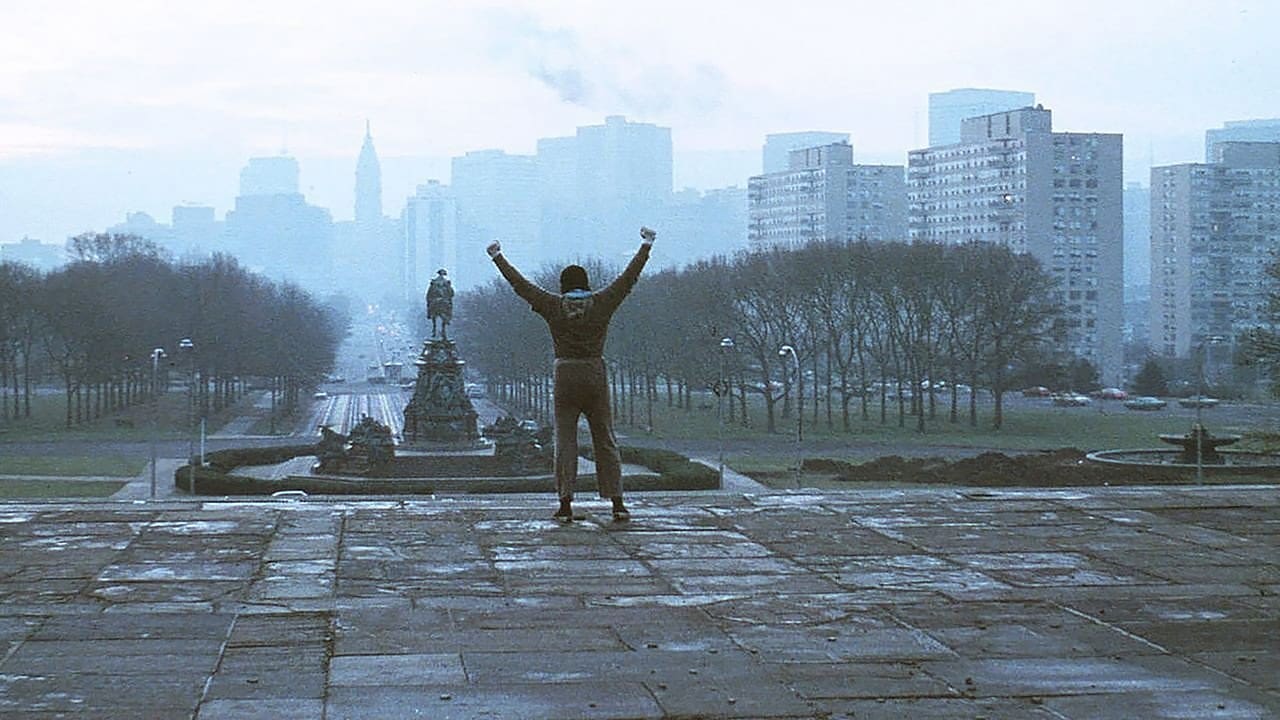
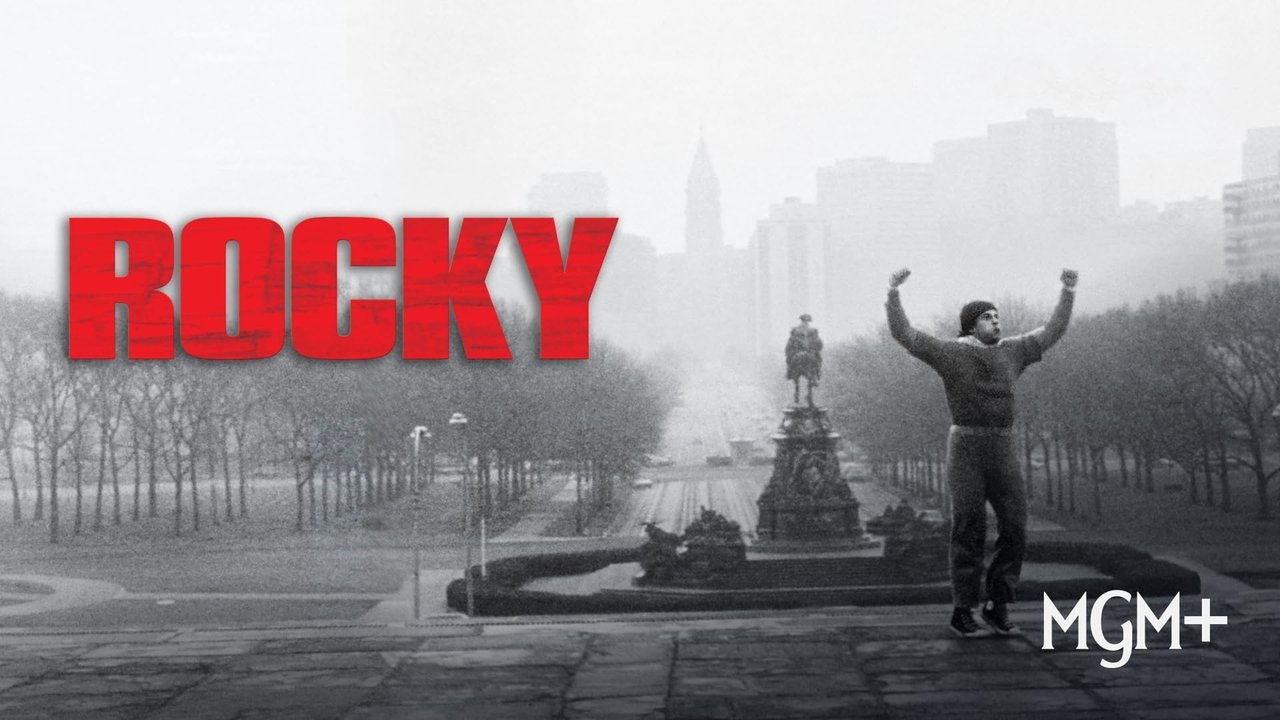
One of the most legendary behind-the-scenes stories involves the "Steadicam." Garrett Brown had just invented the camera stabilization rig, and Rocky was one of the first films to use it. When you see Rocky sprinting up the steps of the Philadelphia Museum of Art, you aren’t just watching a workout; you’re witnessing a technical revolution. Without that rig, that iconic sequence would have been a shaky, unwatchable mess. Instead, the camera floats alongside him, elevating a simple run into a spiritual ascension.
The supporting cast provides the friction that makes the drama work. Burt Young is terrifyingly good as Paulie—a character who is deeply unpleasant, bitter, and "real" in a way that hurts to watch. Then there’s Burgess Meredith as Mickey. He doesn't play a mentor; he plays a man who sees his own wasted life reflected in Rocky and decides, just once, to put his heart back into the game. Their shouting matches aren't just for drama; they’re the sounds of two men fighting against the insignificance of their own lives.
The VHS Legacy of a Heavyweight
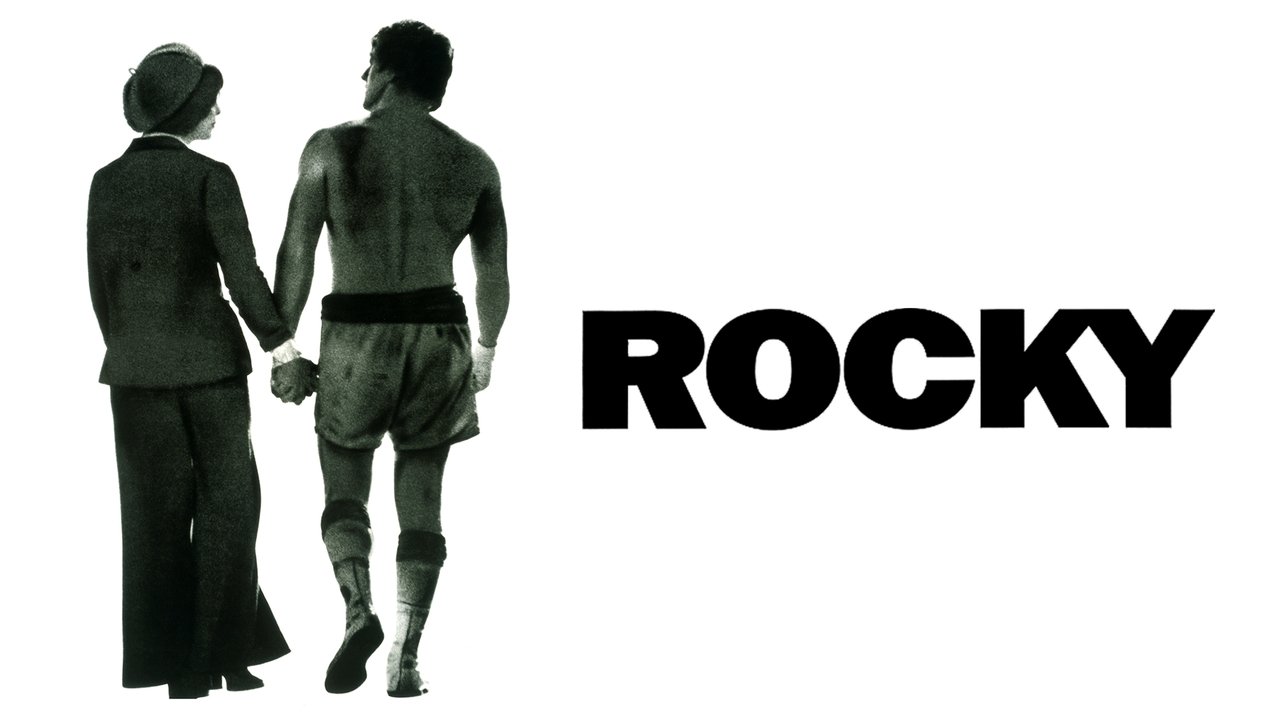
Long before it was a franchise, Rocky was the ultimate "word of mouth" tape. I remember the old VHS box art vividly—the stark black background with Rocky and Adrian walking away, hand in hand. It didn't even show a boxing glove. The marketing team basically tricked people into watching a 120-minute drama about loneliness by promising a fight at the end.
Once the home video revolution hit in the late 70s and 80s, Rocky became the definitive "rainy day" movie. It’s the kind of film that invites repeat viewings not for the action, but for the dialogue. You find yourself quoting Mickey’s "Get up, you son of a bitch, 'cause Mickey loves ya!" or noticing the way Talia Shire slowly comes out of her shell, her posture literally changing as the film progresses.
It’s also worth noting how Bill Conti’s score functions. "Gonna Fly Now" is so ingrained in our cultural DNA that we forget how lean and brassy it actually is. It’s a fanfare for the common man. It’s the sound of a heartbeat finally finding its rhythm.
Rocky is a rare specimen: a blockbuster with the brain of an indie drama and the heart of a poet. It manages to be inspirational without being cheesy, and philosophical without being pretentious. It’s a film that understands that the greatest battles we fight aren't against an opponent in silk trunks, but against the voice in our own heads telling us we don't matter. It’s a masterpiece of the New Hollywood movement that remains as heavy and honest as a punch to the ribs.
Keep Exploring...
-
Rocky III
1982
-
Rocky II
1979
-
Rocky IV
1985
-
Rocky V
1990
-
Rocky Balboa
2006
-
The Karate Kid
1984
-
Kramer vs. Kramer
1979
-

The Sound of Music
1965
-
Harold and Maude
1971
-
The Holy Mountain
1973
-
Network
1976
-
Annie Hall
1977
-

The Color Purple
1985
-
The Karate Kid Part II
1986
-
Rain Man
1988
-

American Graffiti
1973
-
Mirror
1975
-
Being There
1979
-
Manhattan
1979
-
Stalker
1979