Taxi Driver
"The city is a sick patient, and Travis is the cure."
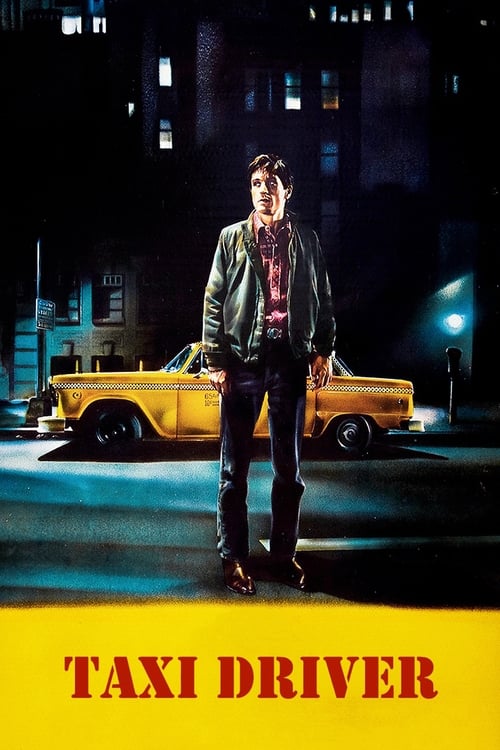
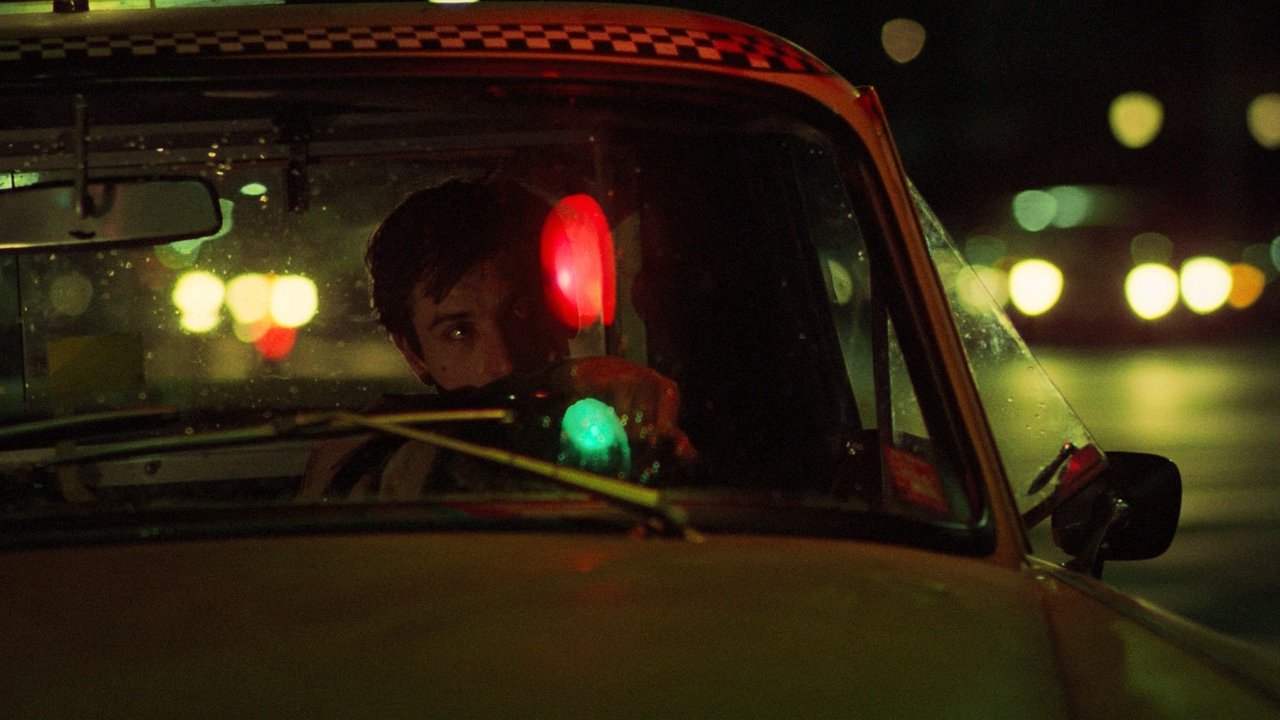
The first time I saw the yellow Checker Cab emerge from that thick, sulfurous New York City street steam, I felt like I was watching a predator stalking through a primeval swamp. It’s a shot that shouldn't be that intimidating, but with Michael Chapman’s cinematography—all smeared neon lights and rain-streaked glass—it feels like a threat. I actually watched this for the third time last Tuesday while trying to fix a leaky faucet in my kitchen, and let me tell you, trying to tighten a U-bend while Bernard Herrmann’s haunting, brassy score blares in the background makes a simple plumbing job feel like a descent into the seventh circle of hell.
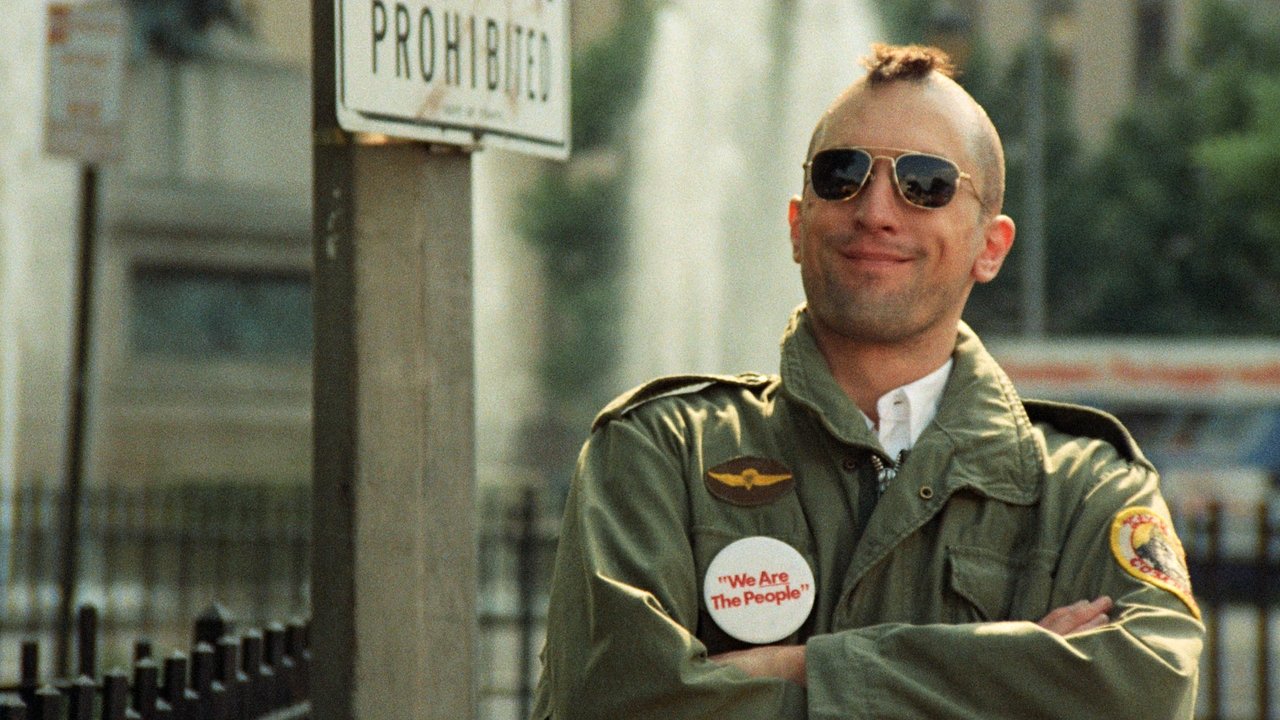
Taxi Driver isn't just a movie; it’s a mood. It’s the cinematic equivalent of that 3:00 AM feeling when you’ve had too much caffeine, the radiator is hissing, and you realize you don’t actually like anyone you know. It’s the crown jewel of the New Hollywood era, a time when directors were allowed to be depressed, cynical, and dangerously artistic.
The Anatomy of a Lonely Man
At the center of the storm is Robert De Niro as Travis Bickle. This isn't the "tough guy" De Niro we got later in Heat (1995) or the "parody" De Niro from Analyze This (1999). This is De Niro at his most porous. He plays Travis as a man who is literally vibrating with unspoken thoughts. Travis is a veteran with insomnia who takes a night shift driving a cab because he can't sleep anyway. He sees the "scum" of the city—the pushers, the players, the filth—and he wants a "real rain" to come and wash it all away.
The brilliance of the performance is that Travis is basically a sentient red flag who thinks he’s a knight in shining armor. We watch him fail at a normal life—his disastrous date with Betsy, played with a perfect, icy distance by Cybill Shepherd, is one of the most cringe-inducing scenes in film history. Who takes a girl to a Swedish "educational" film on a first date? A man who has completely lost the manual on how to be a human being, that's who.
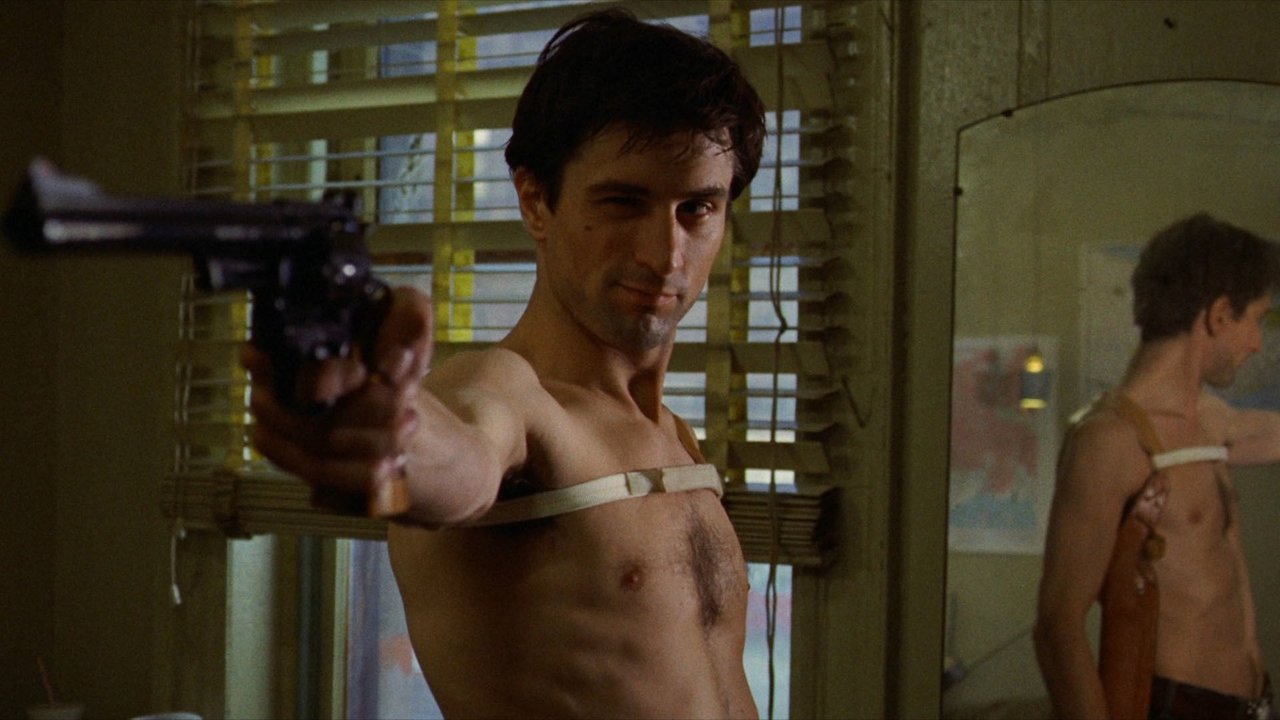
When the "normal" world rejects him, Travis turns his attention to "saving" Iris, a twelve-year-old runaway played by a shockingly mature Jodie Foster. It’s here that the movie gets truly uncomfortable. Travis isn't saving her out of altruism; he’s doing it because he needs a mission to justify the arsenal of guns he’s strapped to his body.
Practical Grime and Blood-Soaked Trivia
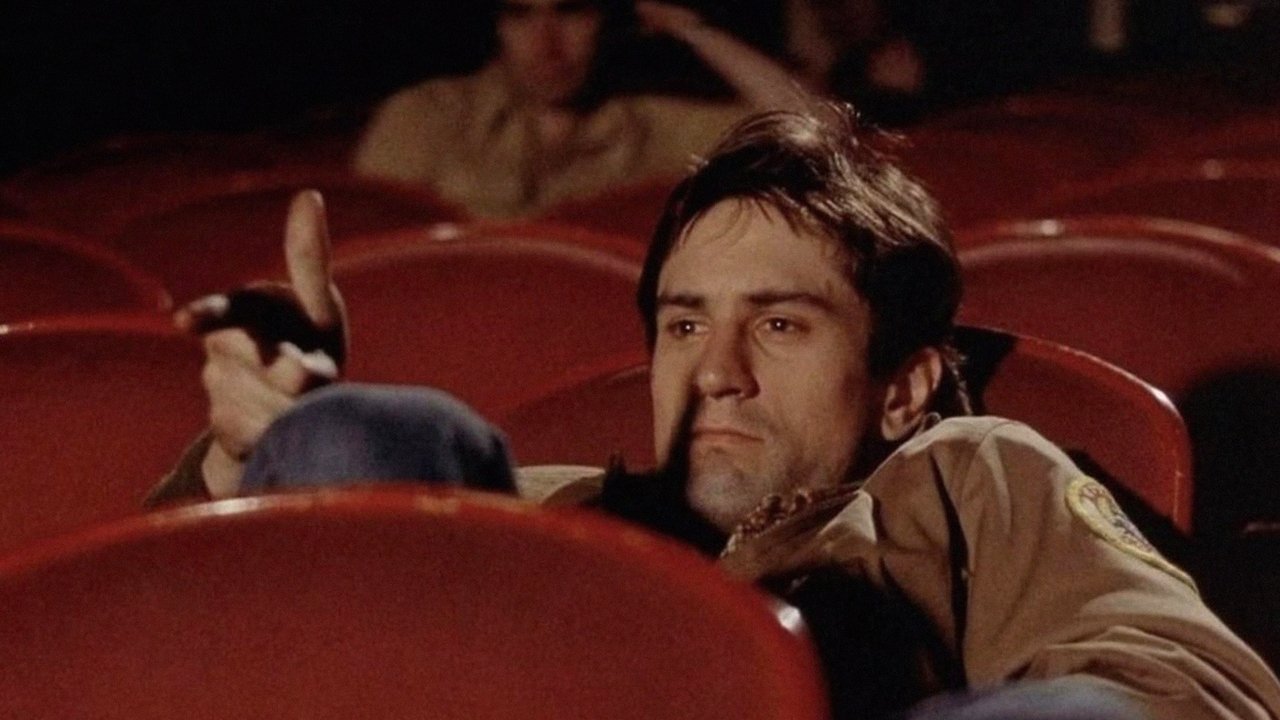
Before CGI made everything look like a clean video game, we had the glorious, tactile grime of 1970s New York. This movie smells like wet asphalt and stale cigarettes. The production design didn't have to do much—NYC in 1975 was already a disaster zone. Apparently, a garbage strike was happening during filming, which only added to the "filthy city" vibe Martin Scorsese was hunting for.
The technical mastery here is staggering. Take the famous "Are you talkin' to me?" scene. That wasn't in Paul Schrader’s script. The script just said "Travis looks in the mirror." De Niro improvised the whole thing, channeling the isolation he felt while actually driving a cab around the city for weeks to prepare for the role.
Then there’s the climax. It’s a bloodbath that still feels shocking today because of how "wet" and heavy the violence feels. Fun fact: the MPAA originally gave the film an X rating because the blood was too bright and "disturbing." To get an R, Martin Scorsese had to desaturate the colors in the final shootout, making the blood look brownish and murky. Ironically, this made the scene even more disturbing and realistic, proving that studio interference occasionally results in a better nightmare.
From the Theater to the VHS Cult
While Taxi Driver was a prestige hit—winning the Palme d'Or at Cannes and snagging four Oscar nominations, including Best Picture—it found a second, weirder life in the 1980s home video boom. This was the ultimate "silver box" Columbia Pictures VHS tape. It was the kind of movie you rented when you wanted to feel "grown-up" or "edgy."
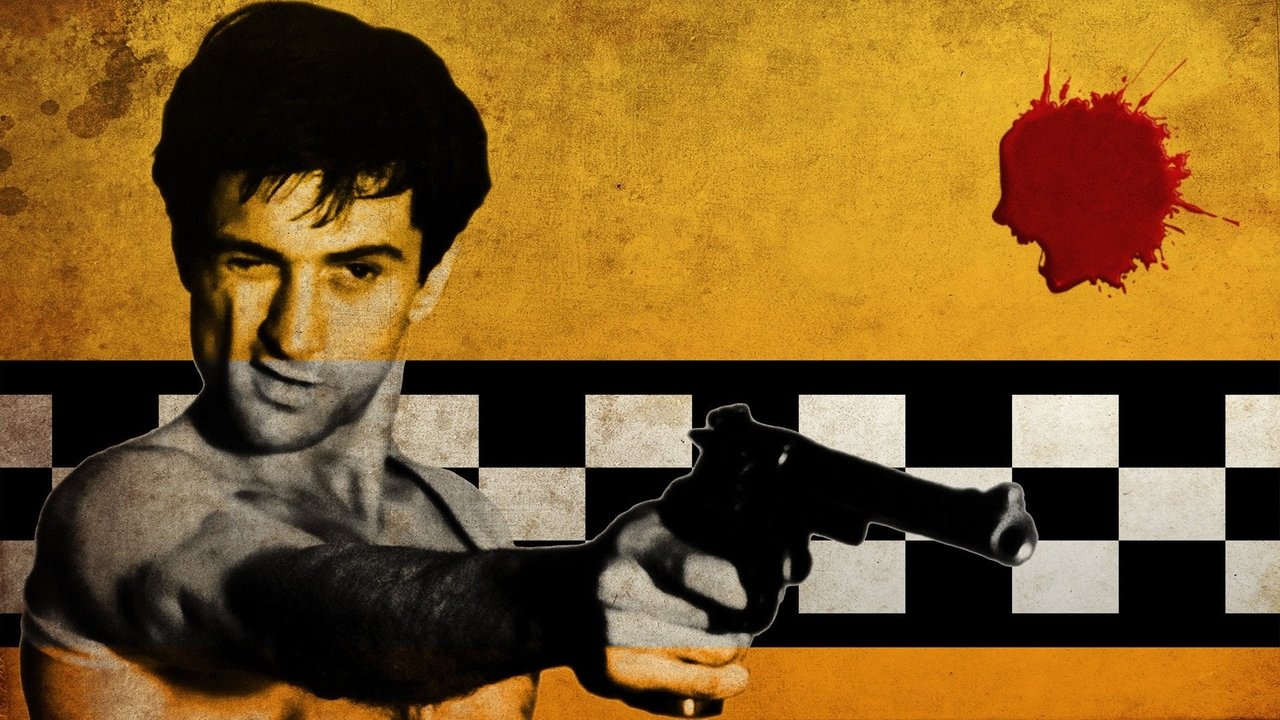
I remember seeing the worn-out cardboard sleeves in rental stores where the previous viewers had clearly paused the tape a dozen times during the gun-training montages. It’s a film that demands repeated viewings because of its ambiguity. Does Travis actually survive the end? Is the final sequence a dying hero’s dream? Martin Scorsese leaves the door just a crack open, and that’s why we’re still talking about it nearly fifty years later.
The film also features a legendary turn by Harvey Keitel as Sport, the pimp. With his long hair and manic energy, he represents everything Travis hates, yet they’re both men living on the fringes of a society that doesn't want them. Peter Boyle also shows up as Wizard, the veteran cabbie who gives Travis the most useless advice in history, proving that even in a city of millions, nobody is actually listening to anyone else.
Taxi Driver remains the definitive portrait of urban alienation. It’s a dark, sweaty, uncomfortable masterpiece that refuses to give you a "hero" to root for in the traditional sense. It captures a specific moment in American history—post-Vietnam, pre-gentrification—where the air felt heavy with the threat of something about to snap. If you haven't seen it, or if you've only seen it on a small screen, do yourself a favor: turn off the lights, crank up the jazz, and let the rain wash over you. Just maybe don't take any dating advice from the main character.
Keep Exploring...
-
Mean Streets
1973
-
Raging Bull
1980
-
GoodFellas
1990
-
Casino
1995
-

The Irishman
2019
-

Once Upon a Time in America
1984
-
Dog Day Afternoon
1975
-
Cape Fear
1991
-
The Godfather
1972
-
Chinatown
1974
-
The Godfather Part II
1974
-
The Departed
2006
-
The King of Comedy
1982
-
The Deer Hunter
1978
-
After Hours
1985
-
The Last Temptation of Christ
1988
-
Serpico
1973
-
Badlands
1974
-

The Conversation
1974
-
Scarface
1983