The Enforcer
"The .44 Magnum meets the modern world."

I watched The Enforcer last night while grappling with a bag of Snyder’s sourdough pretzels—the ones with the salt crystals so large they feel like genuine dental hazards. It felt appropriate. Harry Callahan’s world is all about jagged edges and uncomfortable truths, and by 1976, the Dirty Harry formula was starting to settle into a comfortable, albeit explosive, groove. While it lacks the operatic nihilism of Don Siegel’s 1971 original or the sleek mystery of Magnum Force, this third outing is arguably the most "fun" of the bunch, mostly because it finally gives Clint Eastwood a foil he can’t just scowl away.
A Changing Badge in a Changing City
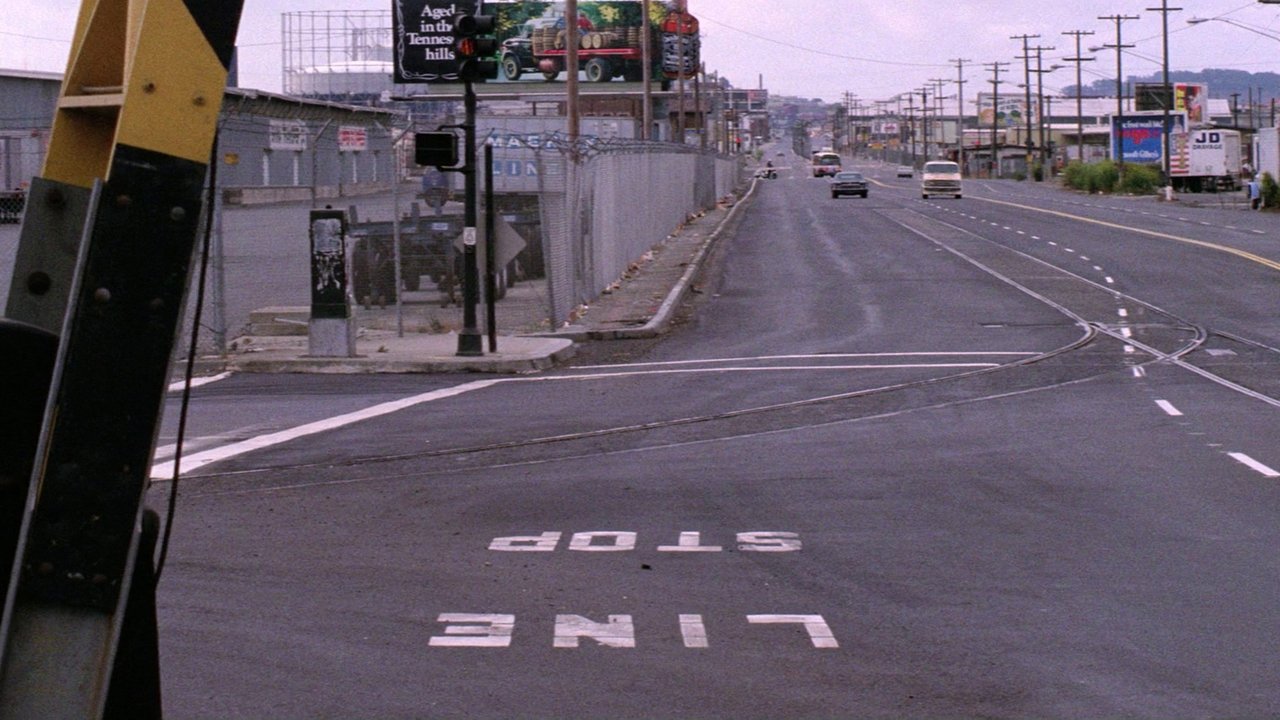
By the mid-70s, the American landscape was shifting. The grim, "Silent Majority" anger of the first film had softened into the cynical, post-Watergate bureaucracy of the late seventies. In The Enforcer, San Francisco feels less like a playground for a serial killer and more like a city drowning in red tape and "progressive" optics. Enter the People’s Revolutionary Strike Force (PRSF), a group of Vietnam vets turned terrorists who look like they wandered off the set of a low-budget heist movie.
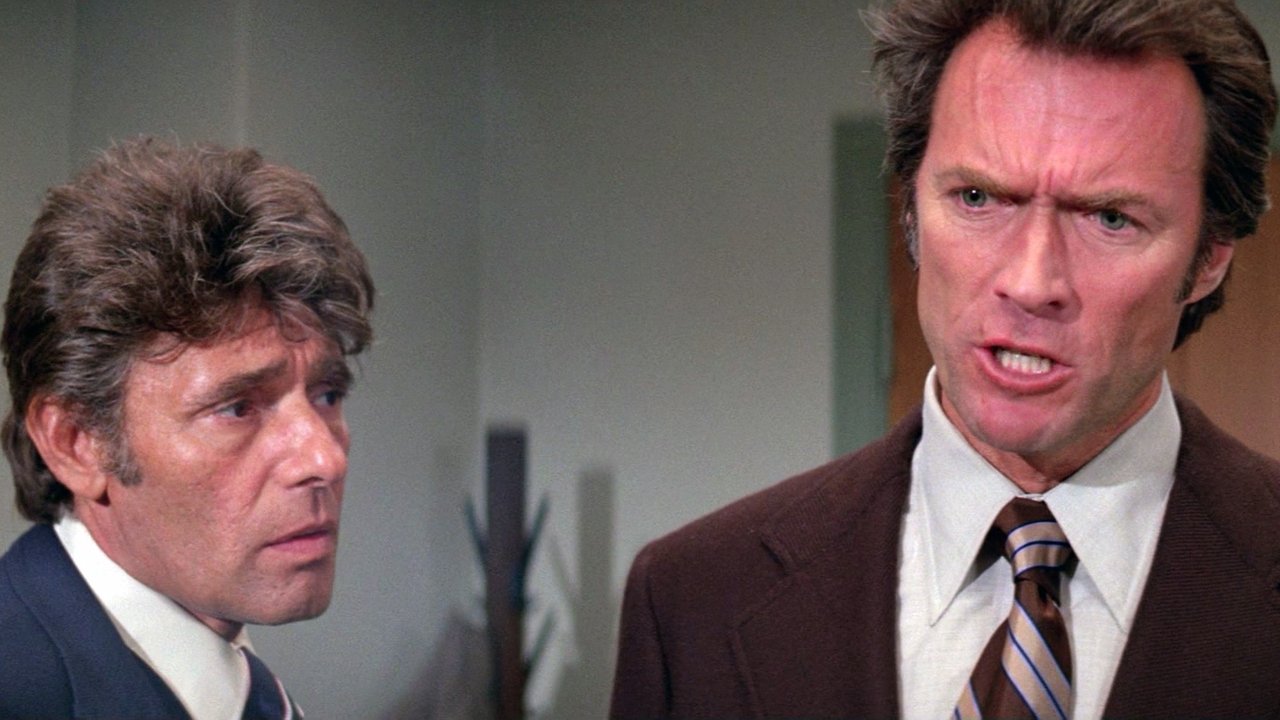
The plot kicks off with a bang—literally—as the PRSF lures a gas company driver to his doom and begins a campaign of municipal extortion. Clint Eastwood is, as always, the immovable object. He’s tired, he’s grumpy, and he’s still wearing those herringbone jackets that have seen better days. But the real spark comes from the city’s new mandate: equal opportunity for inspector positions. Harry is saddled with Kate Moore, played by a fantastic Tyne Daly.
Initially, the movie plays the "lady cop" angle for easy laughs, but the screenplay by Dean Riesner and Stirling Silliphant is smarter than that. Moore isn't just a diversity hire; she’s competent, even if she lacks Harry’s street-hardened instincts. I loved watching the gradual thaw between them. When Harry eventually starts defending her to the stuffed-shirt higher-ups like Bradford Dillman’s Captain McKay, it feels earned. It's a classic buddy-cop dynamic before the genre had fully beaten that trope into the ground.
Rockets, Roofs, and Real Stunts
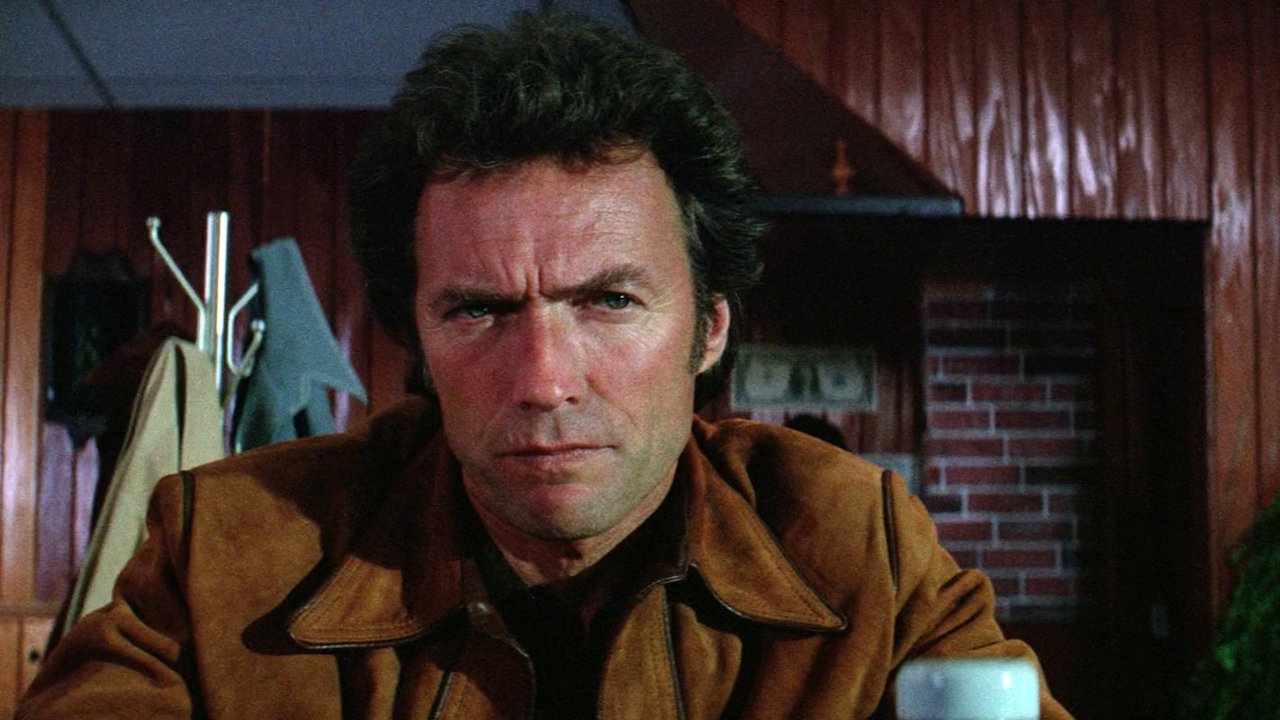
What really keeps The Enforcer from becoming just another procedural is the practical action. This was James Fargo’s directorial debut—he’d been Clint Eastwood’s assistant director on The Outlaw Josey Wales—and he brings a rugged, no-nonsense physicality to the set pieces. There is a foot chase across the rooftops of San Francisco that is just breathtaking. You can see the real actors and stunt performers hauling across actual tiles and ledges; there’s a weight to the movement that modern digital action just can’t replicate.
The film culminates in a siege on Alcatraz, which is a fantastic use of a legendary location. Seeing Harry stalk through the crumbling corridors of "The Rock" with a captured LAW rocket launcher is pure 70s cinema bliss. The sound design during these shootouts is incredibly aggressive. The boom of the .44 Magnum sounds less like a gun and more like a cannon going off in a cathedral. It’s oppressive, loud, and deeply satisfying.
However, let's be honest about the villains. Compared to the terrifyingly realistic "Scorpio" from the first film, DeVeren Bookwalter and his gang are a bit of a letdown. To be frank, the villains are about as threatening as a group of theater students who lost their way to a protest. They feel like a cartoonish riff on the Symbionese Liberation Army, lacking the genuine menace required to make Harry seem like he’s in real danger.
The VHS Time Capsule
For many of us, The Enforcer was a staple of the "Warner Home Video" era. I remember the specific texture of that oversized cardboard clamshell case—the one with the iconic image of Harry’s fist clutching the Magnum. These films were made for the home video revolution. On a grainy VHS tape, the high-contrast cinematography by Charles W. Short looks even grittier, the shadows of the San Francisco alleys deepening into pools of ink.
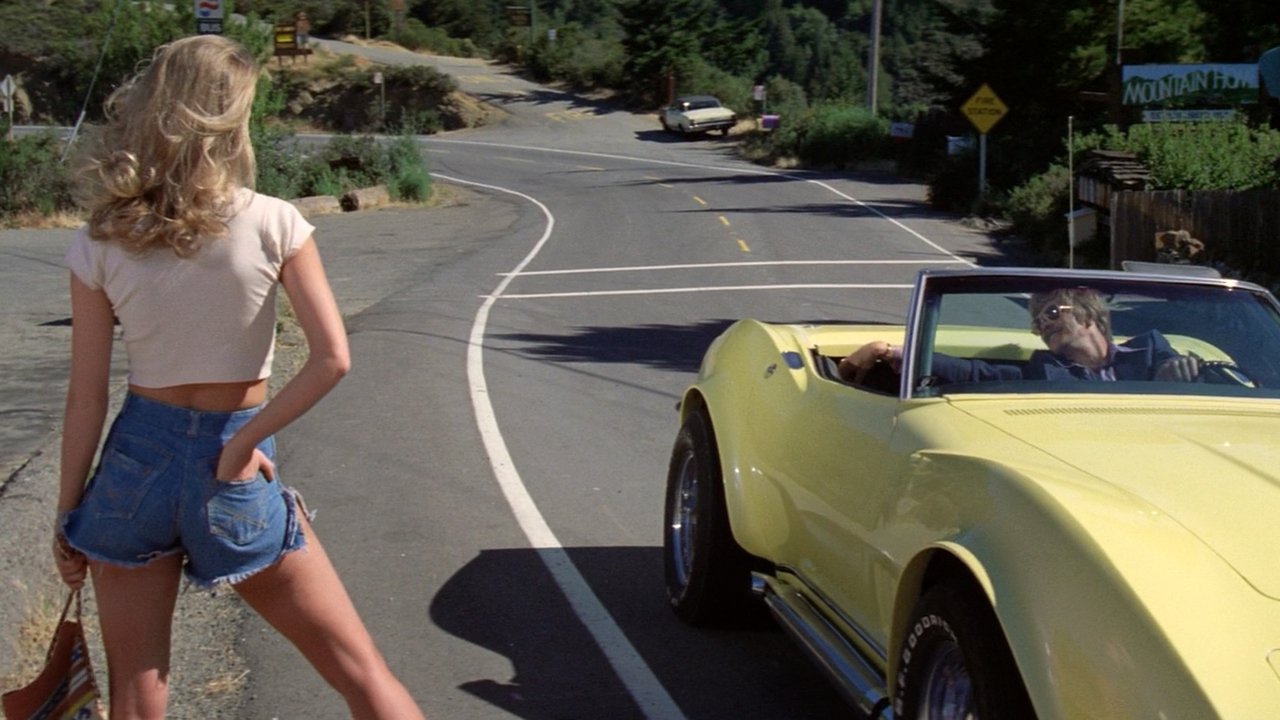
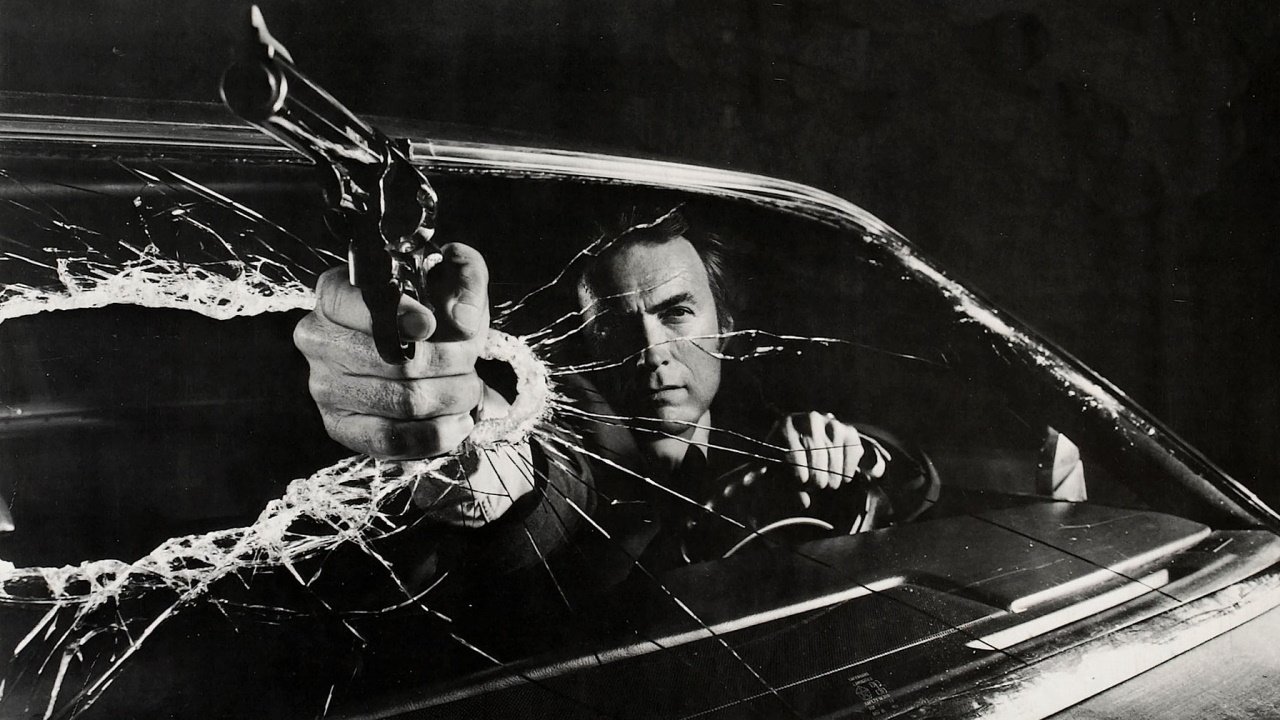
It’s also a fascinating document of a lost era of filmmaking. There are scenes here—like Harry driving a car through the front window of a liquor store to stop a robbery—that feel shockingly reckless by today’s safety standards. It’s that "Wild West" energy of the 70s that makes these movies so rewatchable. You’re not just watching a story; you’re watching a crew of professionals figure out how to blow things up in the middle of a major American city with minimal interference.
Even the supporting cast feels like a "Who's Who" of 70s character actors. Seeing John Mitchum back as Frank DiGiorgio provides a nice bit of continuity, though his subplot gives the movie its only real moment of genuine pathos. It reminds you that for all the "Dirty Harry" bravado, the job has a body count that usually hits closest to home.
The Enforcer doesn't try to reinvent the wheel, but it balances the series' trademark cynicism with a surprising amount of heart thanks to the Moore/Callahan partnership. It’s a lean, 96-minute reminder of why we fell in love with this archetype in the first place. If you can look past the slightly goofy villains, you’re left with a rock-solid action flick that captures a legendary city at its grittiest. It’s the cinematic equivalent of a cold beer and a thick steak—simple, satisfying, and exactly what you asked for.
Keep Exploring...
-
Dirty Harry
1971
-
Sudden Impact
1983
-

Magnum Force
1973
-
The Dead Pool
1988
-
Marathon Man
1976
-
Bullitt
1968
-
48 Hrs.
1982
-
Cobra
1986
-
Raw Deal
1986
-
Red Heat
1988
-
K-9
1989
-
Lock Up
1989
-
Turner & Hooch
1989
-
Batman
1966
-
Over the Top
1987
-
Escape from the Planet of the Apes
1971
-
Death Wish
1974
-
Assault on Precinct 13
1976
-

The Towering Inferno
1974
-
Logan's Run
1976