The Omen
"Evil has a new face. And it’s five years old."
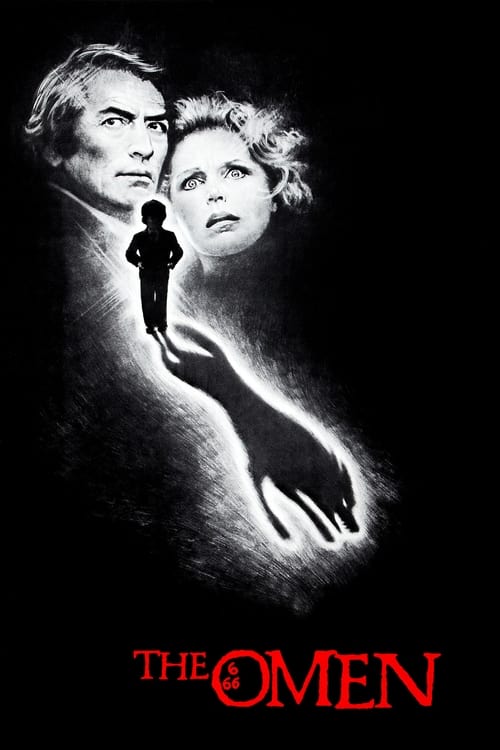
There is a specific, bone-chilling stillness to 1970s horror that modern jump-scare factories simply can’t replicate. I’m talking about that heavy, velvet-curtain dread that hangs over a film like The Omen. I rewatched it recently on a rainy Tuesday afternoon while eating a slightly-too-cold slice of pepperoni pizza, and even in the mundane daylight of my living room, the opening notes of "Ave Satani" made me want to bolt the doors. It’s a film that weaponizes the absolute silence of high-society London and then shatters it with some of the most creative practical kills in cinema history.

The Gravitas of the Antichrist
One thing that always strikes me about The Omen is the sheer audacity of its casting. You have Gregory Peck, the moral compass of American cinema, playing Robert Thorn. This isn't just a horror movie; it’s a Shakespearean tragedy dressed in a trench coat. Peck brings a level of gravitas that makes the supernatural elements feel terrifyingly grounded. He took the role partly because he wanted to play a character dealing with the kind of parental guilt he was feeling in his own life after his son's tragic suicide, and you can see that raw, paternal agony in every frame.
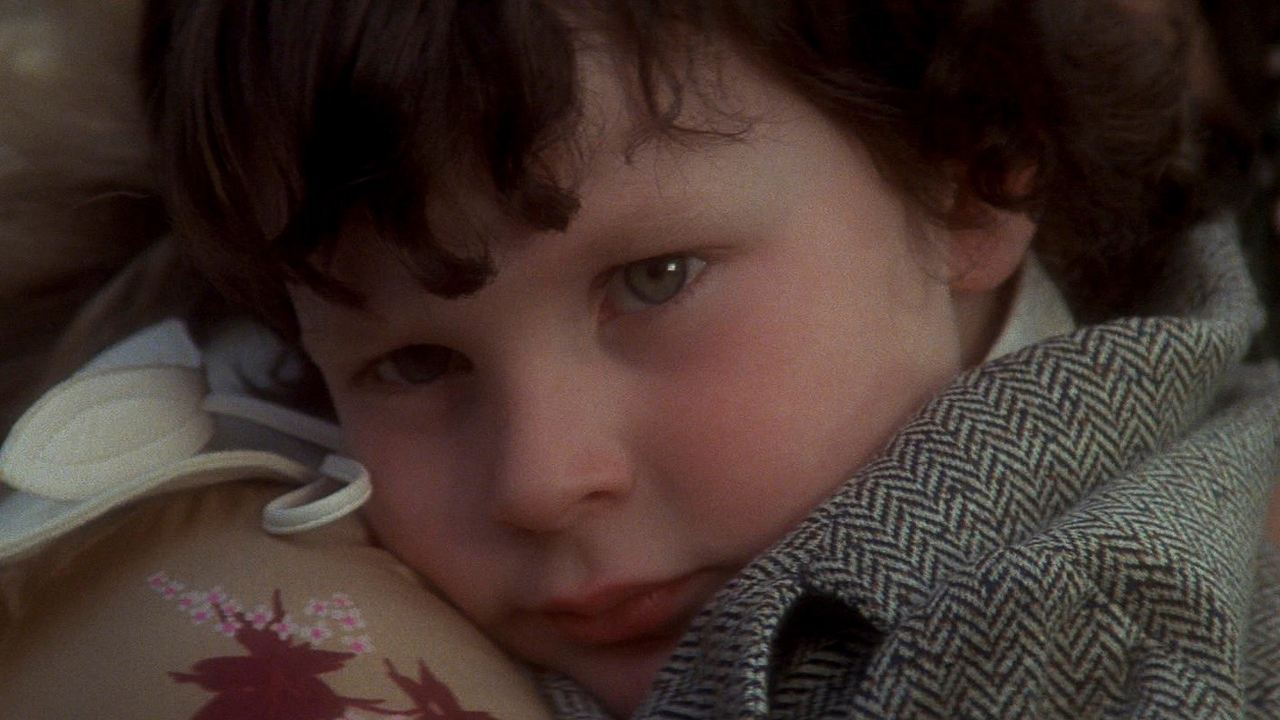
When he discovers the "666" mark under the hair of his son, Damien (Harvey Stephens), the look on his face isn't just fear—it’s the total collapse of a man's soul. Lee Remick is equally devastating as the mother slowly being gaslit by her own nursery. She plays Katherine with a brittle vulnerability that makes her eventual "accident" feel genuinely nauseating. These aren't cardboard teenagers in a forest; these are grieving, terrified adults realizing that the call is coming from inside the cradle.
Practical Brutality in the Pre-Digital Age
Before CGI turned gore into a weightless digital soup, Richard Donner and his crew were doing things that still look tactile and dangerous. The death of Keith Jennings (David Warner) involves a sheet of glass and a precision of timing that makes modern horror look like a safety-first daycare center. They used a dummy of Warner's head that was so realistic it allegedly made the actor feel faint when he saw it.
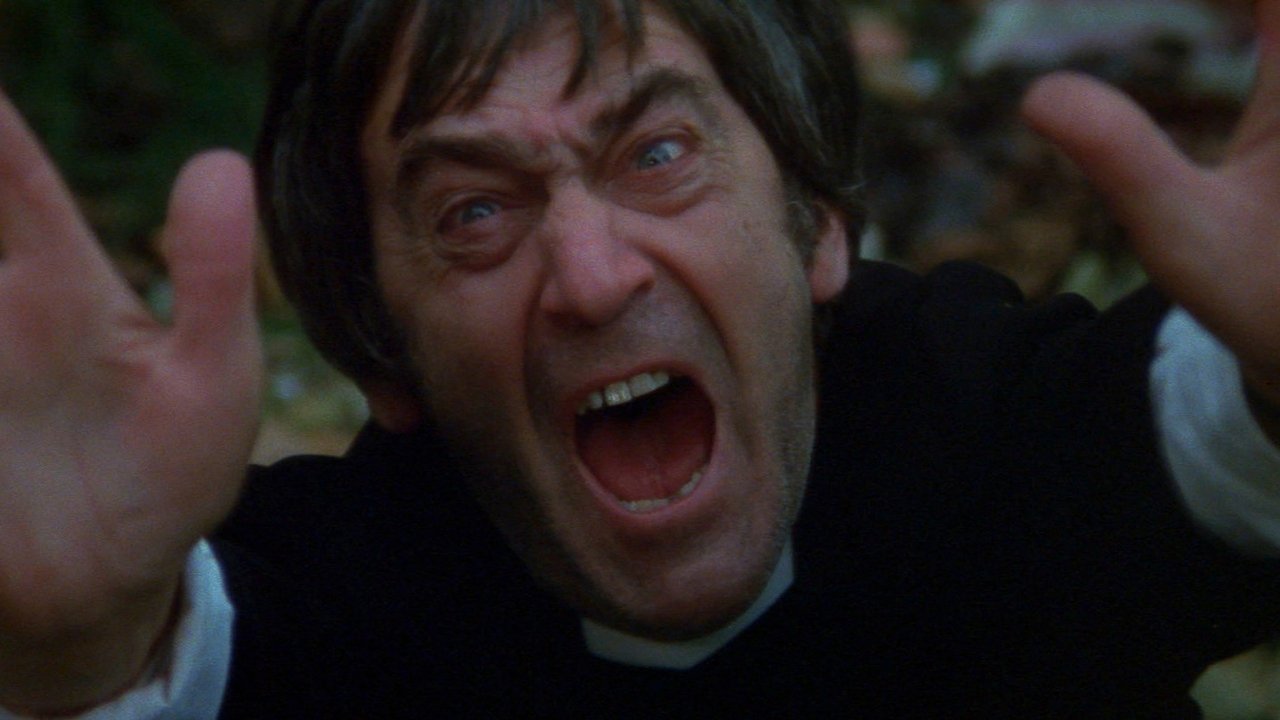
The cinematography by Gilbert Taylor (who would go on to shoot Star Wars a year later) uses these long, voyeuristic shots that make you feel like the Devil isn't just a character, but the one holding the camera. Donner’s brilliance here is his restraint. For the first hour, he plays it as a psychological thriller. Is Damien evil, or is Robert Thorn just losing his mind? By the time the priest (Patrick Troughton) gets skewered by a lightning rod, the question is answered with the force of a sledgehammer.
A Legacy Steeped in Dark Lore
You can't talk about this film without the "Curse." It’s the bread and butter of its cult status, the kind of lore we used to whisper about in the aisles of the local video store. During production, planes carrying Peck and screenwriter David Seltzer were struck by lightning on separate occasions. A plane the crew was supposed to use crashed, killing everyone on board. Even the animal handlers weren't safe; the baboons in the famous Windsor Safari Park scene were genuinely terrified of young Harvey Stephens, and a tiger handler was killed just days after the crew finished filming.
This isn't just marketing fluff; it’s the kind of dark energy that fueled its journey into the "The Omen Collection" hall of fame. I remember seeing the 20th Century Fox VHS box at the rental store; that iconic silhouette of the boy and the dog against a blood-red background was a warning as much as an advertisement. It stood out among the neon-slasher covers because it looked expensive and serious.
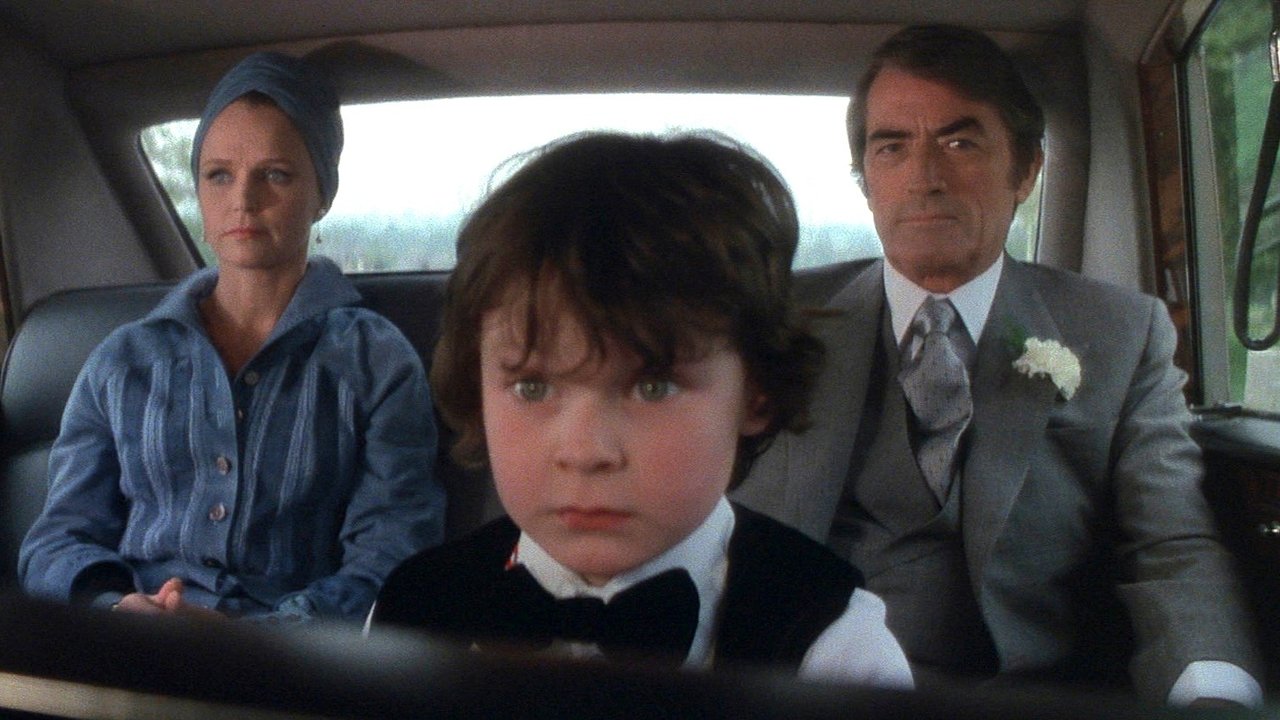
Billie Whitelaw as the demonic nanny Mrs. Baylock remains the film's secret weapon. She is the cinematic definition of "menacing," and I’m convinced she could scare a Great White Shark off a side of beef just by staring at it. To get the right performance out of the five-year-old Stephens, Donner allegedly told the boy to punch him as hard as he could, capturing that eerie, cold-eyed stare that launched a thousand "evil kid" tropes.
The film ends on a note that is so cynical and haunting it perfectly captures that post-Watergate, 70s American anxiety. It’s not just about a scary kid; it’s about the institutions we trust—the church, the government, the family—failing to protect us from an inevitable, ancient rot. It’s a masterstroke of tone and tension that remains just as oppressive today as it was on a grainy VHS tape in 1985.
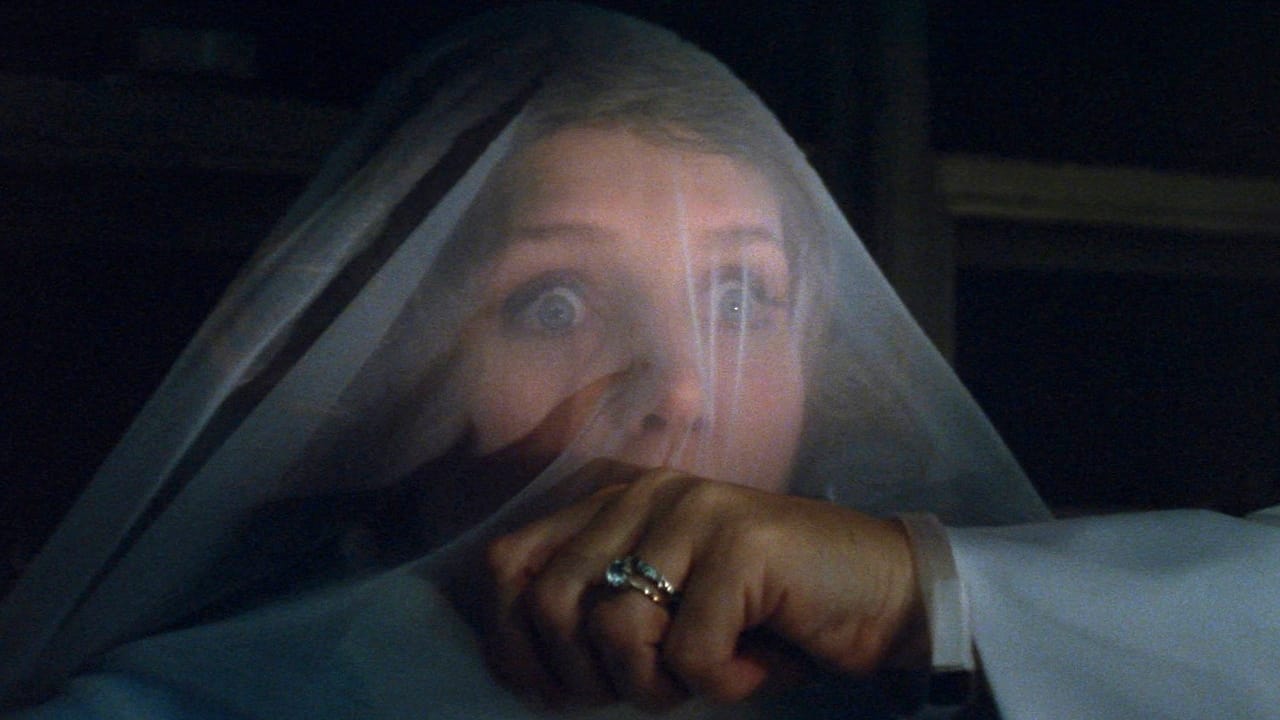
Keep Exploring...
-
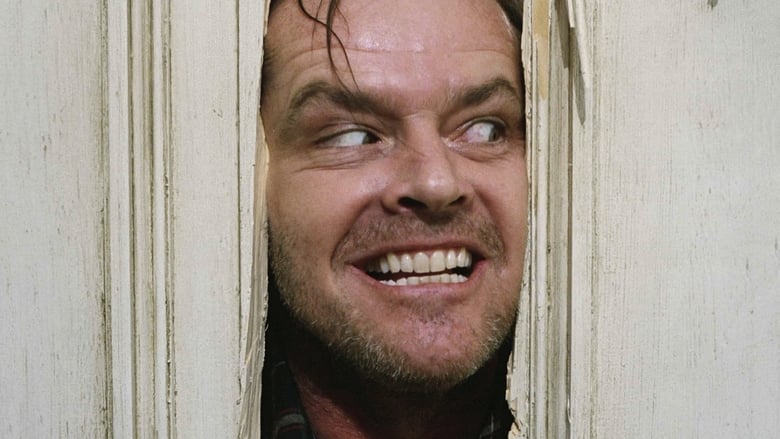
The Shining
1980
-

Frenzy
1972
-
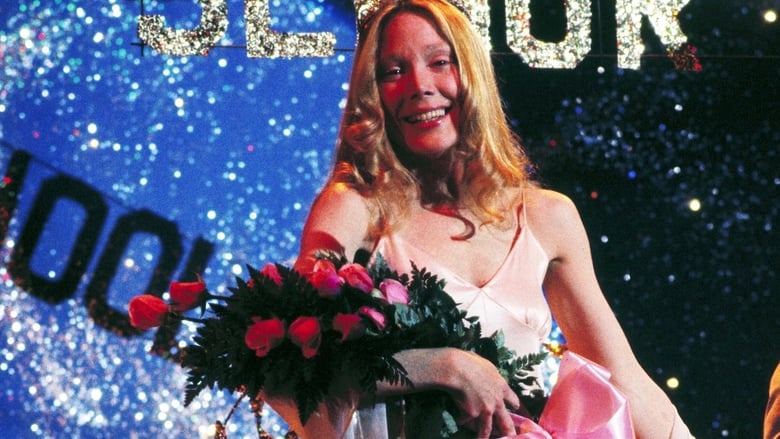
Carrie
1976
-

Halloween
1978
-
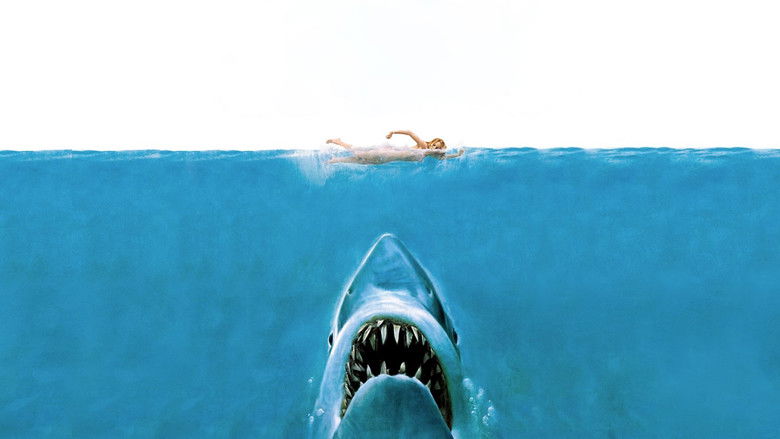
Jaws
1975
-
Duel
1971
-
The French Connection
1971
-
The Warriors
1979
-
What Ever Happened to Baby Jane?
1962
-
The Birds
1963
-
Night of the Living Dead
1968
-
Rosemary's Baby
1968
-
The First Omen
2024
-
Deep Red
1975
-
Escape from Alcatraz
1979
-
An American Werewolf in London
1981
-
Peeping Tom
1960
-

Repulsion
1965
-
The Dead Zone
1983
-
Manhunter
1986