The Outlaw Josey Wales
"Hell is coming to breakfast."
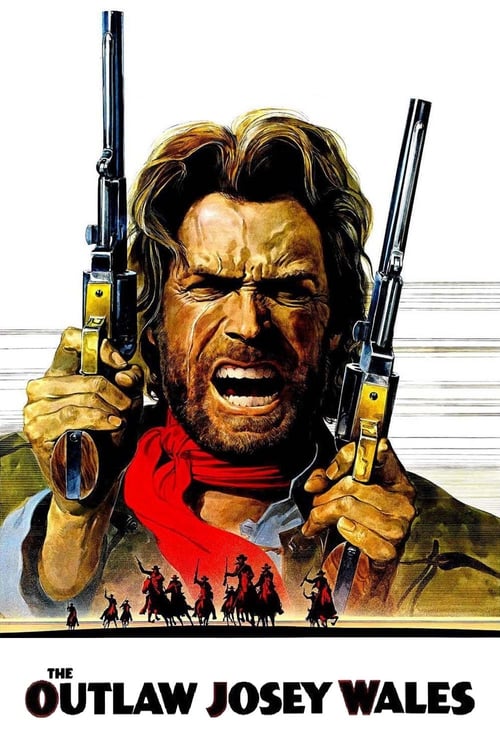
Most Western heroes ride into the sunset, but Josey Wales spends the better part of 135 minutes riding away from a sunrise that offers him nothing but ashes. By 1976, the American Western was supposed to be dead, or at least wheezing its last breath in the dusty shadow of New Hollywood’s cynicism. Then Clint Eastwood stepped behind the camera, spat a stream of tobacco juice on a silver-furred dog, and reminded everyone that the genre didn't need a funeral—it needed a transfusion.
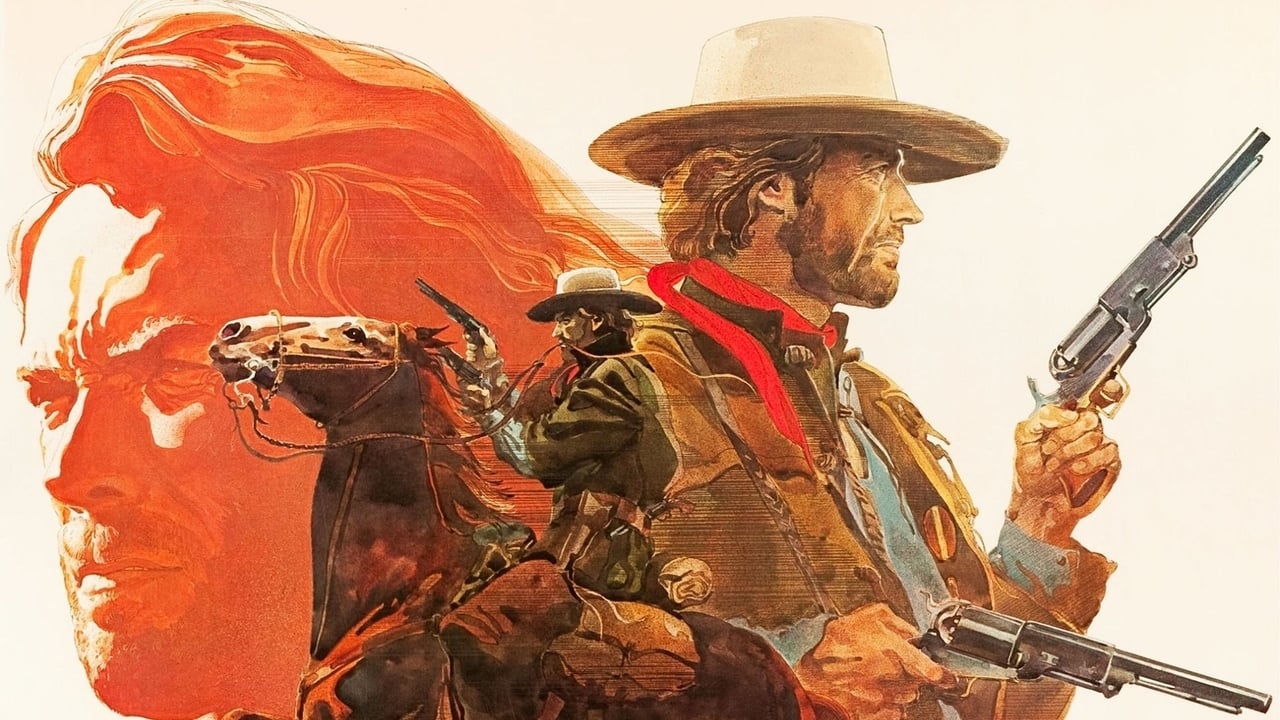
I once tried to replicate Josey’s signature tobacco-spitting technique with a piece of black licorice while lounging on a beanbag chair, and I ended up staining a shag rug so badly my mother thought the dog had suffered a catastrophic medical emergency. It turns out that looking cool while being remarkably gross is a talent reserved strictly for 70s-era Eastwood.
The Mutiny Behind the Masterpiece
The DNA of The Outlaw Josey Wales is a fascinating mess of creative friction. It was originally a Philip Kaufman project—the man who would later give us The Right Stuff—but Clint Eastwood famously fired him early into production. The Directors Guild was so annoyed by this "star-takes-over" move that they created the "Eastwood Rule," making it nearly impossible for a producer or actor to fire a director and then take the seat themselves.
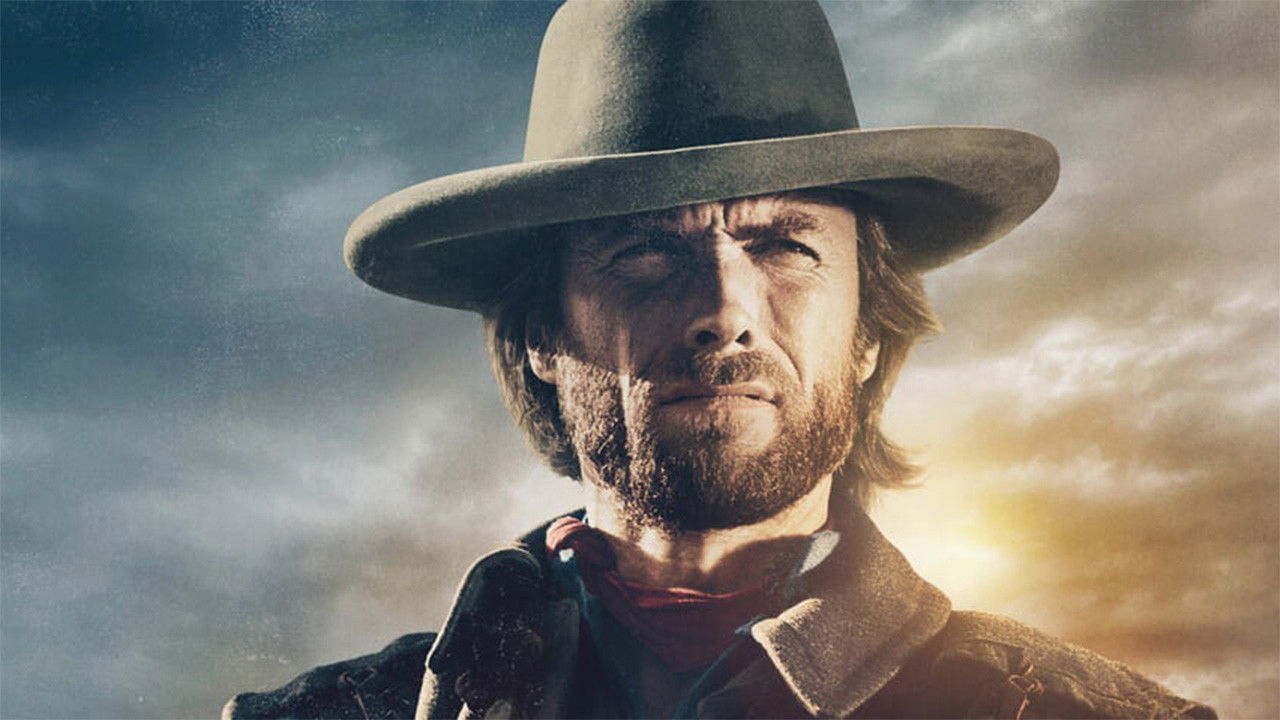
While the DGA was fuming, Clint was busy making his most soulful film. Despite the messy behind-the-scenes drama, Clint Eastwood retained Kaufman’s script (co-written with Sonia Chernus), which treated the post-Civil War landscape not as a playground for adventure, but as a graveyard of broken promises. The film has a texture that felt entirely different from the Technicolor expanses of John Ford. Thanks to cinematographer Bruce Surtees, the "Prince of Darkness," the film looks like an old, tea-stained photograph. The lighting is moody, the shadows are deep, and the violence is jagged. It’s basically a high-budget revenge flick that accidentally became a poem about trauma.
The Family You Find When You’re Dying

What separates this from the "Man with No Name" trilogy is that Josey Wales actually has a name, a home, and a soul that he’s desperately trying to bury. After his family is slaughtered by the Redlegs—led by a delightfully hissable Bill McKinney—Josey joins a Confederate guerrilla unit. When the war ends and his comrades are betrayed, Josey becomes the titular outlaw.
But the "outlaw" part is a bit of a misnomer. The genius of the script is that Josey tries his hardest to be a lone wolf, yet he keeps accidentally collecting people. He’s a magnet for the discarded. The absolute heart of the movie isn't the gunfights; it’s Chief Dan George as Lone Watie. He provides a dry, observational wit that completely upends the "noble savage" tropes of old Hollywood. His chemistry with Clint is legendary—one is a stone-faced killer, the other is an elderly man who complains about his joints and his inability to sneak up on anyone.
As they pick up Sondra Locke as the waifish Laura Lee and Paula Trueman as the feisty Grandma Sarah, the film transforms into an "Odd Couple" road movie where everyone happens to be carrying a Colt Walker. The final act isn't just a shootout; it’s a defense of the weird, makeshift family they’ve built.
The VHS Grail of the Rental Era
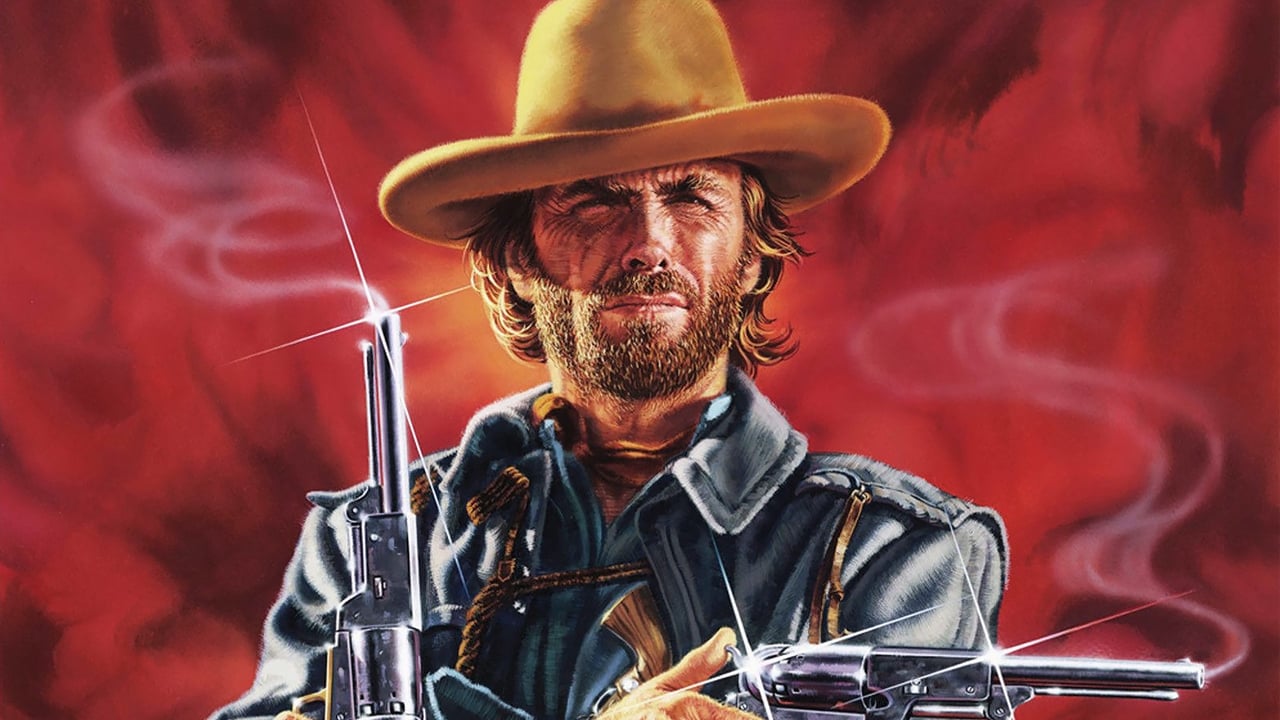
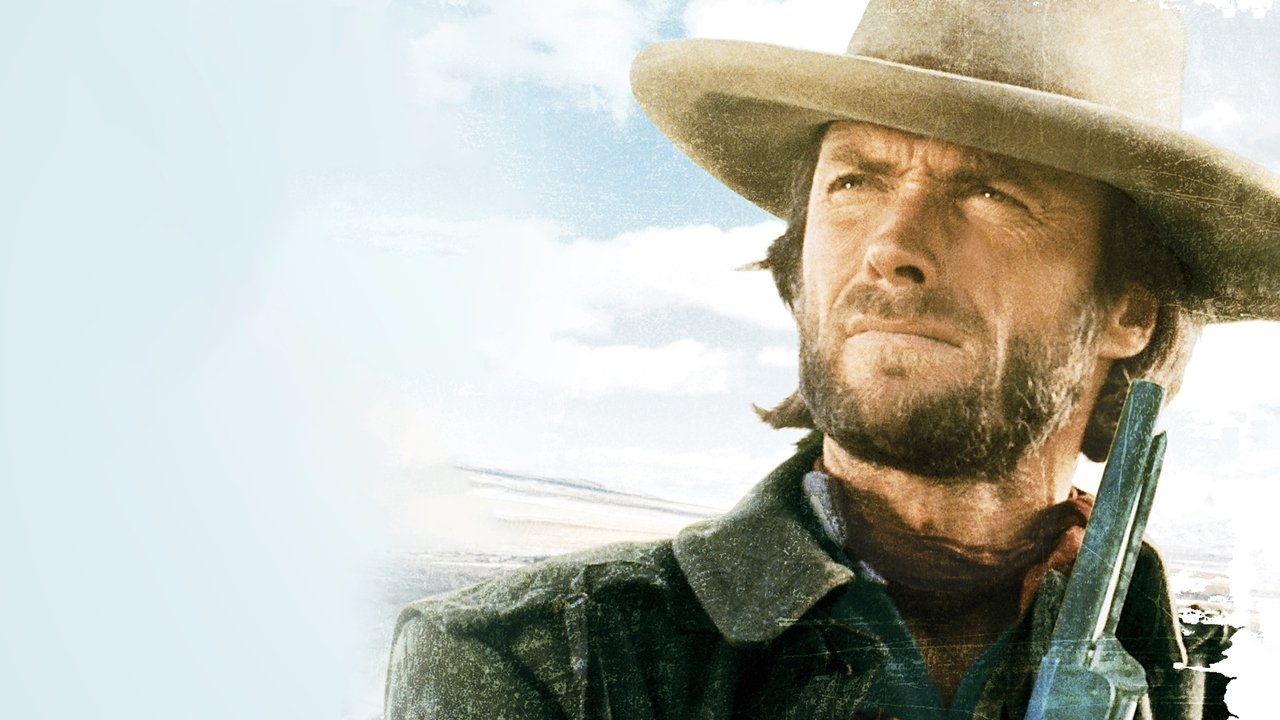
If you grew up in the 80s, the Josey Wales VHS was a permanent fixture on the "Action" shelf of every mom-and-pop video store. The Warner Home Video "Big Box" art—with Clint clad in his grey duster, clutching two massive revolvers—was the ultimate bait for anyone looking for a Friday night thrill. While the 70s audience saw it as a revisionist take on the Bicentennial, the VHS generation treated it as a staple of the "one man army" subgenre, even though the film is much more meditative than the box art suggested.
The practical effects here are peak 70s. There’s no CGI blood spray; it’s all squibs, dust hits, and real horses. When Josey uses those Gatling guns, you can practically smell the sulfur and the grease. There's a tactile weight to the world that feels lost in modern cinema. Everything looks lived-in, dirty, and dangerous. John Vernon, as the conflicted Fletcher, brings a layer of Shakespearean regret to the "villain" role that makes the inevitable confrontation feel like a tragedy rather than a triumph.
The Outlaw Josey Wales remains the definitive bridge between the old-school Westerns of the 1950s and the grim deconstruction of Unforgiven. It’s a film that understands that words are often useless, but a well-timed "I reckon" can speak volumes. It captures a specific American melancholy—the feeling of trying to find a peaceful life in a world that only respects the gun. Whether you're here for the iconic dialogue or the sight of Chief Dan George being the coolest person on screen, it’s a film that earns every minute of its runtime. It isn't just an army of one; it's a masterpiece of many.
Keep Exploring...
-
High Plains Drifter
1973
-
Pale Rider
1985
-
Heartbreak Ridge
1986
-
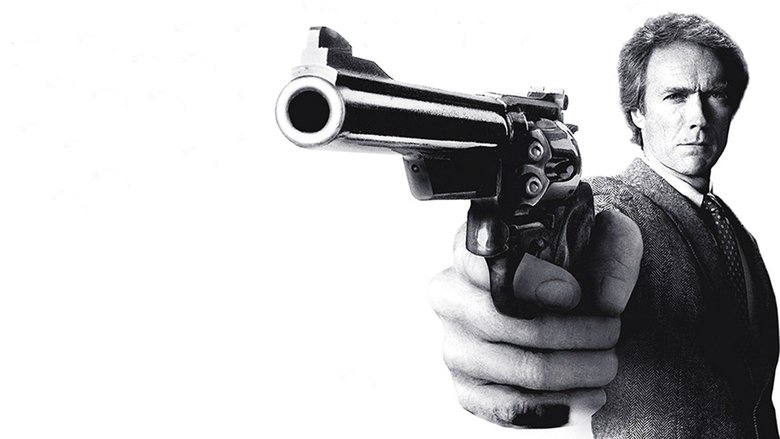
Sudden Impact
1983
-
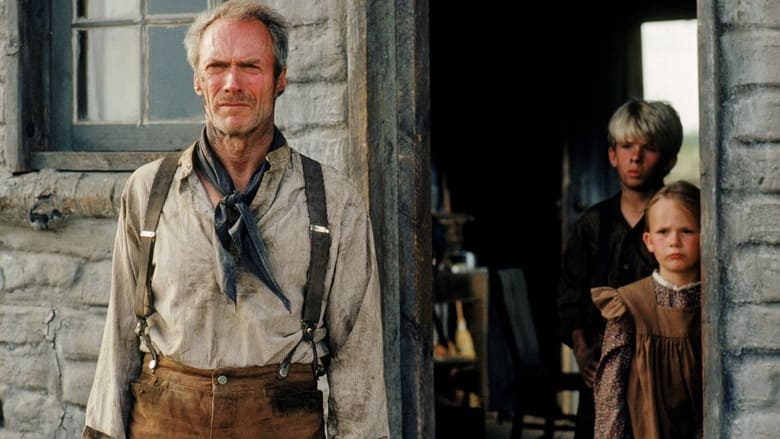
Unforgiven
1992
-
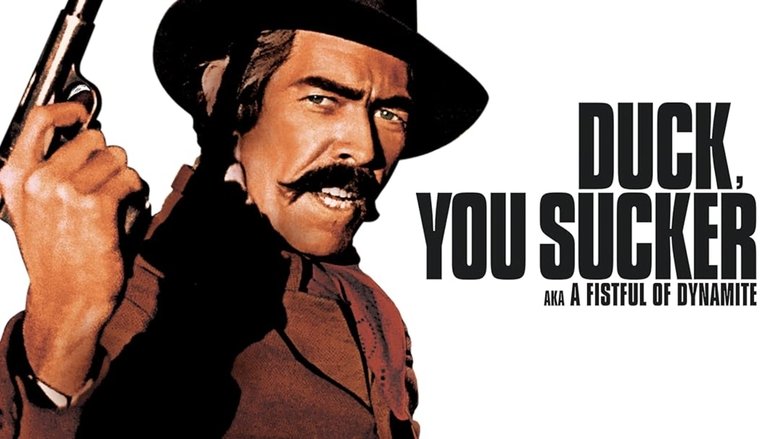
Duck, You Sucker
1971
-

The Man Who Shot Liberty Valance
1962
-

Magnum Force
1973
-
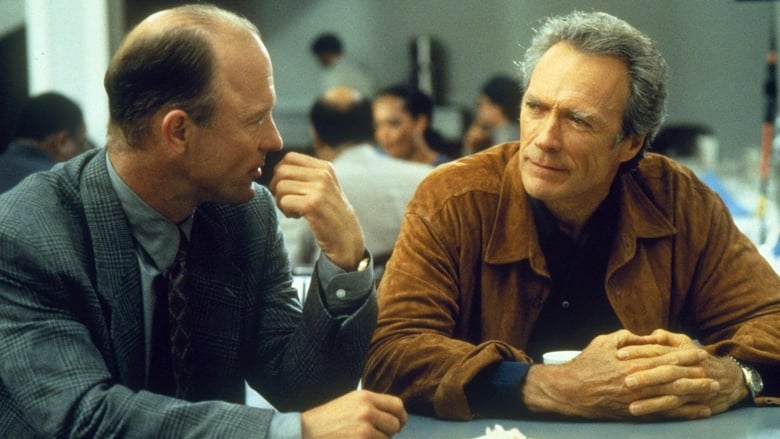
Absolute Power
1997
-
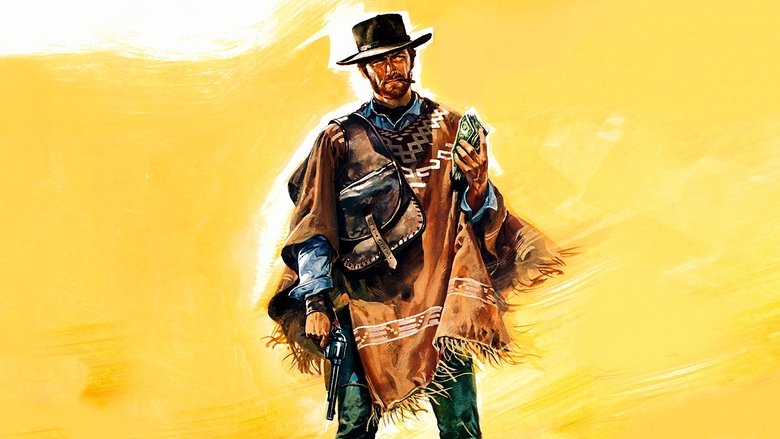
A Fistful of Dollars
1964
-
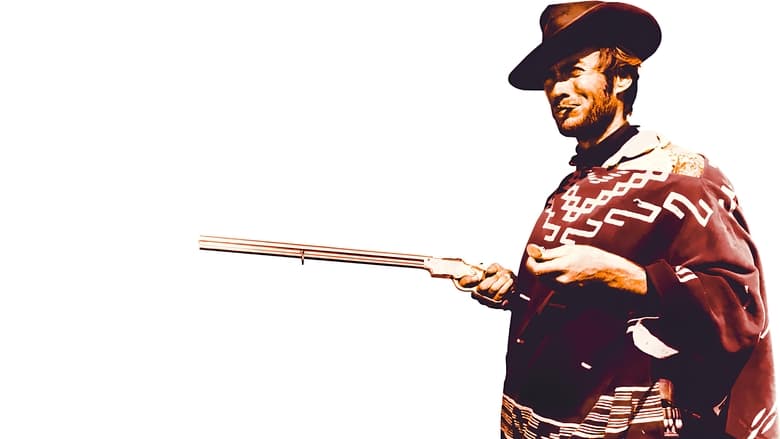
For a Few Dollars More
1965
-
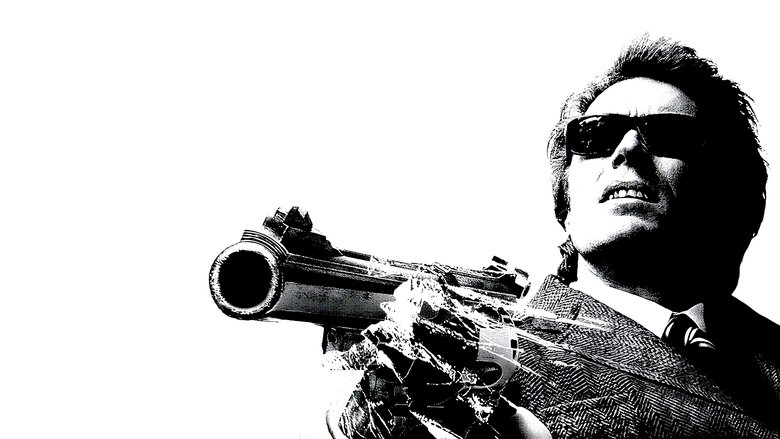
Dirty Harry
1971
-
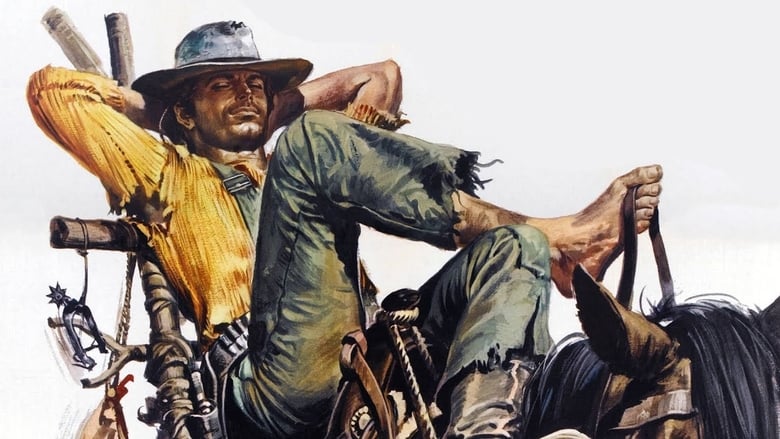
Trinity Is Still My Name
1971
-
My Name Is Nobody
1973
-
The Wild Bunch
1969
-
Deliverance
1972
-

Westworld
1973
-
Blazing Saddles
1974
-
Django
1966
-
They Call Me Trinity
1970