The Tenant
"The neighbors are dying for you to move in."
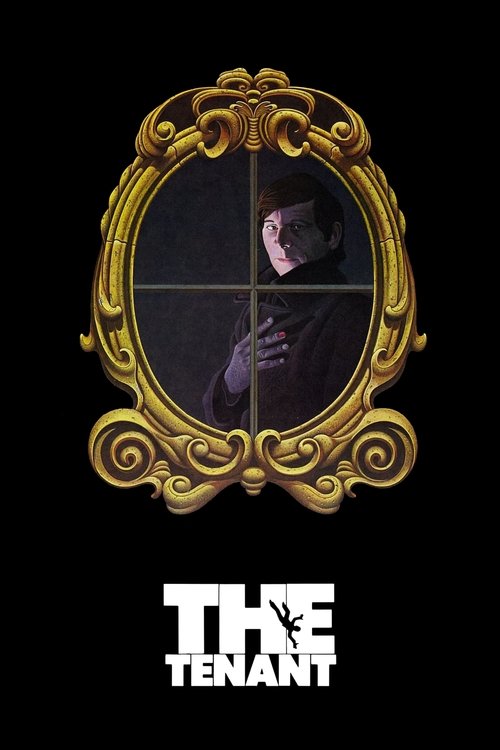
I once lived in a third-floor walk-up in a drafty part of town where I could hear my neighbor’s digital clock ticking through the drywall. It drove me to the brink of a low-grade fever. But after revisiting Roman Polanski’s The Tenant, my old noise complaints feel like a luxury. I watched this film late on a Tuesday while nursing a lukewarm cup of instant miso soup, and by the time the credits rolled, I found myself checking the locks on my windows—not to keep people out, but to make sure I wasn't tempted to jump.
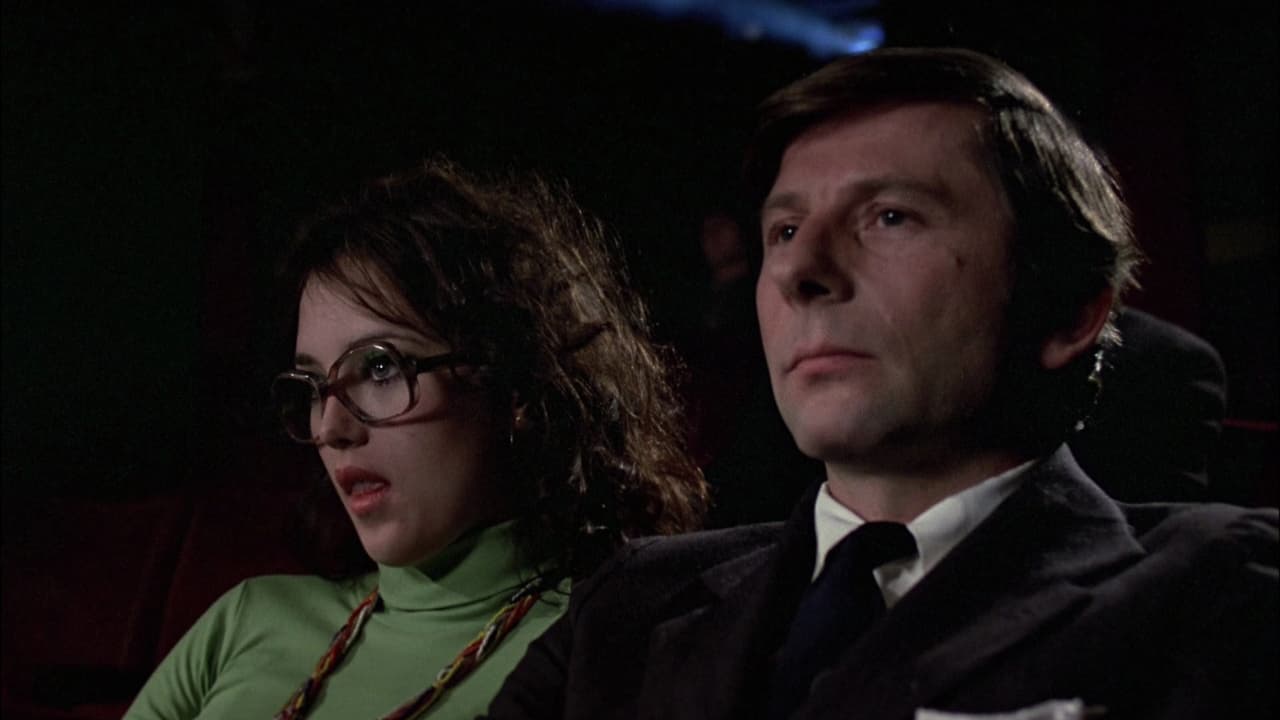
The Tenant is the final, and perhaps most deranged, entry in Polanski’s unofficial "Apartment Trilogy," following Repulsion and Rosemary’s Baby. While those films dealt with externalized demons and sexual repression, The Tenant is a far more slippery beast. It’s a film about the total erasure of the self, served with a side of Kafkaesque Bureaucracy.
The Politeness of the Damned
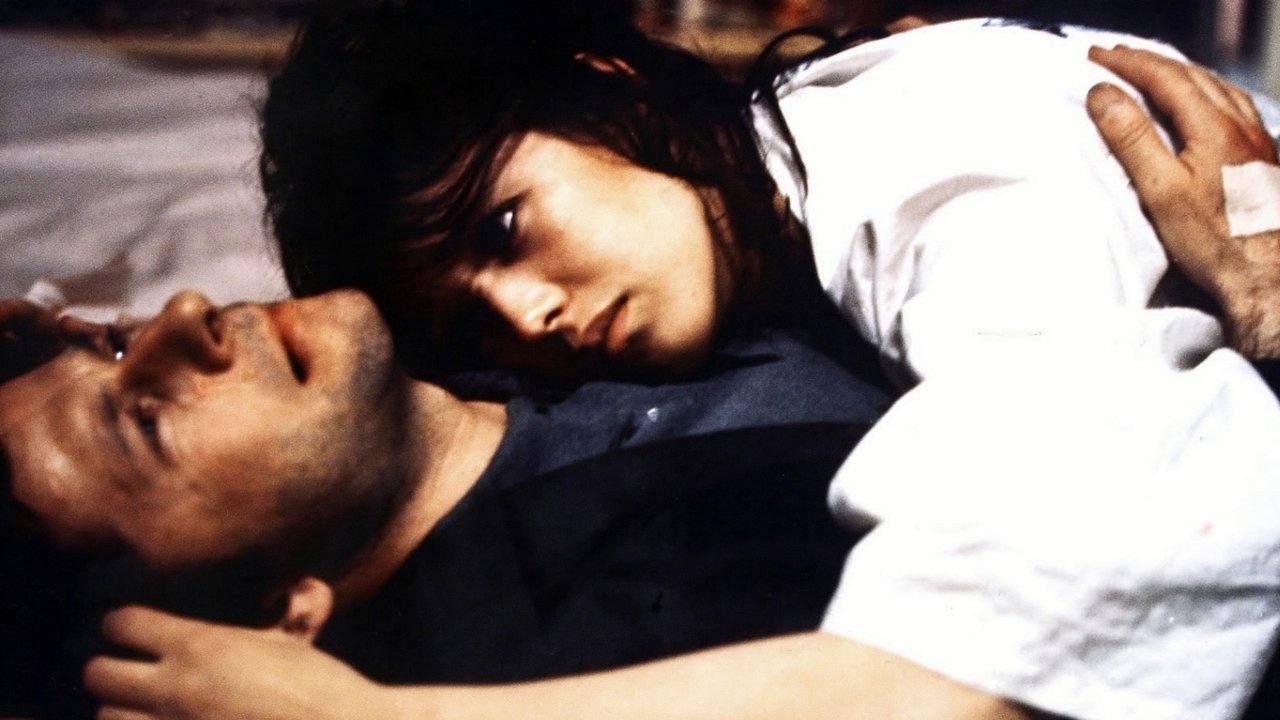
Roman Polanski stars as Trelkovsky, a mousey, pathologically polite clerk looking for a room in Paris. He finds one, but there’s a catch: the previous tenant, Simone Choule, recently threw herself out the window. She’s still clinging to life in a hospital, wrapped head-to-toe in bandages like a classic Universal mummy. Trelkovsky waits for her to die, moves in, and then the walls—quite literally—begin to close in.
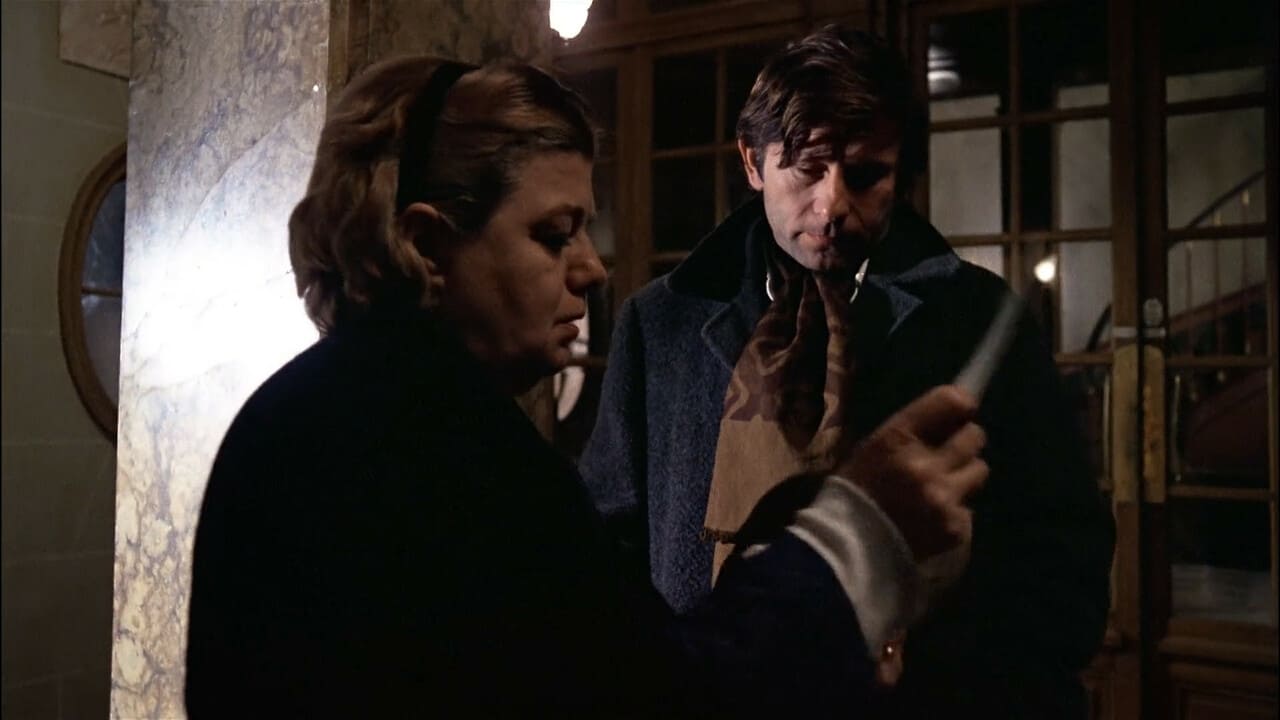
What makes Trelkovsky so unnerving is his desire to be "no trouble." He is the human equivalent of a damp paper towel trying not to offend the floor. He apologizes for existing. When his neighbors, led by the draconian Monsieur Zy (Melvyn Douglas) and a terrifyingly stern concierge (Shelley Winters), demand absolute silence, Trelkovsky doesn't fight back. He retreats.
The horror here isn't a jump scare; it’s the slow-motion realization that Trelkovsky is being groomed to replace the dead girl. His neighbors aren't just rude; they are a collective, predatory force of "decency" that demands his total assimilation. It’s an intense, claustrophobic experience that suggests the greatest threat to your identity is a landlord with a noise complaint.
A Masterclass in Creeping Dread
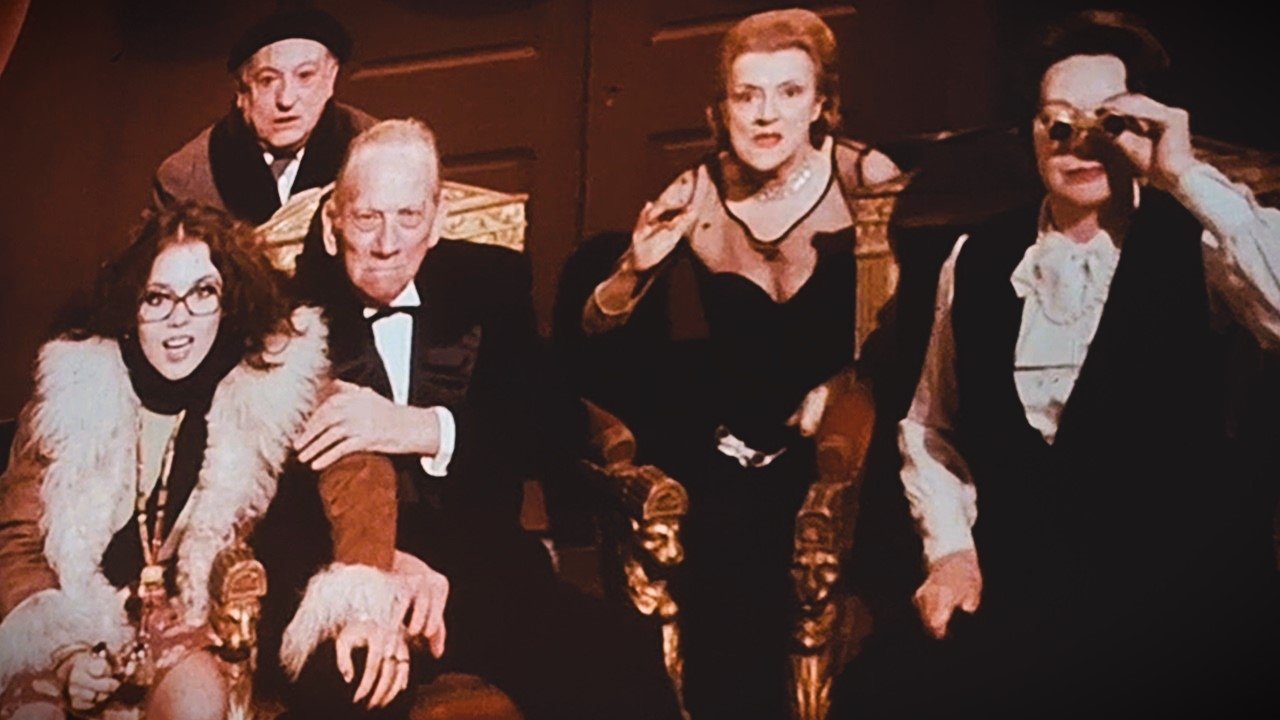
Visually, the film is a nightmare of perspective. Polanski hired Sven Nykvist—Ingmar Bergman’s legendary cinematographer—to capture the sickly yellows and oppressive shadows of the apartment complex. They used a "Louma" crane, a piece of tech that was brand new at the time, allowing the camera to drift through the courtyard like a ghost. It makes the building feel like a Panopticon where everyone is watching, and no one is helping.
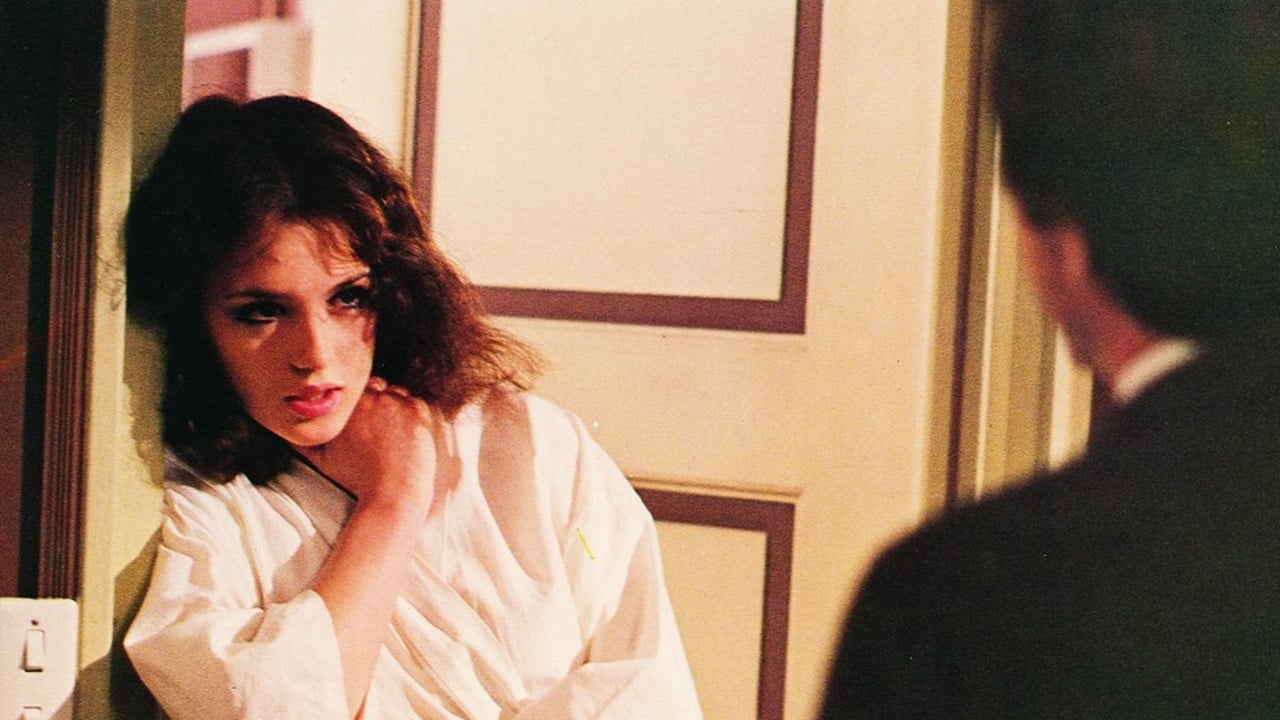
The performances are uniformly excellent, if dialed to a pitch of "uncomfortably heightened." Isabelle Adjani provides the only breath of fresh air as Stella, a friend of the dead girl who represents a life Trelkovsky is too terrified to lead. But even her presence feels tainted by the film’s overwhelming cynicism. The supporting cast, featuring veterans like Jo Van Fleet and Bernard Fresson, creates a gallery of grotesques that feel like they stepped out of a George Grosz painting.
As the film progresses, the logic begins to dissolve. Trelkovsky finds a tooth hidden in a hole in the wall. He starts wearing Simone's clothes. He buys her brand of cigarettes. Is he being possessed? Is it a conspiracy? Or is Trelkovsky just a man so hollow that he’ll fill his vacuum of a personality with whatever the neighbors tell him to be?
The VHS Cult of the Cracked Face
When The Tenant hit theaters in 1976, it was largely dismissed. Critics found it too dark, too weird, and perhaps a bit too indulgent on Polanski’s part. It took the home video revolution of the late 70s and early 80s to turn this into the cult obsession it is today.
I remember the Paramount Home Video box art vividly: a man’s face (Polanski’s) literally cracking open to reveal the apartment building inside his skull. It was a "shelf-talker" that promised a psychological meltdown, and for those of us who rented it on a grainy VHS tape, the low-res quality actually enhanced the film’s grimy, tactile atmosphere. On a CRT television, the dark corners of Trelkovsky’s room looked even deeper and more suspicious.
It’s a film that demands multiple viewings, largely because the sound design is so intricate. Every creak of a floorboard and every hushed whisper in the hallway feels like a direct assault on the protagonist’s sanity. It belongs to that wonderful 70s era where directors were allowed to make "art" movies that were also genuinely terrifying—before the blockbuster era sanitized the psychological thriller into something more predictable.
The Tenant is not a "fun" movie, but it is an essential one for anyone who appreciates the architecture of a breakdown. It captures a specific type of urban anxiety—the fear that you don't really own your life, you just rent it from people who hate you. By the time the cyclical, screaming finale arrives, you’ll realize that Polanski has pulled off a terrifying trick: he’s made you feel as trapped as the man on the screen. It’s a dark, intense masterpiece that stays with you long after you’ve turned off the lights and tried to sleep. Just try not to make too much noise.
Keep Exploring...
-
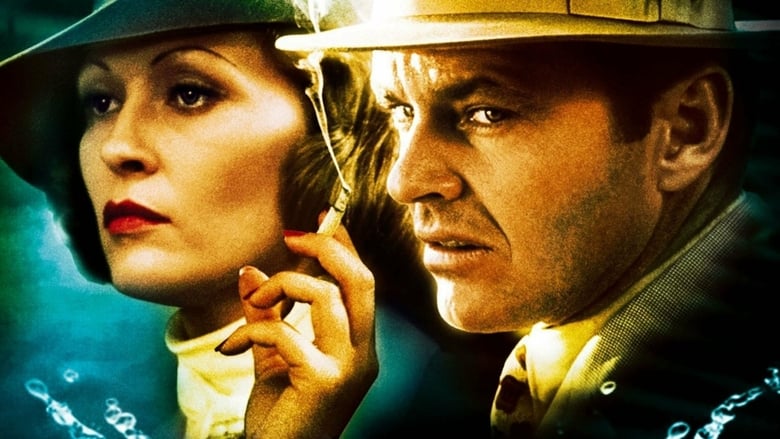
Chinatown
1974
-

Repulsion
1965
-
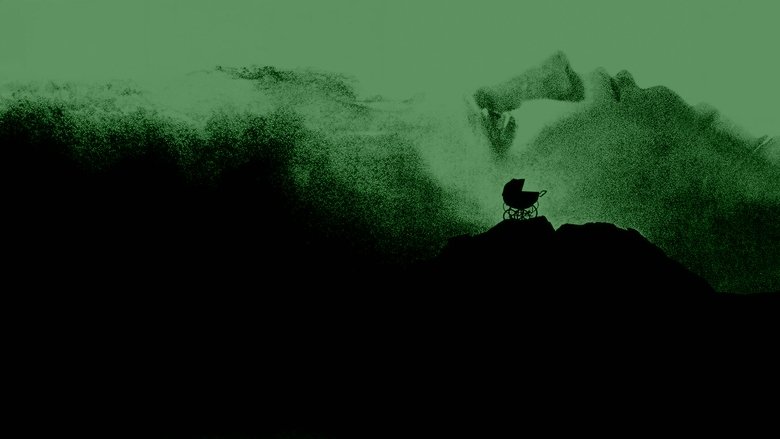
Rosemary's Baby
1968
-
Frantic
1988
-
All the President's Men
1976
-
An Officer and a Spy
2019
-
The Name of the Rose
1986
-
Mississippi Burning
1988
-
The Poseidon Adventure
1972
-
Murder on the Orient Express
1974
-
Deliverance
1972
-
Deep Red
1975
-

Three Days of the Condor
1975
-
Marathon Man
1976
-

Murder by Death
1976
-
Blow Out
1981
-
Blow-Up
1966
-
In the Heat of the Night
1967
-
Le Samouraï
1967
-

Yojimbo
1961