The Twelve Tasks of Asterix
"Twelve impossible tasks. One giant menhir. Zero sanity remaining."
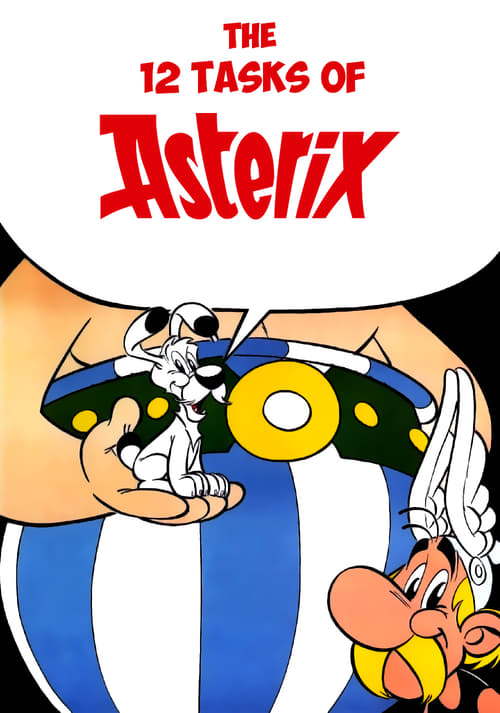
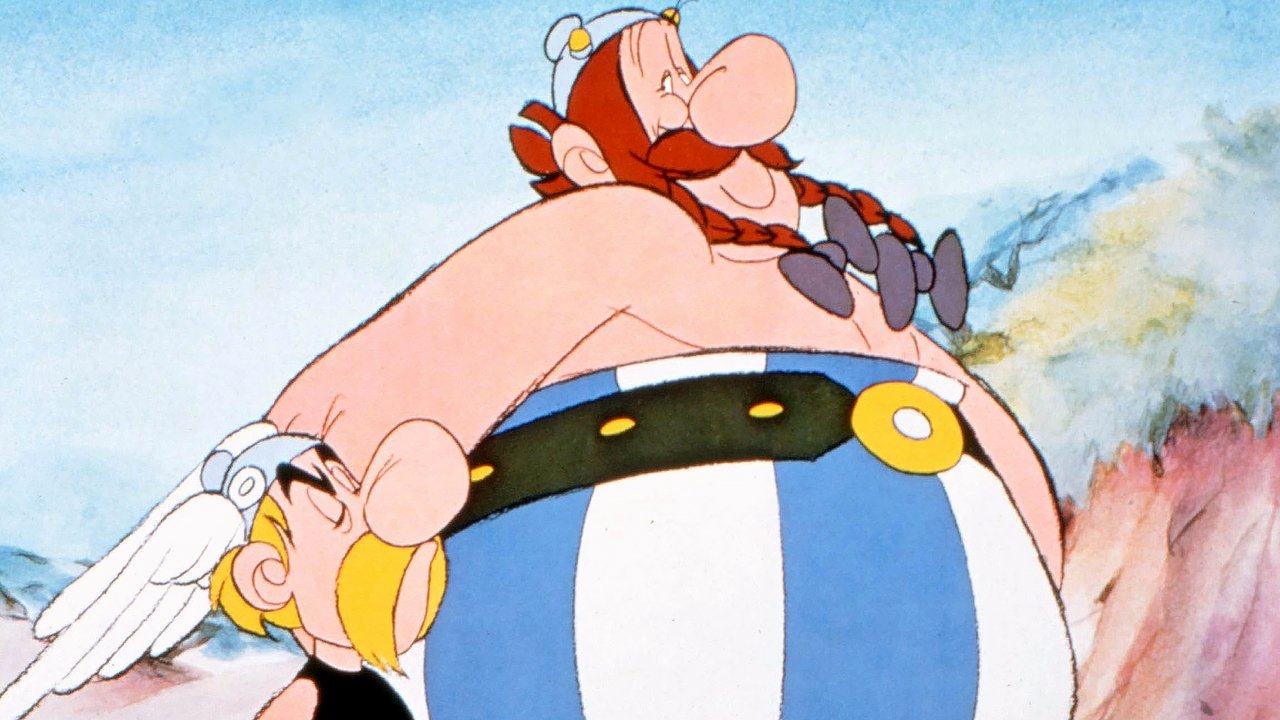
I recently revisited this gem while wearing one mismatched wool sock—the other having been lost to the laundry abyss—and honestly, the slightly off-kilter feeling of having one cold foot perfectly matched the psychedelic energy of this movie. The Twelve Tasks of Asterix isn’t just a "kids' cartoon"; it’s a beautifully strange artifact from 1976 that feels like the animators were having the time of their lives mocking every pillar of Western civilization.
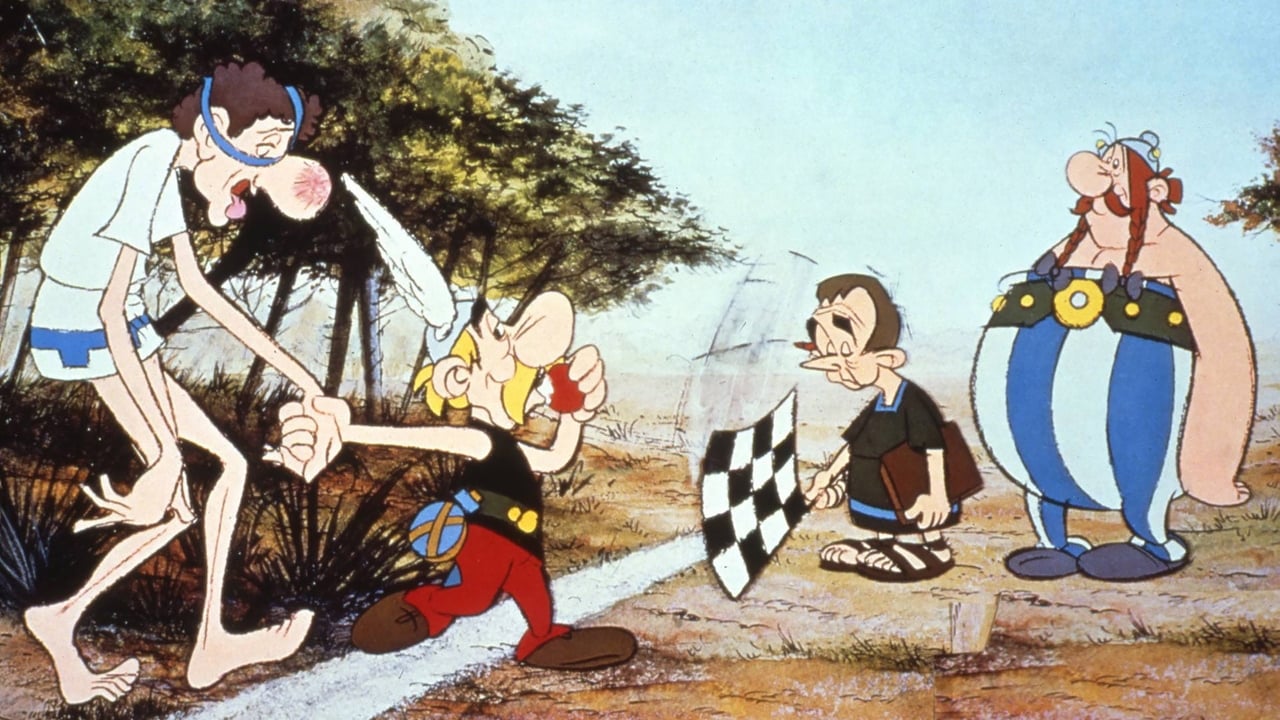
While the Asterix films were massive across Europe, they occupied a weird, mystical space in the North American home video market of the 80s. You’d find this tape in the "Children’s" section of a local rental shop, sitting awkwardly between a Disney classic and some low-budget knockoff. But the moment you popped it into the top-loader, you realized this was something else entirely. It lacked the sugary sentimentality of American features, opting instead for a sharp, satirical wit that felt refreshingly adult.
The Bureaucratic Nightmare We Deserve
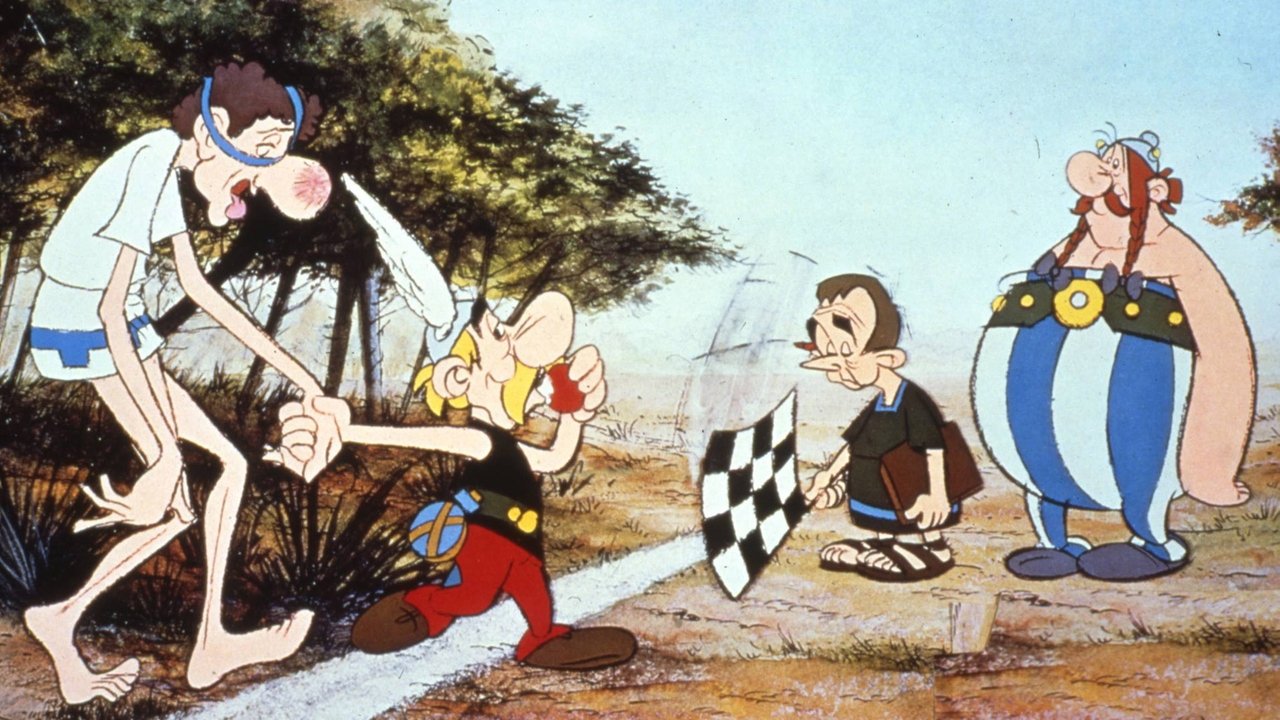
Unlike most Asterix films, this wasn't an adaptation of a specific book. Creators René Goscinny and Albert Uderzo wrote an original screenplay, which allowed them to lean into a more episodic, "quest-style" adventure structure. The premise is simple: Caesar (Jean Martinelli) is tired of being humiliated by this one tiny village of indomitable Gauls. He offers them a deal—complete twelve Herculean tasks, and he’ll step down. Fail, and they become slaves.
The standout sequence—and the reason this film remains a cult masterpiece—is "The Place That Sends You Mad." Our heroes have to retrieve a permit from a multi-story government building filled with unhelpful clerks who keep sending them to different windows for different forms. It is, without hyperbole, the most accurate depiction of bureaucracy ever committed to celluloid. Watching Roger Carel (the definitive voice of Asterix) slowly lose his mind while asking for "Permit A-38" is a rite of passage. The bureaucratic 'Place That Sends You Mad' is more terrifying than any circle of Dante’s Inferno, and seeing Asterix use the clerks' own logic against them is a masterclass in comedic writing.
A Gallic Middle Finger to Olympus
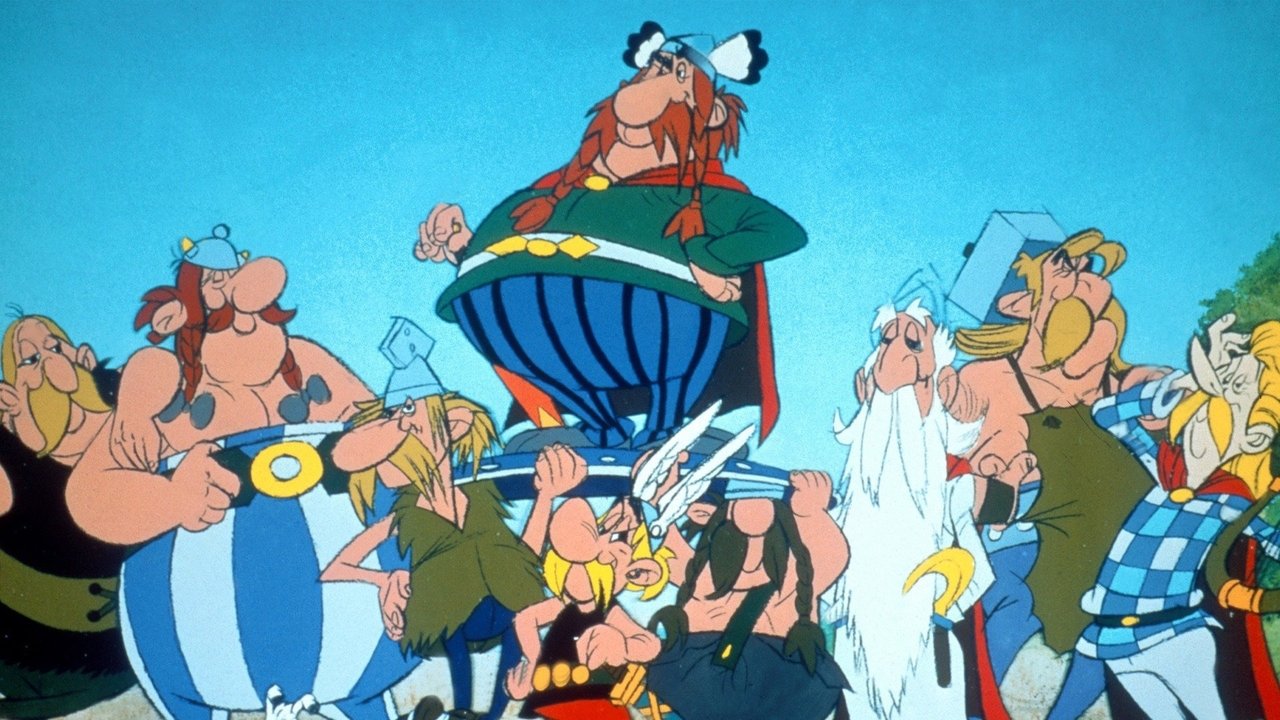
The adventure moves at a breakneck pace, taking us from the plains of Olympia to the "Cave of the Beast," which features some surprisingly trippy 70s animation. The visual style of Studios Idéfix (the short-lived studio founded by the creators) is fascinating. It’s cleaner than the earlier Asterix the Gaul (1967) but retains a hand-drawn, tactile grit that CGI simply cannot replicate.
There’s a sequence involving a Persian magician who hypnotizes the Gauls into thinking they are animals, only for the magic to fail because Jacques Morel’s Obelix is too preoccupied with thinking about dinner. The comedic timing here is gold. Obelix eating an entire elephant—and then asking for the dessert menu—is the peak of 70s cinematic excess. It’s that blend of high-concept mythology and low-brow gluttony that makes the duo so endearing. They aren't "chosen ones" with a heavy destiny; they’re just two guys who want a good fight and a roasted boar.
The score by Gérard Calvi also deserves a shout-out. It’s got that specific, jaunty mid-70s European lounge-jazz vibe that makes the whole experience feel like a cocktail party that occasionally breaks out into a brawl. It’s sophisticated yet silly, much like the script itself.
The VHS Ghost in the Machine
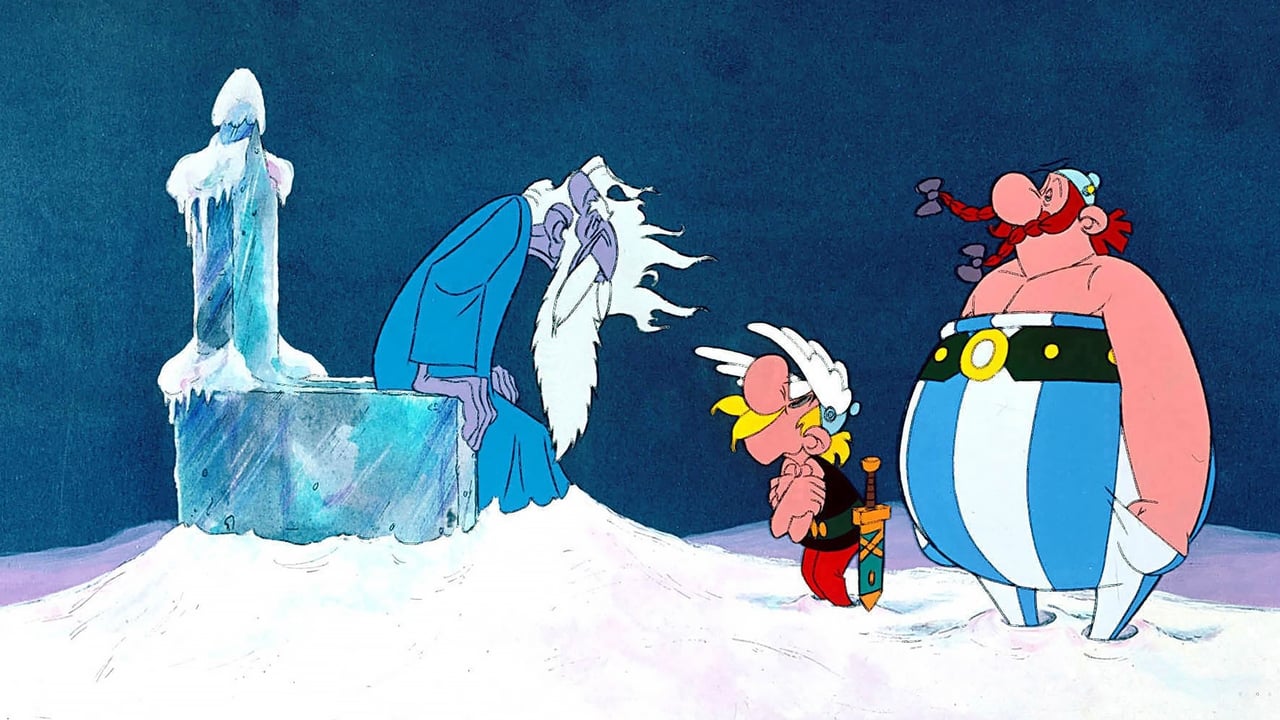
For many of us, the legacy of The Twelve Tasks is tied to the physical object of the VHS tape. I remember the box art vividly—Caesar looking regal while Asterix and Obelix smirked in the foreground, usually with a bright yellow or red border that screamed "Foreign Film" to a curious kid. Because the film was produced by a dedicated studio that was essentially trying to be the "French Disney," the production value was remarkably high for the era, even if it lacked the massive distribution muscle of its American rivals.
Sadly, René Goscinny passed away shortly after the film's release, and Studios Idéfix closed its doors soon after. This leaves The Twelve Tasks as a tantalizing "what-if" of animation history—a glimpse into a world where European features could have consistently challenged the Hollywood hegemony. It feels like a moment frozen in time, capturing the transition from the counter-culture 60s into the more commercialized 80s, all while staying true to the biting satire of the original comics.
If you can find a copy—whether it’s a crisp digital remaster or a flickering tape you found at a flea market—grab it. It’s an adventure that respects the intelligence of children while giving adults plenty to chew on. It reminds me of why I fell in love with animation in the first place: the ability to turn a mundane frustration, like waiting in line at the DMV, into a literal battle for the soul of humanity. Plus, the ending features a fourth-wall break that is so nonchalant it puts modern meta-humor to shame. It’s 82 minutes of pure, unadulterated Gallic joy.
Keep Exploring...
-
Asterix and Cleopatra
1968
-
Asterix: The Mansions of the Gods
2014
-
Asterix: The Secret of the Magic Potion
2018
-

Bedknobs and Broomsticks
1971
-

An American Tail
1986
-
The Castle of Cagliostro
1979
-
Time Bandits
1981
-
One Hundred and One Dalmatians
1961
-
The Aristocats
1970
-

All Dogs Go to Heaven
1989
-
A Monster in Paris
2011
-

DuckTales: The Movie - Treasure of the Lost Lamp
1990
-

The Swan Princess
1994
-
A Goofy Movie
1995
-
Osmosis Jones
2001
-
Mickey, Donald, Goofy: The Three Musketeers
2004
-
Shrek the Halls
2007
-
Winnie the Pooh
2011
-

The Pirates! In an Adventure with Scientists!
2012
-
Toy Story of Terror!
2013