A Bridge Too Far
"A star-studded roadmap to a tragic, muddy disaster."
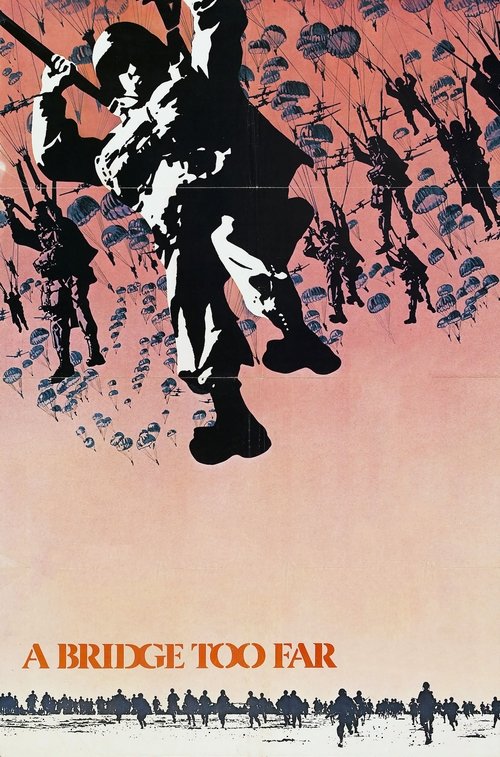
In the summer of 1977, while a certain farm boy in a galaxy far, far away was busy blowing up a Death Star, Richard Attenborough was in the Netherlands trying to reconstruct a different kind of explosion. A Bridge Too Far arrived at the absolute tail end of the "Grand Scale" war epic era, a genre that had been gasping for air since the late sixties. It is a massive, sprawling, 175-minute exercise in high-budget cynicism. While most war movies of the previous decades were built to celebrate a victory, this one was built to document a catastrophe.
I recently watched this on a rainy Tuesday afternoon while my radiator hissed like a wounded Panzer, and I realized that this is exactly how the film should be experienced—under a slight gloom, with a lukewarm cup of tea, prepared for a long haul. It doesn’t offer the quick dopamine hits of modern action cinema. Instead, it offers the heavy, tectonic weight of history shifting in the wrong direction.
The Most Expensive Roll Call in History
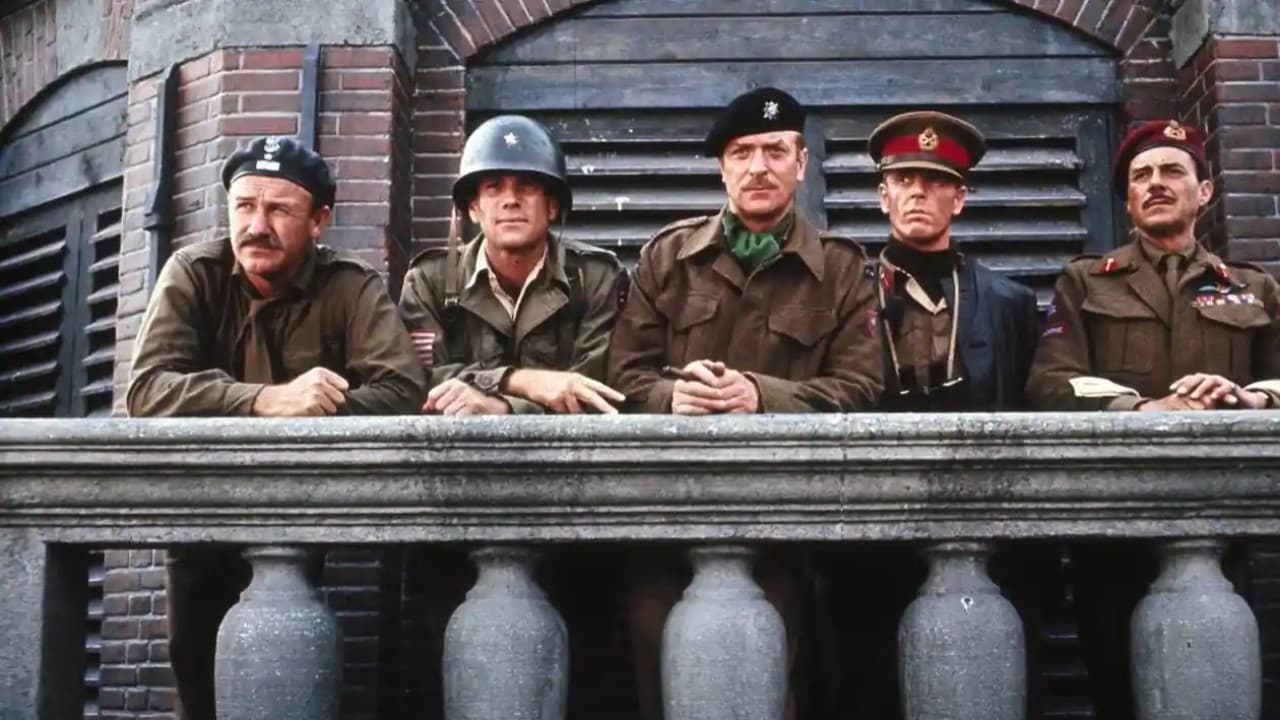
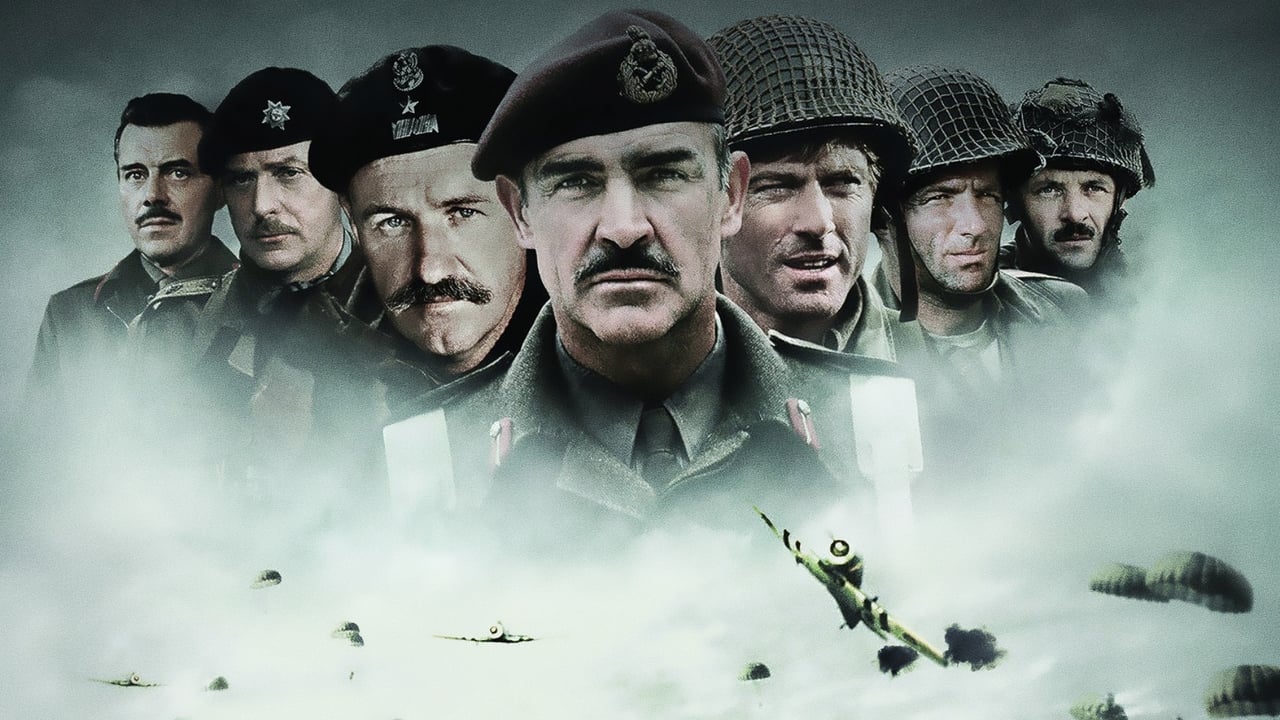
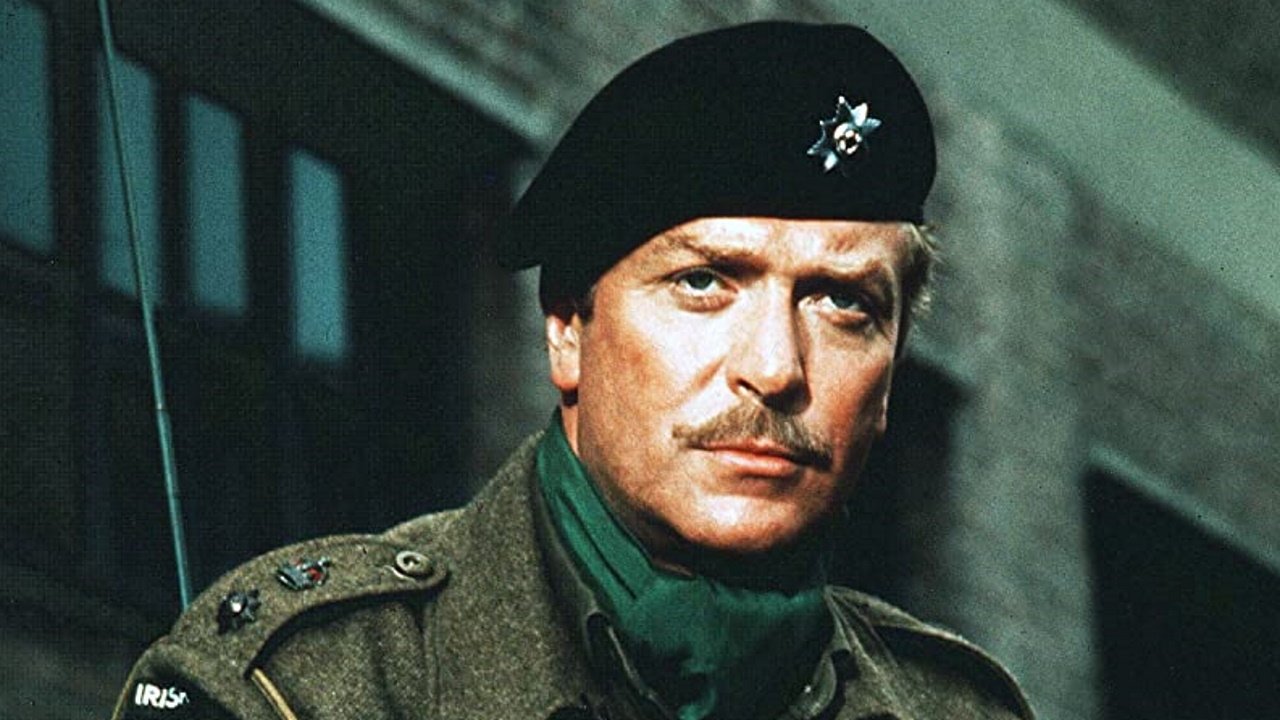
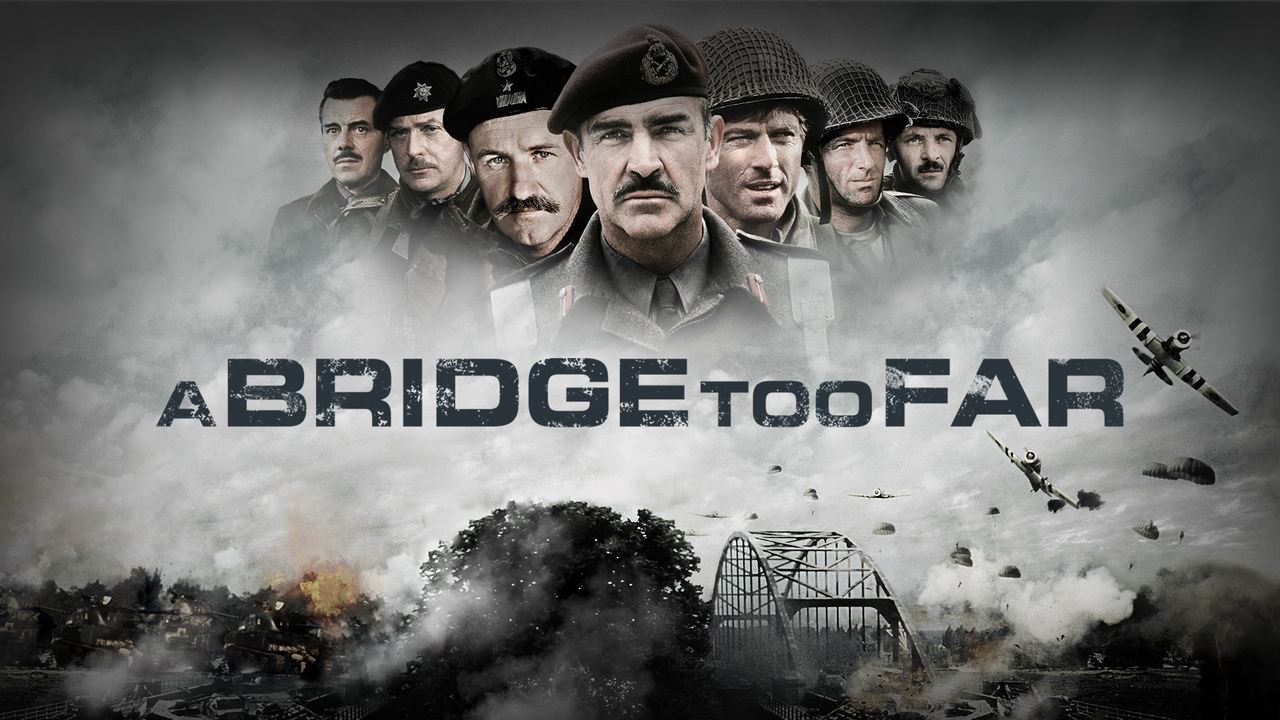
The first thing you notice—and the thing that helped sell those chunky double-VHS sets in the 1980s—is the cast. It is legitimately absurd. You have Sean Connery, Michael Caine, Gene Hackman, Anthony Hopkins, Robert Redford, James Caan, and Laurence Olivier. It’s the kind of lineup that makes you wonder if anyone was left in Hollywood to film anything else that year.
But Attenborough and screenwriter William Goldman do something clever with this star power: they treat the actors like the high-ranking officers they portray—isolated, arrogant, or desperately overwhelmed. Dirk Bogarde, playing Lt. Gen. Frederick Browning, gives a performance that is chillingly detached. He is the architect of the arrogance, the man who ignores the intelligence reports of German tanks because they don't fit his timeline.
Then there is Edward Fox as General Horrocks. He delivers a pre-battle briefing that is easily the most magnetic scene in the film. He’s charming, witty, and utterly terrifying because you realize he’s selling a suicide mission as if it’s a weekend cricket match. On the other end of the spectrum, Anthony Hopkins as Col. Frost at Arnhem provides the film’s weary soul. His performance isn't about heroics; it’s about the slow, agonizing realization that no one is coming to save them. It’s basically a three-hour waiting room for a funeral.
A Practical Effects Masterwork
Before CGI turned every war movie into a clean, digital video game, movies like this had to actually do the thing. When you see a thousand paratroopers filling the sky over the Dutch countryside, those aren't pixels—those are a thousand human beings jumping out of real planes. There is a texture to the smoke, the mud, and the way the tanks grind over the pavement that feels dangerously real.
The production actually tracked down and restored original WWII vehicles, and the logistical nightmare of filming the crossing of the Waal river is palpable. When Robert Redford (playing Maj. Julian Cook) leads his men across the water in flimsy canvas boats under heavy fire, you can see the genuine strain. Turns out, Redford demanded $2 million for what amounted to about 15 minutes of screen time, but that "Million Dollar Minute" energy actually works here. His frantic, rhythmic chanting of "Hail Marys" as the boats are shredded by machine-gun fire is one of the few moments where the film’s "Dark" modifier really kicks in, stripping away the Hollywood glamour for pure, shivering dread.
The Double-Tape Legacy
For a lot of us, A Bridge Too Far wasn't a theatrical experience; it was a rite of passage at the local video rental store. Because of its nearly three-hour runtime, it was almost always a "Two-Tape Feature." There was a specific tension in that plastic clamshell box—having to physically swap the tapes right as the situation in Arnhem turned truly dire.
The film didn't have the easy, patriotic shelf-life of The Longest Day. It’s a much grimmer watch. It captures the mid-70s disillusionment perfectly, reflecting a world that had just seen the end of Vietnam. It’s a movie about the "Greatest Generation" making the "Greatest Blunder." Goldman’s script is sharp and unsentimental, highlighting the absurdity of war—like the moment a group of mental hospital patients wanders through a live battlefield, a sequence that feels more like a fever dream than a history lesson.
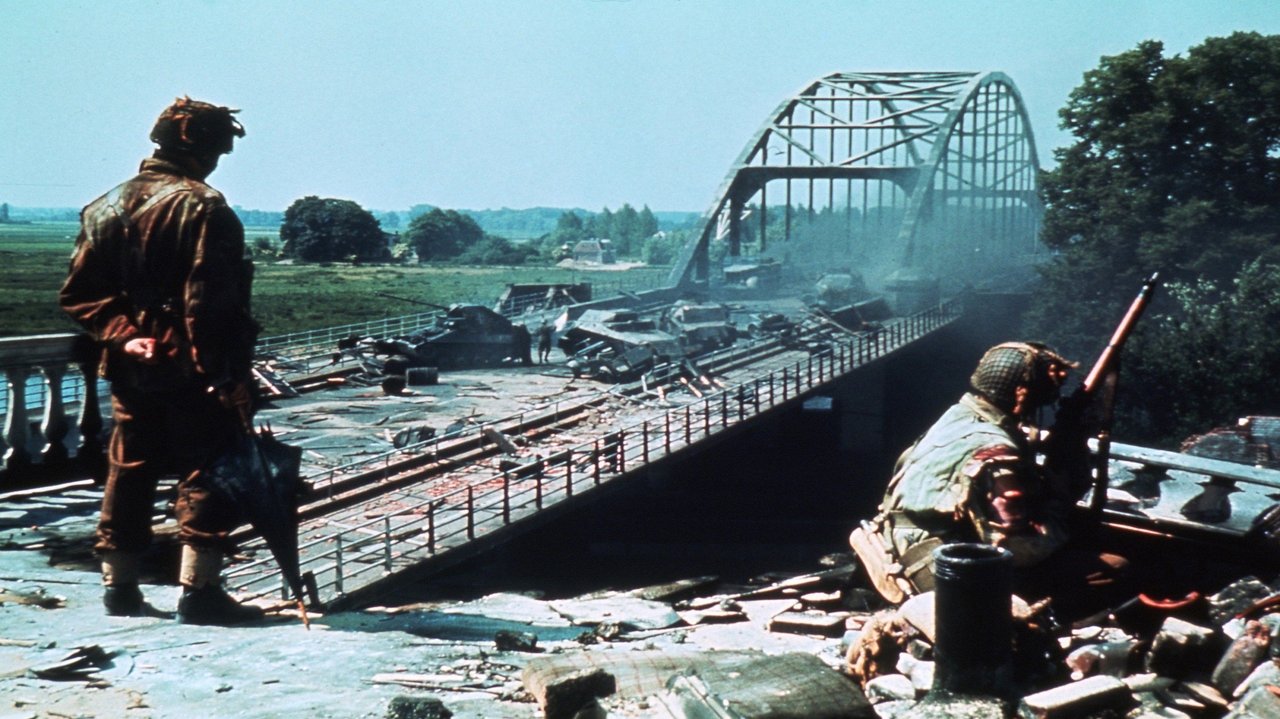
It’s an intense, often exhausting film that refuses to give you the catharsis of a "win." It’s about a bridge that was, quite literally, too far, and a plan that was too fragile. By the time the credits roll over a silent, ruined Arnhem, you don't feel like cheering. You feel like you’ve just witnessed a very expensive, very beautiful tragedy.
A Bridge Too Far is a fascinating relic of an era when studios still threw massive amounts of money at adult-oriented, morally complex dramas. It’s a film that demands your time and offers no easy comfort in return. If you can handle the three-hour commitment and the crushing weight of its inevitable conclusion, it remains one of the most impressive technical and narrative achievements of 70s war cinema. Just make sure you’ve got a full pot of tea ready before you start.
Keep Exploring...
-
Barry Lyndon
1975
-
Patton
1970
-
Casualties of War
1989
-
Glory
1989
-
Gandhi
1982
-
Das Boot
1981
-
Sophie's Choice
1982
-
Spartacus
1960
-
The Longest Day
1962
-
Butch Cassidy and the Sundance Kid
1969
-
Empire of the Sun
1987
-
All the President's Men
1976
-
Marathon Man
1976
-
Escape to Victory
1981
-
The Deer Hunter
1978
-

The Zookeeper's Wife
2017
-

Chaplin
1992
-
Joyeux Noel
2005
-
The Round Up
2010
-

Land of Mine
2015