Annie Hall
"Relationships are like sharks; they have to keep moving."
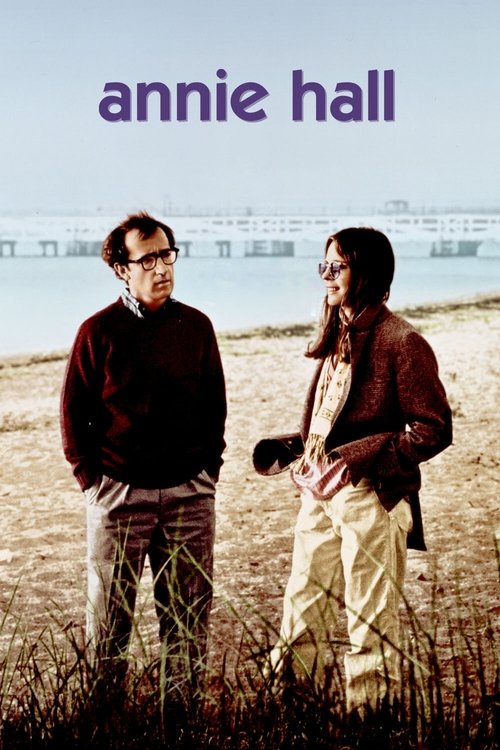
I first watched Annie Hall in a tiny, drafty studio apartment in Queens, huddled under a polyester blanket that smelled vaguely of old library books. I was eating a bowl of lukewarm cereal, and for some reason, the crunch of the Corn Flakes felt perfectly synchronized with Woody Allen’s staccato delivery. It’s one of those movies that doesn't just sit on a screen; it invades your personal space, poking at your insecurities until you’re forced to laugh at them just to make the stinging stop.
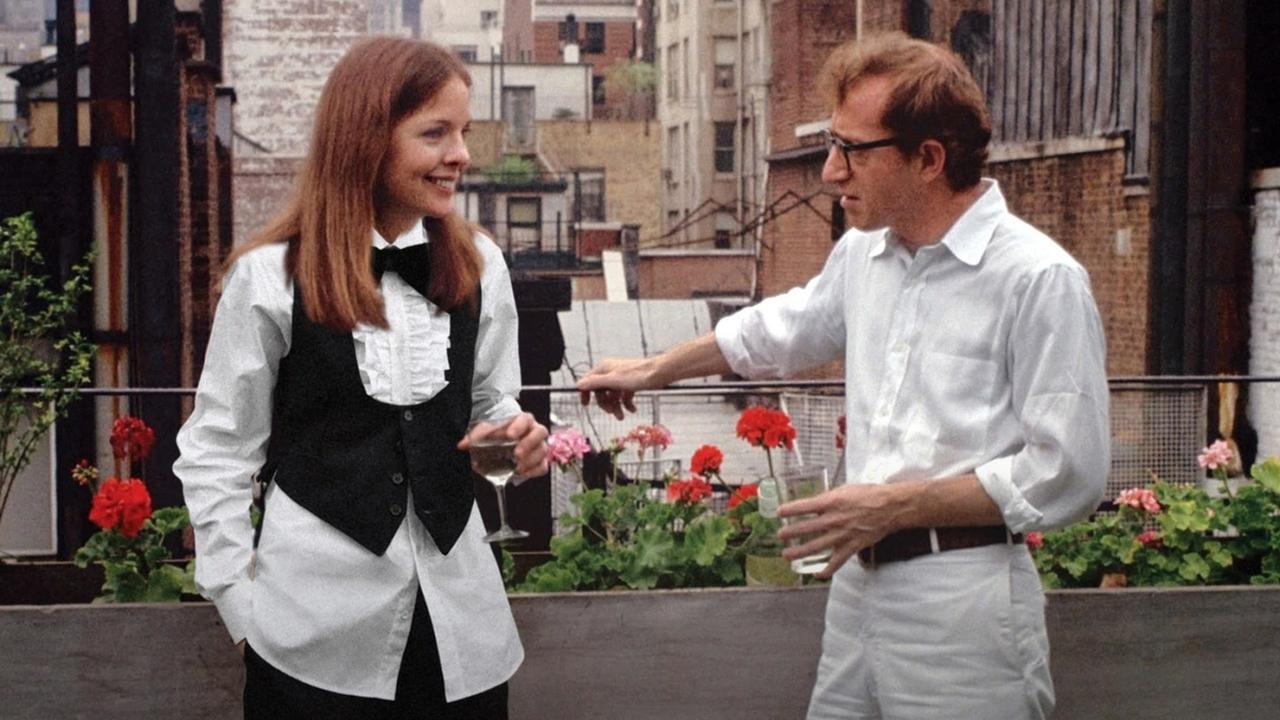
Before this, Allen was the "early, funny" guy—the man behind the chaotic slapstick of Sleeper (1973) or Bananas (1971). But with Annie Hall, something shifted in the tectonic plates of American cinema. He moved away from the cartoonish and leaned into the existential, creating what is arguably the most influential "nervous romance" ever captured on 35mm. It’s a film that understands that love isn't a three-act structure; it’s a series of awkward anecdotes, failed jokes, and moments of profound connection that eventually dissolve into memory.
The Anatomy of Anhedonia
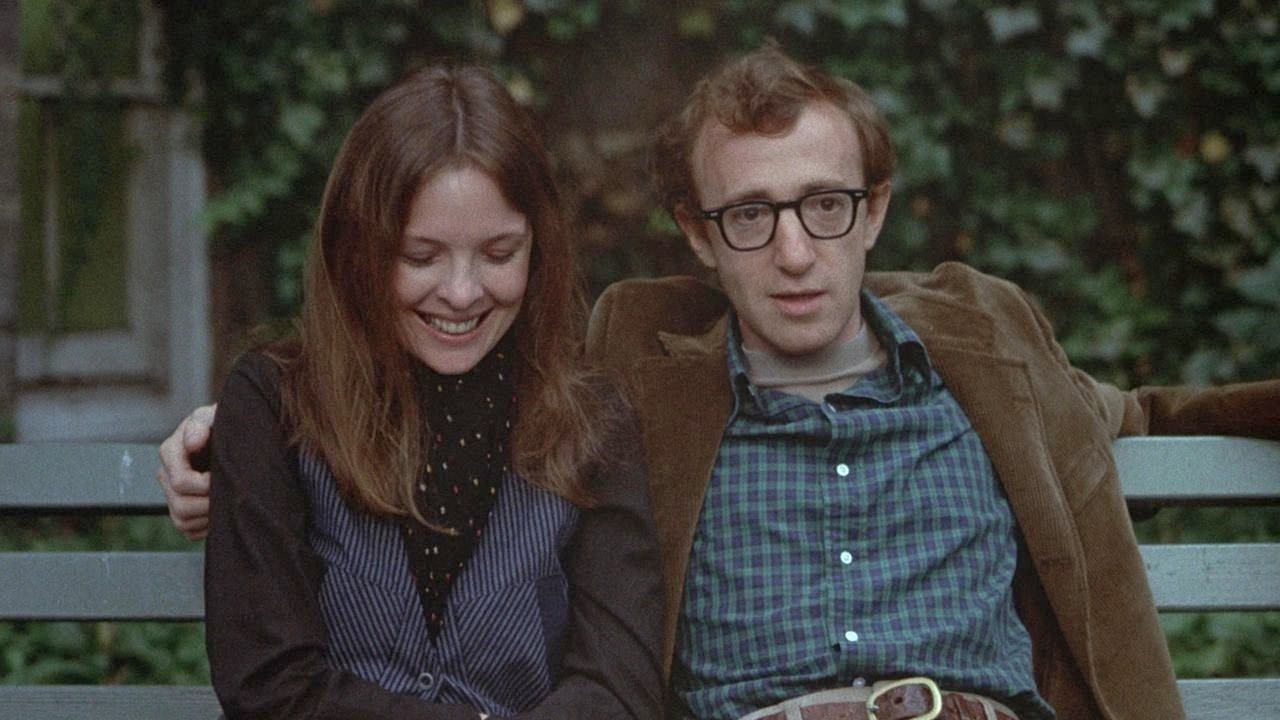
The film was famously originally titled Anhedonia—a psychological term for the inability to feel pleasure. While United Artists' marketing team wisely steered him toward a more human title, that clinical chill remains in the subtext. We meet Alvy Singer, a man who views life through a lens of Marx Brothers sketches and Holocaust documentaries, trying to figure out where it all went wrong with Diane Keaton’s Annie.
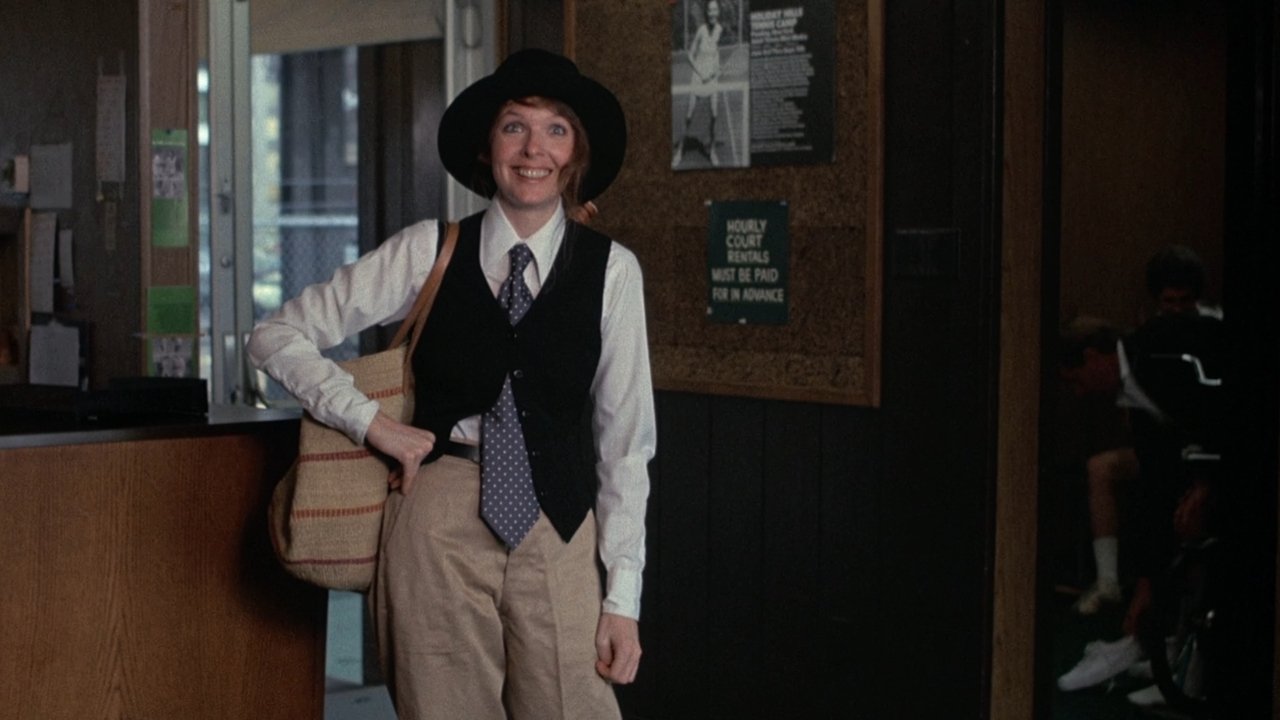
What makes the drama here so potent isn’t some grand betrayal or a terminal illness. It’s the slow, agonizing realization that two people can simply outgrow one another. Alvy tries to "improve" Annie, encouraging her to take adult education classes and watch The Sorrow and the Pity, only to find that as she blossoms, she no longer needs his neurotic sheltering. Diane Keaton is the soul of the film. Her "la-di-da" persona wasn't just a quirky character choice; it was a cultural reset. She brought her own clothes to the set—the vests, the wide-leg trousers, the ties—creating an androgynous chic that defined the late 70s. Tony Roberts provides the perfect foil as Rob, the friend who moved to L.A. and traded his soul for a sunlamp and a laugh track.
Breaking the Fourth Wall and Other Rules
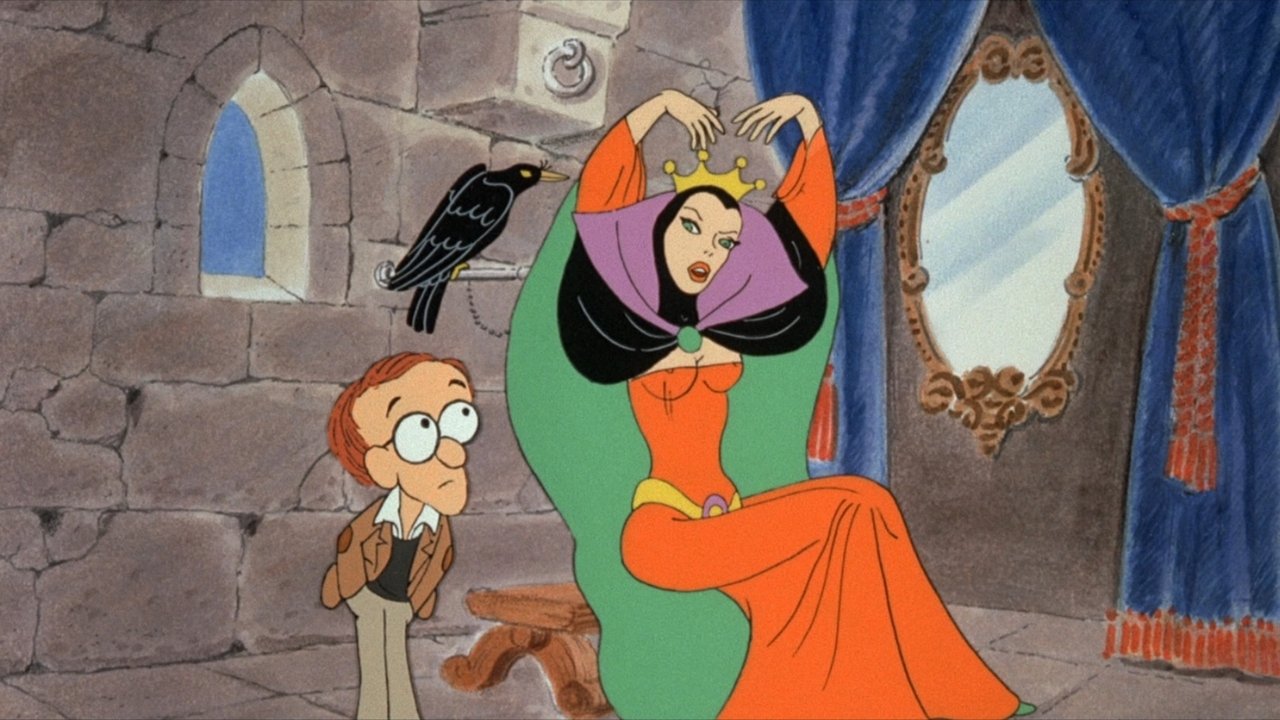
In the 70s, New Hollywood was all about breaking the rules, but Allen and co-writer Marshall Brickman didn't just break them; they ignored them entirely. The film is a playground of narrative experimentation. Alvy speaks directly to the camera, walks through his own childhood memories, and even pulls a real-life Marshall McLuhan out from behind a movie poster to win an argument with a pretentious guy in a cinema queue. "I wish life were actually like this," Alvy sighs to us, and in that moment, the film stops being a story and starts being a shared confidence.
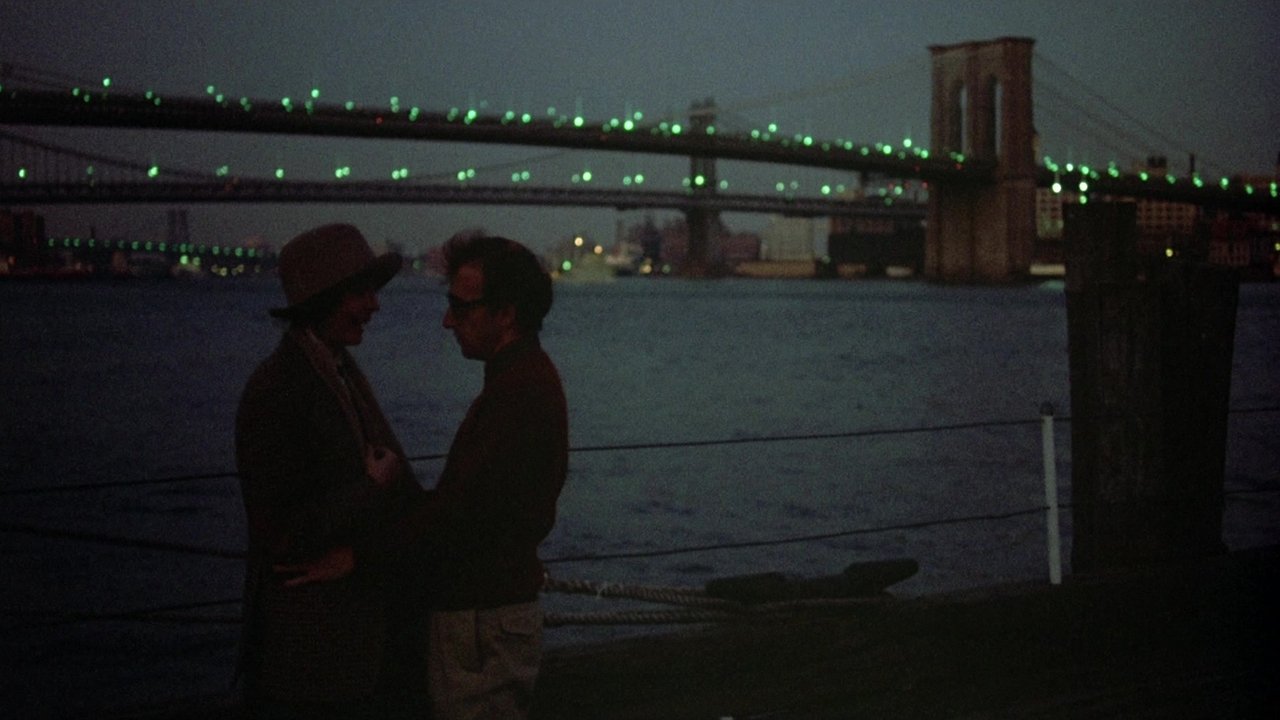
The cinematography by Gordon Willis—the man who shot The Godfather (1972)—is unexpectedly brilliant. He treats New York with a warm, amber reverence, contrasting it with the "deadly" bright, vapid sunlight of Los Angeles. There’s a specific long take where Alvy and Annie walk down a pier, the camera staying perfectly still as they move in and out of the frame. It lets the performance breathe. It trusts the actors. In an era where many comedies were shot like sitcoms, Annie Hall looked like a piece of high art.
The Indie Spirit on a Studio Dime
Despite its eventual four Oscar wins, Annie Hall feels like a quintessential indie gem. It was produced for a relatively modest $4 million, and the production stories are legendary for their "fix-it-in-post" energy. The film we know was found in the editing room. Originally, it was a sprawling, two-hour-plus murder mystery with a subplot about Alvy’s childhood. Editor Wendy Greene Bricmont helped Allen realize that the only thing people cared about was the relationship between Alvy and Annie. They hacked away the excess, leaving a lean, 93-minute meditation on the entropy of the heart.
This was the kind of movie that became a staple of the early VHS era for a very specific reason. Unlike a high-octane blockbuster, Annie Hall invited repeated viewings because the dialogue moves so fast you miss half the jokes the first time. I remember seeing those iconic black-and-white VHS covers in the "Drama/Comedy" section of my local rental shop; it was the "sophisticated" choice, the tape you’d rent to prove you were an adult. The Paul Simon cameo as Tony Lacey is basically every pretentious LinkedIn influencer today, just with more silk shirts, and watching it now, the satire of the "mellow" California lifestyle feels even sharper.
Ultimately, Annie Hall works because it refuses to give us a happy ending in the traditional sense. It settles for a truthful one. It tells us that relationships are irrational and crazy and absurd, but we keep going through them because most of us "need the eggs." It’s a cerebral, funny, and deeply cynical look at the human condition that somehow leaves you feeling less alone. Even if you aren't a fan of Woody Allen’s later work or his personal history, the craft on display here—and the sheer luminosity of Diane Keaton—is undeniable. It’s a snapshot of a New York that probably never existed, captured by a filmmaker who was, for one brief moment, perfectly in tune with the heartbeat of his audience.
Keep Exploring...
-
Manhattan
1979
-
Love and Death
1975
-
Crimes and Misdemeanors
1989
-
The Apartment
1960
-
Everything You Always Wanted to Know About Sex *But Were Afraid to Ask
1972
-
The Purple Rose of Cairo
1985
-
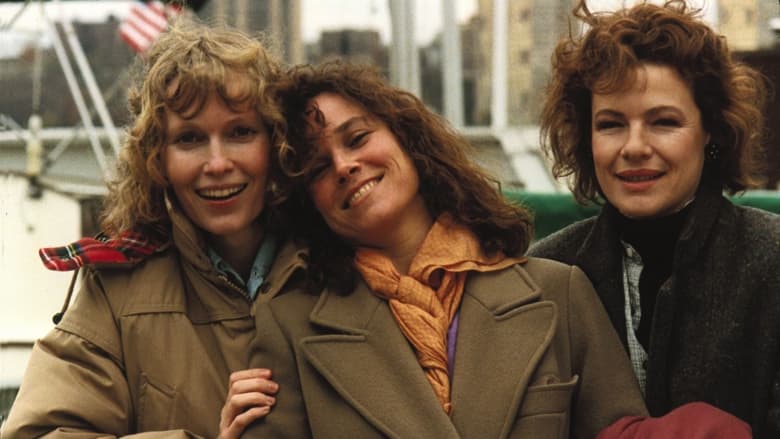
Hannah and Her Sisters
1986
-
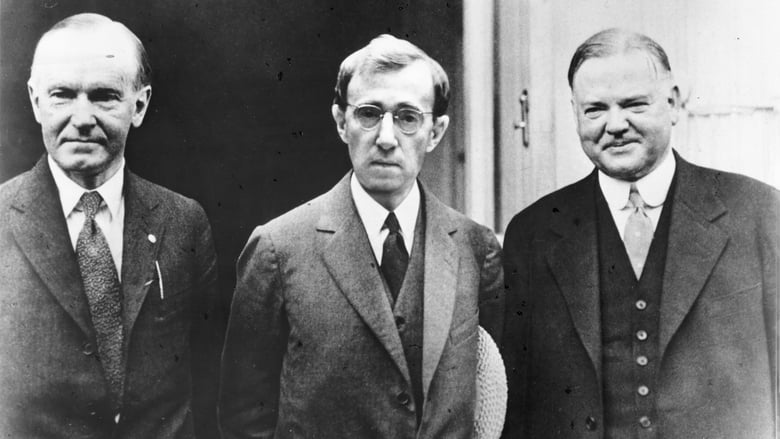
Zelig
1983
-
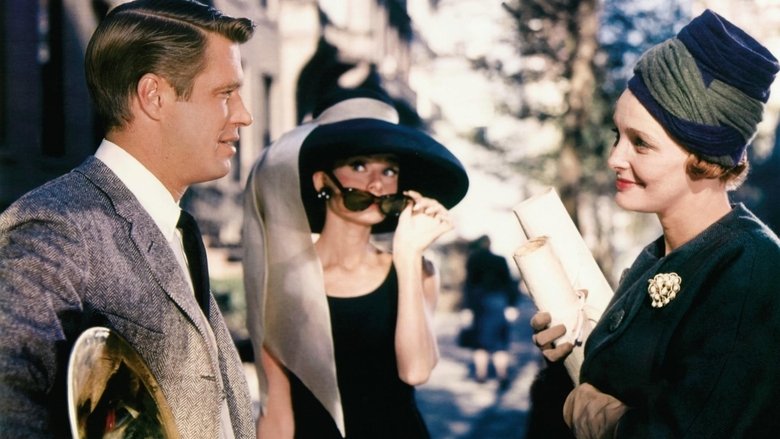
Breakfast at Tiffany's
1961
-
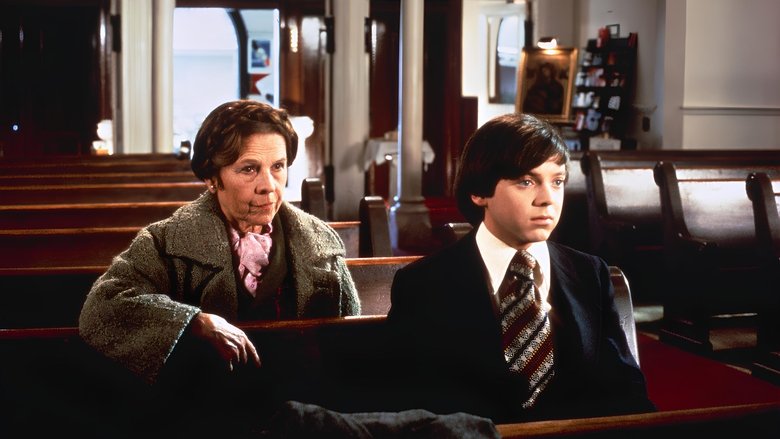
Harold and Maude
1971
-
Deconstructing Harry
1997
-
Guess Who's Coming to Dinner
1967
-

City Lights
1931
-
Wings of Desire
1987
-
Cabaret
1972
-
Badlands
1974
-
The Graduate
1967
-
Being There
1979
-
Manhattan Murder Mystery
1993
-
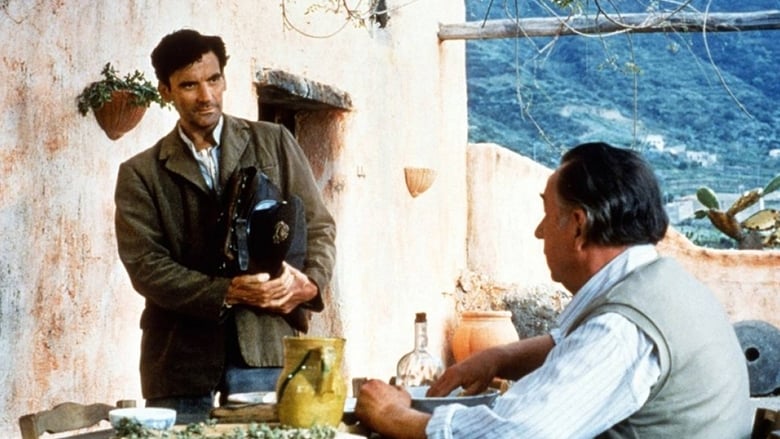
The Postman
1994