Close Encounters of the Third Kind
"The sky is finally looking back."

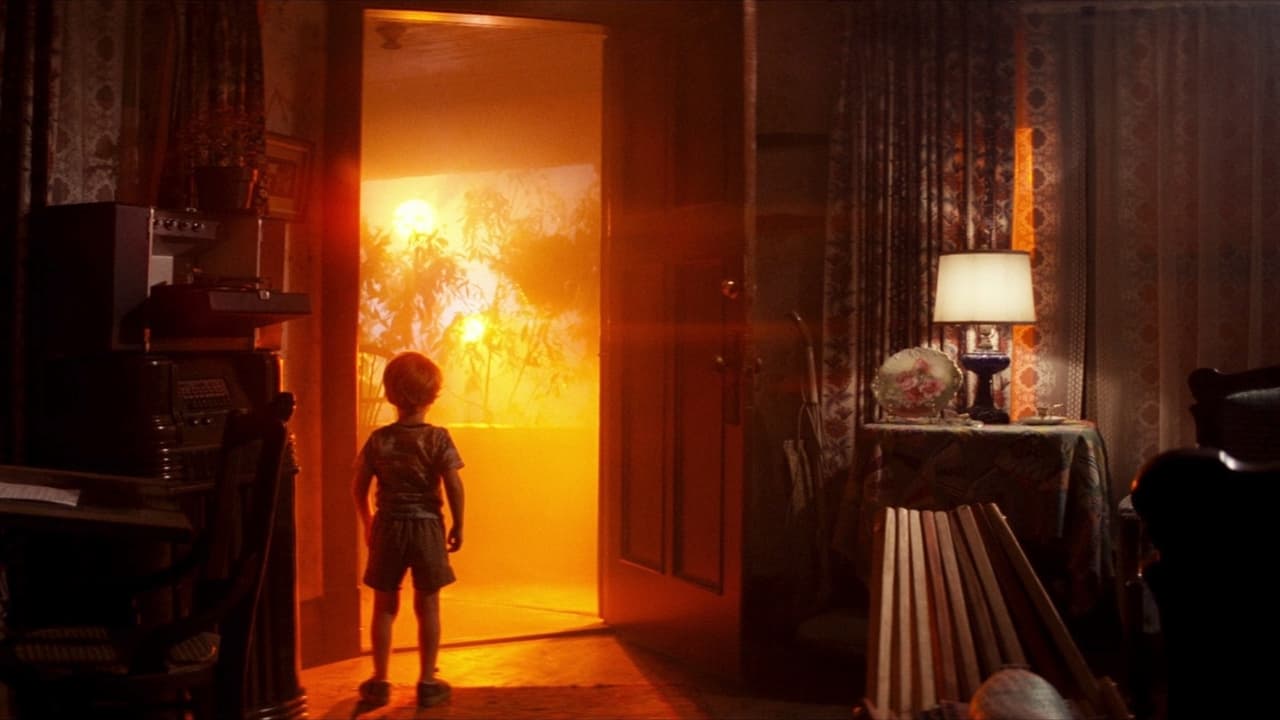
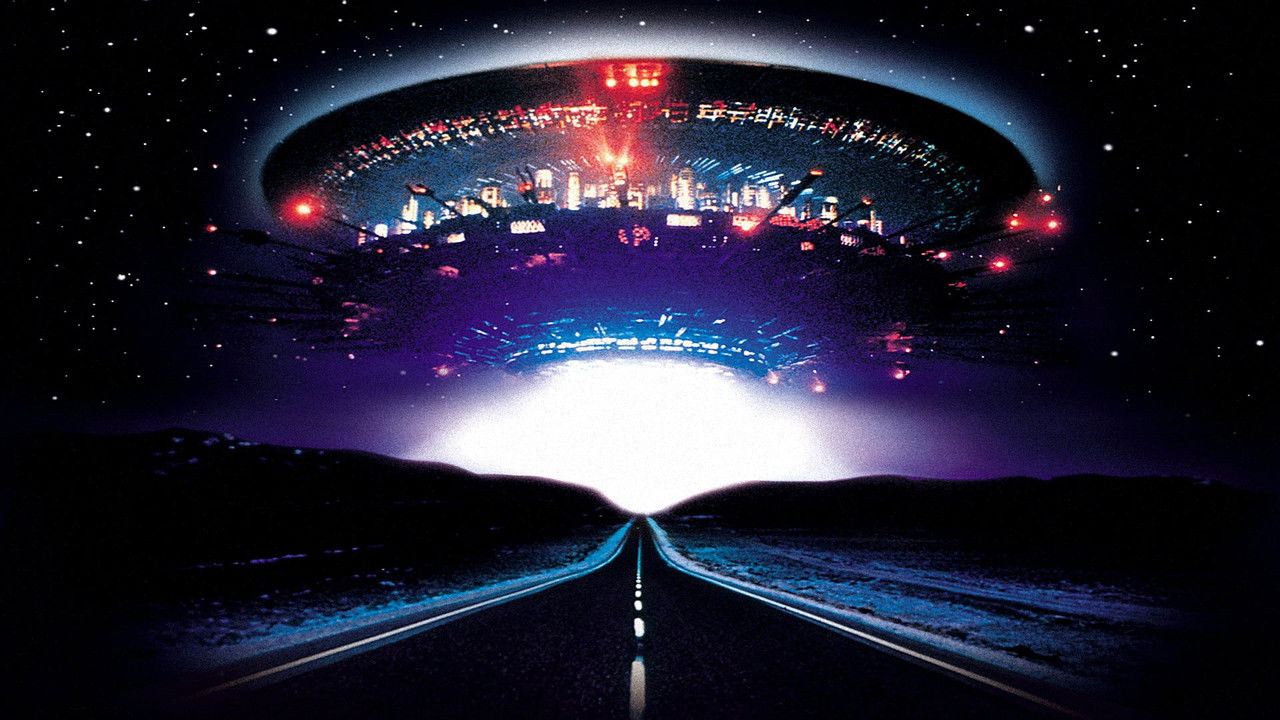
The first time I saw the orange light flood Roy Neary’s truck, I didn't think about aliens. I thought about the sheer, terrifying break in the mundane. One minute you’re lost on a backroad in Indiana trying to find a fuse box, and the next, the gravity in your cab goes sideways and the mailboxes start screaming. It’s a sequence that still gives me chills, not because of what we see, but because of what we don't. Steven Spielberg—fresh off the grueling success of Jaws (1975)—wasn't just making a movie about UFOs; he was making a movie about the moment the suburban American dream gets its circuit board fried.
I recently rewatched this on a flickering CRT television in my basement while eating a slightly stale sleeve of Ritz crackers, and honestly, the low-res hum of the tube felt like the only proper way to experience it. There’s a specific, humid texture to 1970s cinema that high-definition 4K transfers sometimes scrub away. You need to see the sweat on Richard Dreyfuss’s brow to really feel the heat of his obsession.
The Gospel According to Mashed Potatoes
At its heart, Close Encounters of the Third Kind is a drama about a mid-life crisis triggered by the cosmos. Richard Dreyfuss is spectacular as Roy Neary. He isn't a hero; he’s a guy who stops caring about his mortgage and his kids’ play-rehearsals because the stars started talking to him. I’ve always found the domestic scenes in the Neary household harder to watch than the alien abductions. The way Roy’s wife, played with a heartbreaking sense of "I didn't sign up for this" by Teri Garr, watches her husband melt down is brutal.
When Roy starts shoveling dirt through the kitchen window to build a scale model of Devil's Tower in his living room, it’s the most relatable depiction of a nervous breakdown ever filmed. We’ve all had those weeks where we just want to throw the TV out the window and start sculpting landscape features. Spielberg captures that frantic, "New Hollywood" energy where the characters feel like real, messy people rather than polished archetypes.
Painting with Flashlights
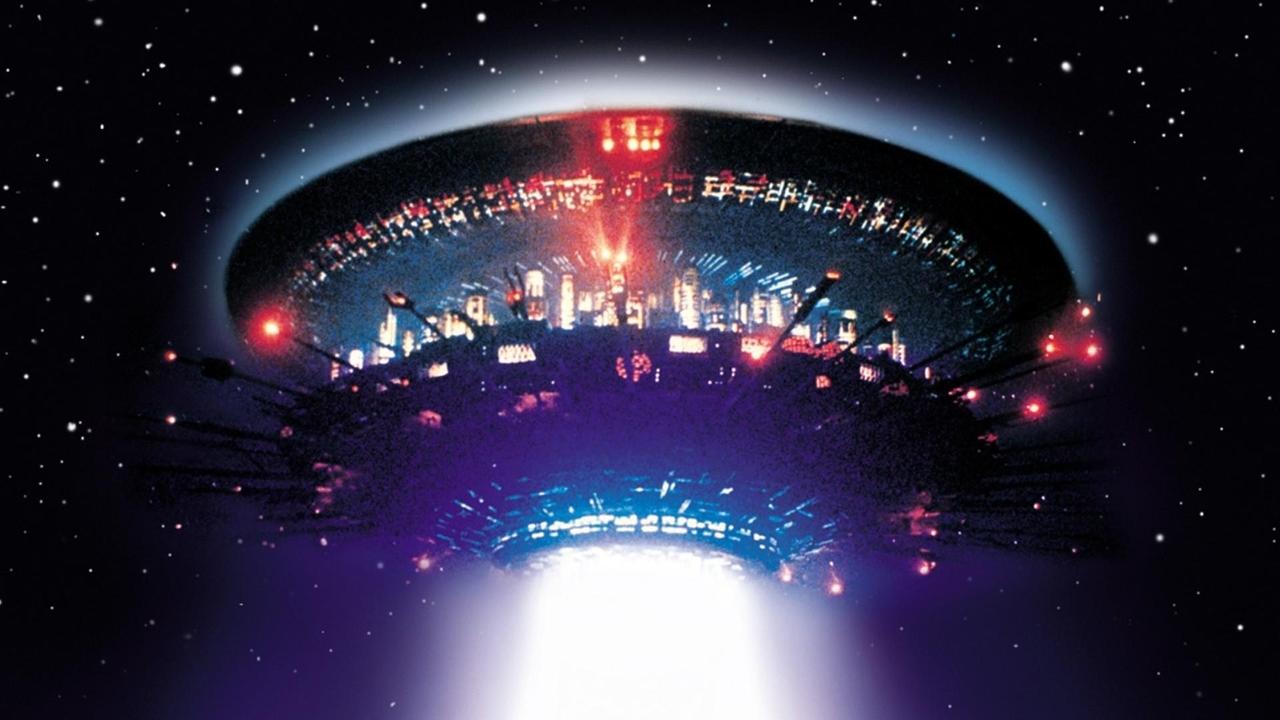
Visually, this film is a triumph of the "Pre-CGI" era. There is a weight to the effects here that modern digital light shows can’t touch. Douglas Trumbull, the visual effects wizard who also worked on 2001: A Space Odyssey, used actual light, mirrors, and smoke to create the UFOs. The mothership isn't a computer-generated asset; it’s a massive, intricately detailed model that apparently included a tiny R2-D2 hidden on its hull as a nod to Spielberg’s buddy George Lucas.
The cinematography by Vilmos Zsigmond (who won an Oscar for this) creates a world that feels perpetually backlit. Every scene is pierced by flashlights, car beams, or stadium lights, creating a sense of constant surveillance from above. And then there’s the music. John Williams famously tried hundreds of five-note combinations before settling on the iconic "Re-Mi-Do-Do-Sol" melody. It’s the ultimate universal language. It’s how the film moves from a paranoid thriller into a hopeful drama about communication. The aliens aren't here to probe us; they’re here for a jam session.
The VHS Legacy and the "Special Edition" Trap
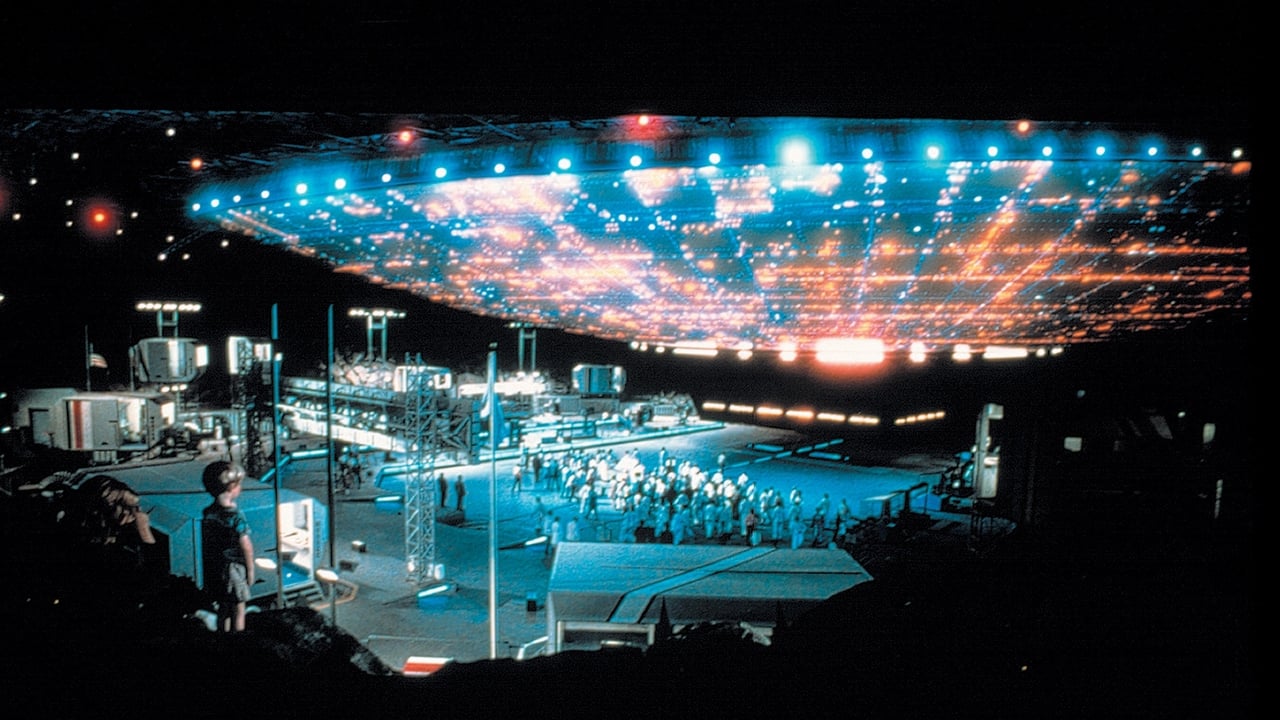
For those of us who grew up in the rental era, Close Encounters was a staple of the "Sci-Fi" section, often housed in a chunky double-tape set or a "Special Edition" clam-shell. I remember the 1980 "Special Edition" VHS specifically because the box art promised a look inside the mothership. Spielberg actually regretted that. He only filmed the interior scenes—which look like a sparkly disco-cathedral—because Columbia Pictures was flirting with bankruptcy and demanded "new" content to justify a theatrical re-release.
The studio’s gamble paid off; the film became a massive blockbuster, grossing over $300 million and saving Columbia from the brink. But if you’re watching it today, the "Director’s Cut" is the way to go. It removes the interior ship scenes, wisely keeping the mystery intact. The film’s power lies in the invitation, not the tour.
This isn't just a movie about "little grey men." It’s a film about the human need to be part of something larger than a suburban cul-de-sac. It’s about the awe that comes when the "We are not alone" tagline moves from a threat to a promise. Whether you’re a sci-fi nut or just someone who appreciates a well-acted drama about a man losing his marbles, this remains one of the essential pillars of the 70s. Just maybe keep the mashed potatoes on your plate instead of sculpting with them.
Keep Exploring...
-
E.T. the Extra-Terrestrial
1982
-

The Color Purple
1985
-
A.I. Artificial Intelligence
2001
-
Jaws
1975
-
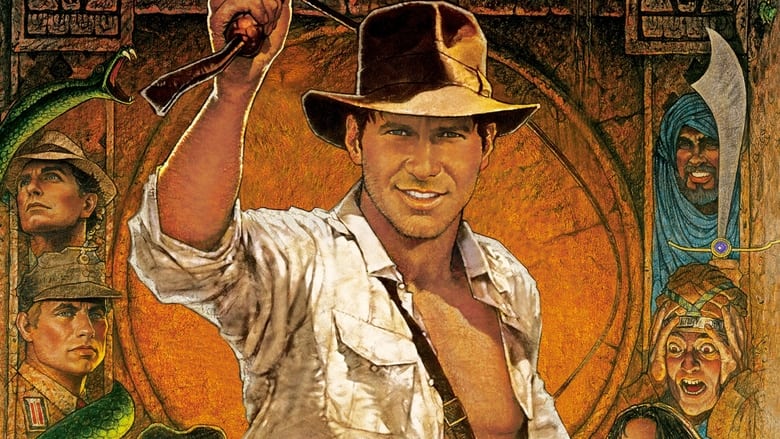
Raiders of the Lost Ark
1981
-

American Graffiti
1973
-
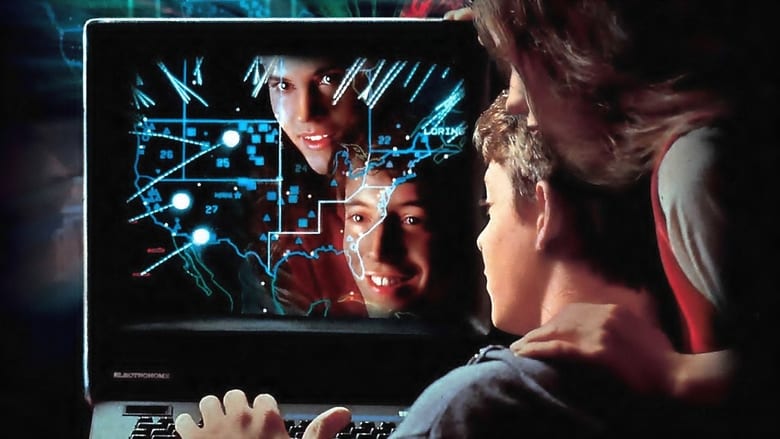
WarGames
1983
-
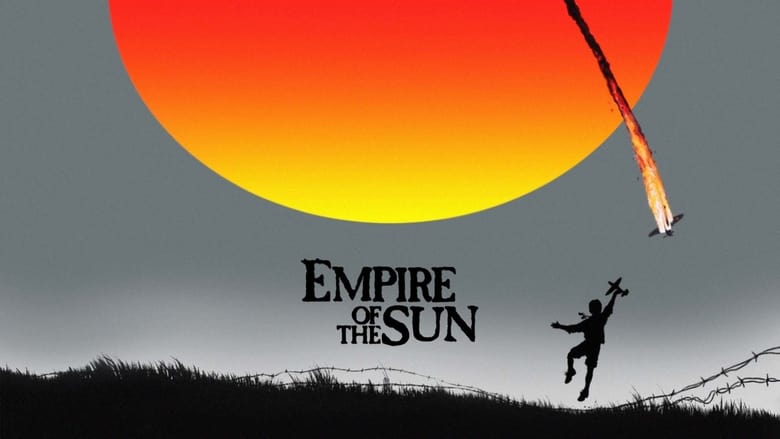
Empire of the Sun
1987
-
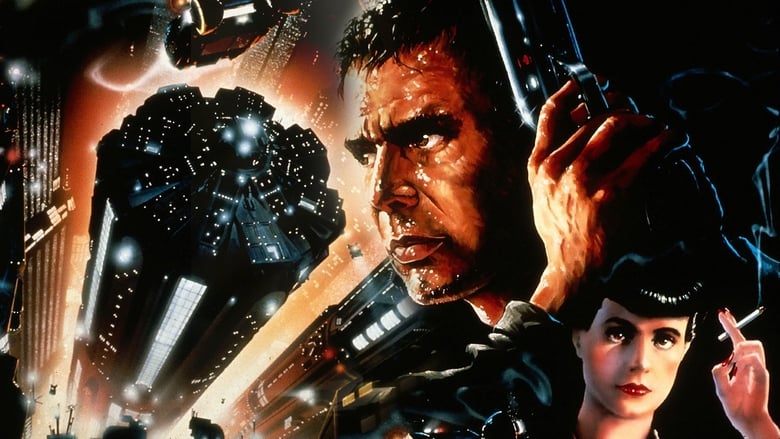
Blade Runner
1982
-
Indiana Jones and the Temple of Doom
1984
-

Indiana Jones and the Last Crusade
1989
-
The Sting
1973
-

The Towering Inferno
1974
-
Star Wars
1977
-
Alien
1979
-
Kramer vs. Kramer
1979
-
Star Trek: The Motion Picture
1979
-
An Officer and a Gentleman
1982
-

Rocky III
1982
-

Bridge of Spies
2015