Eraserhead
"A dream of dark and troubling things."
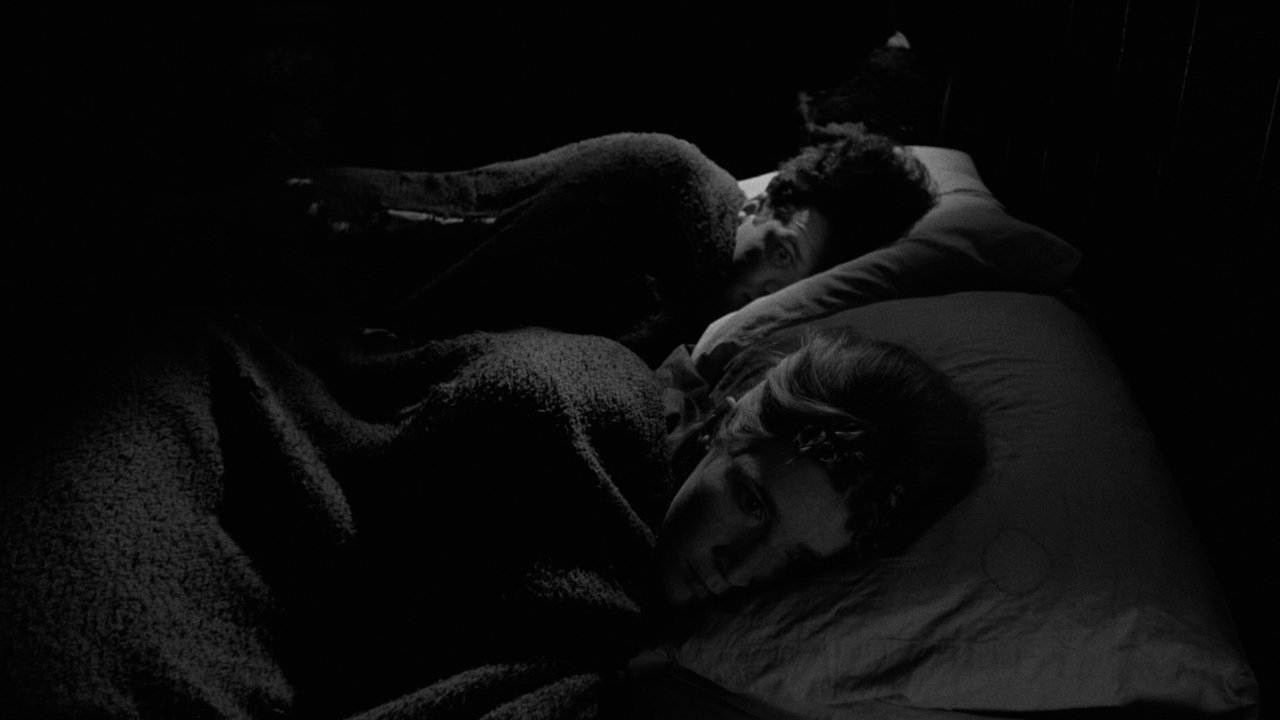
The first time I really heard Eraserhead, I wasn't just watching a movie; I was vibrating. I had a cheap pair of foam-padded headphones plugged into a CRT television, and the low-frequency industrial hum of the film’s soundscape felt like it was trying to reorganize my internal organs. It’s a sound that doesn’t just sit in the background; it’s the sound of anxiety given a physical, electrical form. I remember my cat kept batting at the screen every time the radiator hummed, which was frankly the most normal thing happening in my living room for those 89 minutes.
David Lynch’s feature debut is a film that shouldn’t exist, yet it feels like it has always existed in the darker corners of the collective subconscious. Shot intermittently over five years while Lynch literally lived on the sets at the AFI conservatory, it is the ultimate "indie hustle." Lynch famously delivered the Wall Street Journal to keep the production afloat, a level of commitment that makes most modern "passion projects" look like weekend hobbies. The result is a work of pure, uncompromised nightmare logic that remains the gold standard for atmospheric horror.
The Grime of the Industrial Mind
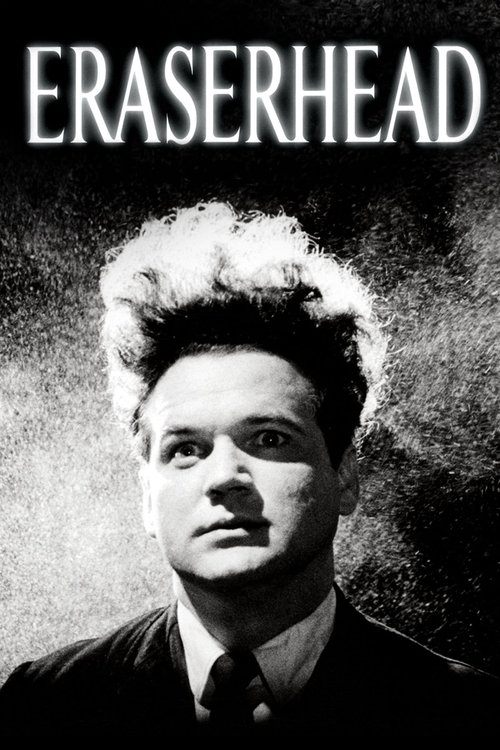
We follow Henry Spencer (Jack Nance), a man whose hair is a vertical monument to permanent shock. Henry lives in a world of brick, pipes, and hissing steam, a place where the dirt looks like it’s been there since the dawn of time and the light never quite reaches the corners of the room. When he’s invited to dinner at the home of Mary X (Charlotte Stewart), the experience is less a social gathering and more a slow-motion car crash of social awkwardness.
The "Man-Made Chickens" scene remains one of the most effectively uncomfortable moments in cinema history. As the tiny, cooked birds begin to twitch and leak a viscous black fluid, you realize Lynch isn't just trying to gross you out; he’s tapping into a specific, primal fear of domesticity and the "normal" life. Jack Nance is incredible here, playing Henry with a bewildered, quiet dignity that makes him the perfect vessel for our own confusion. He’s the ultimate "everyman" if every man was trapped in a soot-stained Victorian basement.
Practical Magic and the Mutant Child

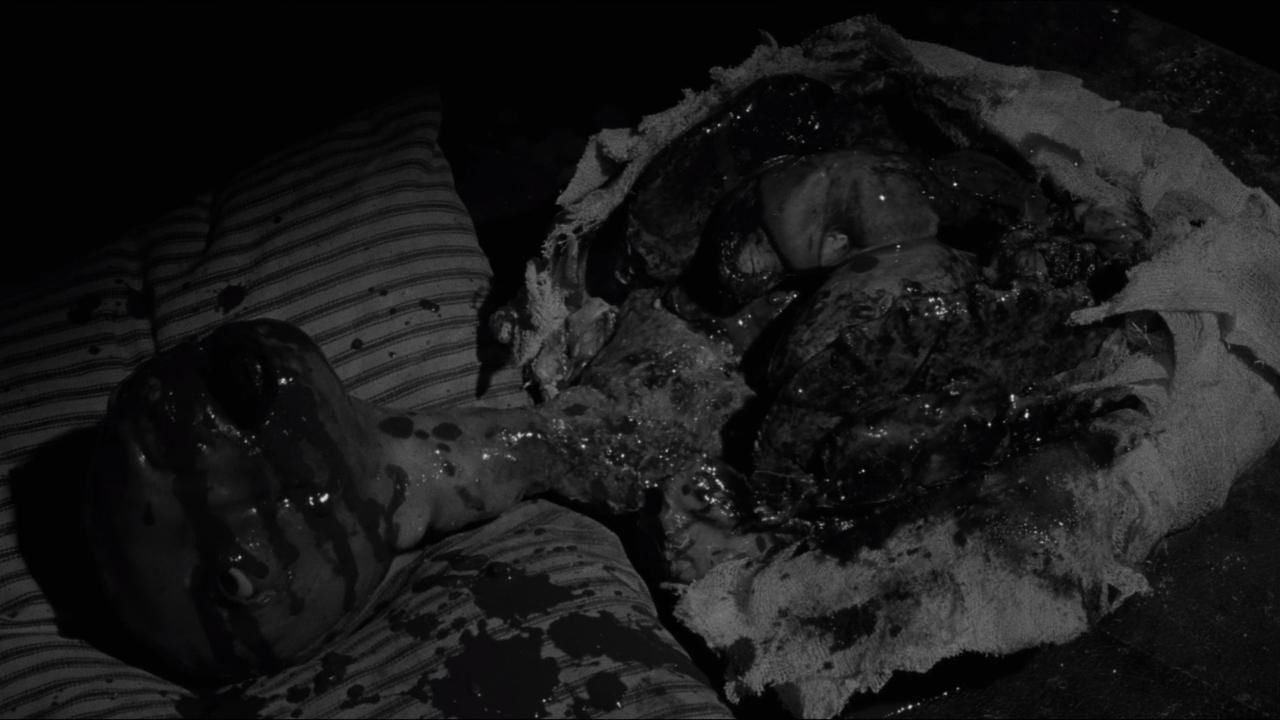
The centerpiece of the film’s dread is, of course, the baby. To this day, nobody—outside of Lynch and maybe a few sworn-to-secrecy crew members—knows exactly how that "mutant" was constructed. The rumors are legendary: some say it was a skinned rabbit fetus, others say it was a complex animatronic made of cow membranes. Whatever it is, it breathes, it cries, and it looks wet in a way that makes you want to wash your hands immediately after viewing.
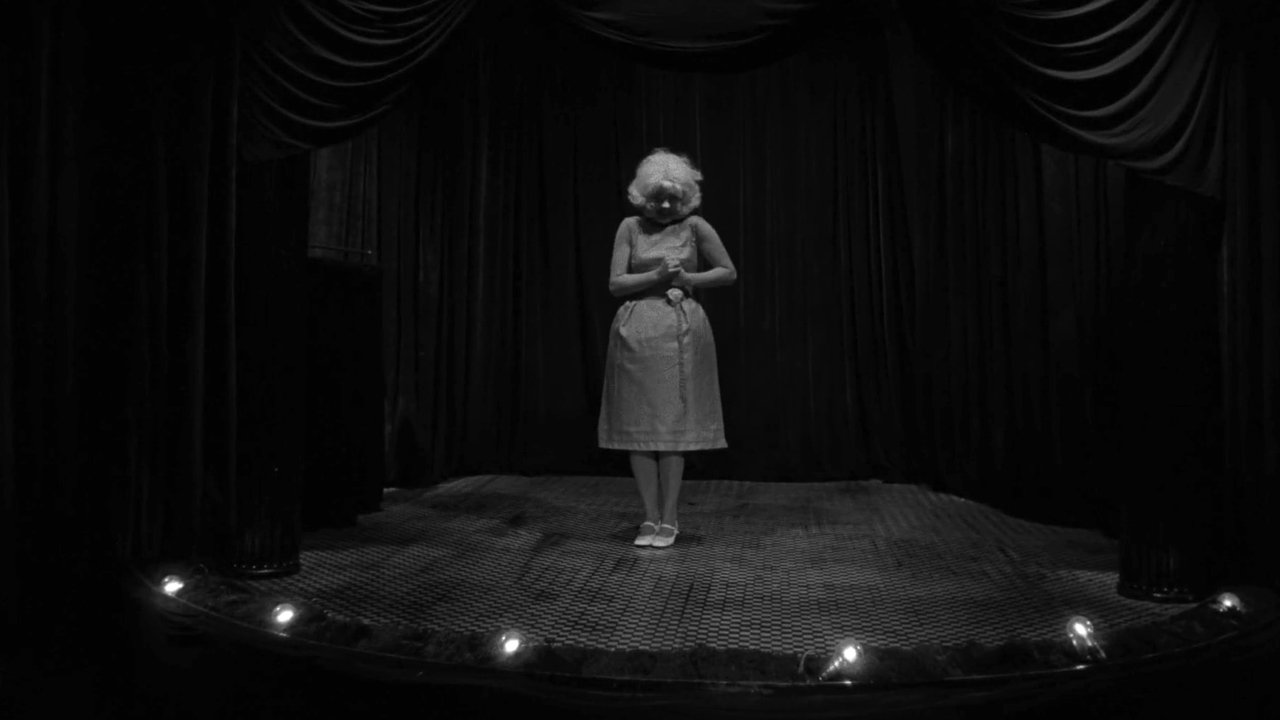
Because this was the peak of the practical effects era, there’s a weight and a tactile reality to the horror that CGI simply cannot replicate. When the Lady in the Radiator (Laurel Near) appears on her tiny stage to crush the giant, falling sperm-worms under her Mary Janes, the scene has a hand-crafted, theatrical quality that feels deeply personal. It’s a vision that came straight from Lynch’s brain onto the screen without being sanded down by a studio committee. The budget was a mere $100,000, yet the film creates a more cohesive and terrifying world than most blockbusters with a thousand times that capital.
The Midnight Movie Legacy
While Eraserhead initially flopped, it found its true home in the midnight movie circuit. This was the era of the Elgin Theatre in New York, where films didn't just play; they became rituals. By the time the home video revolution hit in the 80s, Eraserhead had become the ultimate "litmus test" for film fans. If you owned the tape, you were part of a specific tribe.
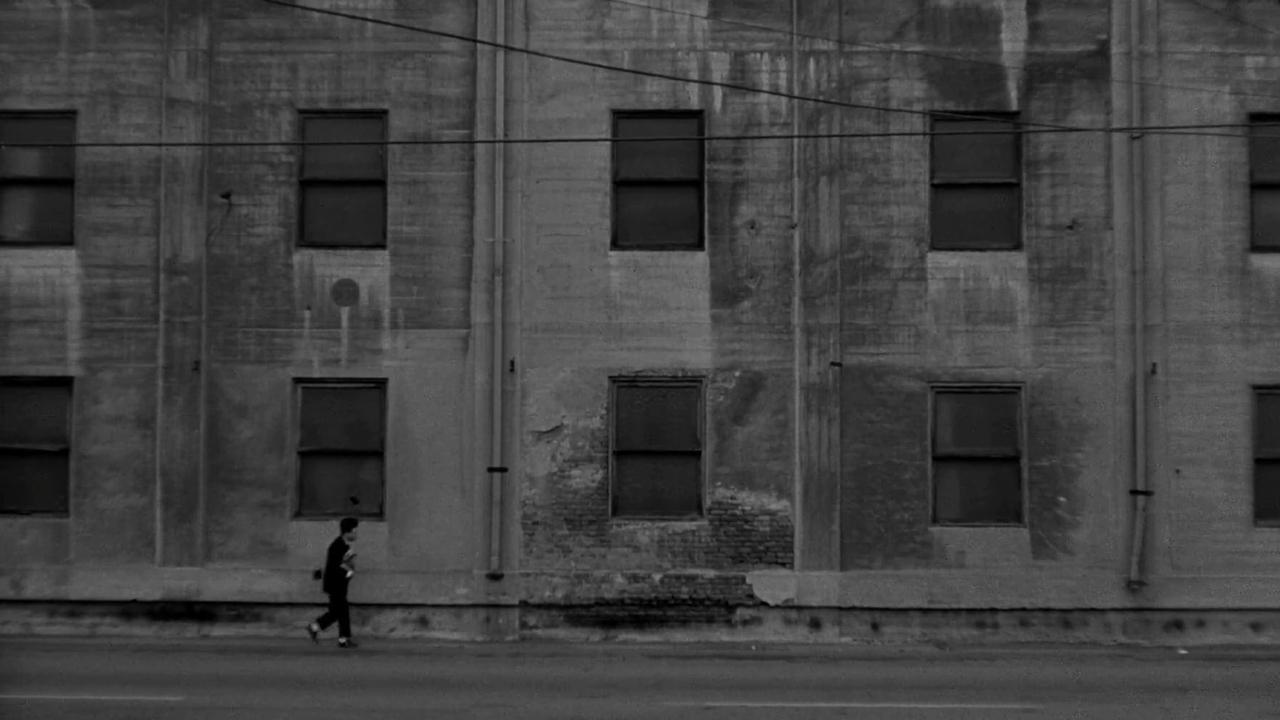
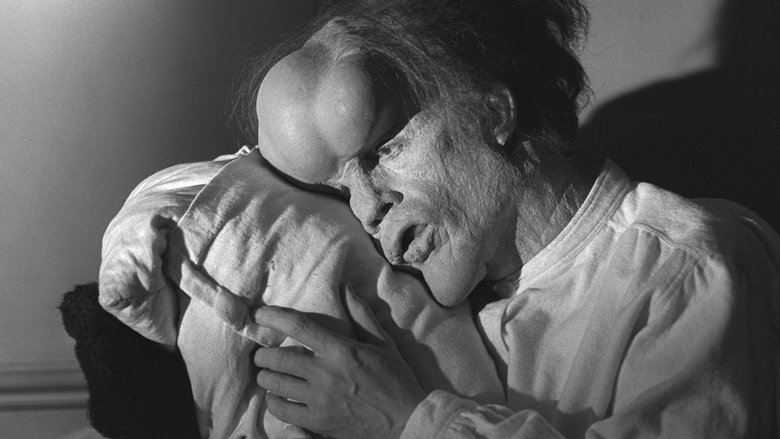
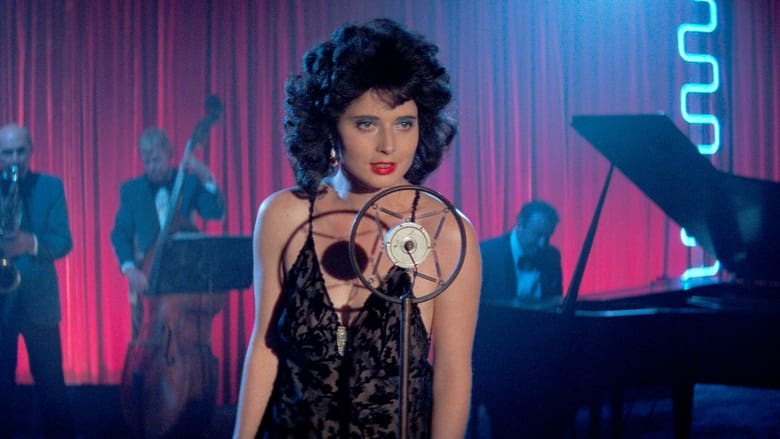
Watching it on a grainy VHS only added to the experience. The low resolution blended the shadows together, making the industrial textures look even more oppressive. The sound design, crafted by Lynch and the brilliant Alan Splet (who would go on to work on Blue Velvet and The Elephant Man), is so dense that even a hiss-heavy tape couldn't kill its power. It is a film that demands you turn out the lights and surrender to its rhythm. It doesn't offer jump scares; it offers a sustained, 89-minute panic attack that somehow manages to be strangely beautiful.
There is a strange, dark comfort in Eraserhead. It’s a film about the fear of responsibility, the terror of the unknown, and the weirdness of being a biological creature in a mechanical world. It’s not "fun" in the traditional sense, but it is deeply satisfying in the way a profound dream is. It sticks to your ribs and haunts your thoughts long after the radiator stops hissing. If you haven't seen it, find the biggest screen and the best speakers you can—and maybe keep the cat out of the room.
Keep Exploring...
-
Nosferatu the Vampyre
1979
-
Twin Peaks: Fire Walk with Me
1992
-

Inland Empire
2006
-
What Ever Happened to Baby Jane?
1962
-
The Elephant Man
1980
-

Day of the Dead
1985
-
Peeping Tom
1960
-

Repulsion
1965
-
Mean Streets
1973
-

Serpico
1973
-
Badlands
1974
-

The Conversation
1974
-
The Texas Chain Saw Massacre
1974
-

Carrie
1976
-

Halloween
1978
-

Invasion of the Body Snatchers
1978
-

The Evil Dead
1981
-
Blue Velvet
1986
-
Rosemary's Baby
1968
-
Don't Look Now
1973