Saturday Night Fever
"Escape the borough. Own the floor."
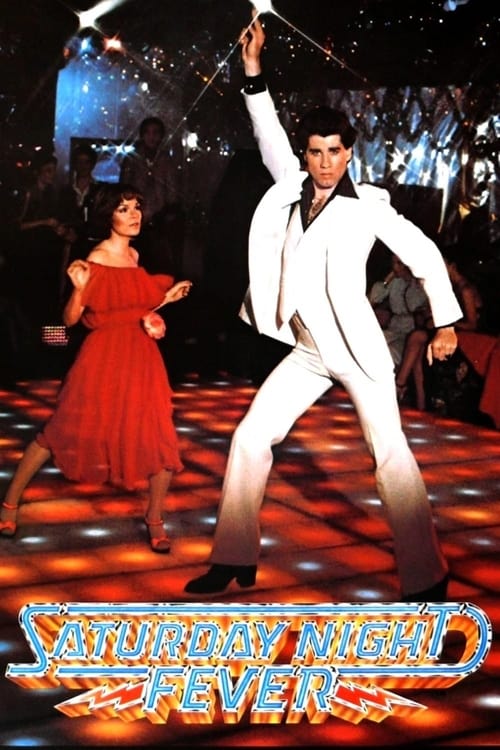
There is a specific, predatory grace to the way John Travolta struts down 86th Street in the opening credits of Saturday Night Fever. With a double-decker slice of pizza in one hand and a can of paint in the other, he isn't just walking; he’s claiming the concrete. It’s one of the most deceptive openings in cinema history. If you only know this movie from the lunchboxes, the K-Tel compilation covers, or your aunt’s old exercise tapes, you likely think it’s a shimmering disco fantasy. In reality, it’s a bleak, sweat-soaked, and aggressively foul-mouthed character study that has more in common with Mean Streets than Grease.
I watched this most recent screening while drinking a lukewarm seltzer that had lost its fizz twenty minutes prior, and honestly, that flat, slightly bitter sensation felt like a perfect metaphor for Tony Manero’s life at the paint store.
More Than Just a White Suit
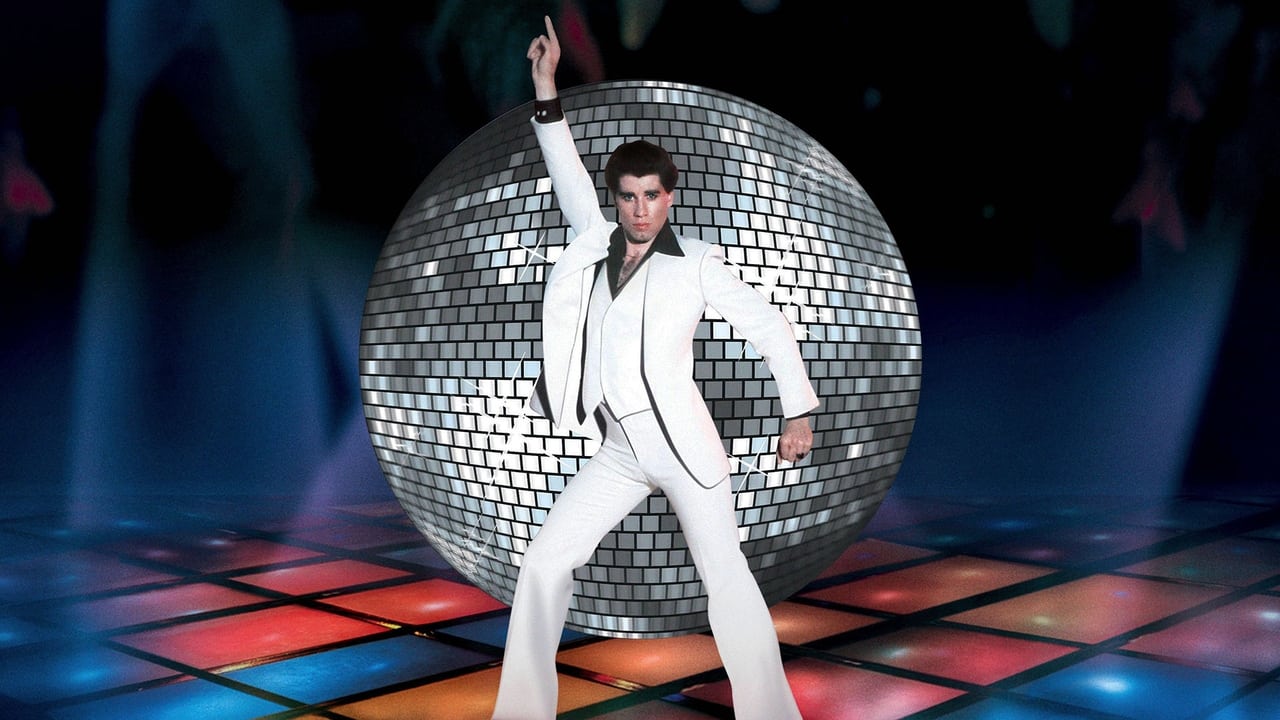
We need to talk about the "Tony Manero Collection" experience, because for a generation of kids in the 80s, this was the ultimate "parental mistake" rental. The VHS box art, featuring Travolta in that iconic white polyester suit, promised a neon-lit party. What the tape actually delivered was a gritty R-rated descent into racial tension, toxic masculinity, and the crushing weight of the American Dream dying in a Brooklyn basement. Paramount actually released a PG-rated cut in 1979 to capitalize on the younger fans who loved the soundtrack, but if you aren't watching the original 118-minute version, you aren't seeing the real movie.
John Travolta—fresh off Welcome Back, Kotter and directed here by John Badham (who later gave us WarGames)—is nothing short of a revelation. He plays Tony as a high-functioning narcissist who only feels human when he’s under a strobe light. There’s a scene where he’s getting ready for the club, meticulously hitting his hair with a dryer and obsessing over his shirt collar, while his father screams at him. It’s a masterclass in using vanity as a shield. Tony Manero is essentially a beautiful loser who treats his friends like disposable napkins, yet Travolta makes you ache for him because he’s the only one in the neighborhood who realizes the Verrazzano-Narrows Bridge actually leads somewhere.
The King of the 2001 Odyssey
The film’s legacy is inseparable from its soundtrack, but the behind-the-scenes reality of the music is hilarious. Producer Robert Stigwood called up the Bee Gees while they were recording in France and basically said, "I need songs for a disco movie." The brothers Gibb hadn't seen a single frame of footage. They wrote "Stayin' Alive," "Night Fever," and "How Deep Is Your Love" in a weekend. When the film finally hit, the soundtrack didn't just sell; it dominated. It stayed at #1 on the Billboard charts for 24 consecutive weeks. Adjusted for inflation, this $3.5 million movie pulled in nearly a billion dollars. It wasn't just a hit; it was a planetary alignment.
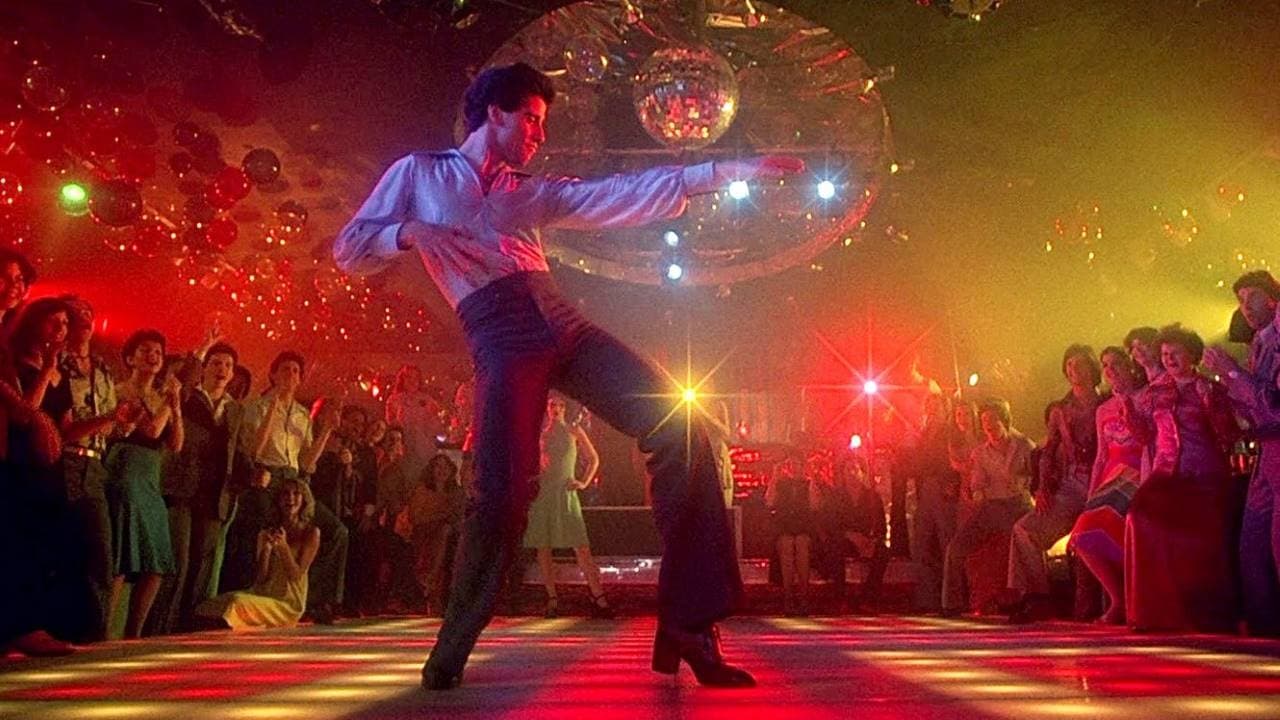
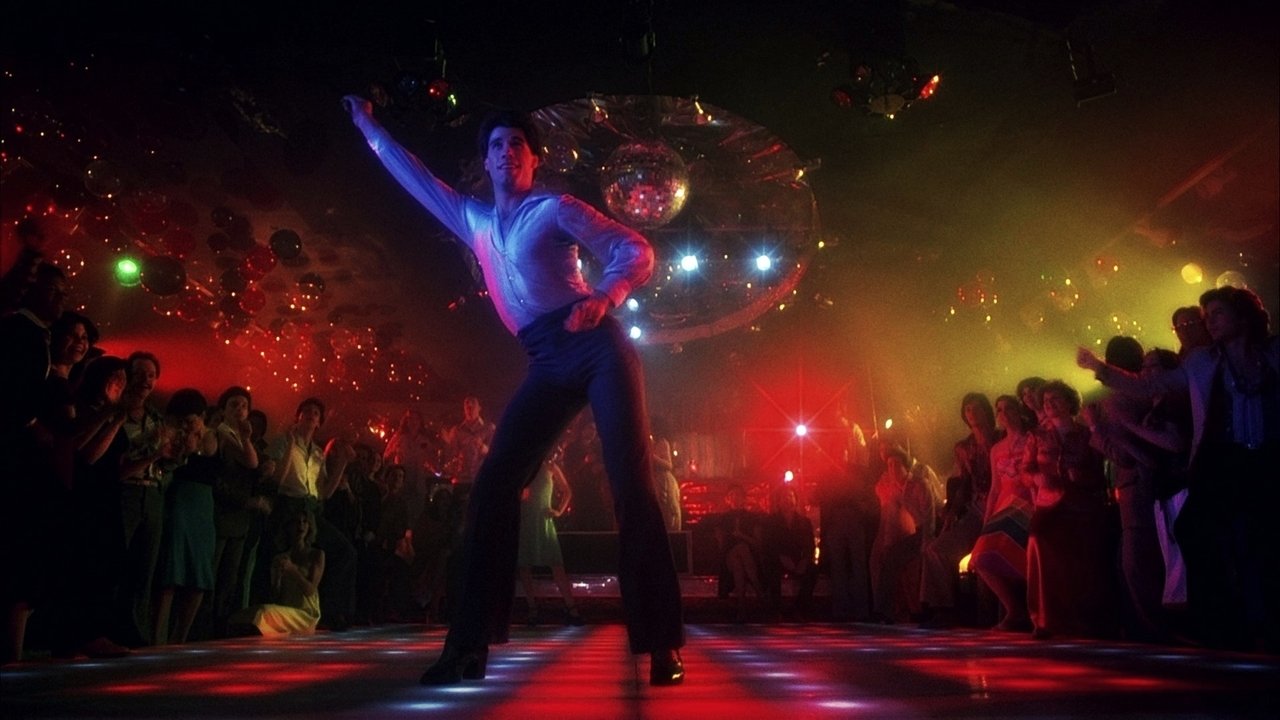
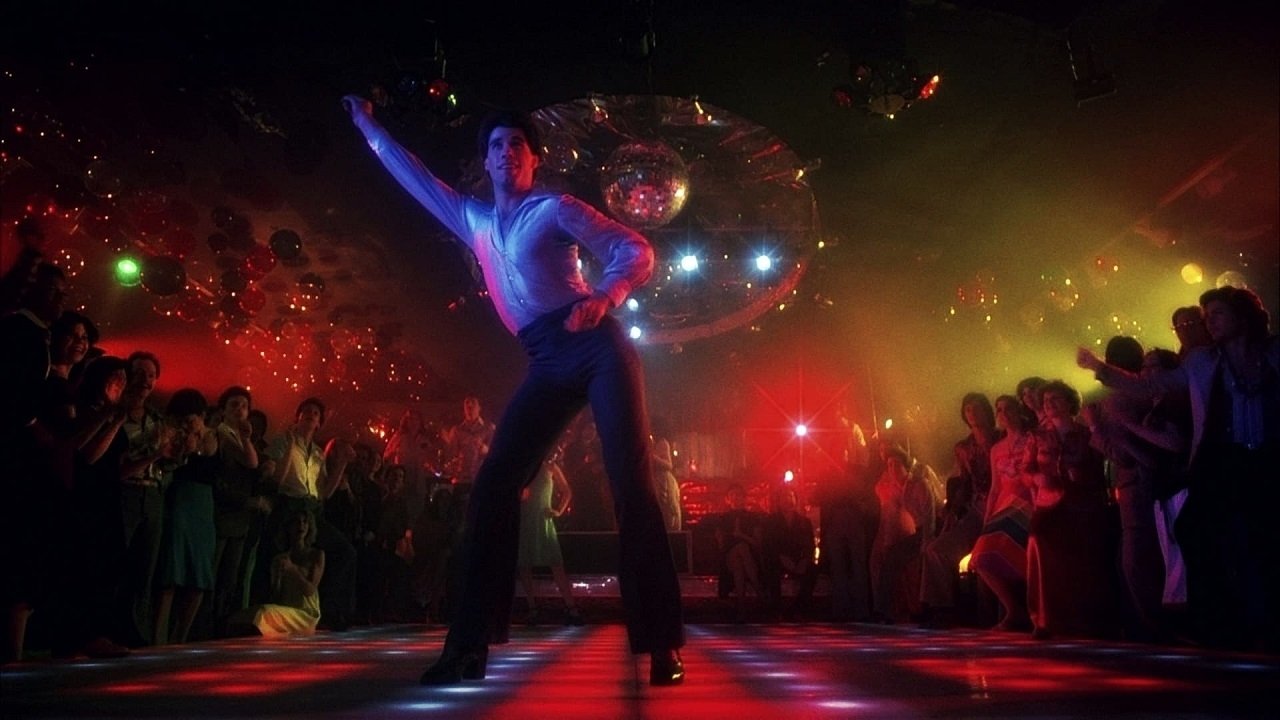
The dance sequences, choreographed by Lester Wilson, are where the "New Hollywood" grit meets the "Blockbuster" spectacle. John Travolta reportedly ran two miles a day and practiced his dancing for three hours daily to get into "disco shape." You can see the effort on screen. There are no quick-cut edits to hide a stunt double’s feet here. When Tony hits the floor at the 2001 Odyssey club (a real-life Brooklyn hotspot that became a tourist mecca), it’s pure, unadulterated athleticism.
A Gritty Slice of 70s Concrete
While the dancing gets the glory, the supporting cast provides the gravity. Donna Pescow is heartbreaking as Annette, the girl who loves Tony and gets treated like garbage for her trouble. Karen Lynn Gorney, playing the socially climbing Stephanie, provides the perfect foil—she’s just as desperate as Tony but masks it with a fake Manhattan accent and talk of "tea with Joe Namath." Their relationship isn't a traditional romance; it's a mutual survival pact.

The film captures a very specific 1977 New York anxiety. The city was broke, the "Son of Sam" had just been caught, and the Bronx was burning. You feel that tension in the subplot involving Barry Miller as Bobby C., the friend spiraling toward a tragic end while the rest of the gang is too busy arguing about "spics" and "micks" to notice. It’s uncomfortable, abrasive, and deeply honest about the casual bigotry of the era.
Saturday Night Fever is a rare beast: a commercial juggernaut that refuses to play nice. It’s a movie about the tragedy of being "the guy" in a small pond and the terrifying realization that the pond is drying up. Even if you hate disco, you have to respect the craft. The cinematography by Ralf D. Bode captures the neon as if it were a religious experience, and the Bee Gees’ falsetto provides a ghostly, ethereal counterpoint to the violence on the streets.
Don't let the parody versions in your head ruin the real thing. This isn't just a "dance movie." It’s a snapshot of a moment when cinema was brave enough to let its hero be a jerk, as long as he could fly for three minutes on a Saturday night. It’s a film that earns its sweat and its tears, leaving you with the haunting image of Tony on a subway train, finally realizing that the music eventually has to stop.
Keep Exploring...
-
WarGames
1983
-
Cabaret
1972
-
Dirty Dancing
1987
-

American Graffiti
1973
-
Serpico
1973
-

The Towering Inferno
1974
-
Close Encounters of the Third Kind
1977
-
Kramer vs. Kramer
1979
-
An Officer and a Gentleman
1982
-
Rocky III
1982
-
Moonstruck
1987
-
The Graduate
1967
-

The Sound of Music
1965
-
Butch Cassidy and the Sundance Kid
1969
-
Deliverance
1972
-
Mean Streets
1973
-
The Holy Mountain
1973
-
Badlands
1974
-
Death Wish
1974
-

The Conversation
1974