Star Wars
"A dusty, dented space-opera that traded clinical sci-fi for pure, unadulterated cinematic joy."
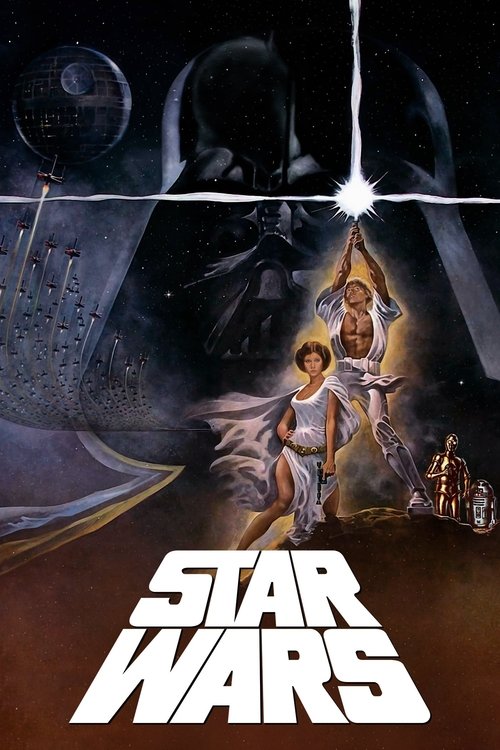
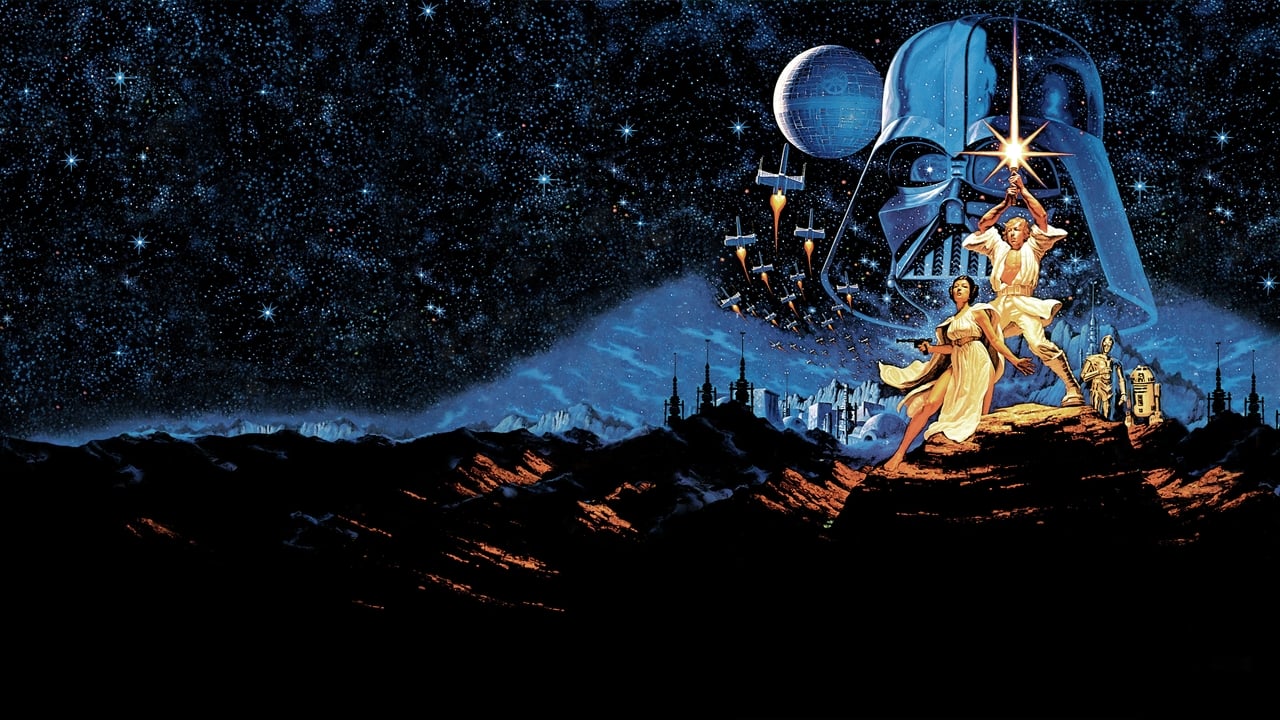
The first thing that always hits me isn’t the scale or the stars—it’s the dirt. Before 1977, science fiction usually looked like a sanitized dentist’s office. You had the silver spandex of the fifties or the clinical, white-plastic austerity of 2001: A Space Odyssey. But when that Star Destroyer rumbles over the screen in the opening seconds of Star Wars, it looks like a piece of heavy machinery that’s been through a car wash exactly zero times in the last decade. It has texture. It has grime. It looks like it belongs to a universe that existed long before the camera started rolling.
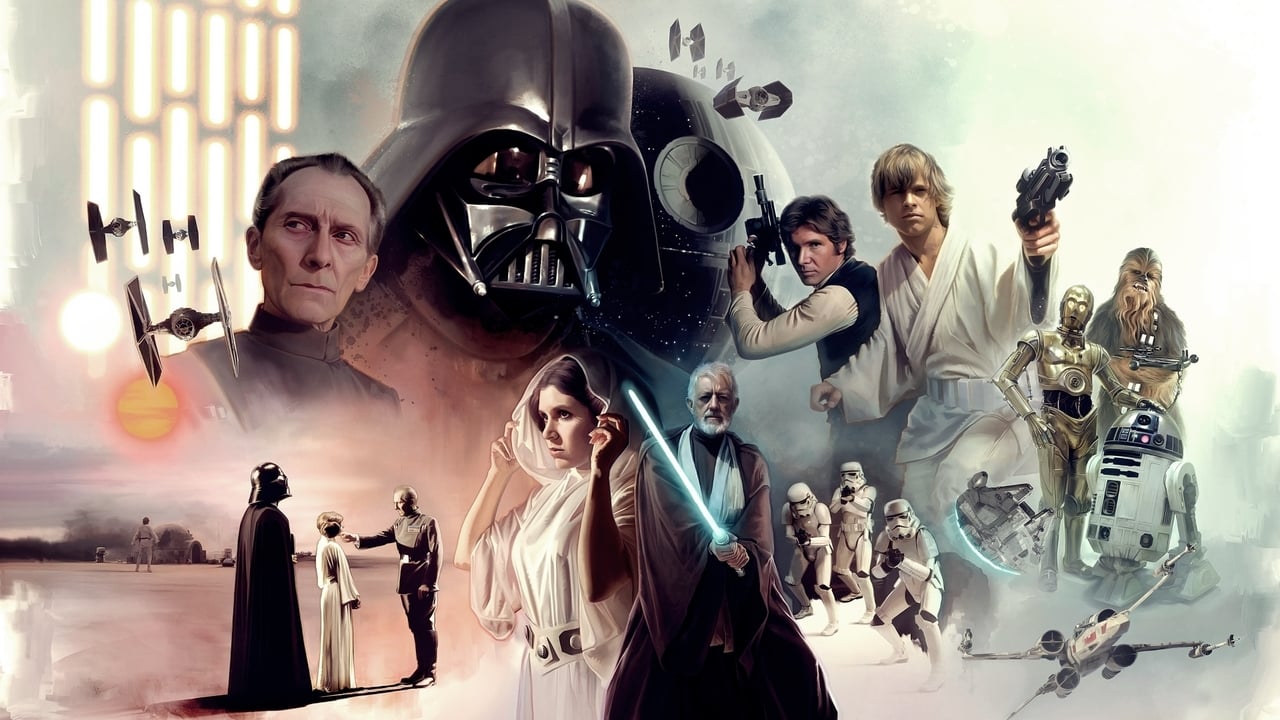
I watched this most recently while nursing a mild coffee burn on my tongue, and honestly, the searing heat of Tatooine felt a lot more literal because of it. There’s a tactile heat to this movie that CGI simply cannot replicate.
The Used Universe and the Death of the Studio System
George Lucas, fresh off the success of American Graffiti, was essentially trying to build a bridge between the gritty, auteur-driven "New Hollywood" of the 70s and the Saturday morning serials of his childhood. The production was, by all accounts, a disaster. George Lucas was hospitalized for hypertension during filming because everything that could go wrong did. The robots didn't work, the Tunisian weather was miserable, and the crew thought they were making a kids' movie that would tank.
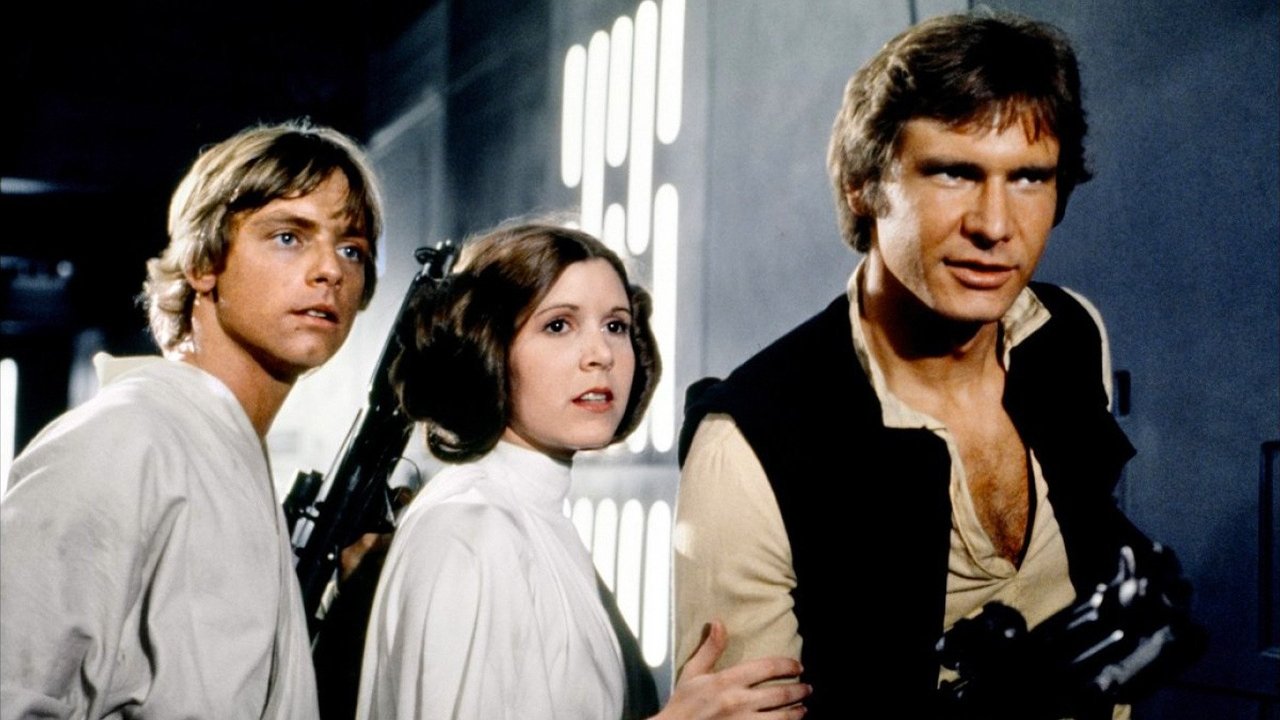
But that friction created something magical. Because the budget was a relatively slim $11 million, the production couldn't afford to be precious. They used "kit-bashing"—gluing parts from model tanks and planes onto their spaceships—to create that "used universe" aesthetic. It made the technology feel industrial and lived-in. When Mark Hamill as Luke Skywalker complains about cleaning the droids, you feel the boredom of the farm boy. Hamill brings a sincere, wide-eyed vulnerability that acts as the perfect anchor for the audience. Without his earnestness, the whole thing would have collapsed into camp.
The Chemistry of a Golden Age Actioner
Of course, the earnestness needs a foil, and that’s where Harrison Ford comes in. If Luke is the heart, Han Solo is the swaggering, cynical pulse of the film. Ford plays Solo like he’s in a Western that just happens to have lasers, and his chemistry with Carrie Fisher is legendary. Fisher is a revelation here; she isn't a damsel waiting for a rescue, she’s the one taking the blaster and shooting her way into the garbage chute. I honestly think the movie would be 40% less effective if Han Solo didn't look like he wanted to be literally anywhere else.
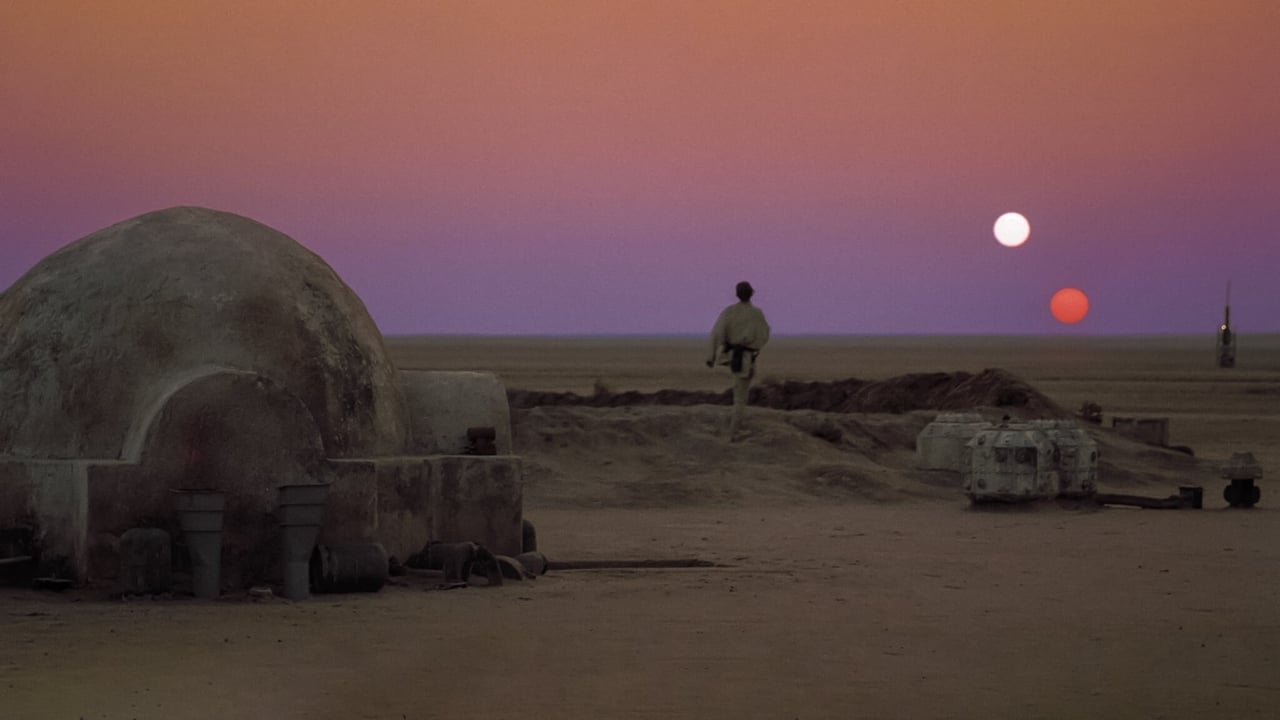
The action choreography isn't about flashy martial arts; it’s about momentum and clarity. The dogfights during the Death Star trench run were modeled after actual World War II dogfight footage, and you can feel that weight. When an X-Wing explodes, it isn't a digital bloom; it’s a physical event staged by the wizards at the newly formed ILM. The sound design by Ben Burtt is the secret weapon here. He didn't use synthesizers; he used the sound of a hammer hitting a radio tower cable to create the blaster fire. It sounds organic and sharp.
From the Big Screen to the Brown Plastic Case
It’s hard to overstate how much this film dominated the culture. It didn't just break records; it rewrote the manual on how movies were sold. Before Star Wars, movie merchandising was an afterthought. After George Lucas negotiated to keep the merchandising rights—a move that made him a billionaire—the world was flooded with Kenner action figures. They even sold an "Early Bird Certificate" (literally an empty box with a voucher) for Christmas 1977 because they couldn't keep up with the demand.
By the time the mid-80s rolled around, Star Wars became the ultimate VHS artifact. I remember the weight of the CBS/Fox Video rental case—that oversized, heavy brown plastic shell that felt like it contained something forbidden and precious. These were the tapes we watched until the tracking went fuzzy and the magnetic strip started to scream. The home video revolution allowed us to freeze-frame on the cantina aliens, trying to spot every weird mask and prosthetic created by Rick Baker and the creature crew. It turned a theatrical event into a personal obsession.
The Score that Saved the Galaxy
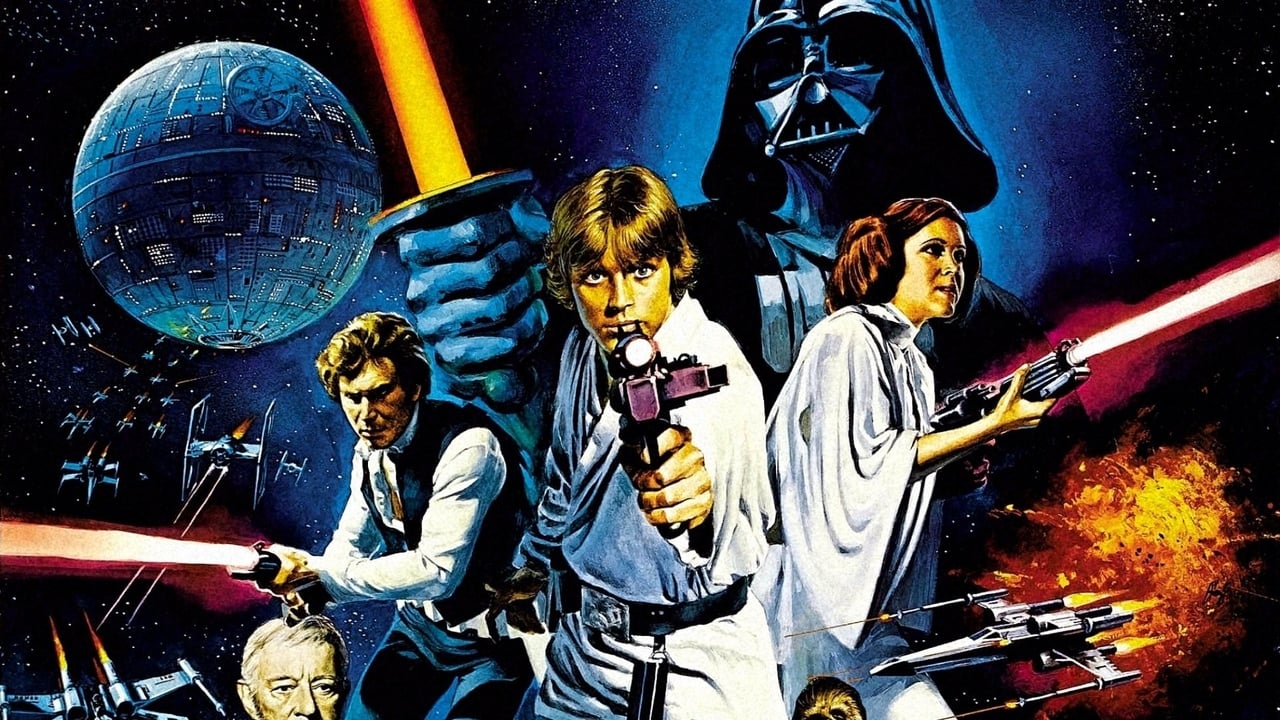
We have to talk about John Williams. At a time when movies were moving toward experimental, synth-heavy soundtracks, Williams went the other way. He delivered a sweeping, romantic, orchestral score that gave the film its soul. The "Force Theme" isn't just music; it’s a character. It tells you how to feel when the dialogue is sparse. Along with the cinematography of Gilbert Taylor, who fought with Lucas constantly to get that soft, diffused look, the film achieved a visual and aural grandeur that its $11 million budget had no right to claim.
Peter Cushing as Grand Moff Tarkin and Alec Guinness as Obi-Wan "Ben" Kenobi add the necessary "prestige" gravitas. Cushing is chillingly cold, famously filming many of his scenes in slippers because the boots provided were too small. That’s the kind of practical, low-fi reality that makes this era of filmmaking so endearing. They were making a masterpiece in their pajamas.
Star Wars remains the definitive argument for why practical effects and strong character archetypes will always outlast digital spectacle. It’s a film that shouldn't have worked—a weird, dusty space-western made by a stressed-out director and a cast of mostly unknowns. Yet, it captured a sense of wonder that we’ve been trying to bottle ever since. It’s the reason many of us fell in love with the dark of the cinema in the first place.
Keep Exploring...
-
The Empire Strikes Back
1980
-
Return of the Jedi
1983
-

Star Wars: Episode III - Revenge of the Sith
2005
-
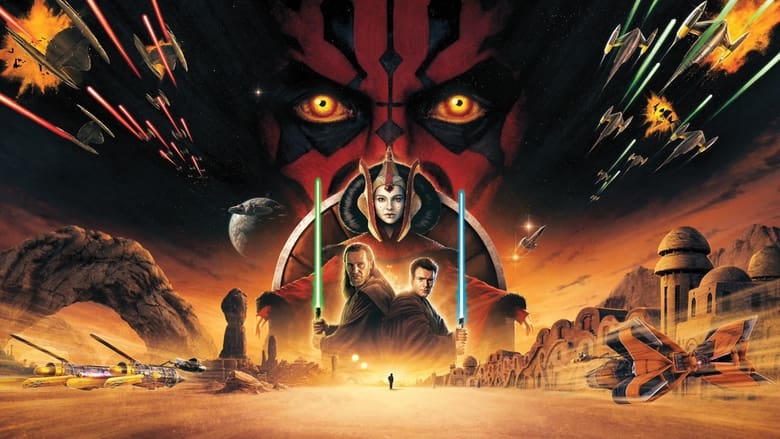
Star Wars: Episode I - The Phantom Menace
1999
-

Star Wars: Episode II - Attack of the Clones
2002
-
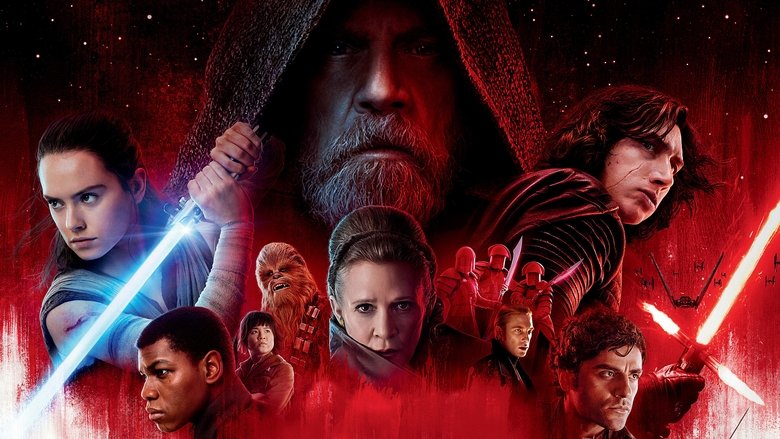
Star Wars: The Last Jedi
2017
-
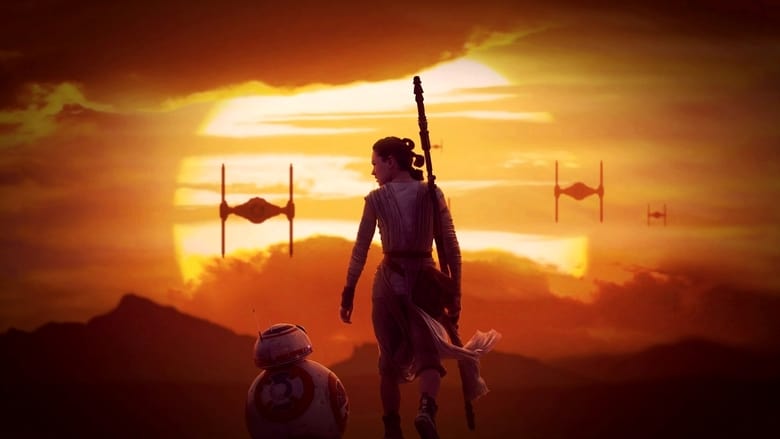
Star Wars: The Force Awakens
2015
-
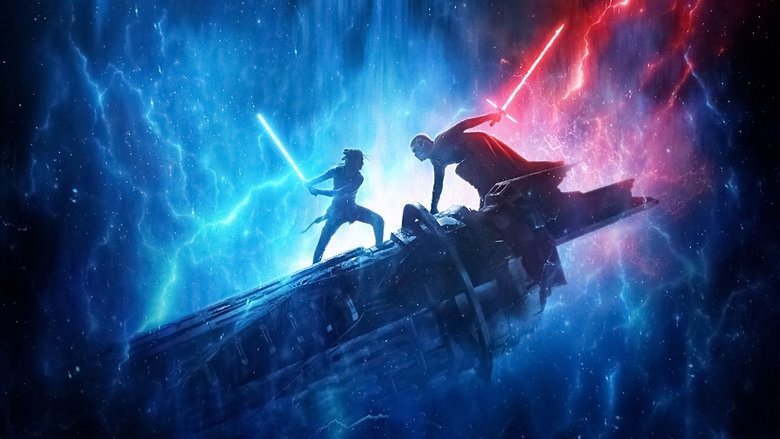
Star Wars: The Rise of Skywalker
2019
-

Star Trek II: The Wrath of Khan
1982
-
Raiders of the Lost Ark
1981
-
E.T. the Extra-Terrestrial
1982
-
First Blood
1982
-
Planet of the Apes
1968
-

Superman
1978
-

Superman II
1980
-

Predator
1987
-
Mad Max 2
1981
-
Indiana Jones and the Temple of Doom
1984
-
The Karate Kid
1984
-

Back to the Future
1985