Suspiria
"Once you step inside, you’ll never dance again."
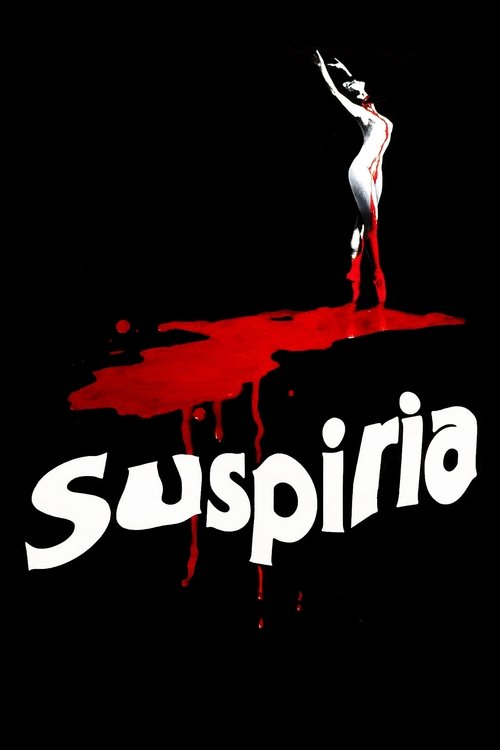
The airport doors at Munich slide open with a hiss that sounds suspiciously like a warning. For Suzy Bannion, the young American dancer arriving in the middle of a torrential downpour, the world is about to lose its logic. I watched this most recent time while wearing a pair of scratchy wool socks that I eventually had to pull off and throw into the hallway because they felt "cursed" by the film’s oppressive humidity. That is the power of Dario Argento’s 1977 masterpiece: it doesn’t just play on your screen; it stains your room.

A Symphony of Primary Colors
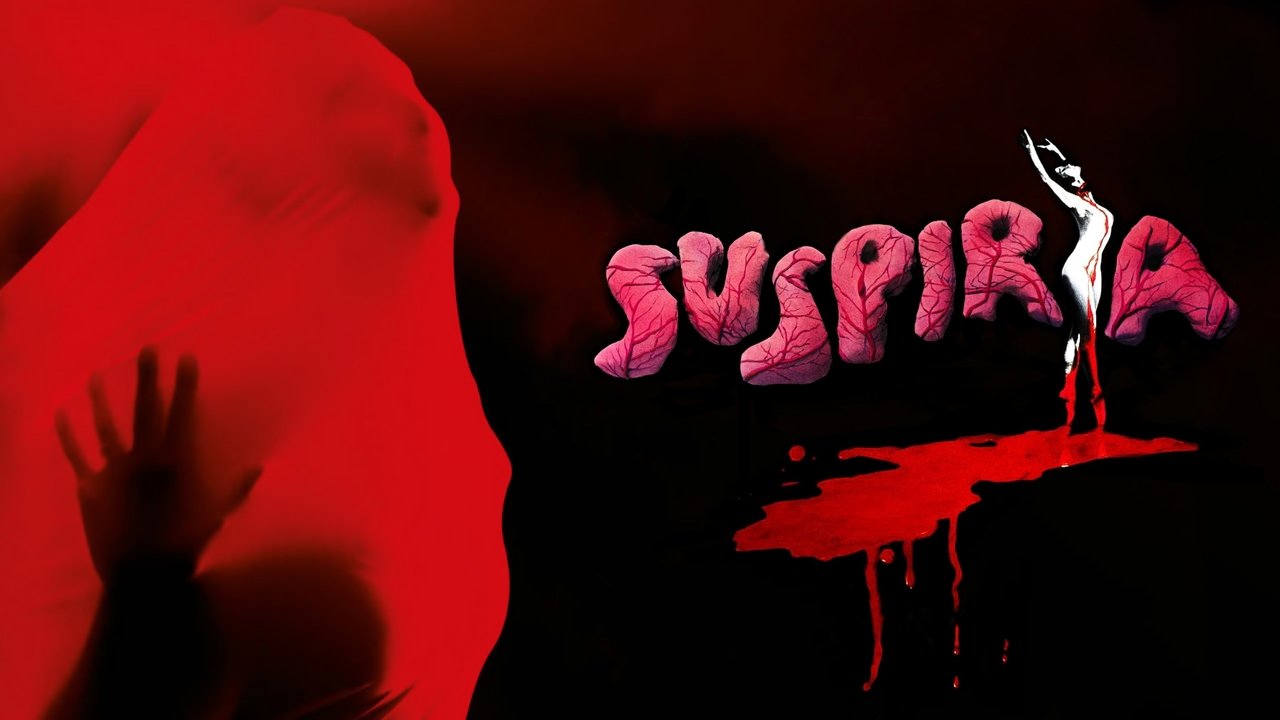
Most horror films from the late 70s were migrating toward the grit of The Texas Chain Saw Massacre or the suburban shadows of Halloween. Dario Argento went the other way. He took the Giallo—Italy’s signature brand of stylish, black-gloved murder mysteries—and dunked it in a vat of Technicolor dye. Working with cinematographer Luciano Tovoli, Argento used some of the last remaining Technicolor dye-transfer machines in the world to create a look that is less like a movie and more like a fever dream viewed through a stained-glass window.
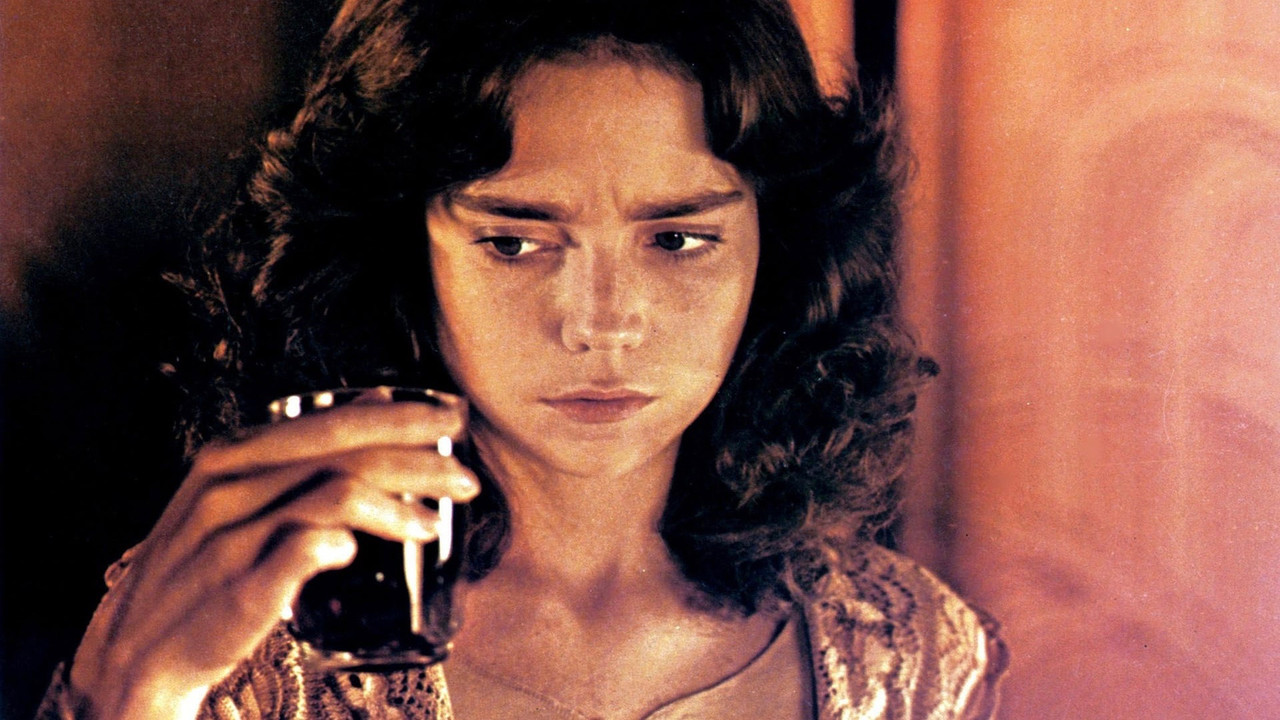
As Suzy, Jessica Harper is the perfect "Alice in Wonderland" surrogate. Her huge, expressive eyes anchor us as she enters the Tanz Academy, a prestigious ballet school that feels like a gingerbread house built by a sadist. The reds are so deep they look like they’re still wet; the blues are cold enough to give you frostbite. The sheer arrogance of Argento’s style makes every modern 'elevated horror' director look like they’re playing with Duplo blocks. He isn't interested in realism. He wants to overwhelm your optic nerve until you stop asking questions about plot and start worrying about your soul.
The Whisper in the Walls
If the visuals don't get you, the sound will. The score by the Italian progressive rock band Goblin (with heavy input from Argento himself) is legendary for a reason. It doesn't sit in the background; it leans over your shoulder and screams. They used a Greek bouzouki, a celesta, and a heavy dose of Moog synthesizers to create a cacophony of whispers, sighs, and frantic drumming.
Legend has it that Argento played the music on set at full volume to unsettle the actors, including Stefania Casini and Barbara Magnolfi. You can see it in their performances—a genuine, jittery exhaustion. When you hear that raspy voice chanting "Witch!" over a thumping bassline, the film stops being a narrative and becomes a ritual. It’s the kind of audio design that made the VHS era so special; even through the hiss of a fifth-generation rental tape, that music could cut through a cheap CRT television speaker like a jagged piece of glass.
Practical Brutality
The violence in Suspiria is famously stylized, but it remains deeply upsetting because of its tactile nature. This was the golden age of practical effects, long before CGI sanitized the gore. The opening double-murder is a tour de force of mechanical ingenuity. We see a heart literally being stabbed through a window, a body crashing through a skylight, and a decorative noose that feels far too heavy to be a mere prop.
The "wire room" scene involving Stefania Casini’s character, Sara, is a masterstroke of tension. To achieve the look of the room filled with razor wire, the production team used thousands of feet of actual wire, creating a literal trap for the actress. There’s no digital trickery here; it’s just a human being struggling against a physical nightmare. Dario Argento and screenwriter Daria Nicolodi (who based the story on her grandmother’s tales of a real-life occult school) originally wanted the cast to be children, but the studio balked. To compensate, Argento had the sets built with door handles at eye level, forcing the adult actors to reach upward like children, subtly infantilizing them and making the threat of the "Three Mothers" feel even more gargantuan.
The Cult of the Velvet Box
For those of us who grew up scouring the "International" or "Horror" sections of independent video stores, the Magna Home Video release of Suspiria was a holy grail. The cover art—a woman’s neck being gripped by a skeletal hand against a velvet-red backdrop—promised a level of intensity that the film actually delivered. It’s one of the few movies that feels enhanced by the slightly "off" quality of a vintage tape; the grain adds a layer of filth to the pristine art-deco sets.
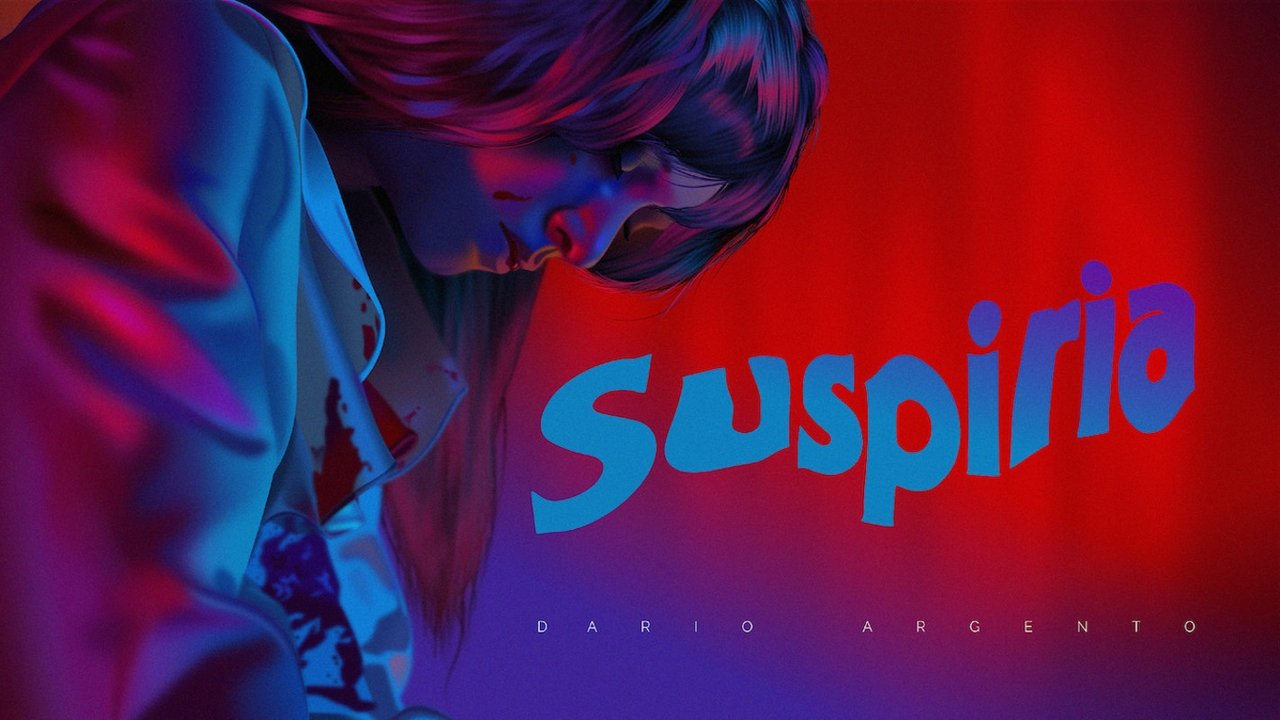
Whether it’s the strange, stilted dialogue of Flavio Bucci or the brief, unsettling appearance of a young Miguel Bosé, every element feels like it belongs to a different dimension. This is a film that rewards repeated viewings not for the "twist," but for the sheer sensory experience. It’s a cult classic because it refuses to play by the rules of Hollywood logic, opting instead for the logic of a nightmare you can’t quite wake up from.
Suspiria is the definitive argument for cinema as a purely aesthetic experience. It doesn't matter if you find the ending abrupt or the plot thin; by the time the final credits roll over a collapsing academy, you've been through a sensory car wash. It’s a bold, uncompromising piece of art that remains the high-water mark for the Italian horror scene and a mandatory watch for anyone who claims to love the genre.
Stuff You Didn't Notice
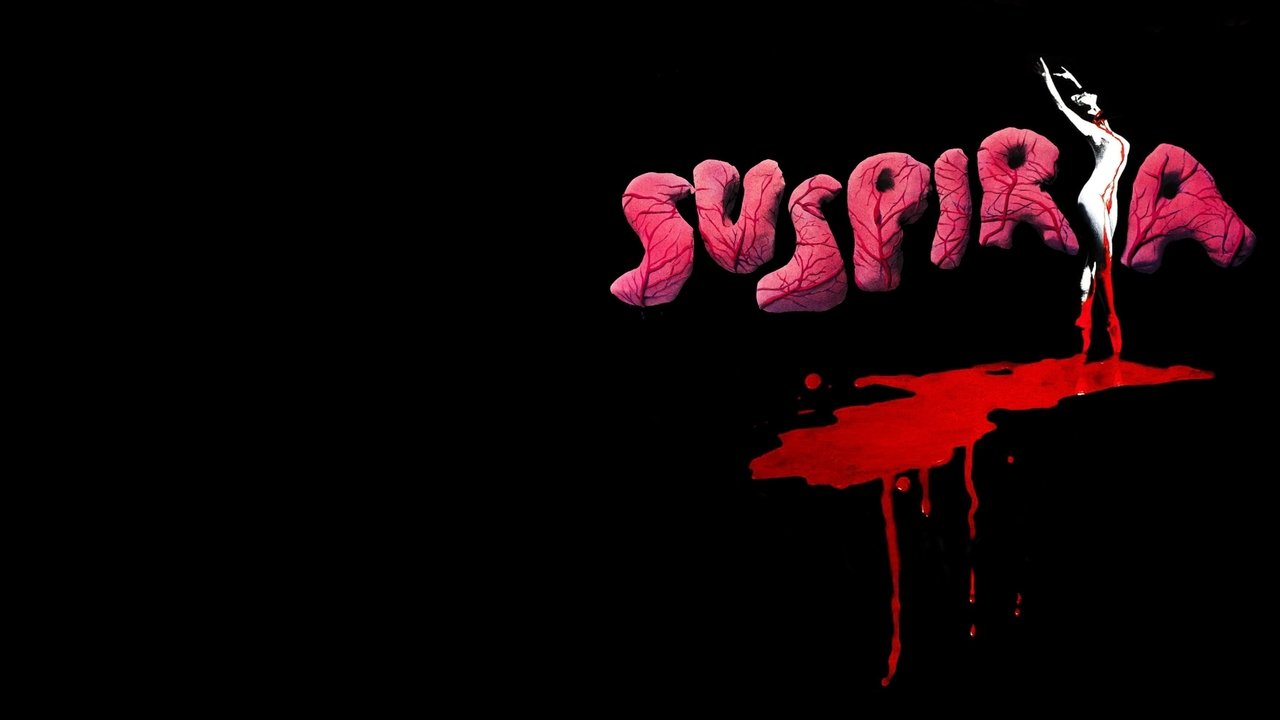
The Child Factor: Because Argento originally wanted 10-year-olds for the lead roles, he didn't just raise the door handles; he also had the actors use exaggerated, childlike movements in several scenes. Technicolor Swan Song: This was one of the last films ever processed using the three-strip Technicolor process, which explains why the colors look so much more vibrant than anything shot today. The Hidden Voice: The "sighing" and whispering in the soundtrack were actually performed by Argento himself into a distorted microphone to ensure they sounded exactly as he imagined them. The Escher Connection: The school's architecture and wallpaper were heavily inspired by the impossible geometries of M.C. Escher, designed to make the viewer feel subtly nauseous. * Real-Life Inspiration: Daria Nicolodi claimed her grandmother was sent to a boarding school where she discovered the teachers were practicing black magic—she fled in the middle of the night, just like the girl in the opening scene.
Keep Exploring...
-
Deep Red
1975
-
Phenomena
1985
-
The Omen
1976
-
The Shining
1980
-
An American Werewolf in London
1981
-

The Thing
1982
-
Dawn of the Dead
1978
-
Videodrome
1983
-

The Return of the Living Dead
1985
-
The Fly
1986
-
Frenzy
1972
-
The Exorcist
1973
-
The Wicker Man
1973
-
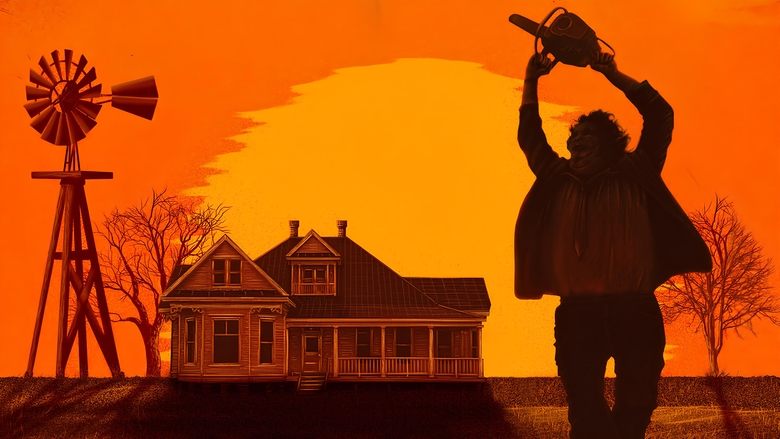
The Texas Chain Saw Massacre
1974
-
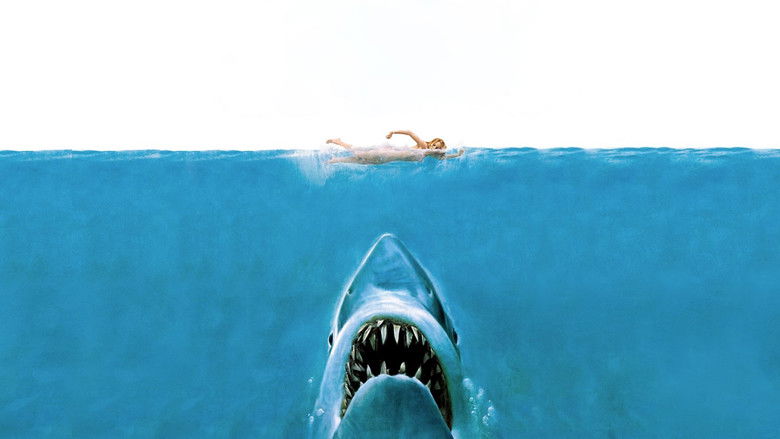
Jaws
1975
-
The Rocky Horror Picture Show
1975
-
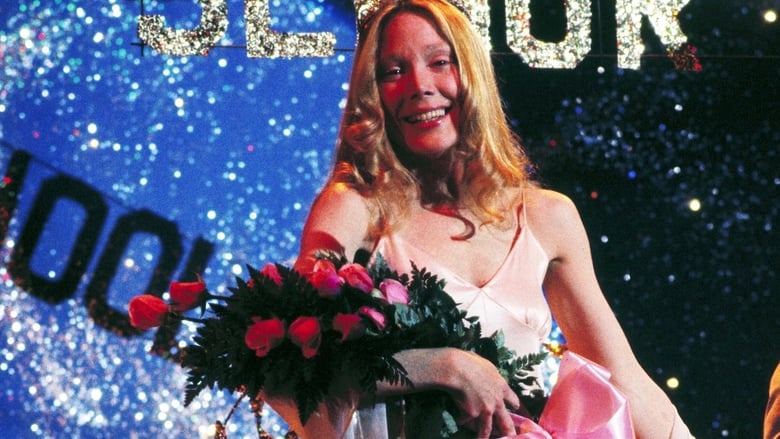
Carrie
1976
-
Eraserhead
1977
-

Halloween
1978
-

Invasion of the Body Snatchers
1978