The Hills Have Eyes
"The desert is watching. And it’s very hungry."
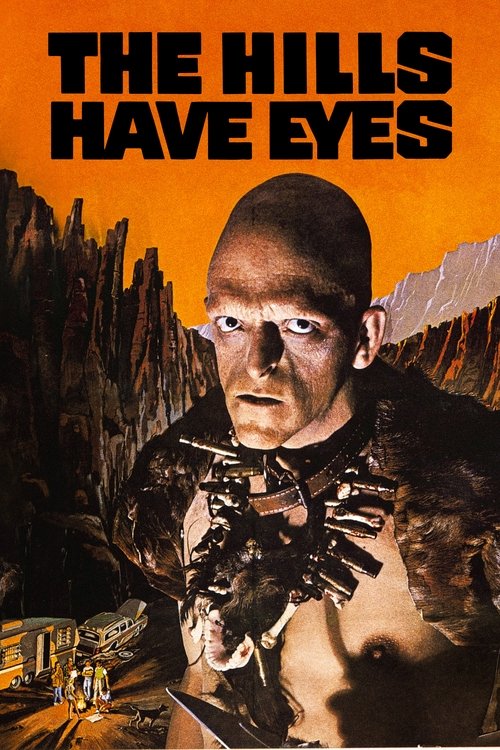
I once watched this movie on a flickering CRT television while eating a lukewarm Grilled Stuffed Burrito, and I swear I could feel the Mojave grit getting in my teeth with every bite. There’s something about the 16mm grain of Wes Craven’s The Hills Have Eyes that makes you want to take a shower with a pumice stone immediately after the credits roll. It’s not just a horror movie; it’s a sun-bleached assault on the senses that feels like it was filmed by people who were genuinely suffering in the heat.

Released in 1977, right as the "New Hollywood" era was curdling into something darker and more cynical, this film remains the gold standard for the "wrong turn" subgenre. It’s a nasty, mean-spirited piece of work, but it’s also incredibly smart. Before Wes Craven became the master of meta-horror with Scream (1996) or the dream-logic king with A Nightmare on Elm Street (1984), he was a former humanities professor making movies that interrogated the very nature of civilization.
A Mirror Made of Sand and Bone
The setup is deceptively simple: The Carter family—parents, three kids, a son-in-law, a baby, and two German Shepherds—are hauling an Airstream trailer through the desert on their way to California. They take a shortcut, because of course they do, and end up stranded in a nuclear testing range. But they aren't alone. Watching them from the ridges is a distorted reflection of themselves: a clan of cannibals led by the patriarch Papa Jupiter (James Whitworth).
What I love about this film is how it pits these two families against each other. The Carters represent the "civilized" American Dream—they have guns, trailers, and middle-class values. The hill clan represents the primal, discarded underbelly of that same dream. Wes Craven doesn't just give us monsters; he gives us a family dynamic that is terrifyingly recognizable. When the two groups finally clash, the "civilized" Carters have to descend into a level of savagery that matches their attackers just to survive. Big Bob Carter, played by Russ Grieve, is essentially a human heart attack in a sweat-soaked polyester shirt, and watching his authority crumble in the face of true wilderness is deeply unsettling.
The $350,000 Nightmare
This is a masterclass in independent filmmaking. Wes Craven and producer Peter Locke (who actually cameos as Mercury) had a measly $350,000 to work with. That’s less than the catering budget on a modern Marvel flick. To save money, the production was a grueling ordeal in the California desert. They shot in 120-degree heat, and because they couldn't afford high-end props, the production designers used actual animal carcasses they bought from the local sheriff’s department. You can almost smell the rot through the screen.
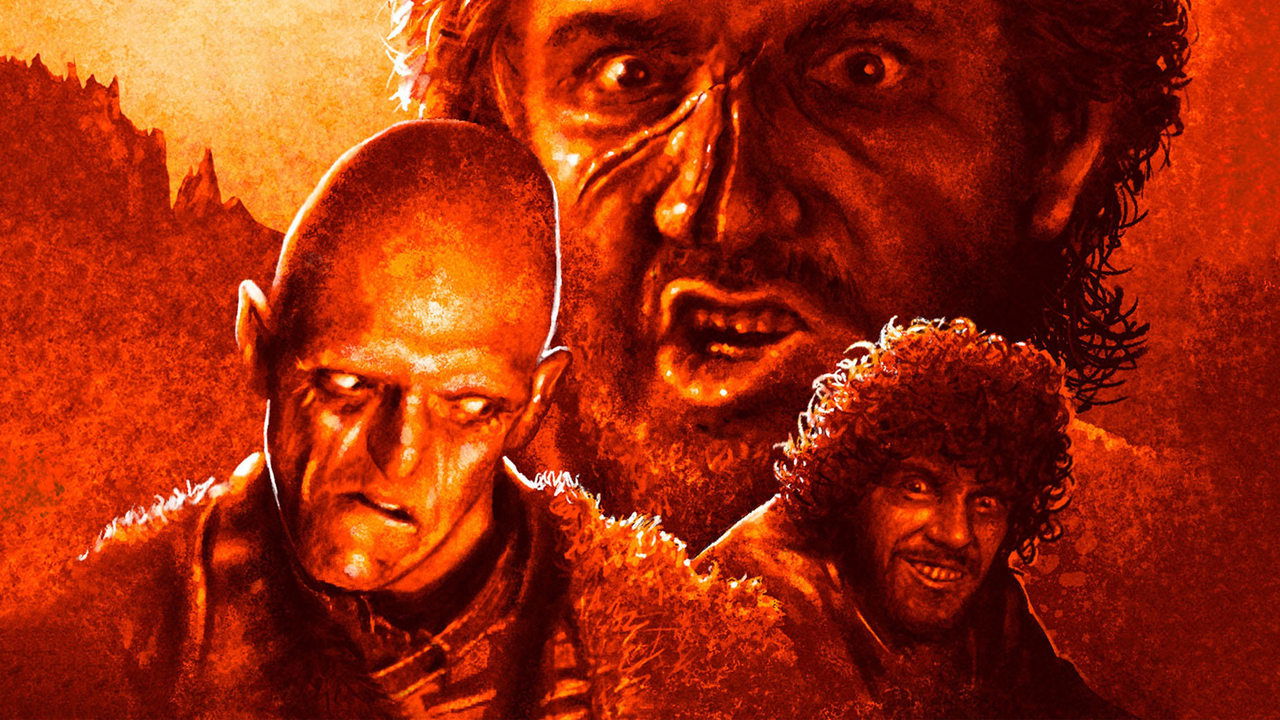
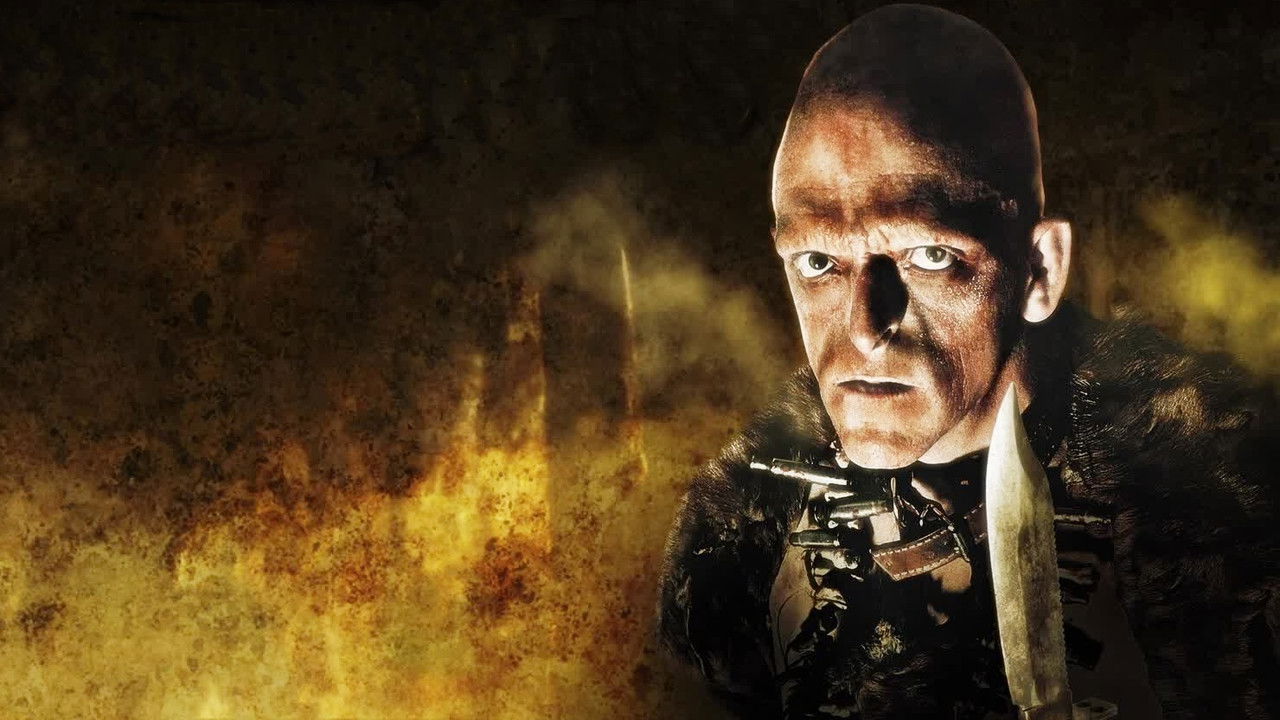
The cast is a fascinating mix of soon-to-be icons and gritty character actors. You’ve got a young Dee Wallace (years before she became the ultimate movie mom in E.T.) giving a performance that is raw and genuinely terrified. Then there’s Michael Berryman as Pluto. With his distinct look—the result of Hypohidrotic Ectodermal Dysplasia—Berryman became the face of the film. He didn't need layers of prosthetics; his natural presence, combined with his surprisingly empathetic acting, created a horror icon that lived on the shelves of every Mom-and-Pop video store throughout the 80s.
The VHS Legacy of the Desert
Speaking of video stores, The Hills Have Eyes was a staple of the "Forbidden" shelf. For those of us who grew up in the rental era, the box art was legendary: a silhouette of a man with binoculars overlooking a helpless trailer. It promised a level of grit that the glossy studio horror films of the time just couldn't match. Watching it today, the practical effects still hold a certain power precisely because they are so lo-fi. When a trap goes off or a character is wounded, it looks painful and clumsy, not choreographed.

I’ve always felt that the real hero of the movie isn't the humans, but Beast, one of the family dogs. After his companion Beauty is—let’s just say "prepared for dinner"—Beast goes on a full-blown John Wick revenge tear against the cannibals. It’s a brilliant subversion; while the humans are panicking and arguing about morality, the dog is the only one who instinctively understands the rules of the desert: kill or be killed.
The film's ending is famously abrupt, cutting to a red-tinted freeze-frame that offers no easy resolution or "safe" feeling. It leaves you sitting there in the silence, wondering if the "winners" are really any different from the "losers" they just slaughtered. It's a cynical, 1970s punch to the gut that modern remakes, despite their bigger budgets and CGI gore, never quite managed to replicate.
The Hills Have Eyes is a foundational text for anyone who wants to understand how horror evolved from the gothic monsters of the 50s into the survivalist nightmares of the modern era. It’s dirty, it’s uncomfortable, and it’s brilliantly paced. If you can stomach the grit, it’s a trip worth taking—just maybe don't bring an RV. This is Craven at his most primal, proving that you don't need a massive budget to create a nightmare that lingers for decades.
Keep Exploring...
-
A Nightmare on Elm Street 3: Dream Warriors
1987
-

A Nightmare on Elm Street
1984
-
Halloween II
1981
-
Don't Look Now
1973
-
Children of the Corn
1984
-
Hellbound: Hellraiser II
1988
-
Friday the 13th Part 2
1981
-
Friday the 13th Part III
1982
-
Phenomena
1985
-
Hellraiser
1987
-
Carrie
1976
-

Halloween
1978
-

Frenzy
1972
-
Jaws 2
1978
-
Dressed to Kill
1980
-
The Amityville Horror
1979
-
Friday the 13th
1980
-
The Fog
1980
-
The Howling
1981
-
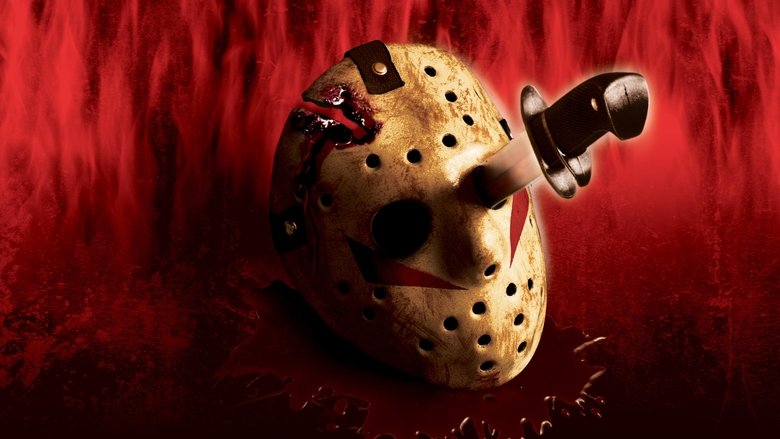
Friday the 13th: The Final Chapter
1984