The Many Adventures of Winnie the Pooh
"Where the pages turn and the childhood stays."
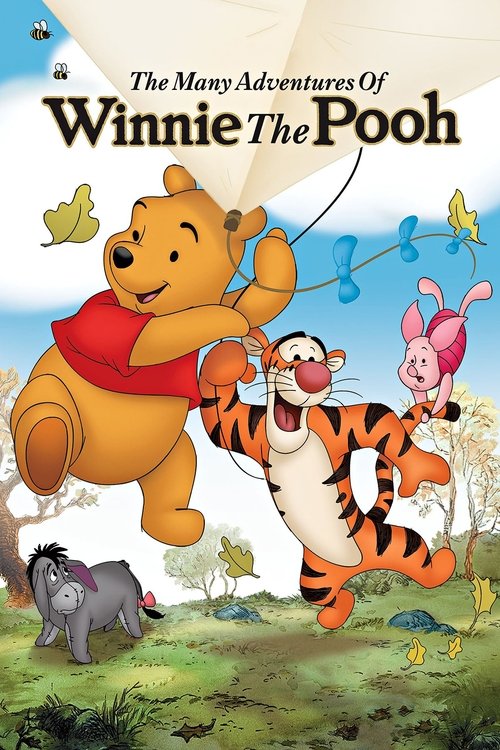
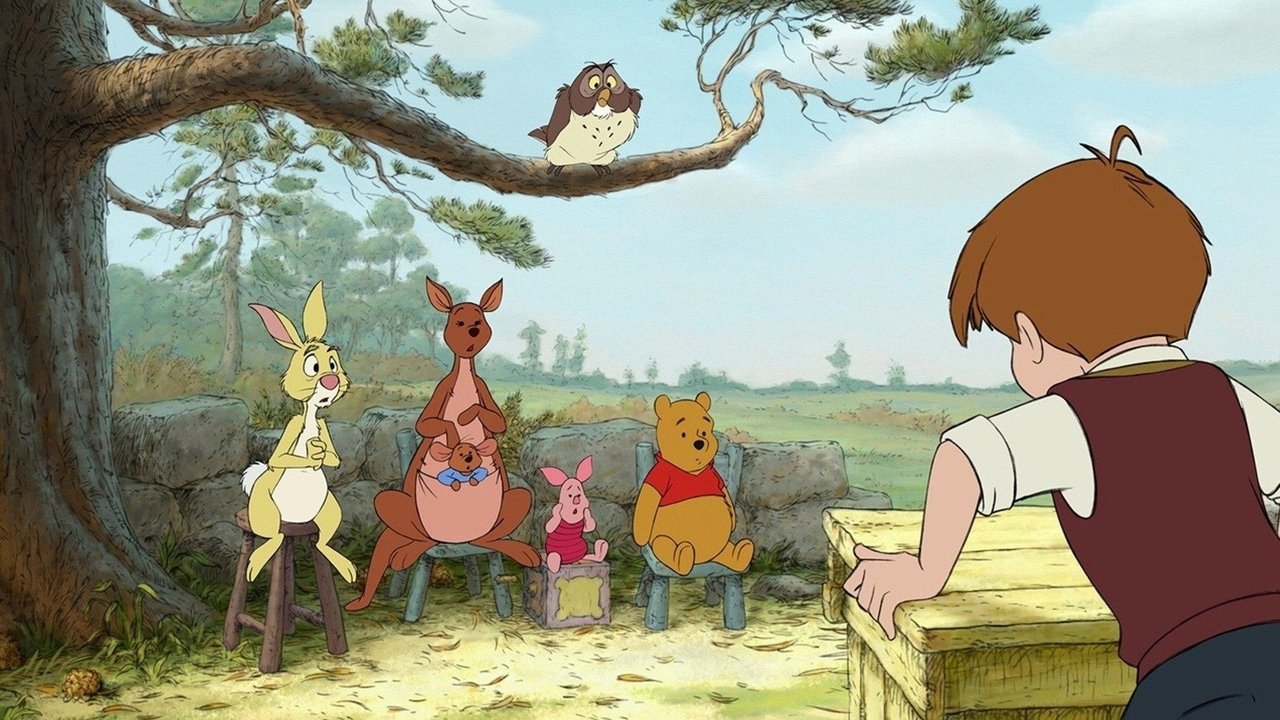
The most radical thing about the Hundred Acre Wood isn't the talking animals or the lack of parental supervision; it’s the fact that the characters are fully aware they inhabit a book. While 1977 was the year George Lucas blew the roof off the cinema with Star Wars, Walt Disney Productions was busy perfecting a much quieter, meta-fictional masterpiece. This isn't just a movie; it’s a living, breathing ink-and-watercolor ecosystem where the characters trip over the text and climb across the margins.

I recently rewatched this while nursing a slight caffeine headache from a lukewarm cup of Earl Grey that had a fly in it, and honestly, the sheer gentleness of the film was the only cure. In an era of New Hollywood cynicism and the birth of the high-concept blockbuster, The Many Adventures of Winnie the Pooh feels like a stubborn, beautiful refusal to grow up.
The Sketchbook Aesthetic and the Xerographic Soul
To understand why this film looks the way it does, you have to look at the "scratchy" lines. This was the peak of the Xerography era at Disney, a process that allowed animators to scan their pencil drawings directly onto cels, bypassing the clean, hand-inked look of the Cinderella days. For some, it felt cheap, but for Pooh, it was a stroke of genius. It retains the nervous, energetic line-work of the animators—the "Nine Old Men" like Wolfgang Reitherman (who co-directed with John Lounsbery) were nearing the end of their legendary runs, and you can feel their fingerprints on every frame.
The watercolor backgrounds pay direct homage to E.H. Shepard’s original illustrations. There’s a specific texture to this movie that feels tactile, like if you touched the screen, your thumb would come away with a faint smudge of charcoal. This aesthetic choice makes the "Adventure" feel intimate. We aren't exploring a galaxy far, far away; we’re exploring the corner of a nursery. When the "Heffalumps and Woozles" sequence hits—the Blustery Day sequence is basically a psychedelic trip for toddlers—the shift into surrealism works precisely because the rest of the film is so grounded in its sketchbook reality.
A Masterclass in Character Dynamics
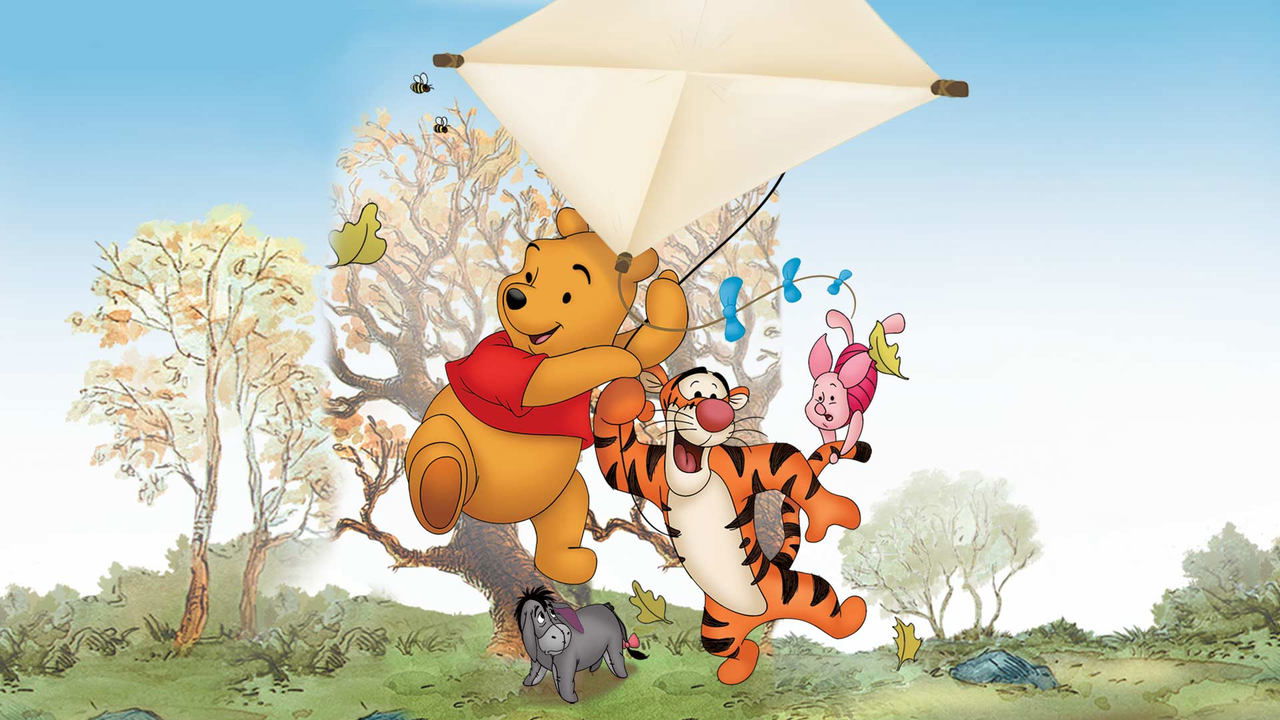
The casting here is nothing short of alchemy. Sterling Holloway, with that airy, slightly raspy voice, is Pooh. He brings a certain "zen-idiot" quality to the bear that keeps him from being saccharine. Then you have Paul Winchell as Tigger. Winchell, an inventor and ventriloquist who literally helped develop the first artificial heart, brings an erratic, bouncy energy that suggests Tigger is a high-functioning agent of chaos.
The adventure in this film is rarely about external stakes. It’s about the internal peril of being stuck in a rabbit hole after eating too much honey, or the social anxiety of Ralph Wright’s Eeyore. John Fiedler as Piglet provides the perfect anxious foil to Pooh’s oblivious optimism. Watching them navigate a flood or a "Blustery Day" is a reminder that for a child, a change in the weather is an epic event. The score by Buddy Baker, punctuated by the Sherman Brothers' iconic songs, doesn't overbear; it hums along like a comforting nursery rhyme.
The White Clamshell Legacy
For my generation, this film wasn't just a theatrical memory; it was the definitive "babysitter" tape. If you grew up in the 80s, you likely remember the chunky, white plastic clamshell cases that Disney used for their VHS releases. This was a staple of the early home video revolution because it was episodic. Since it’s a "package film" (combining three theatrical shorts from 1966, 1968, and 1974), parents could pop it in and know exactly when a good stopping point was.
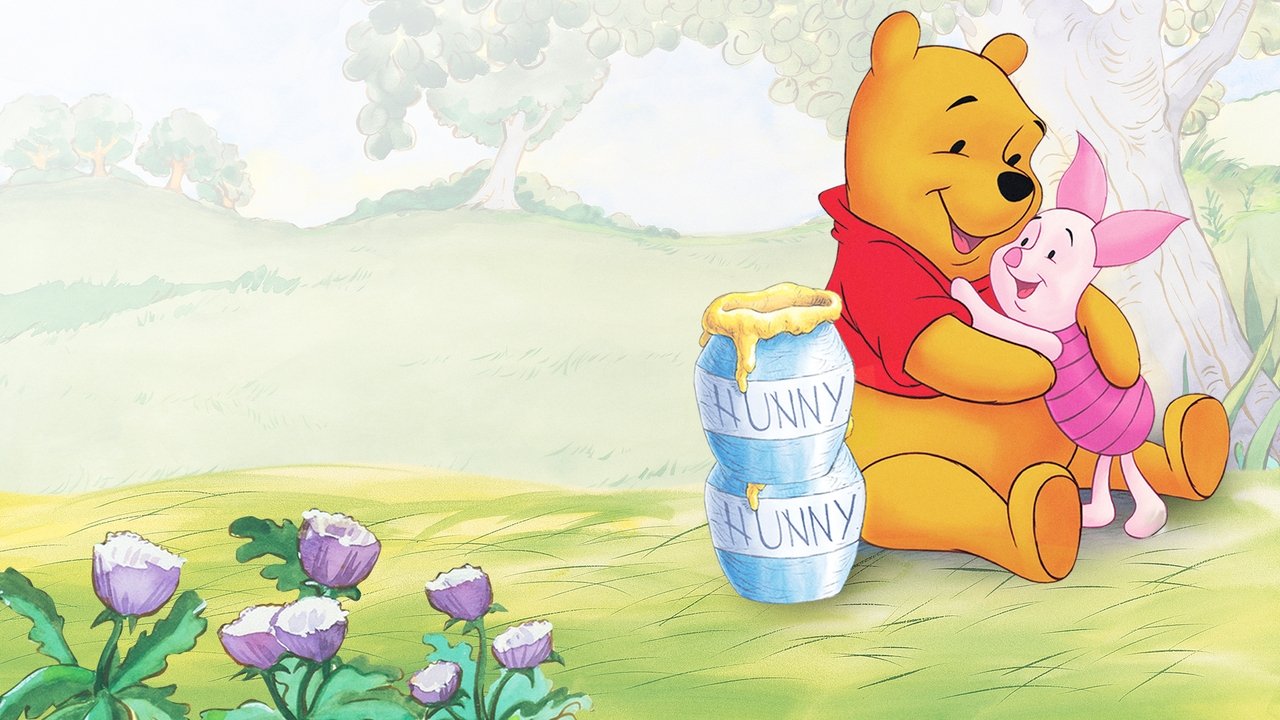
But most of us didn't stop. We watched it until the tape started to tracking-ghost at the bottom of the screen. Unlike the high-octane adventures of the 80s, Pooh offered a space where nothing truly bad could happen. Even the "peril" of the "Expedition to the North Pole" (led by Junius Matthews’ cantankerous Rabbit) felt like a game we were all in on. It was a film that invited us to participate in the construction of its world, much like how the characters literally interact with the narrator (voiced with grandfatherly warmth by Sebastian Cabot).
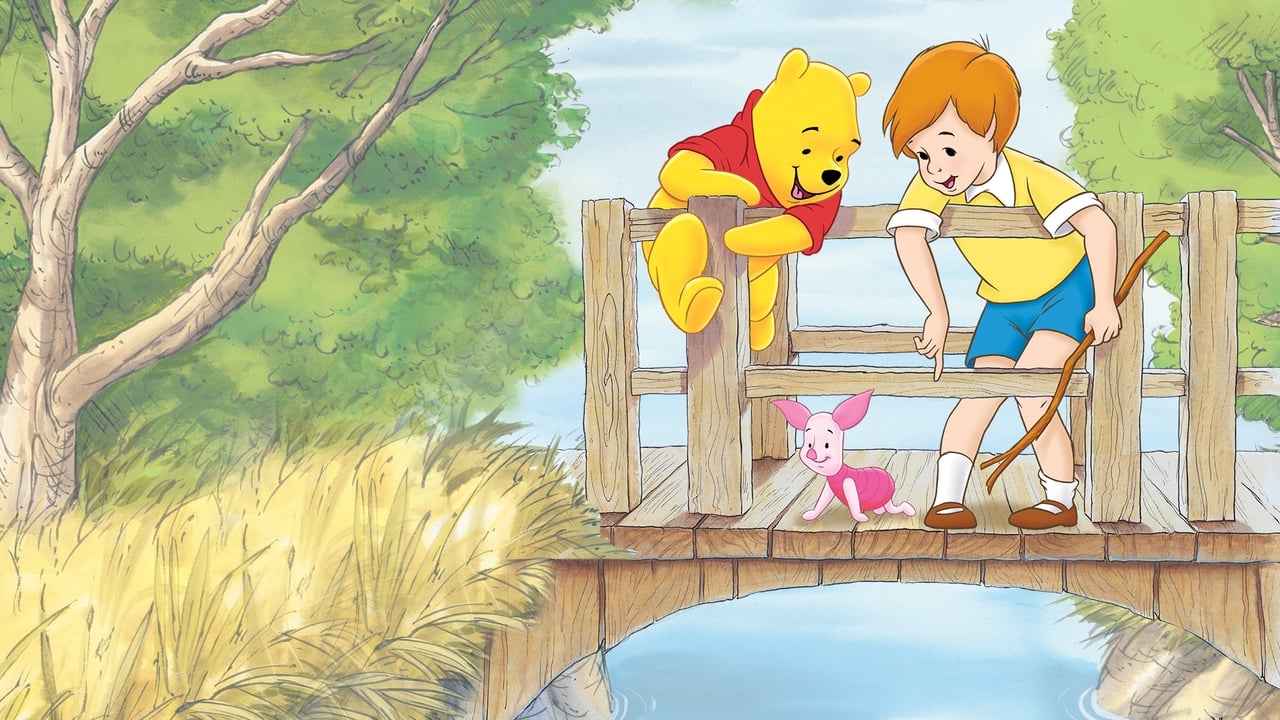
The film concludes with a final scene—the only new footage created for the 1977 release—where Christopher Robin tells Pooh he has to go away to school. It is one of the most quietly devastating moments in animation history. It captures that specific ache of the New Hollywood era: the realization that the childhood of the 1960s was giving way to the complicated reality of the future. Yet, the film promises that "in that enchanted place on top of the Forest, a little boy and his Bear will always be playing." It’s a perfect, circular piece of storytelling that earns every bit of its legendary status.
Keep Exploring...
-
Robin Hood
1973
-
The Rescuers
1977
-
The Jungle Book
1967
-
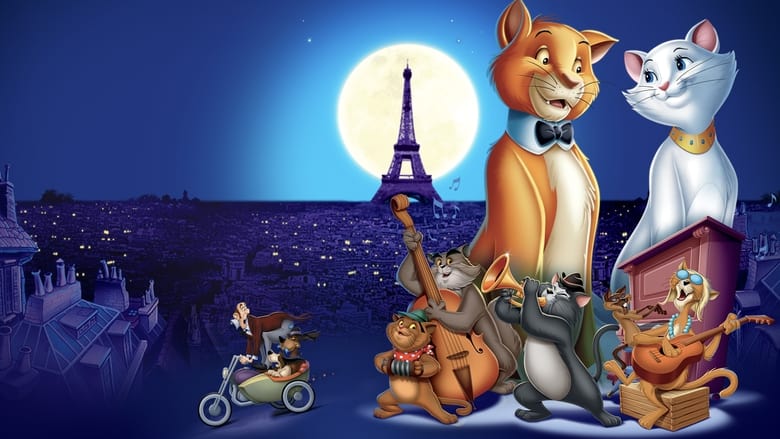
The Aristocats
1970
-
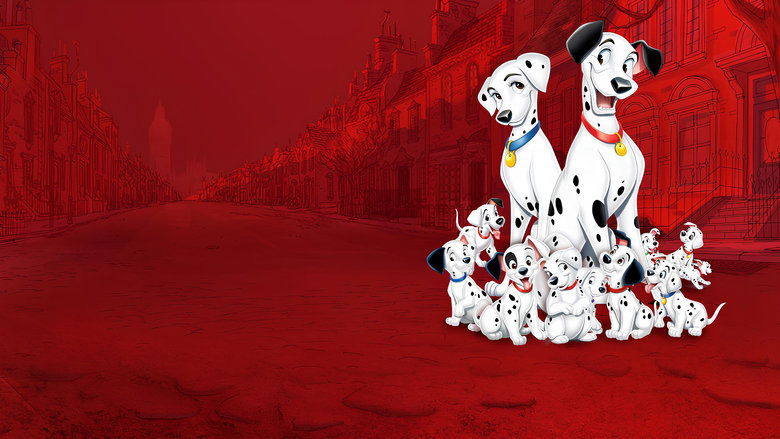
One Hundred and One Dalmatians
1961
-
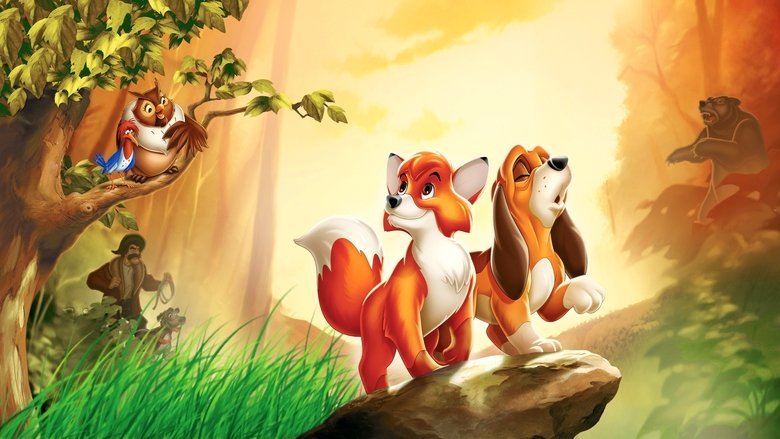
The Fox and the Hound
1981
-
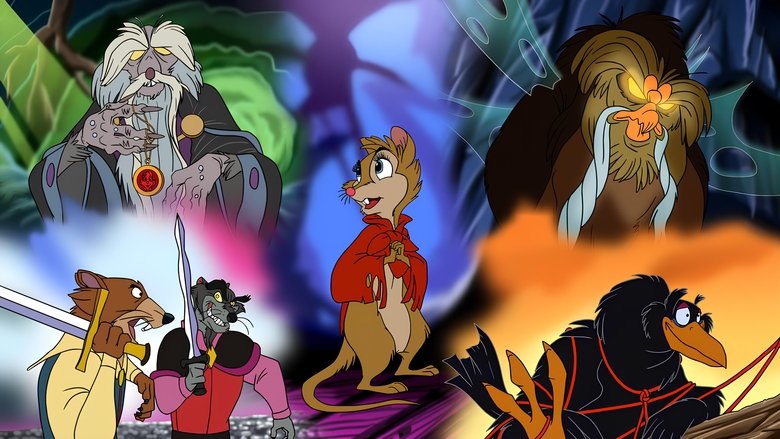
The Secret of NIMH
1982
-
The Sword in the Stone
1963
-
The Twelve Tasks of Asterix
1976
-

Bedknobs and Broomsticks
1971
-

An American Tail
1986
-
The Great Mouse Detective
1986
-
Asterix and Cleopatra
1968
-
The Dark Crystal
1982
-
The Black Cauldron
1985
-
The Land Before Time
1988
-
The Castle of Cagliostro
1979
-
Time Bandits
1981
-
Castle in the Sky
1986
-
Mickey's Christmas Carol
1983