The Spy Who Loved Me
"A Lotus that swims and a killer with steel teeth."

There is a specific kind of silence that precedes a $30,000 leap of faith. In the opening minutes of The Spy Who Loved Me, stuntman Rick Sylvester skied off the edge of Mount Asgard in Canada, falling for several agonizing seconds of pure screen silence before a Union Jack parachute billowed open. In 1977, that wasn't just a stunt; it was a declaration of war against the rising tide of New Hollywood cynicism. While the rest of the industry was busy being gritty and experimental, Roger Moore decided that James Bond was going to be the biggest, loudest, and most unashamedly fun thing on the planet.
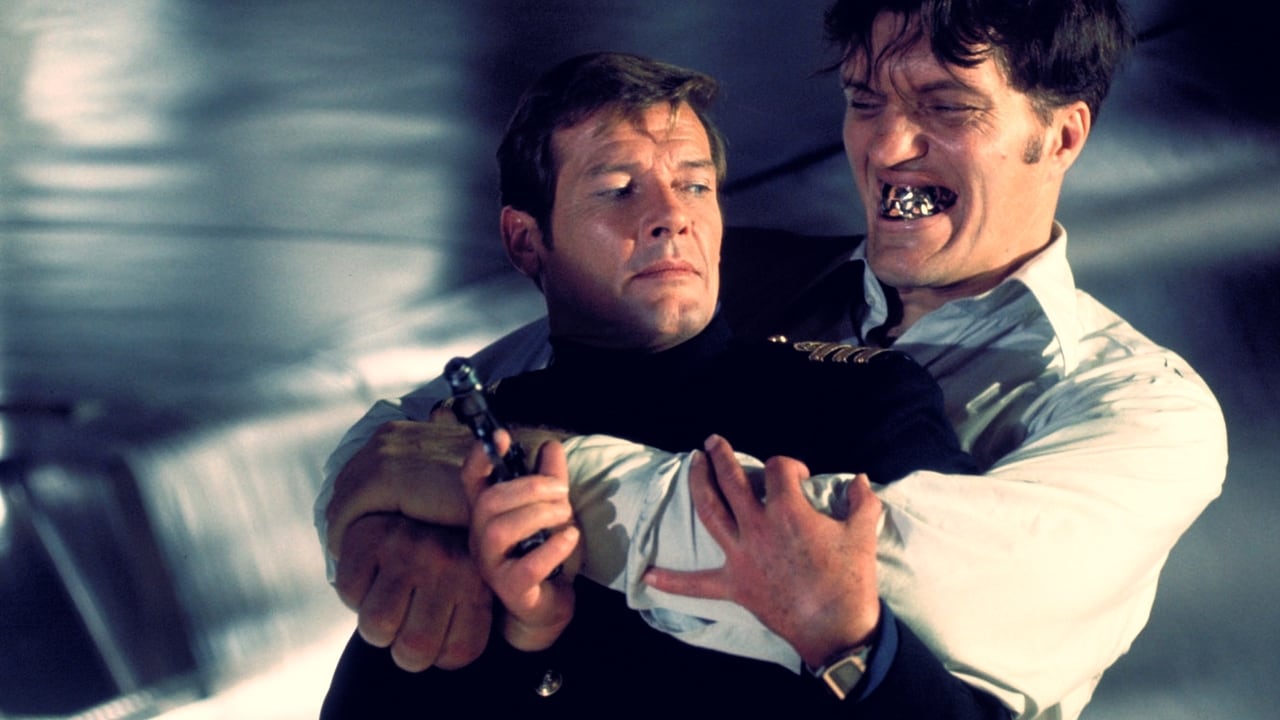
I watched this latest re-watch while wrapped in a weighted blanket that made me feel like I was trapped in a tiny escape pod, which added a strange layer of claustrophobic immersion to the third-act submarine battles. It’s a film that demands that level of commitment.
The Peak of the Moore Era
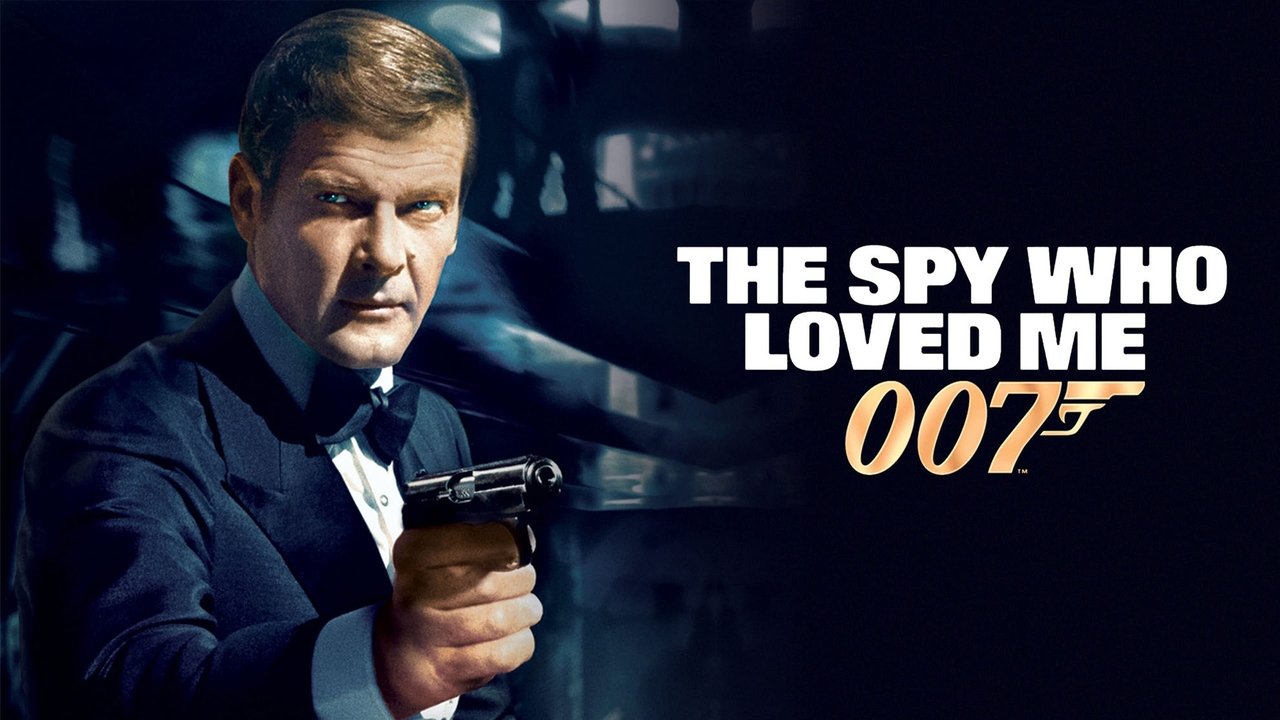
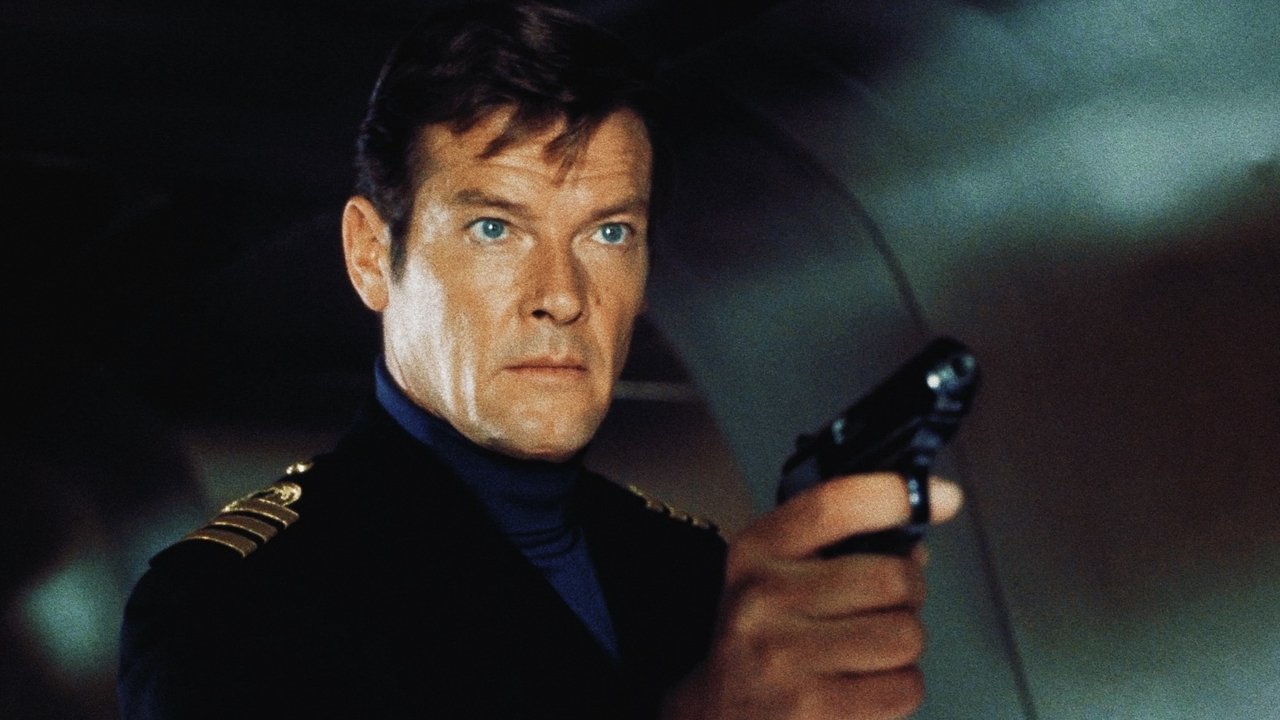
By his third outing, Roger Moore finally stopped trying to be Sean Connery and leaned into his own brand of "safari-suit-and-smirk" charm. This is arguably the definitive Moore performance. He manages to be lethal when necessary—dropping a henchman off a roof after straightening his tie—but he never loses that twinkle in his eye that tells the audience we’re all in on the joke.
The chemistry here is elevated by Barbara Bach as Major Anya Amasova (Agent XXX). In an era where Bond girls were often relegated to "damsel" status, Anya is a mirror image of 007—highly trained, vengeful, and possessing a wardrobe of evening gowns that I’m convinced were made of some secret Soviet anti-wrinkle fabric. Their "professional" rivalry provides a genuine narrative spine that holds the globe-trotting spectacle together.
Practical Magic and the 007 Stage
If you want to understand why 1970s action still feels more "real" than modern digital sludge, look no further than the Liparus tanker set. Producer Albert R. Broccoli couldn't find a soundstage big enough to house three full-sized submarines, so he simply built one. The "007 Stage" at Pinewood Studios was born from this film, a massive architectural feat that cost $1.8 million at the time.
The production was so massive it actually required a bit of secret help from a cinematic legend. The cinematographer, Claude Renoir, was struggling with failing eyesight and couldn't quite figure out how to light the gargantuan submarine pen. Lewis Gilbert (who also directed You Only Live Twice) reached out to none other than Stanley Kubrick (of 2001: A Space Odyssey fame). Kubrick reportedly visited the set under a cloak of secrecy, advised on the lighting rigs, and then vanished back into the shadows. That’s the level of craft we’re dealing with: The villain’s underwater lair looks like a salad spinner designed by a billionaire with a god complex.
Then, of course, there is the Lotus Esprit. In an era where car chases were becoming a staple, the "Wet Nellie" sequence—where the car transforms into a submarine—remains a masterclass in practical effects. They used seven different models to achieve the transformation, including a fully functional "wet sub" that required a two-man crew in scuba gear to operate inside the shell. Seeing it dive into the Sardinian waters is a moment of pure, unadulterated joy that no amount of CGI can replicate.
Steel Teeth and Global Stakes
A Bond film is only as good as its muscle, and Richard Kiel as Jaws is the gold standard. Standing over seven feet tall with those terrifying prosthetic teeth, he became an instant icon. Interestingly, the teeth were so painful to wear that Richard Kiel could only keep them in for about 30 seconds at a time. This worked in the film's favor; his pained, stoic expression makes him feel like an unstoppable force of nature.
While the main villain, Karl Stromberg (Curd Jürgens), is a bit of a standard "I want to destroy the world and live under the sea" archetype, the scale of his plan feels appropriately massive for 1977. Coming off the heels of the energy crisis and the Cold War, the idea of a madman hijacking nuclear subs hit a specific cultural nerve.
The VHS Legacy
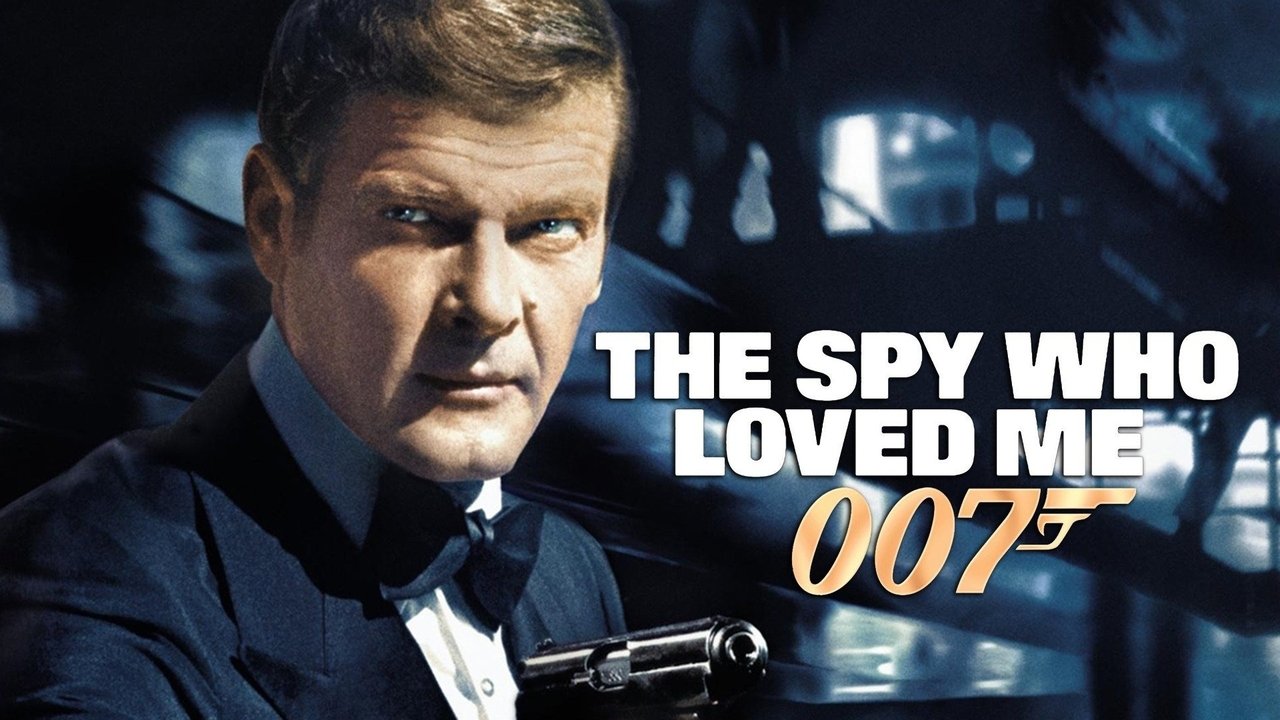
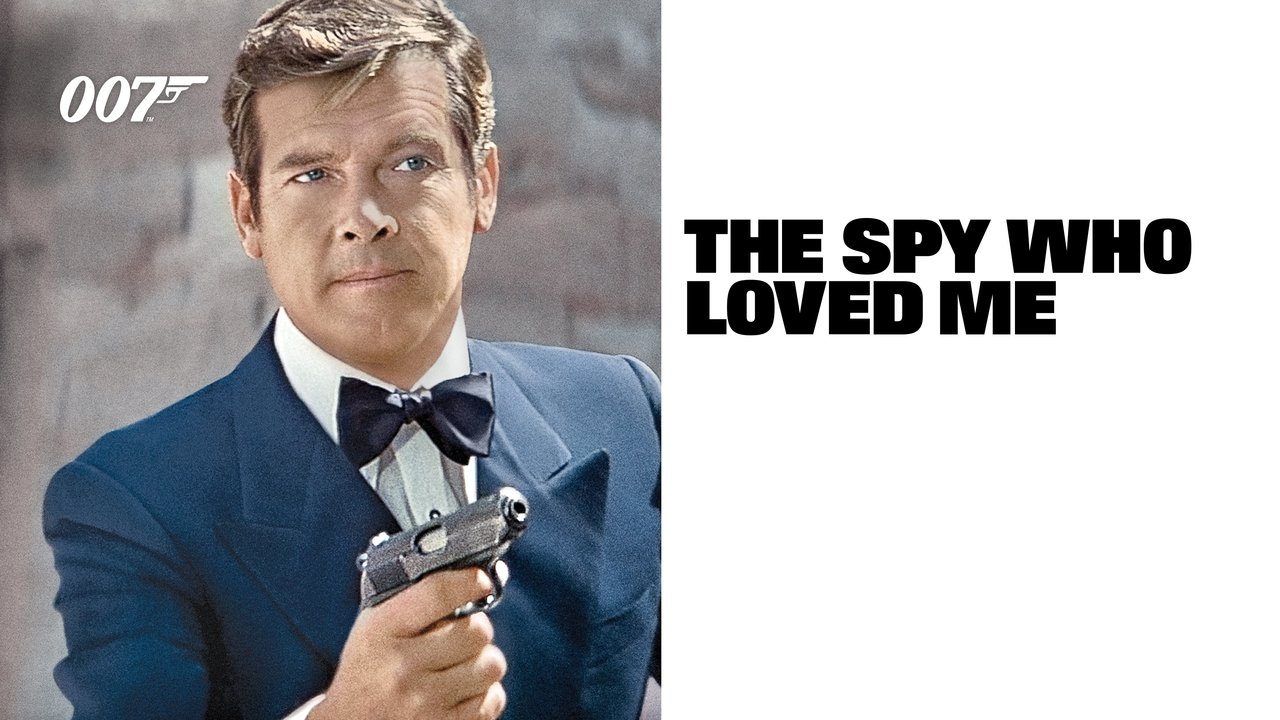
For those of us who grew up in the 80s and 90s, this was a video store staple. I remember the rental box art vividly—the striking image of the Lotus and the silhouette of Bond and Anya. It was one of those tapes that got "snowy" during the underwater chase because it had been rewound and played so many times by kids trying to figure out how the wheels retracted.
The film was a massive gamble for EON Productions. With a budget of $13.5 million (roughly $68 million today), it was the most expensive Bond film ever produced at that point. It paid off, raking in $185 million and proving that Bond could survive the transition into the blockbuster era dominated by Star Wars and Jaws. It’s a film that celebrates the sheer "bigness" of cinema.
The Spy Who Loved Me is the ultimate expression of Bond as a cultural event. It features the best stunt, the best car, and arguably the best theme song ("Nobody Does It Better" by Marvin Hamlisch and Carly Simon) in the entire franchise. It doesn't ask you to think too hard about the geopolitics of 1977; it just asks you to hold your breath and enjoy the ride. If you haven't revisited this one lately, find the biggest screen you can and let the disco-infused Bond theme wash over you. There really is no one who does it better.
Keep Exploring...
-
Moonraker
1979
-
You Only Live Twice
1967
-
For Your Eyes Only
1981
-
Live and Let Die
1973
-
Octopussy
1983
-
Thunderball
1965
-
A View to a Kill
1985
-

Goldfinger
1964
-
On Her Majesty's Secret Service
1969
-
The Man with the Golden Gun
1974
-
The Living Daylights
1987
-
Licence to Kill
1989
-
From Russia with Love
1963
-
Dr. No
1962
-
Never Say Never Again
1983
-
Diamonds Are Forever
1971
-
GoldenEye
1995
-
Tomorrow Never Dies
1997
-
Casino Royale
2006
-

Skyfall
2012