Death on the Nile
"Murder is the only thing not on the itinerary."
There is a specific kind of 1970s sweat that modern cinema simply cannot replicate. It’s a heavy, sun-drenched, linen-soaking perspiration that makes you feel like you need a shower just by watching the screen. In John Guillermin’s 1978 adaptation of Death on the Nile, that heat is practically a supporting character. While today’s blockbusters would retreat into the air-conditioned safety of a green-screen studio in Atlanta, Guillermin dragged a crew of Hollywood legends onto the actual Nile, forcing them to navigate the dust and the glare of Egypt. I watched this most recently while sitting in front of a clanking radiator that smelled faintly of scorched dust, and honestly, the sensory synchronicity made the experience about 20% more immersive.
A Marshmallow with a Mind
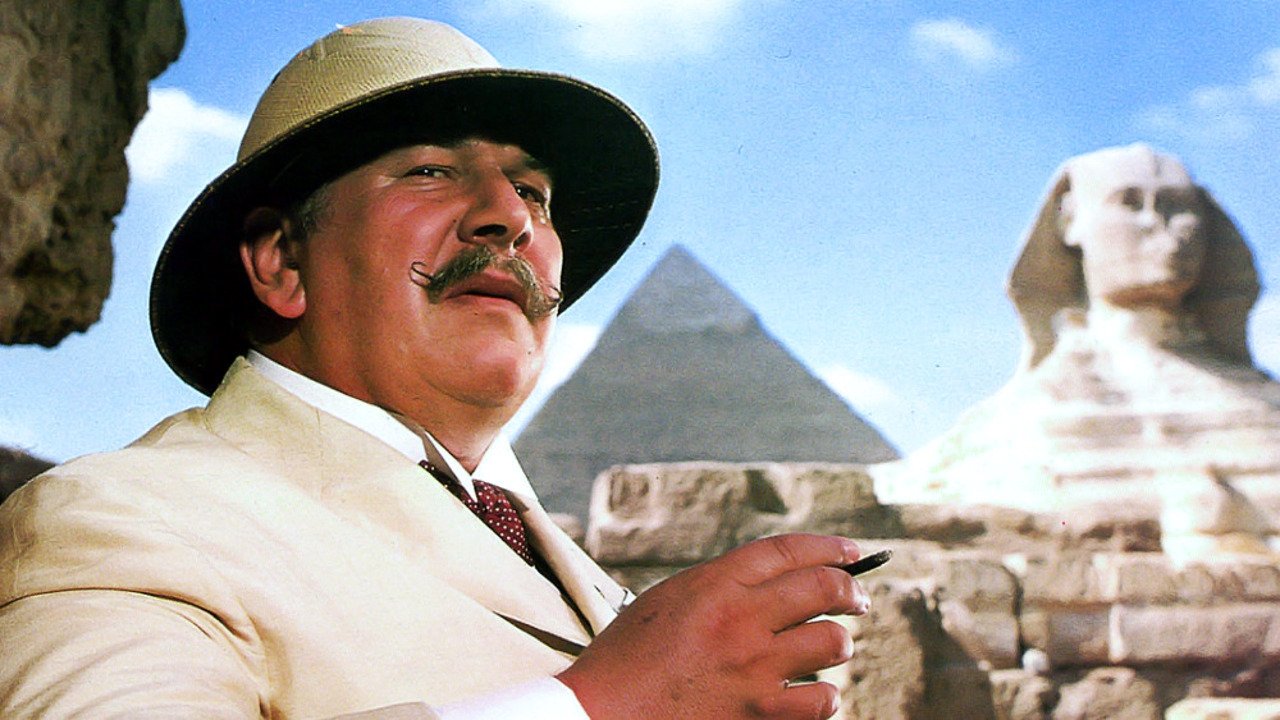
When people talk about Hercule Poirot, they usually split into two camps: the Finney camp or the Suchet camp. But for me, Peter Ustinov is the definitive "vacation Poirot." Following the massive success of Sidney Lumet’s Murder on the Orient Express (1974), the pressure was on to find a replacement for Albert Finney. Ustinov didn't just step into the patent leather shoes; he reshaped the character into something warmer, more rumpled, and deceptively sharp. He’s like a sentient marshmallow with a genius-level IQ.
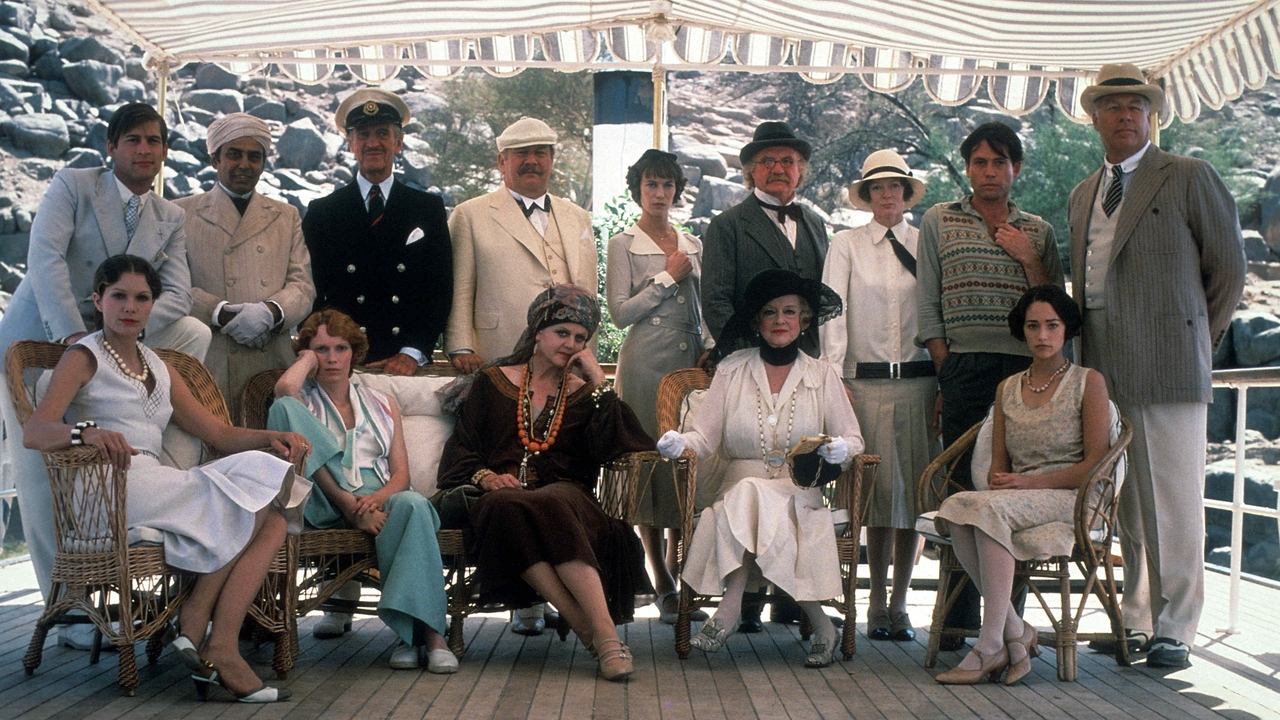
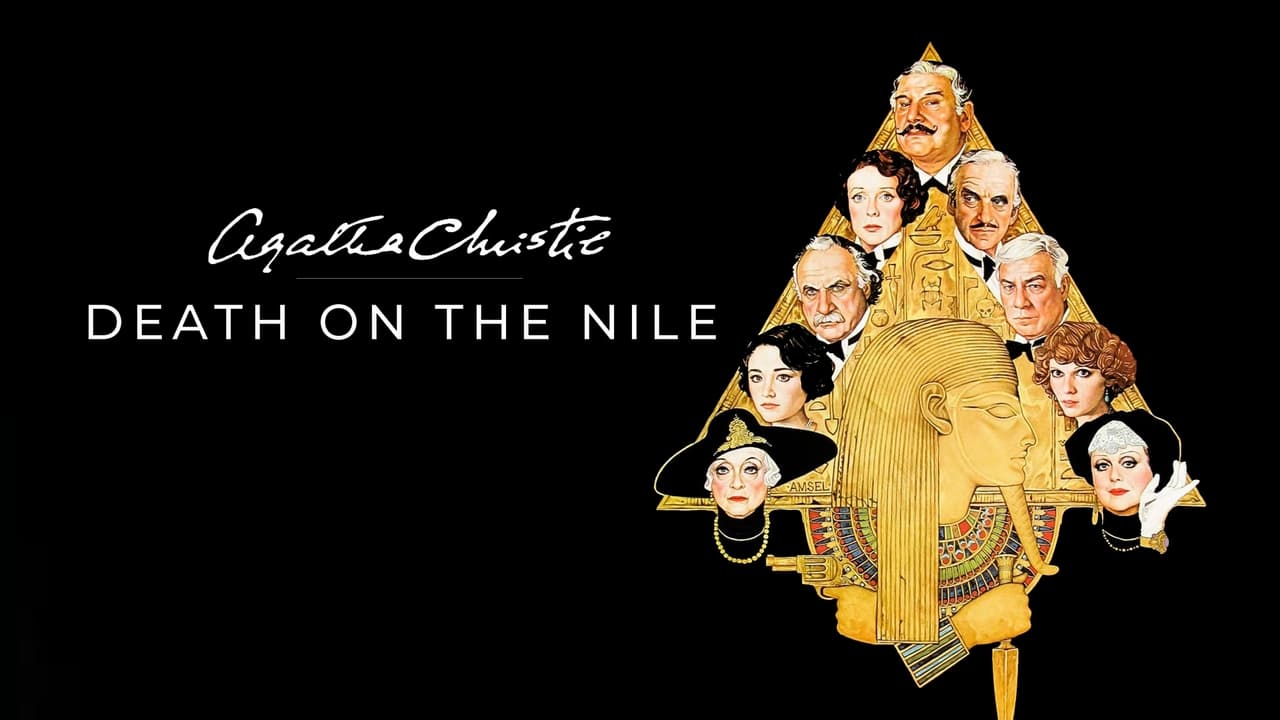
What makes this a compelling drama—rather than just a mechanical puzzle—is how Ustinov interacts with a cast that feels like it was assembled via a high-stakes fever dream. You have Lois Chiles (the Bond girl from Moonraker) as the doomed heiress Linnet Ridgeway, playing her with a brittle arrogance that makes you understand why everyone wants her dead. Then there’s Mia Farrow, fresh off a decade of being cinema's favorite waif, turning in a performance as Jacqueline de Bellefort that is genuinely unsettling. She doesn't just play "scorned woman"; she plays "woman who has vacated her soul to make room for revenge." Every time she appears on screen, the temperature seems to drop, even in the Egyptian sun.
The Heavyweights in the Dining Room
The real joy of Death on the Nile lies in the "Murderer’s Row" of supporting players who treat the script like a contact sport. Bette Davis and Maggie Smith (who would later define "withering" in Downton Abbey) are paired together as a kleptomaniac socialite and her bitter nurse. Watching them trade barbs is like watching two grandmasters play chess with live grenades. Davis, even in the twilight of her career, possessed a screen presence that could flatten a pyramid.
The drama isn't just in the mystery; it’s in the class friction. The screenplay by Anthony Shaffer—who wrote the brilliant Sleuth (1972)—understands that Poirot’s world is one of rigid social hierarchies being dismantled by greed. Jon Finch, known for his grit in Hitchcock’s Frenzy (1972), plays a Marxist who spends the entire cruise insulting the very people he’s vacationing with. It adds a layer of social commentary that keeps the film from feeling like a dusty museum piece. The sheer amount of ego on that boat probably weighed more than the steamer itself.
Practical Magic and the VHS Glow
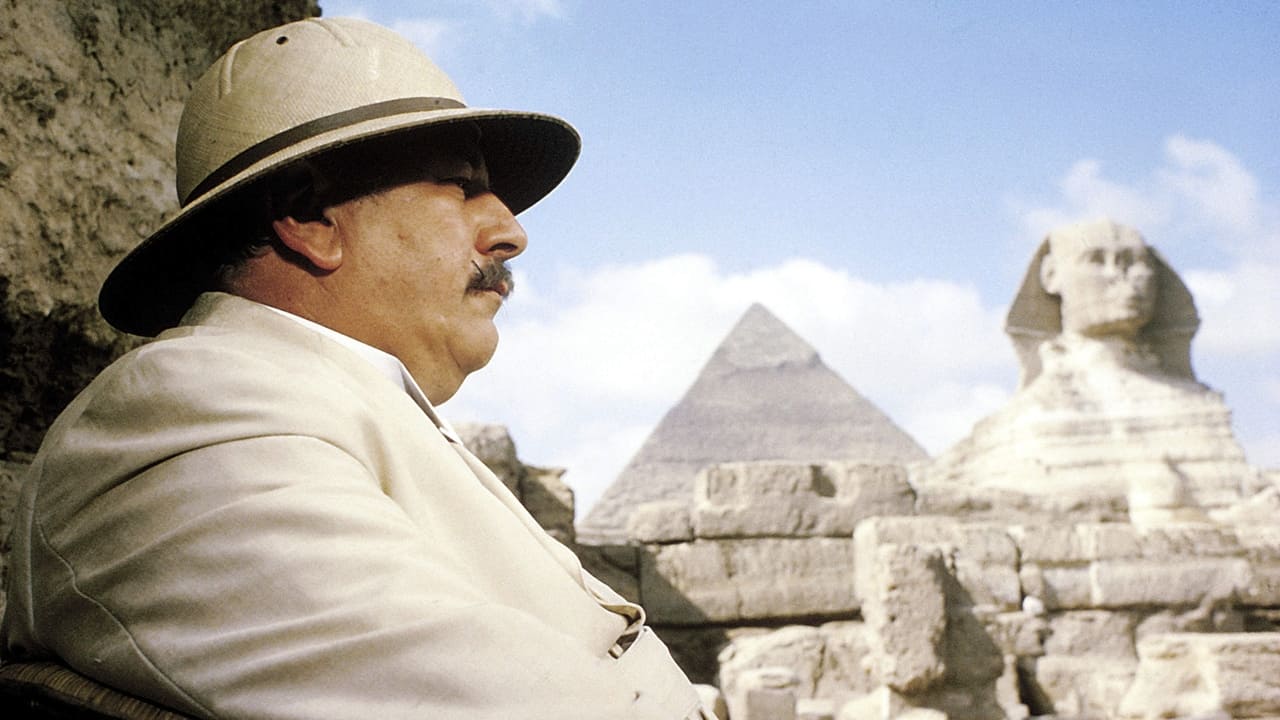
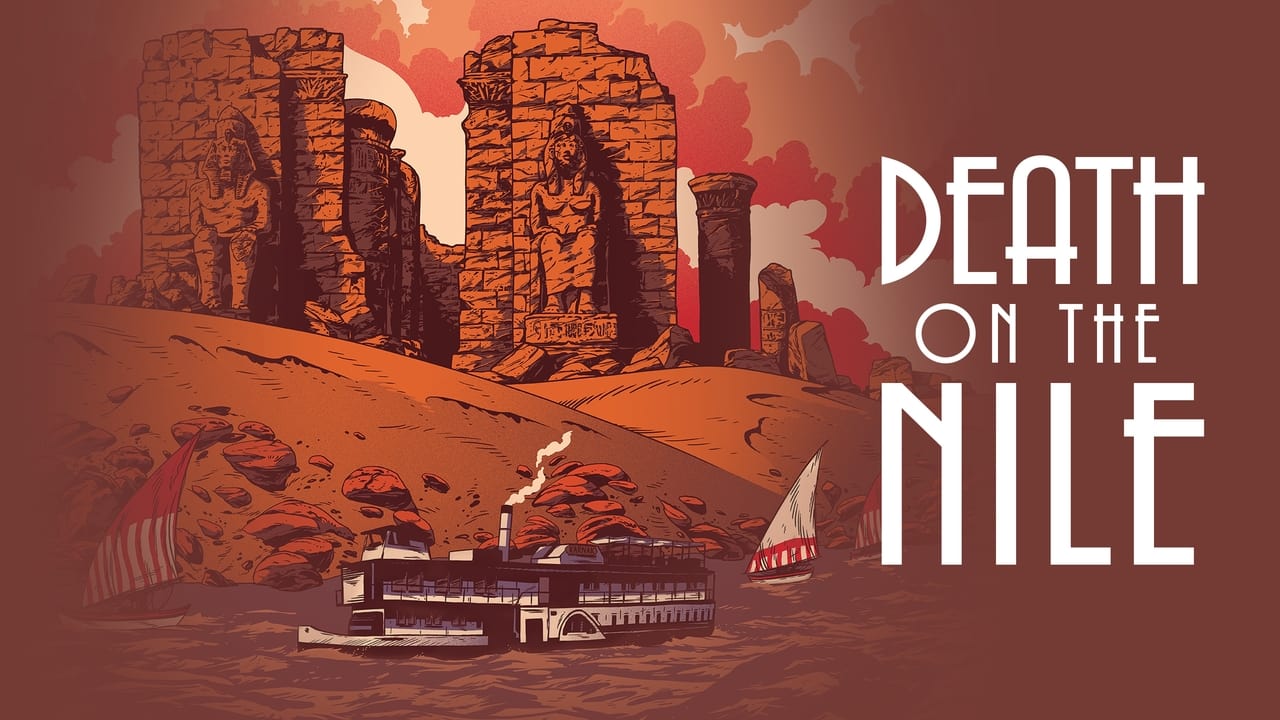
From a craft perspective, this is a peak example of the "Practical Effects Golden Age." There is no CGI trickery here. When you see the Karnak paddle steamer navigating the river, it’s a real boat. When the characters explore the Temple of Karnak and a giant stone block nearly crushes them, that’s a real location with real physics. The cinematography by Jack Cardiff—the man who gave us the eye-popping colors of The Red Shoes (1948)—captures the desert in hues of gold and amber that look spectacular even through the slight fuzz of an old television broadcast.
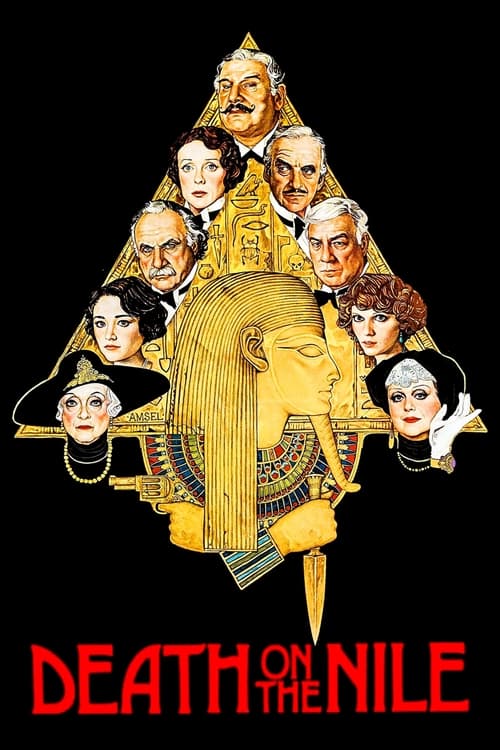
For many of us, Death on the Nile was a staple of the early VHS era. I remember the old EMI home video box art with its bold, slightly ominous lettering. On a worn-out tape, the film took on a dreamy, hazy quality. The sunsets became more orange, and the shadows in the cabins became deeper. There’s a specific "VHS thrum" to the audio during the silent, tense moments of the midnight murder that you just don't get with a pristine 4K digital file. It felt like a secret you were uncovering in your living room.
The film’s legacy is often unfairly buried under the 1974 Orient Express or the more recent, CGI-heavy Kenneth Branagh versions. But Guillermin (who also gave us the 1976 King Kong) creates a sense of place that is unmatched. He lets the camera linger on the landscape, allowing the pace to mimic the slow churn of the river. It’s a drama that breathes. It gives the actors room to be weird, to be cruel, and to be human before the inevitable "gathering in the drawing room" occurs.
If you’re looking for a film that feels like a masterclass in ensemble drama with a side of gorgeous travelogue, this is it. It captures a moment in cinema where the budget was huge, the stars were bigger, and the locations were real. It’s a reminder that before we started building worlds inside computers, we used to just go to the world and film it. Seek out the 1978 version, find a comfortable chair, and maybe turn up your heater a few degrees for the full effect. Just keep an eye on your jewelry.
Keep Exploring...
-
King Kong
1976
-
High Plains Drifter
1973
-

The Towering Inferno
1974
-

Three Days of the Condor
1975
-
All the President's Men
1976
-
Dressed to Kill
1980
-
Blow Out
1981
-
The Secret of NIMH
1982
-
Soylent Green
1973
-

Deep Red
1975
-

Murder by Death
1976
-
The Tenant
1976
-
Charade
1963
-
Body Double
1984
-
Clue
1985
-
Cocoon
1985
-
The Great Mouse Detective
1986
-
Angel Heart
1987
-
Frantic
1988
-
Mississippi Burning
1988