Drunken Master
"The drunker he gets, the harder he hits."
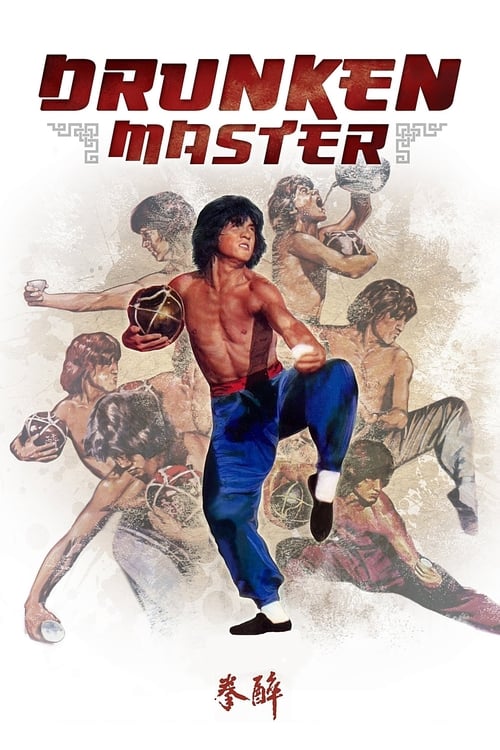
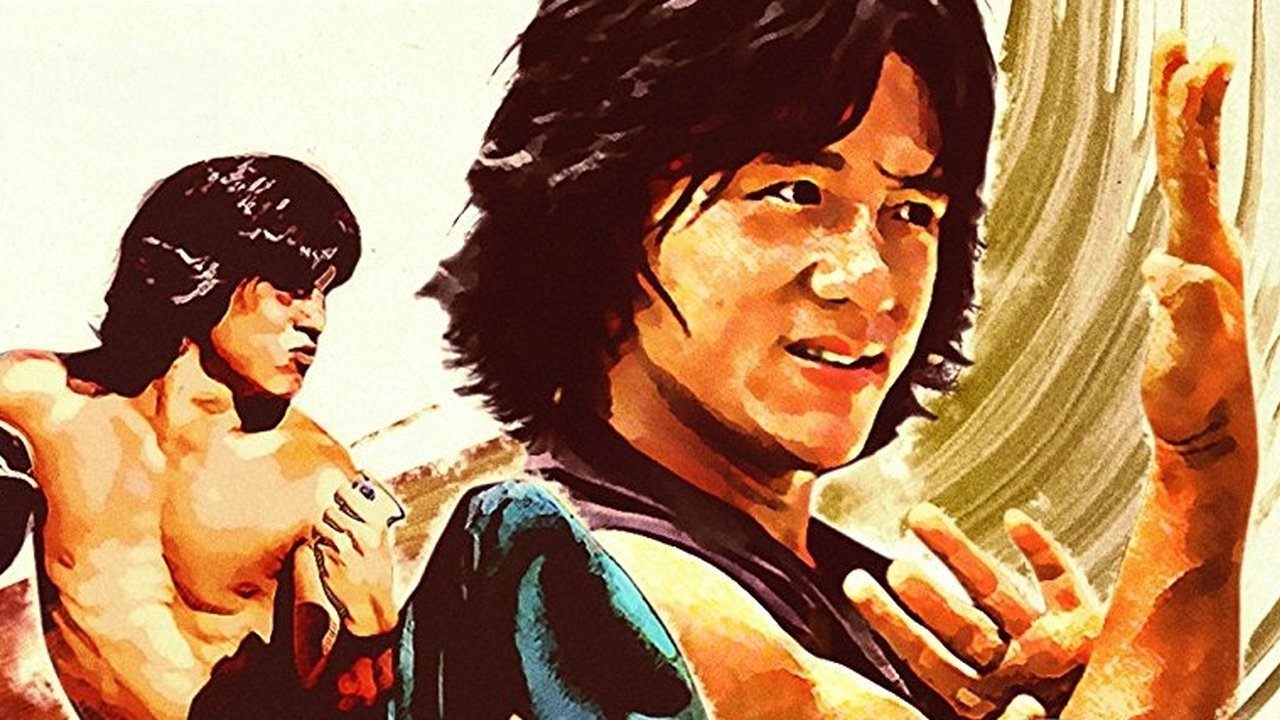
There’s a specific, joyous magic in watching a man look like he’s about to trip over a pebble, only to realize he’s actually winding up to kick a villain through a brick wall. Most martial arts movies of the late 70s were solemn affairs, filled with glowering masters and "You killed my teacher!" revenge tropes that took themselves with the seriousness of a heart attack. Then came Jackie Chan, a man whose face seemed made of rubber and whose primary fighting style appeared to be "frantic improvisation," and suddenly, the genre felt like it could finally breathe.
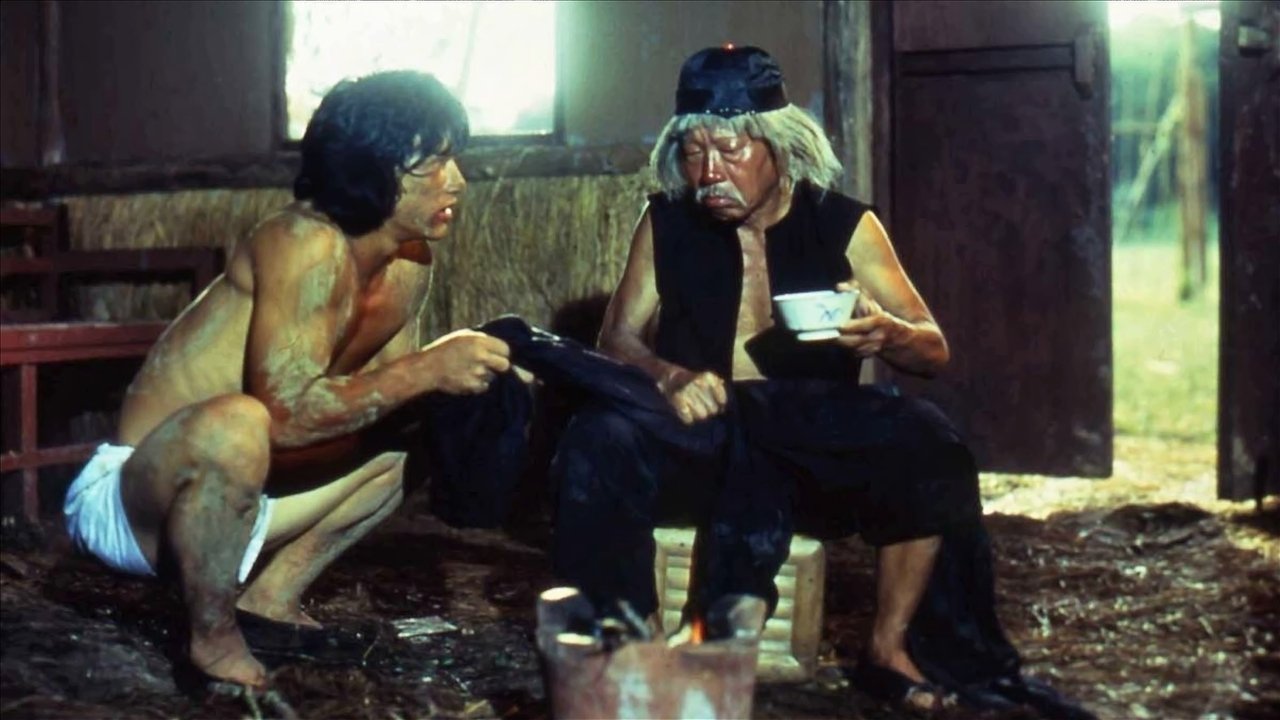
I watched this recently on a Tuesday afternoon while my neighbor was power-washing his driveway, the rhythmic drone of the water outside strangely syncing up with the slap-slap-crack of the training montages. It’s the kind of movie that demands you put down whatever you're doing and just marvel at the sheer physical audacity on display.
The Birth of the Rubbery Hero
Before Drunken Master, the industry was desperately trying to mold Jackie Chan into the next Bruce Lee. It was a disaster. Jackie Chan’s early "serious" phase was a crime against his own face, a waste of a man who was clearly born to be the Buster Keaton of bone-crunching combat. Director Yuen Woo-Ping (who the world would later know for choreographing The Matrix and Crouching Tiger, Hidden Dragon) was the one who finally let Jackie be Jackie.
The plot is deceptively simple: Fei-hung (Chan) is a brat. He’s mischievous, arrogant, and constantly getting into trouble that his father has to pay for. To straighten him out, he’s sent to Beggar So (Simon Yuen Siu-Tien), a man who looks like he hasn't seen a bathtub since the Ming Dynasty and spends most of his time clutching a jug of wine. The twist? This slovenly old man is a master of the "Drunken Fist."
The chemistry between Chan and Yuen—who was actually the director’s father—is the soul of the film. Most of the movie is just the two of them engaging in what I can only describe as "aggressive education." The training sequences are legendary, involving Chan hanging upside down to fill buckets or performing finger-strengthening exercises that look like they’d make a normal person’s hands fall off.
The Geometry of the Drunken Fist
What makes the action in Drunken Master so captivating isn't just the speed; it’s the rhythm. When Jackie Chan adopts the "Eight Drunken Immortals" style, he isn't just swinging wildly. He’s mimicking the swaying, stumbling gait of a drunkard to mask incredibly precise strikes. It’s a dance of deception.
The cinematography by Raymond Chang stays wide enough to let you see the full bodies of the performers. There are no "shaky-cam" tricks here to hide a lack of talent. You see the sweat, the near-misses, and the terrifyingly fast legwork of the antagonist, Hwang Jang-Lee (playing Thunderleg Yen Tieh-hsin). Hwang Jang-Lee was a legitimate Taekwondo master, and his kicks are so fast they almost look like special effects. Apparently, during the final showdown, he accidentally kicked Chan so hard he nearly lost an eye—a reminder that while the tone is comedic, the stakes for the performers were incredibly real.
This was the peak of the practical effects era in Hong Kong. There are no wires here, just core strength and a willingness to fall on hard ground until the take is perfect. For those of us who grew up finding these films in the "Martial Arts" section of a dusty video store, the gritty, low-budget texture of the film is half the charm. The colors are slightly oversaturated, the English dubbing is often hilariously mismatched with the mouth movements, and the sound of a punch landing sounds like someone slapping a side of beef with a wet 2x4. It’s glorious.
A VHS Treasure Rediscovered
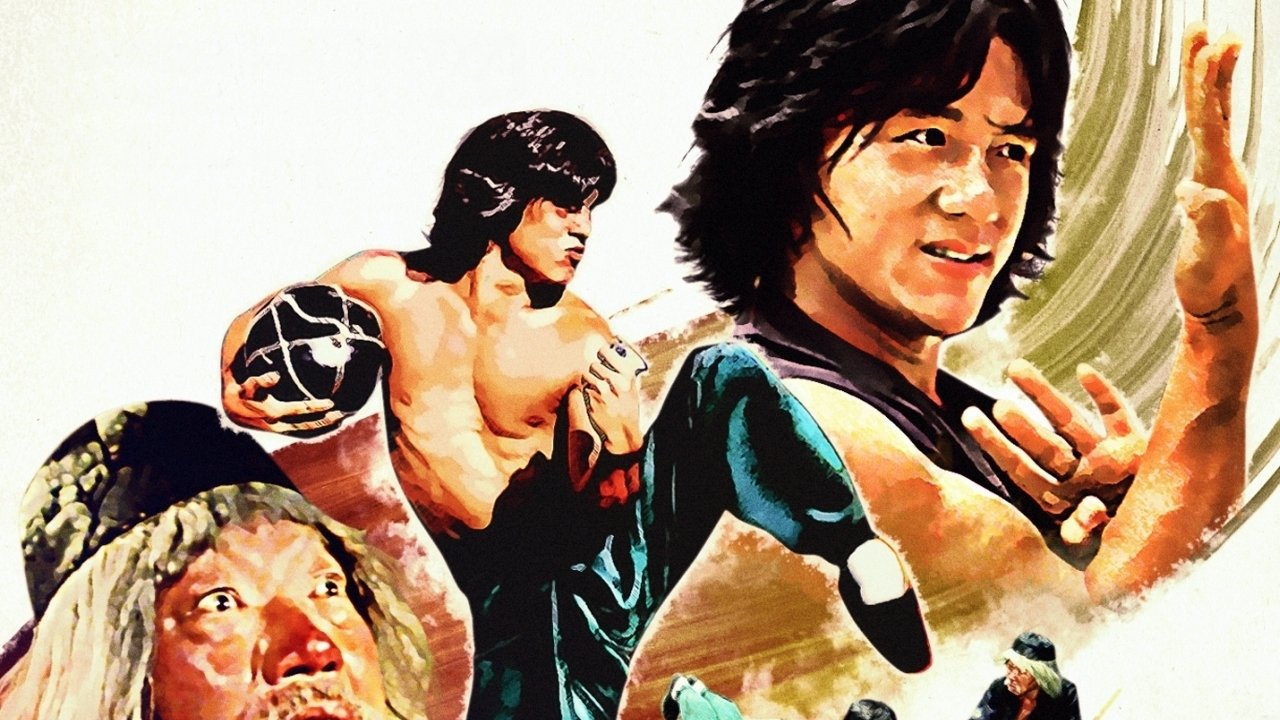
While Drunken Master was a massive hit in Asia, it found a second, more obsessive life in the West through the home video revolution. This was the "holy grail" tape that got passed around. Because it wasn't always easy to find a clean, subtitled copy, many of us first saw this in a grainy, pan-and-scan format where half the action was cut off the sides of the screen. Seeing it now in a restored version feels like putting on glasses for the first time. You finally see the subtle shifts in Jackie Chan’s expressions as he moves from "playful drunk" to "deadly serious fighter."
The film also features Dean Shek Tin as a comedic foil, and while his brand of broad, loud humor can be a bit of an acquired taste, it fits the "anything goes" energy of 1970s Hong Kong cinema. It’s a movie that invites you to laugh at the absurdity of a man using a wine jug as a weapon, while simultaneously gasping at the athleticism required to make it look that fluid. Training to fight while intoxicated is the only cardio I’ve ever found relatable, even if my version involves more "falling over" and significantly less "defeating assassins."
Drunken Master isn't just a movie; it’s the moment a legend found his voice. It stripped away the stoicism of the kung fu genre and replaced it with a sweating, smiling, staggering humanity. By the time the credits roll, you realize you've watched one of the most physically demanding performances in history disguised as a lighthearted comedy. It’s an essential piece of action history that reminds us that the best way to win a fight is often to let your opponent think you’ve already lost your balance.

Keep Exploring...
-
The Legend of Drunken Master
1994
-

Watch Out, We're Mad
1974
-
Stripes
1981
-
48 Hrs.
1982
-
Police Story
1985
-
Batman
1966
-
They Call Me Trinity
1970
-
Romancing the Stone
1984
-
Innerspace
1987
-

Midnight Run
1988
-
Rumble in the Bronx
1995
-
Who Am I?
1998
-
The Blues Brothers
1980
-

The Gods Must Be Crazy
1980
-
The Twelve Tasks of Asterix
1976
-
The Castle of Cagliostro
1979
-
The Party
1980
-
Time Bandits
1981
-
Creepshow
1982
-

Risky Business
1983