Grease
"High school hijinks, hot rods, and hairspray."
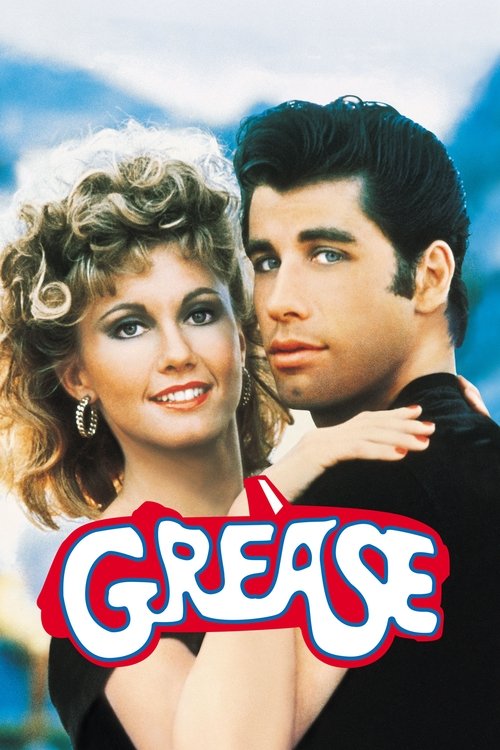
There is a specific kind of magic that happens when a movie captures a decade it wasn’t actually filmed in, creating a weird, wonderful hybrid of two different eras. Watching Grease (1978) today feels like a double-shot of nostalgia: you’re watching a 1970s interpretation of the 1950s. It’s got the pompadours and the soda fountains of the Eisenhower years, but it’s pulsing with the disco-adjacent energy and the "New Hollywood" sheen of the Carter administration. It shouldn't work—it’s essentially a costume party that cost $6 million—but it remains the ultimate "comfort food" movie.
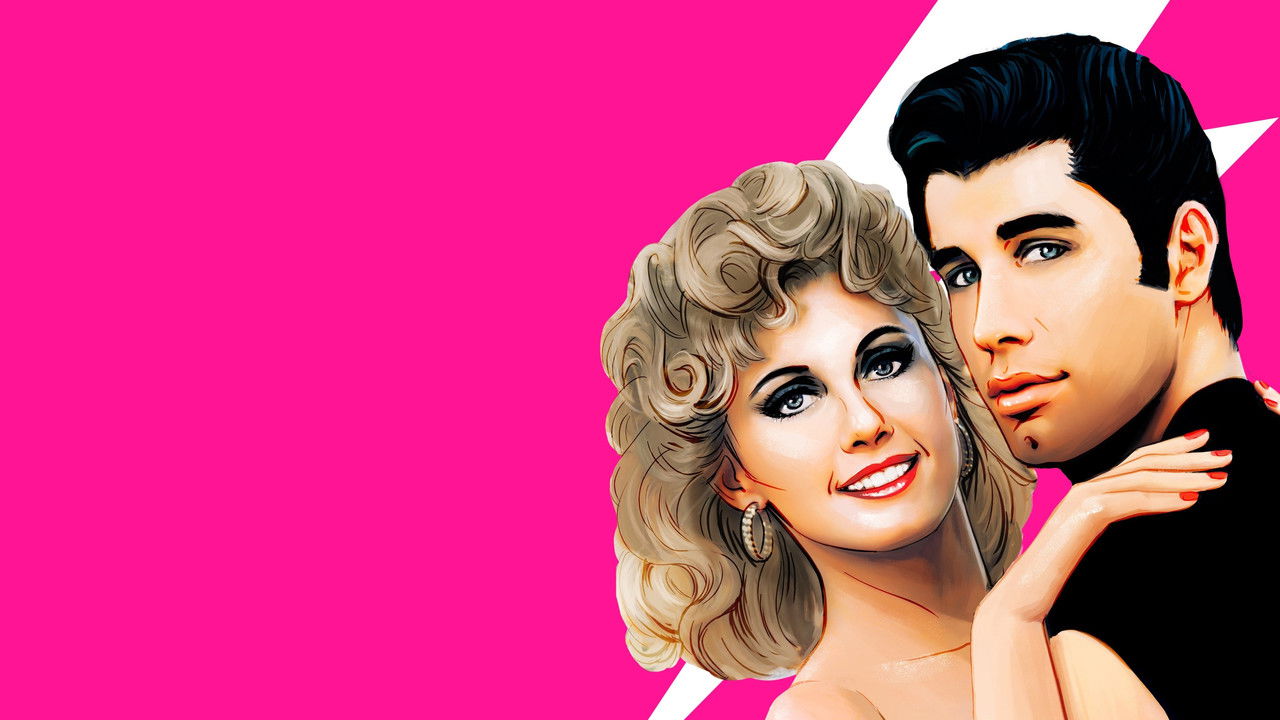
I remember watching this on a humid Tuesday night while trying to fold a fitted sheet (an impossible task), and I realized I wasn’t even looking at the laundry. I was just staring at John Travolta’s hips. The man had a gravity in 1978 that defied physics. Coming straight off the back of Saturday Night Fever (1977), Travolta was a supernova, and Grease was the film that proved he wasn't just a disco fluke; he was a genuine movie star who could carry a leather jacket like it was a suit of armor.
The Physics of the Pink Ladies
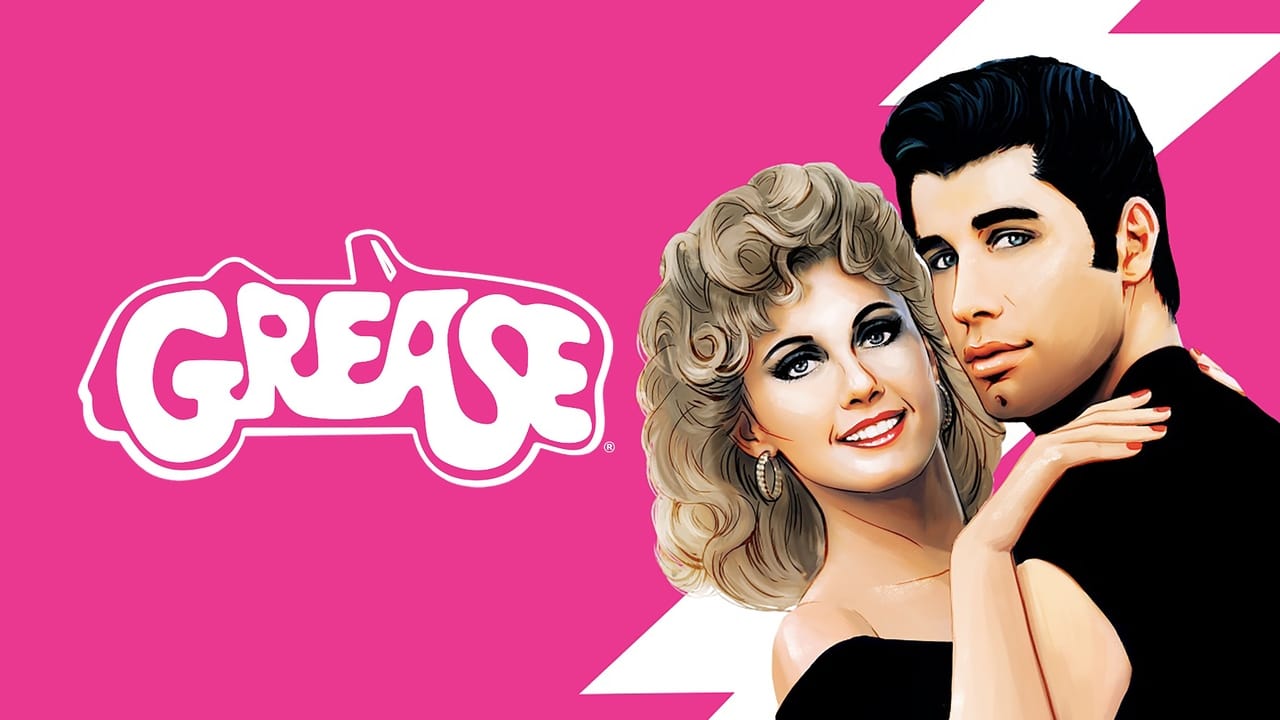
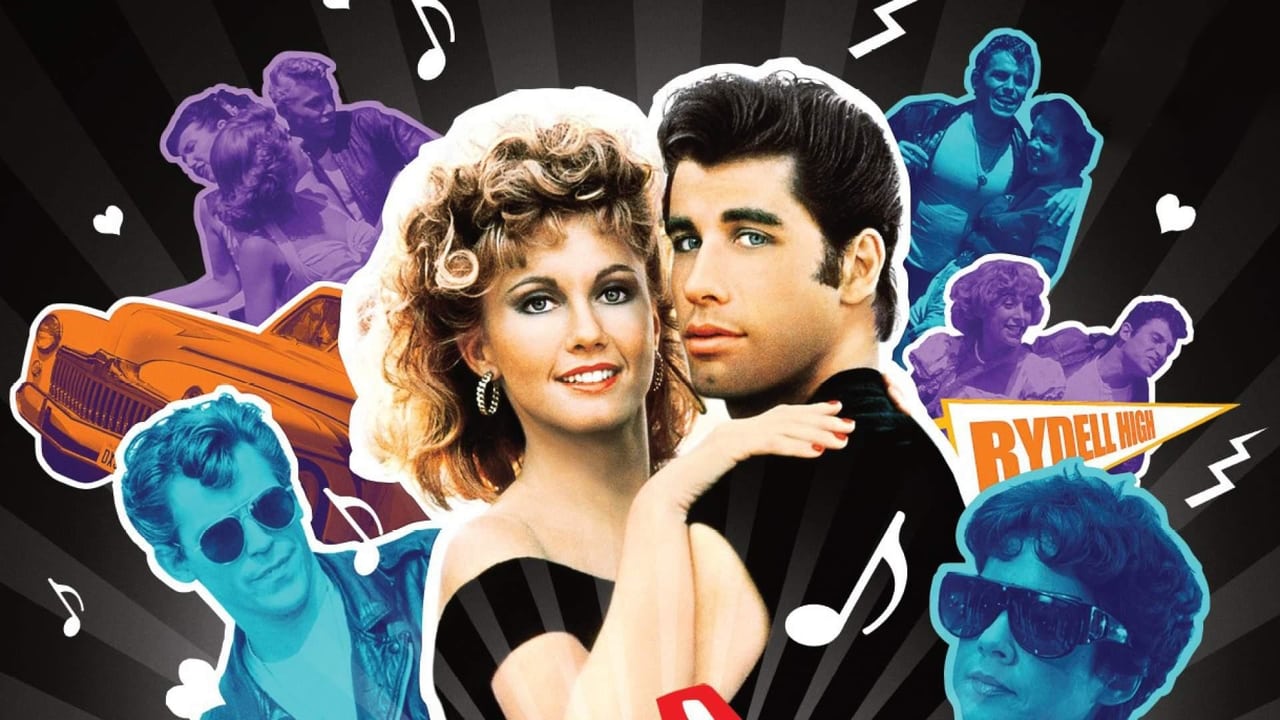
The plot is as thin as a milkshake straw: Australian "good girl" Sandy (Olivia Newton-John) and greaser Danny Zuko (John Travolta) have a summer fling. They unexpectedly end up at the same high school. Danny acts like a jerk to stay cool in front of his gang, the T-Birds, and Sandy has to navigate the treacherous waters of Rydell High.
But nobody watches Grease for the complex narrative arc. You watch it for the ensemble. While the movie is ostensibly about Sandy and Danny, the soul of the film belongs to the Pink Ladies, specifically Stockard Channing as Betty Rizzo. Channing was 33 years old playing a high schooler, which is one of the most hilarious instances of "Hollywood Age-Gap Blindness" in cinema history, yet she is the most grounded thing in the movie. Her performance of "There Are Worse Things I Could Do" provides a necessary sting of 70s-era realism to a movie that eventually features a flying car.
The chemistry between the cast feels authentic because, by all accounts, the set was like a perpetual summer camp. Director Randal Kleiser (who would later give us the dreamy The Blue Lagoon) encouraged the cast to hang out constantly, which translated into that effortless, "we’ve known each other since kindergarten" vibe. You can see it in the "Summer Nights" sequence—the split-screen editing by John F. Link II is a masterclass in comedic timing, contrasting the girls’ romanticized version of the fling with the guys’ crude, exaggerated retelling.
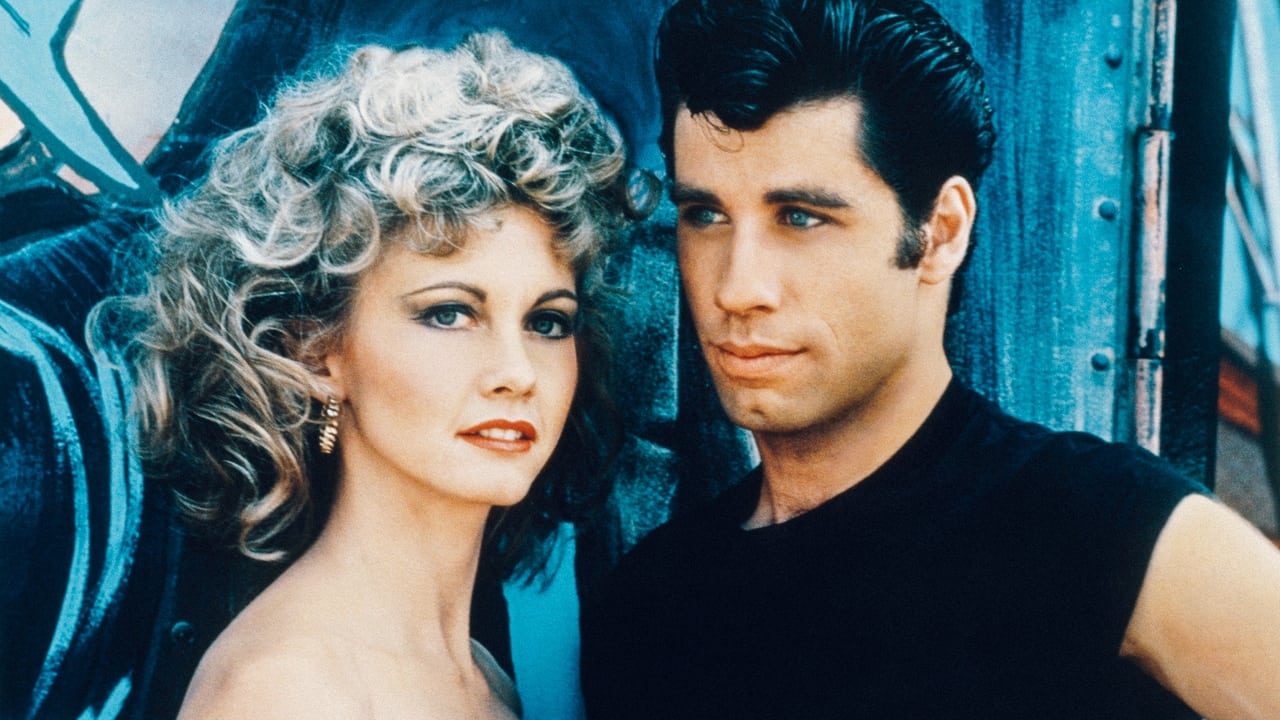
A Blockbuster Built on Vinyl
We have to talk about the scale of this thing. Paramount knew they had a hit, but I don't think they realized they had a phenomenon. Grease didn’t just win the box office; it colonized the radio. The soundtrack stayed at the top of the charts for months, fueled by the fact that producer Robert Stigwood (the man behind the Bee Gees' success) knew exactly how to market a movie as an "event."
The trivia behind the music is legendary. Did you know the title track was written by Barry Gibb? Or that "Hopelessly Devoted to You" wasn't even in the original Broadway show? It was written and recorded after filming had wrapped because Olivia Newton-John’s contract guaranteed her a solo ballad. They literally went back, shot it on a small set, and edited it in. It went on to be the film’s only Oscar nomination.
Then there’s the "Greased Lightnin’" drama. In the stage musical, that song belongs to Kenickie (Jeff Conaway). But Travolta, knowing a hit when he heard one, used his massive "New Hollywood" clout to demand the song for himself. You can almost feel the tension between Danny and Kenickie during that scene, which actually adds a weird layer of competitive "alpha-male" energy to the choreography. Jeff Conaway supposedly injured his back during the filming of that number, leading to a lifelong struggle with pain medication—a dark footnote to an otherwise candy-colored production.
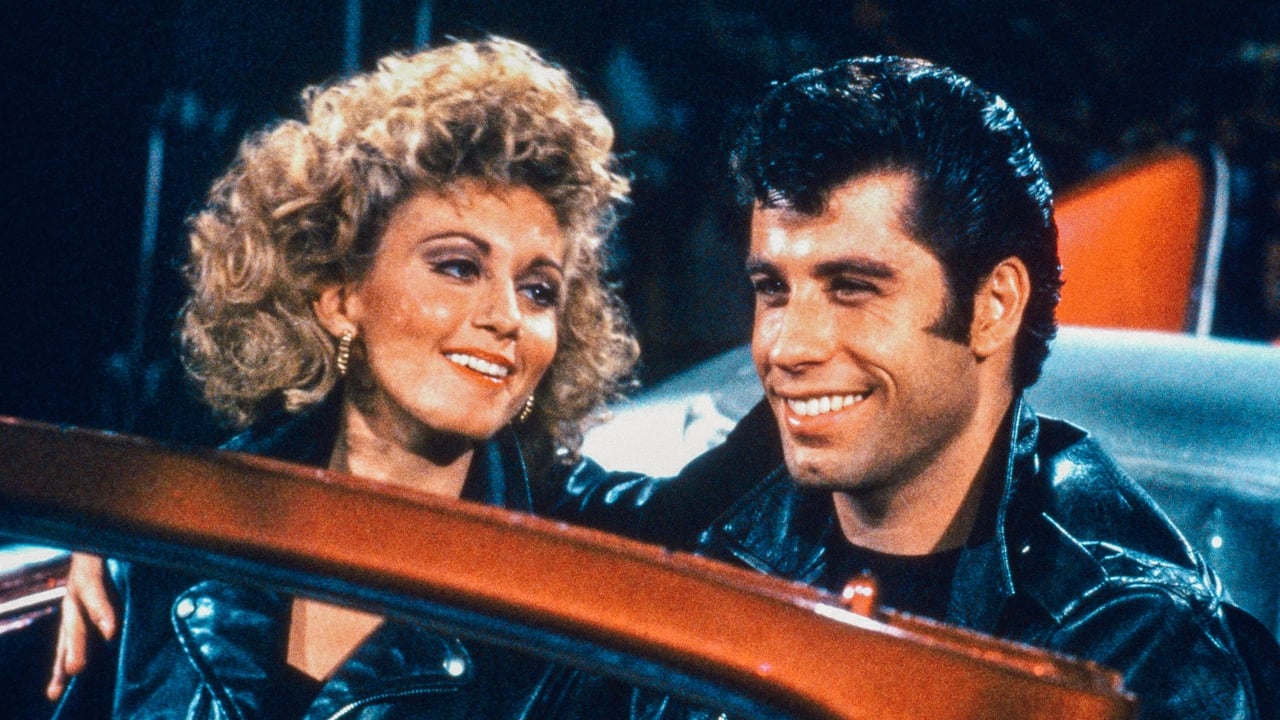
The VHS Ritual
If you grew up between 1980 and 2000, you likely owned this on a VHS tape with a neon-pink spine. Grease was a cornerstone of the home video revolution. It was the kind of tape that got "tracking" issues during "You’re the One That I Want" because that’s where everyone hit the rewind button.
The practical effects, like the "Thunder Road" drag race, have a tactile grit that you just don't get in modern CG-heavy features. When those cars are tearing up the Los Angeles River basin, those are real stunts, real dust, and real danger. Even the opening animated sequence, created by John Wilson, feels like a time capsule of 70s aesthetic. My only real gripe? Sandy’s leather-clad transformation is actually a surrender to peer pressure disguised as empowerment, but the song is so catchy you almost forget she’s basically abandoning her entire personality for a guy who couldn't even stand up for her at a pep rally.
Grease is a triumph of vibe over substance. It’s loud, it’s colorful, and it features a supporting cast filled with 1950s legends like Eve Arden and Sid Caesar, acting as a bridge between Old Hollywood and the blockbuster era. It celebrates the sheer joy of being young, even if the "teenagers" in question all look like they have mortgages and receding hair lines. It’s a movie that invites you to sing along, and forty-five years later, we’re all still hopelessly devoted to it.
Keep Exploring...
-
The Graduate
1967
-

Risky Business
1983
-

Tootsie
1982
-
The Blues Brothers
1980
-
Romancing the Stone
1984
-
The Purple Rose of Cairo
1985
-
The Lost Boys
1987
-
The Princess Bride
1987
-
Say Anything...
1989
-
The Party
1980
-
Blazing Saddles
1974
-

The Gods Must Be Crazy
1980
-
Moonstruck
1987
-
Coming to America
1988
-
Working Girl
1988
-
Gremlins
1984
-

Back to the Future
1985
-
Beverly Hills Cop II
1987
-
Lethal Weapon
1987
-
Big
1988